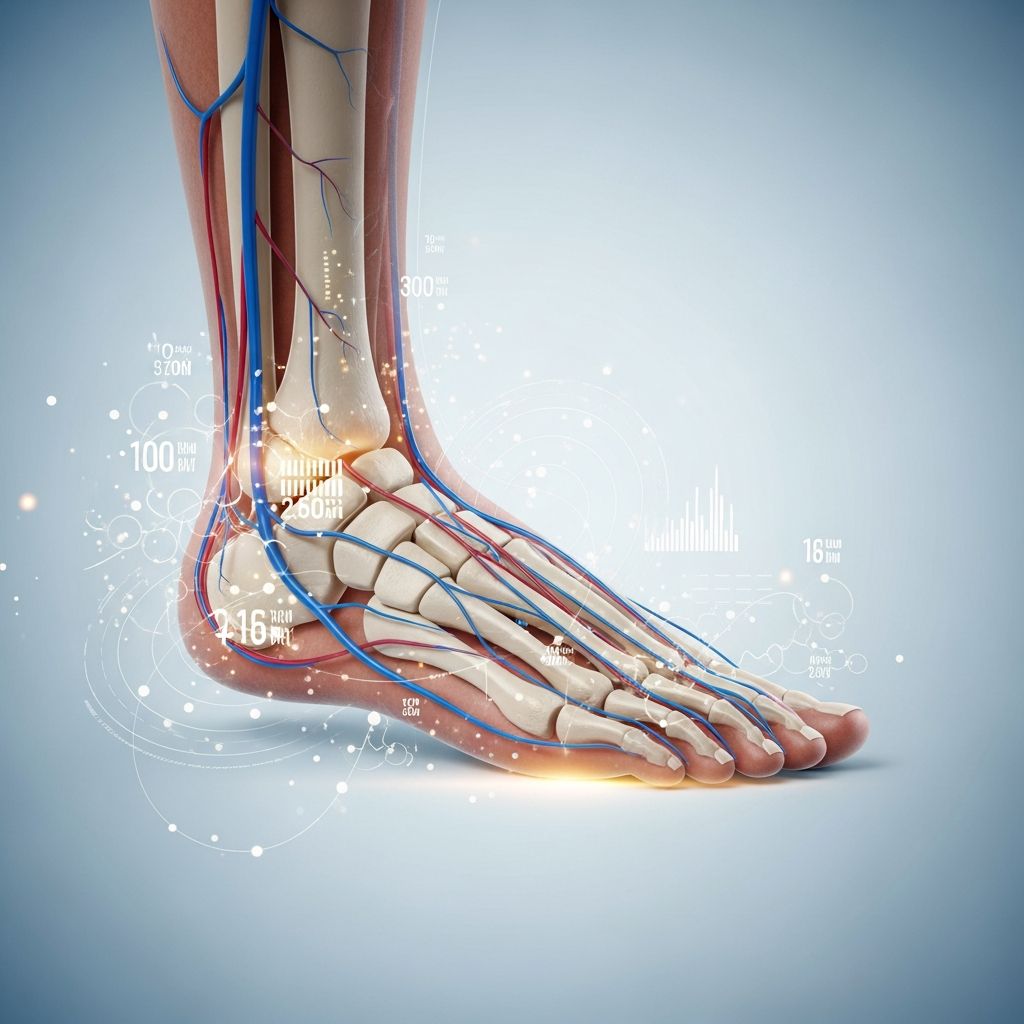
Your foot size is more than a number on a shoe tag; it offers a window into your health, growth trajectory, and potential risks for various conditions. Scientific research shows that foot dimensions correlate with body proportions, age-related changes, and even specific pathologies, influencing everything from mobility to chronic pain management.
Understanding the Basics of Foot Anatomy and Measurement
Foot size is primarily determined by length and width, but depth and girth also play roles in overall fit. Standard measurements use tools like the Brannock device to assess these dimensions precisely. Studies indicate that foot length typically averages around 21-25 cm in adults, with variations by age, sex, and ethnicity. Children’s feet, for instance, show greater length variability during growth phases, with standard deviations up to 2 cm in early years.
Gender differences emerge early: male feet tend to be 0.34 cm longer on average than female counterparts in pediatric populations. Width measurements average 8-10 cm, but mismatches here are common culprits for discomfort. Proper assessment considers both static (standing) and dynamic (walking) foot expansion, where barefoot width can increase by nearly 10% during gait cycles.
How Foot Size Evolves Across the Lifespan
Feet grow rapidly in childhood, peaking around ages 12-14, then stabilize until middle age. Post-40, many experience expansion due to weight gain, ligament loosening, and gravitational effects on soft tissues. Extra body weight compresses foot-supporting structures, often increasing size by half a shoe length over decades.
In children from regions like the Czech Zlin area, average foot length hovers at 21.35 cm with higher length deviation than width, signaling uneven growth patterns. Adolescents may see quarterly changes, necessitating frequent shoe updates. Older adults face narrowing arches and spreading forefeet, altering size requirements entirely.
- Childhood (0-12 years): Rapid longitudinal growth; width lags, risking narrow shoe issues.
- Adulthood (18-50 years): Stability, but activity levels influence shape.
- Senior Years (50+): Expansion from 1-2 sizes; 63-72% wear ill-fitting shoes.
Foot Size and Body Proportions: What Correlations Exist?
Classic myths link foot size to other body parts, but science confirms modest ties to height and overall stature. Taller individuals proportionally have larger feet for balance and weight distribution. However, discrepancies—like small feet on large frames—can signal nutritional deficits or genetic factors.
Research on pediatric populations reveals linear growth equations between foot length and height, with males showing consistent offsets. In adults, foot size predicts basal metabolic needs indirectly via body mass correlations. Notably, asymmetric foot sizes (one foot larger) affect 20-30% of people, often requiring custom accommodations.
| Age Group | Avg. Foot Length (cm) | Avg. Foot Width (cm) | Common Change |
|---|---|---|---|
| Children (7-12) | 21.35 ± 2.08 | 8.4 | High length SD |
| Adults | 24-27 | 9-10 | Stable |
| Seniors | 25-28 | 9.5-11 | Width expansion |
Health Risks Tied to Improper Foot Sizing
Ill-fitted shoes plague 63-72% of populations, linking directly to pain and disorders. Narrow footwear squeezes toes, fostering corns, calluses, and lesser toe deformities. In diabetics, 82% wear wrong sizes, elevating ulceration risk 5-fold. Older adults with neuropathy face 4.8 times higher improper fit rates.
Studies define poor fit as <10mm or >15mm length mismatch, or width discrepancies over 1mm. Consequences include reduced Foot Health Status Questionnaire (FHSQ) scores in pain, function, and social domains. Children in tight shoes risk hallux valgus and flat arches, impairing lifelong mobility.
- Pain and Function Loss: 66% of misfitted wearers report lower health scores.
- Deformities: Corns tied to narrow shoes; bunions from length shortages.
- High-Risk Groups: Down syndrome kids (81% narrow fits), diabetics (70% wrong length).
Special Populations: Children, Elderly, and Diabetics
Pediatric Foot Development Challenges
Half of children wear shoes too short in length, stunting natural toe splay and risking future malformations. 3D scanning reveals needs for age-specific allowances in height, length, and width. Barefoot walking expands foot width 9.7%, versus 4-6% in shoes, promoting healthier arches.
Elderly Foot Changes and Vulnerabilities
Aging feet widen and flatten; 47% have shoes smaller in total area. This correlates with corns, hallux valgus, and ulcers. Minimalist shoes may reduce knee loads in osteoarthritis, mimicking barefoot benefits.
Diabetes and Foot Size Mismatches
82% of diabetics don incorrect footwear, with 43% too short—amplifying neuropathy and wound risks. Width issues compound, as forefoot swelling demands broader lasts.
Choosing the Right Footwear for Optimal Health
Prioritize width over length; allow 10-15mm toe room. Measure feet annually, afternoon when swollen. Opt for flexible soles respecting dynamic shape. For kids, update every 3-6 months; seniors, seek orthopedic options.
Barefoot or minimalist styles enhance gait in shod adults, lowering injury risks. Population-specific lasts address ethnic and sex variances.
Frequently Asked Questions
Does foot size indicate overall health?
Yes, changes or mismatches signal issues like weight gain, diabetes risks, or growth problems. Regular checks prevent disorders.
Why do feet get bigger with age?
Weight gain loosens ligaments; gravity flattens arches, expanding size by 1-2 over decades.
How often should children get new shoes?
Every 3-6 months or when length allowance drops below 10mm, to avoid deformities.
Are narrow shoes harmful for diabetics?
Extremely; 82% mismatch rates raise ulceration odds 5x. Always prioritize width.
Can barefoot walking fix foot problems?
It promotes natural expansion and strength, reducing pain versus restrictive shoes.
Preventive Strategies for Lifelong Foot Wellness
Incorporate daily foot inspections, weight management, and professional fittings. Education on fit reduces 30% pathology rates from childhood neglect. Advanced tech like 3D scanning ensures bespoke solutions, curbing adult mobility loss.
Ultimately, attuned footwear preserves function, averting the 30% adult foot pain prevalence rooted in early mismatches.
References
- Incorrectly fitted footwear, foot pain and foot disorders — Pathare et al., National Library of Medicine. 2018-07-20. https://pmc.ncbi.nlm.nih.gov/articles/PMC6064070/
- A Population Study of Foot Size of Children as an Important Indicator of Foot Health — International Journal of Foot and Ankle. 2022-00-00. https://clinmedjournals.org/articles/ijfa/international-journal-of-foot-and-ankle-ijfa-5-058.php?jid=ijfa
- Footwear Choice and Locomotor Health Throughout the Life Course — National Library of Medicine. 2024-00-00. https://pmc.ncbi.nlm.nih.gov/articles/PMC11899058/