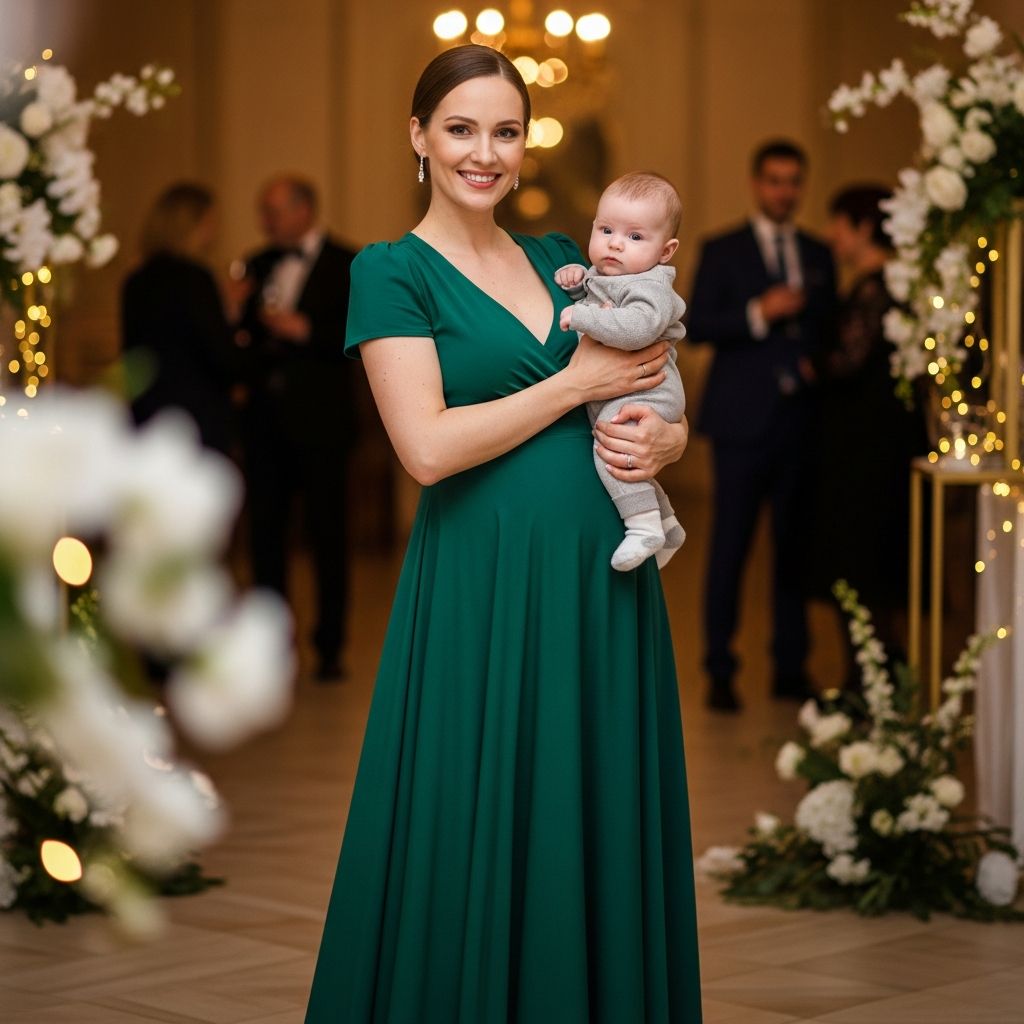
Being invited to a wedding, baptism, graduation, or big family celebration just a few weeks after birth can feel overwhelming. Your body is changing daily, your sleep is patchy, and your closet might feel like a stranger’s. This guide walks you through how to get dressed for those special events in the early postpartum period with comfort, practicality, and confidence at the center.
Instead of chasing your “old body,” the goal is to dress the body you have right now, support your recovery, and make it easier to feed and care for your baby during a big day out.
Understanding Your Four-Trimester Body (and Why Clothes Feel Weird)
The first weeks after birth are often called the fourth trimester—a time when your uterus is shrinking, fluid shifts are happening, and hormones fluctuate significantly. During this time, it is normal to:
- Still look several months pregnant, even at six weeks postpartum.
- Experience abdominal tenderness, especially after a cesarean birth.
- Have breast size changes throughout the day due to milk supply and feeding.
- Deal with night sweats, fluid retention, and feeling warmer than usual.
Because of all this, clothing that once felt fine may suddenly feel restrictive, scratchy, or impossible to button. Choosing outfits that allow for these changes—instead of fighting them—is key to feeling comfortable at a special event.
When to Shop: Timing Your Outfit Hunt
If your event falls around four to eight weeks postpartum, resist the urge to buy your outfit during the last weeks of pregnancy. Your size, shape, and comfort needs can change quickly after birth.
Better strategy:
- Wait until 1–2 weeks before the event to buy or finalize your outfit.
- Try several sizes and styles at home if possible (online orders with easy returns can help).
- Prioritize how the fabric feels over what the number on the tag says.
This approach gives you a more realistic sense of what fits your body, supports your healing, and works with feeding and bathroom needs during a long day out.
Core Principles for Postpartum Special-Event Outfits
Before we get into specific outfit formulas, anchor yourself with these three guiding principles:
- Comfort first: Soft waistbands, breathable fabrics like cotton or viscose, and forgiving cuts can lower stress and physical discomfort.
- Easy feeding access: If you are breastfeeding, choose designs that allow quick access without fully undressing.
- Body kindness: Aim to feel like yourself, not your pre-baby self. Clothes are tools to support you, not a test you must pass.
Comparing Popular Postpartum-Friendly Silhouettes
The table below outlines how common special-occasion silhouettes line up with typical postpartum needs.
| Silhouette | Postpartum Belly Comfort | Nursing-Friendly | Event Formality |
|---|---|---|---|
| Wrap dress | High (adjustable waist, drapey front) | Excellent (front opens easily) | Works for semi-formal to formal |
| Empire-waist dress | High (skirt falls from under bust) | Good if bodice has stretch or buttons | Great for weddings and parties |
| Trapeze or A-line dress | Excellent (no waist seam on belly) | Varies (best with V-neck or buttons) | Casual to cocktail, depending on fabric |
| High-waisted skirt + long top | Good (waist sits above tender area) | Good if top allows pull-up or pull-aside | Very versatile |
| Bodycon dress | Low–medium (can feel tight on belly) | Varies (needs stretch or nursing access) | Party or evening events |
Outfit Formulas That Really Work Postpartum
1. The Soft Wrap Dress Look
A wrap dress is one of the most forgiving and nursing-friendly shapes new parents can wear.
- Why it works: Adjustable tie waist, draped fabric across the belly, and easy breast access.
- What to look for: Mid-weight jersey or knit that skims rather than clings, a modest V-neck you can secure with a cami if desired, and a tie that sits at or just above your natural waist.
- Styling tips: Add low block heels or pretty flats, a pendant necklace to draw the eye up, and a soft nursing bra underneath.
2. Empire-Waist Dress with a Forgiving Skirt
Empire-waist dresses have a seam or gathering just under the bust, letting the skirt float over the midsection.
- Best for: Tender bellies, cesarean births, and new parents who don’t want anything touching their waist.
- Fabric choices: Lightweight woven fabrics for summer events or soft chiffon overlays for weddings and evening functions.
- Neckline ideas: Crossover V-necks, stretchy square necks, or button fronts that allow partial opening if you’re nursing.
3. High-Waisted Skirt and Long, Drapey Top
This two-piece combo can be more flexible than a dress because you can adjust each element.
- Skirt: Look for an elastic or smocked high waist that can sit above the most sensitive part of your abdomen.
- Top: A long, soft blouse or tunic that fully covers the waistband and skims the hips.
- Why it’s postpartum-friendly: Easy bathroom breaks, simple to lift for breastfeeding with a nursing tank underneath, and mix-and-match potential with pieces you might already own.
4. Chic Jumpsuit with a Layer
A relaxed-fit jumpsuit can be surprisingly postpartum-friendly if you pick the right style.
- Choose: Jumpsuits with a wrap top, button front, or elastic neckline that can pull down for feeding.
- Avoid: Ultra-fitted waists, stiff zippers over your incision line (if applicable), and complex closures.
- Add: A light blazer, kimono, or fancy cardigan for structure and coverage.
5. Nursing Tank + Dressy Layering Pieces
If direct nursing access is a priority, start with the function and build the outfit around it.
- Base: A supportive, good-quality nursing tank or camisole.
- Layer: A fancier cardigan, kimono jacket, or soft blazer paired with a skirt or tailored pull-on pants.
- Result: You keep the practicality of your everyday feeding clothes but upgrade the overall look with texture, color, and accessories.
What About Shapewear and Support Garments?
Some new parents enjoy the sense of support that gentle compression garments offer after birth; others find them uncomfortable or triggering. Evidence on routine medical use of postpartum abdominal binders is mixed, though some studies suggest they may reduce pain and improve mobility for some people after cesarean birth when used appropriately.
If you choose to wear support garments:
- Test them on a non-event day to see how long you can comfortably wear them.
- Avoid anything that makes it hard to breathe, move, or sit down for a full meal.
- Consider soft, high-rise briefs or bike shorts rather than very rigid shapewear.
If you skip shapewear entirely:
- Opt for ruching, draping, or printed fabrics across the midsection.
- Choose cuts that do not depend on smooth lines (like trapeze dresses or gathered skirts).
- Remember that your comfort is more important than a perfectly flat silhouette.
Fabric, Color, and Print Choices That Help
When your body is changing quickly and you may be feeding or pumping at an event, small design choices can make a big difference.
- Breathable fabrics: Natural or semi-synthetic fibers like cotton, linen blends, bamboo, and modal help with temperature regulation, which can be altered postpartum.
- Patterns and textures: Florals, abstract prints, or subtle textures can diffuse attention away from specific areas and camouflage small leaks or wrinkles.
- Dark or mid-tone colors: Navy, deep green, burgundy, and charcoal are generally more forgiving than very light shades if milk leakage or sweat happens.
- Soft lining: If you’re sensitive around your incision or perineal area, check that seams and linings feel smooth against the skin.
Building the Rest of the Look: Shoes, Bras, and Accessories
Footwear That Won’t Make You Regret Leaving the House
Relaxed ligaments, shifted posture, and ongoing recovery mean this is not the time to break in delicate heels.
- Choose: Low block heels, wedges, dressy flats, or soft loafers.
- Skip (for now): Ultra-high stilettos, very narrow toe boxes, or shoes that slip off easily when you’re carrying a baby.
- Backup plan: Bring foldable flats in your bag so you can change after photos or the ceremony.
Bra and Underwear Basics
A well-fitting nursing bra or soft wireless bra can ease breast discomfort and make feeding more discreet.
- Get measured (or re-measure yourself) shortly before the event; your size may be different from pregnancy.
- Look for nursing bras with drop-down cups or stretchy fronts you can pull aside.
- High-rise underwear can provide gentle abdominal support and help hold postpartum pads in place in the early weeks.
Accessories to Shift the Focus
Accessories can help you feel more like yourself even if your clothes feel temporary.
- Statement earrings or a bold necklace draw attention to your face.
- A pretty wrap or shawl offers warmth, coverage for feeding, and a bit of drama.
- A small crossbody or wristlet keeps your hands free for baby, stroller, or plate of cake.
Emotional Prep: How to Feel Good in Photos and in Your Skin
Body image concerns are common in the postpartum months and can contribute to anxiety and mood symptoms. Being photographed at a formal event may feel vulnerable. Some gentle reframes can help:
- Remind yourself that everyone knows you just had a baby; no one expects you to look like you didn’t.
- Focus on the story behind the photos—this is your first big outing, or baby’s first party, or a celebration of someone you love.
- Practice a few comfortable poses in the mirror: slight angle, soft knees, shoulders relaxed, baby or clutch in hand.
If trying on clothes becomes emotionally heavy, invite a trusted friend, partner, or relative to act as your cheerleader, and take breaks. Your worth is not measured by how quickly your body changes.
Practical Day-of Tips for Events with a New Baby
- Pack a small survival kit: Nursing pads, extra bra or top, burp cloth, stain wipes, pain relief meds if prescribed, and a spare pair of underwear.
- Plan feeding breaks: Mentally note possible quiet spots at the venue where you can nurse or pump.
- Choose outfits you can manage one-handed: Buttons, zippers, and wraps you can adjust while holding a baby will reduce stress.
- Set a flexible exit plan: Give yourself permission to leave early if your body or baby has had enough.
Frequently Asked Questions (FAQs)
Q: How soon before a wedding should I shop for my postpartum outfit?
Aim for about one to two weeks before the event. Shopping too early (while still pregnant) makes it harder to predict fit and comfort in the fourth trimester, since body size and breast volume can change rapidly after birth.
Q: What if I’m not breastfeeding—do I still need special features?
If you are not breastfeeding or have already weaned, you can ignore nursing access and focus purely on comfort: soft waistbands, breathable fabrics, and cuts that accommodate your energy level and any healing incisions. Many of the same silhouettes (wrap, empire waist, trapeze) are comfortable regardless of feeding method.
Q: Is it safe to wear tight shapewear right after birth?
Very tight shapewear is generally not recommended immediately after birth, particularly after cesarean, because it may increase discomfort and interfere with circulation or wound healing. If you want support, ask your healthcare provider about gentle abdominal binders or soft compression garments and always prioritize comfort and easy breathing.
Q: How do I handle leaking breasts at a formal event?
Use absorbent nursing pads (disposable or washable) inside a supportive bra, choose printed or darker fabrics around the chest area, and try to feed or pump roughly on schedule to avoid engorgement. Bringing a backup bra or top in your bag can offer peace of mind.
Q: What if nothing in my closet fits and I don’t want to spend much?
Consider borrowing from a friend who recently had a baby, visiting a consignment or thrift store for a temporary dress, or renting a dress in a flexible style like wrap or empire waist. Focus your budget on one comfortable base piece and use accessories you already own to dress it up.
References
- Postpartum care: After a vaginal delivery — Mayo Clinic Staff. 2023-01-17. https://www.mayoclinic.org/healthy-lifestyle/labor-and-delivery/in-depth/postpartum-care/art-20047233
- Pregnancy and postpartum body changes — Office on Women’s Health, U.S. Department of Health & Human Services. 2021-03-26. https://womenshealth.gov/pregnancy/youre-baby-birth/body-changes-after-baby
- Breastfeeding: Common questions and answers — American College of Obstetricians and Gynecologists (ACOG). 2023-10-01. https://www.acog.org/womens-health/faqs/breastfeeding-your-baby
- Abdominal binders after cesarean delivery: A randomized controlled trial — C. Cheifetz et al., International Journal of Gynecology & Obstetrics. 2010-03-01. https://doi.org/10.1016/j.ijgo.2009.09.014
- Postpartum body image, depression, and anxiety — R. Hodgkinson et al., Journal of Affective Disorders. 2014-08-15. https://doi.org/10.1016/j.jad.2014.05.019