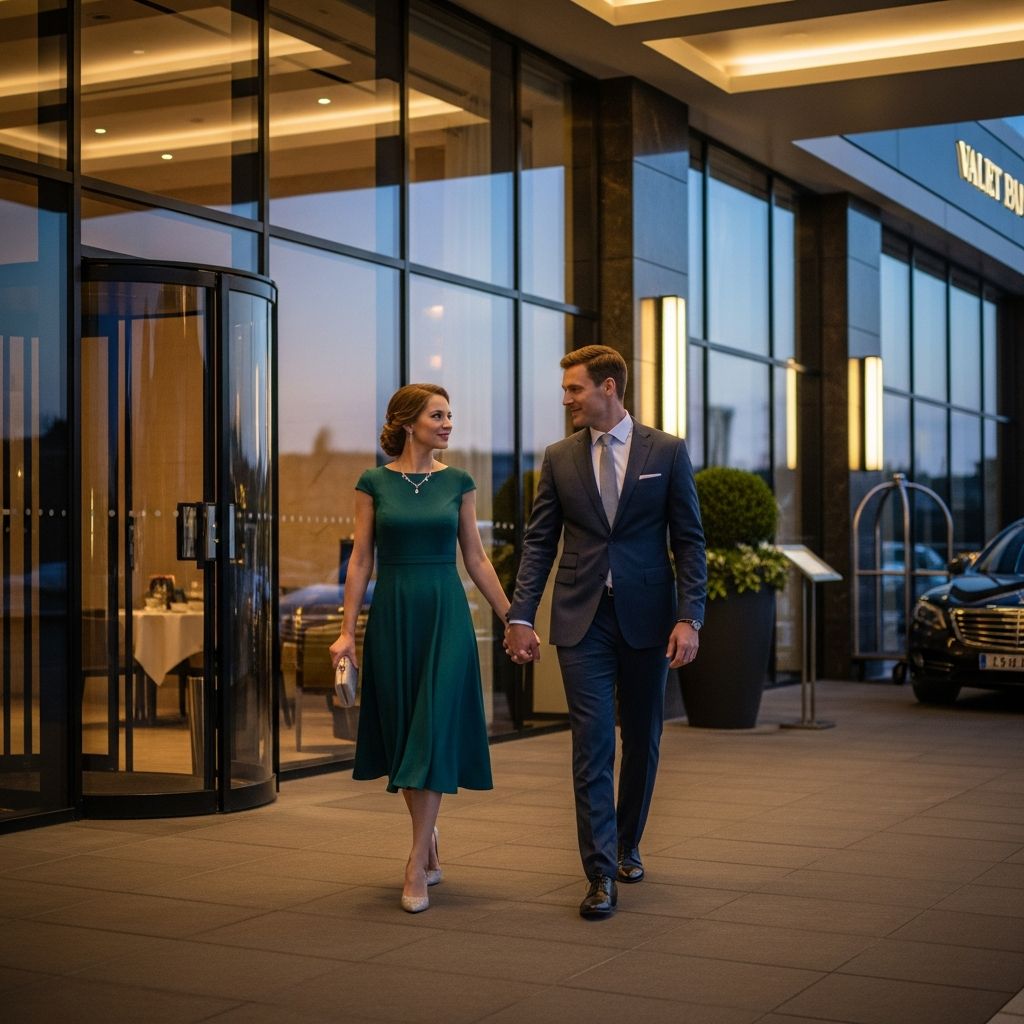
Opening night at a fine dining restaurant is part culinary event, part fashion moment. You are not just going to eat; you are stepping into photos, first impressions, and an atmosphere the owners have spent months carefully designing. Dressing well shows respect for that effort while giving you the chance to enjoy the evening feeling put-together and confident.
Start With the Restaurant’s Vibe
Before choosing an outfit, think about the type of restaurant you are attending. A white-tablecloth tasting room inside a luxury hotel calls for a different approach than a trendy rooftop spot with a DJ and craft cocktails. The goal is not to outshine the decor but to complement it.
- Check the website and invitation: Look for keywords like “smart casual,” “cocktail,” “business casual,” or “formal” in the event details or reservation confirmation.
- Scan photos on social media: The restaurant’s posts and tagged photos are often the best real-world guide to how dressed up people get there.
- Notice location and time: A downtown evening opening typically leans more polished than a daytime debut in a beach town or a casual neighborhood.
If dress code information is unclear, it is usually safer to dress one step more elevated than you think you might need. You can always tone things down with simpler accessories, but it is difficult to fix being underdressed once you are seated.
Understanding Common Dress Codes
New restaurants often avoid long lists of rules, but they do rely on familiar dress code labels. Knowing what each one implies helps you build an outfit that looks intentional instead of improvised.
| Dress Code | What It Means | Typical Outfit Elements |
|---|---|---|
| Smart Casual | Relaxed but polished; no activewear, worn-out denim, or flip-flops. | Dark jeans or tailored pants, neat top or blouse, stylish flats or low heels, leather sneakers with clean lines. |
| Business Casual | Office-appropriate with personality; sharper than everyday casual. | Blazer or structured jacket, chinos or tailored trousers, midi dresses, loafers, ankle boots, or simple heels. |
| Cocktail | Evening-leaning, festive, and more dressy than office wear. | Cocktail dresses, dressy jumpsuits, sleek separates, dress shoes, heeled sandals, clutch bags, statement jewelry. |
| Formal / Jacket Required | Classic evening elegance; structured and refined. | Suit or dressy separates with a jacket, dress shirts, elegant dresses, heeled pumps, polished leather shoes. |
When your invitation lists no dress code at all, treat a high-end restaurant opening as at least business casual and lean toward cocktail if the space looks dramatic, dimly lit, or design-driven.
Outfit Ideas for a Chic Opening Night
You do not need a brand-new wardrobe to look right for an opening. Focus on combinations that feel timeless, flattering, and slightly elevated. Build your look around one or two strong pieces and keep the rest supporting rather than competing.
Polished Looks for Women and Femme Presenting Guests
- Minimalist midi moment: A clean-lined midi dress in a solid color, simple earrings, a structured mini bag, and block heels. This works nearly anywhere and photographs beautifully.
- Jumpsuit as power piece: A tailored jumpsuit with a defined waist, heeled sandals, and a sleek belt. Add a blazer if the restaurant leans more formal or the weather is cool.
- Elevated separates: A silky blouse tucked into high-waisted trousers or a midi skirt, finished with pointed-toe flats or low heels. This option is ideal if you want to reuse pieces for work and events.
- Subtle sparkle: If the restaurant has a lively, nightlife feel, choose one shimmer element—metallic shoes, a beaded clutch, or a sequined camisole—balanced with neutral basics.
Refined Looks for Men and Masc Presenting Guests
- Soft-tailored suit: A slim or relaxed-fit suit in navy, charcoal, or deep green with a crisp shirt or fine-gauge knit. Skip the tie for smart casual, add one for more formal spaces.
- Blazer and trousers combo: A sport coat or blazer with tailored chinos or dress pants, a collared shirt or refined polo, and clean leather shoes.
- Smart knitwear: For cooler evenings, a merino or cotton crewneck over a button-down with tapered trousers and loafers gives a quietly sophisticated effect.
- Understated pattern play: If you enjoy prints, keep them limited to one element—perhaps a patterned shirt or pocket square—and let neutrals dominate the rest.
Choosing Colors, Fabrics, and Fit
The right color and fabric can instantly push an outfit toward “special event” status without feeling like costume. Focus on materials that drape well, breathe, and look good in both soft lighting and flash photography.
- Color palette: Deep neutrals like black, navy, espresso, and charcoal always look refined, while jewel tones such as emerald, sapphire, or burgundy give evening energy without being loud.
- Fabrics that read luxe: Choose silk, satin, crepe, fine wool, linen blends, or high-quality cotton. Avoid anything overly wrinkled, clingy, or sheer unless it is intentionally styled with good underpinnings.
- Fit first: An inexpensive dress that fits properly will outshine an expensive one that pulls, gapes, or sags. Tailoring your go-to pieces is one of the fastest ways to look “expensive” without overspending.
When in doubt, aim for smooth lines and gentle structure. Clothes that skim rather than squeeze the body will let you move around the dining room and enjoy your meal with ease.
Shoes That Look Elegant and Survive the Evening
Restaurant openings often involve more standing and mingling than a regular dinner. You may be at the bar, touring the space, or stopping for photos before you ever see a menu. Your shoes need to balance style and practicality.
- Prioritize walkability: Choose heels you have worn comfortably before, or opt for block heels, wedges, chic flats, or sleek loafers.
- Mind the setting: If the path includes cobblestones, stairs, or outdoor terraces, very thin stilettos become instantly less appealing.
- Think about length: Pair long hems only with shoes that prevent tripping. Have someone check your outfit from the side to make sure nothing drags.
- Condition and cleanliness: Even simple shoes look intentional when they are polished, scuff-free, and in good repair.
If you tend to get sore feet, slipping cushioned inserts into your shoes beforehand can mean the difference between leaving on time and ducking out early.
Accessories, Bags, and Outerwear
Details can transform a basic outfit into something opening-night worthy. The key is to enhance, not overwhelm. You want your accessories to look curated rather than piled on.
- Jewelry strategy: Choose either a statement piece (like bold earrings or a cuff) or a small cluster of delicate items. Avoid anything so noisy it clinks through the dining room.
- Bags that fit the room: A small shoulder bag or clutch is ideal. Large totes and backpacks feel out of place and can be awkward to stash under the table.
- Layering piece: A tailored coat, trench, or blazer instantly sharpens your look when you arrive and exit. Make sure it complements your outfit rather than feeling like an afterthought.
- Belt and watch: For a more tailored look, a quality belt and simple watch add structure and polish without drawing much attention.
Remember that your outerwear and bag are often the first items people see when you walk in. Treat them as part of your outfit, not just something functional.
Grooming and Beauty for a Refined Finish
Fine dining lighting is usually soft and flattering, so your grooming can be equally understated. The best approach is to look like a slightly more polished version of your usual self instead of creating a look you do not recognize.
- Hair: Aim for styles that hold up over several hours of sitting, turning, and possibly going outside. Sleek ponytails, soft waves, buns, and well-groomed short cuts work particularly well.
- Makeup: Build your look around one feature—a bold lip, defined eyes, or luminous skin—rather than attempting everything at once.
- Fragrance: Keep scent subtle. The food should remain the star of the evening, and heavy perfume can overwhelm neighboring tables.
- Hands and nails: Since menus, glasses, and cutlery draw attention to your hands, clean nails and moisturized skin contribute more than dramatic polish colors.
Having a small touch-up kit—lip color, blotting papers, and a travel-size hair product—can help you refresh after a commute or before photos.
Comfort Without Losing Style
An outfit can look amazing in the mirror and still fail in real life if it pinches, rides up, or makes it hard to sit. Because restaurant openings often stretch across several hours, comfort is not a luxury; it is a necessity.
- Test your outfit at home: Sit, stand, reach, and walk around. If you are tugging constantly, adjust your choice before the event.
- Choose breathable layers: Dining rooms can run warm, especially on opening night. Light layers you can remove, like a blazer or shawl, keep you from overheating.
- Consider the meal: A slightly looser waistline or fabrics with a bit of stretch will help you enjoy multiple courses without discomfort.
- Bring a backup element: If possible, keep a flat pair of shoes or an extra layer in your car or bag for the journey home.
Truly elegant style looks effortless, and it is almost impossible to project ease if your outfit is working against you.
What Not to Wear to a Fancy Opening
Every restaurant has its own policies, but some items generally feel out of step with a grand opening. Avoiding these helps you blend into the elevated atmosphere and shows courtesy to the hosts.
- Overly casual pieces like athletic shorts, gym leggings, flip-flops, or logo-heavy T-shirts.
- Damaged or distressed clothing, including ripped jeans, frayed hems, and obviously worn-out shoes.
- Overly revealing outfits that may make you self-conscious when seated or walking through a bright lobby.
- Flashy items that upstage the setting, such as enormous hats, costume-y accessories, or pieces that obstruct other diners’ sightlines.
- Strongly sloganed or controversial clothing that distracts from the celebratory nature of the event.
Think of your outfit as part of the shared environment. When in doubt, choose pieces that feel tasteful, neat, and quietly confident rather than loud or attention-seeking.
Quick Outfit Formulas You Can Copy
For last-minute invitations or nights when decision fatigue hits, it helps to have ready-made formulas to lean on. Use these as starting points and customize colors and accessories to fit your style.
- Smart casual formula: Dark jeans, refined knit top or button-down, ankle boots or clean leather sneakers, tailored coat, small crossbody bag.
- Business casual formula: Tailored trousers, silky blouse or crisp shirt, blazer, loafers or low heels, minimalist jewelry.
- Cocktail formula: Knee-length or midi dress, heeled sandals or pumps, clutch, statement earrings, light wrap or shawl.
- Formal formula: Suit or structured dress, dress shoes, belt, watch, discreet jewelry, polished long coat.
Once you find a formula that works for your body, lifestyle, and taste, repeat it in different colors and textures for future openings and special dinners.
FAQs: Dressing for Fine Dining Openings
Is it better to be overdressed or underdressed?
At a fancy restaurant opening, slightly overdressed usually feels more appropriate than slightly underdressed. You are attending a milestone event for the owners and staff, and leaning dressy shows appreciation for the occasion without doing anything extravagant.
Can I wear jeans to a high-end restaurant opening?
High-quality, dark, non-distressed jeans can work in more relaxed or modern venues when paired with elevated pieces like a blazer, elegant shoes, and a refined top. However, for very upscale or traditional openings, tailored trousers or a dress are safer choices.
Do I need to wear a tie?
A tie is rarely mandatory unless the invitation or restaurant explicitly specifies a formal or “jacket and tie” dress code. If you are unsure, you can bring a tie and decide once you see the atmosphere; it is easy to put on but harder to conjure one if you did not bring it.
What should I wear if I am going straight from work?
Plan an office outfit that can be upgraded with small tweaks. Swap your work shoes for dressier ones, add a bold lip color or statement earrings, change into a more evening-appropriate shirt, or slip on a blazer kept at your desk or in your car.
How do I dress if I am unsure of my group’s style?
When attending in a group, aim for a versatile outfit that sits comfortably between smart casual and cocktail. Neutral colors, clean lines, and polished shoes work well whether your companions skew more casual or more formal.
Final Styling Checklist Before You Leave
Right before heading out the door, a quick check adds peace of mind. Take thirty seconds to ensure every element works together and nothing obvious has been missed.
- Clothing free of stains, wrinkles, loose threads, or visible tags.
- Shoes cleaned and comfortable enough for several hours of standing and walking.
- Bag stocked with essentials: ID, payment method, phone, keys, touch-up items.
- Weather-appropriate outerwear that matches the tone of your outfit.
- One last look in good lighting to confirm you feel like yourself, only a bit more elevated.
Once you feel prepared, the only thing left is to enjoy the evening—take in the design, appreciate the food, and soak up the energy of experiencing a new place for the very first time.