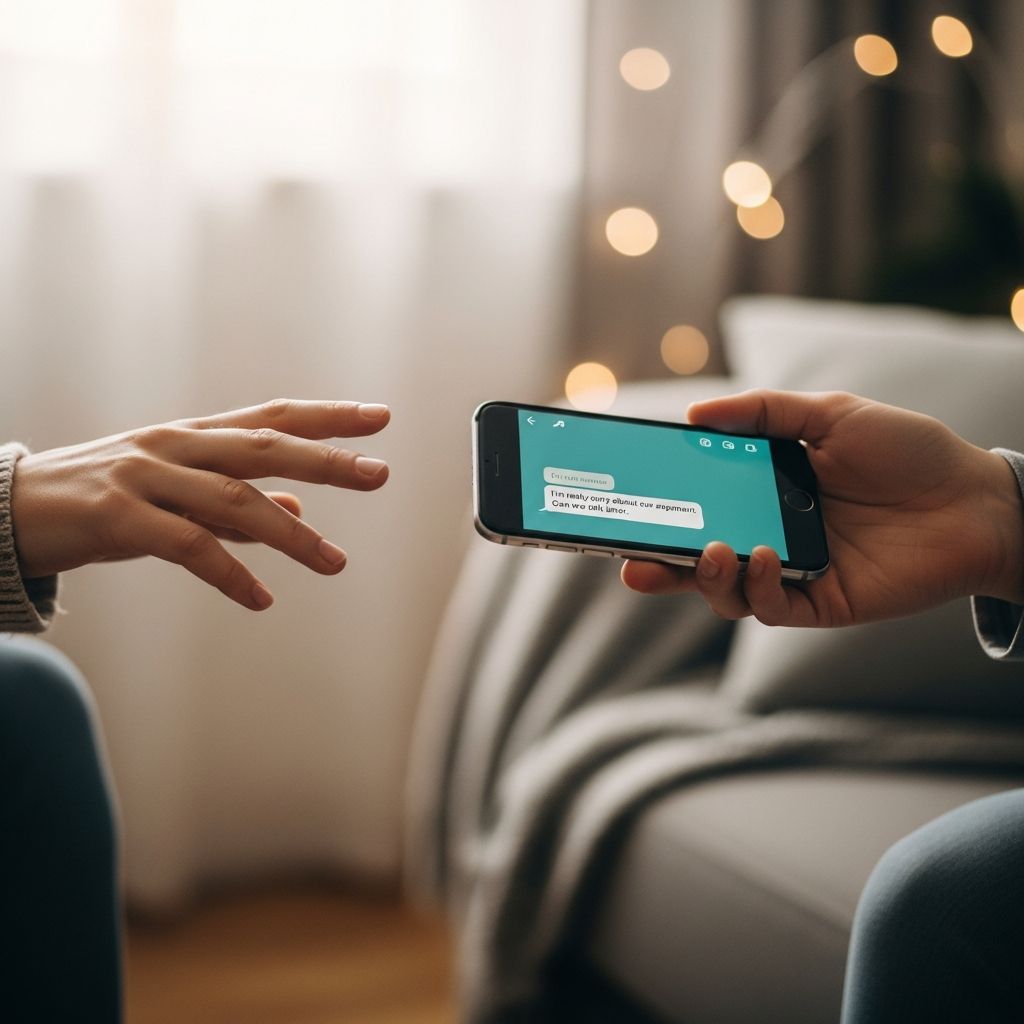
Conflicts in relationships are inevitable, but how you reconnect afterward can define the strength of your bond. Sending the right text after a heated argument can de-escalate tension, show vulnerability, and pave the way for deeper understanding. This guide explores tailored messaging strategies drawn from therapeutic insights on attachment styles, active listening, and conflict resolution, helping couples navigate emotional aftermaths effectively.
Understanding Emotional Dynamics Post-Conflict
After a big fight, partners often experience clashing needs: one craves immediate reassurance while the other seeks solitude to process. This stems from attachment styles—secure, anxious, avoidant, or disorganized—which influence reactions during disputes. Anxious individuals may flood with messages seeking validation, while avoidant ones withdraw to regain composure, potentially exacerbating feelings of rejection. Recognizing these patterns fosters empathy and prevents escalation.
Effective recovery begins with self-awareness. Reflect on your triggers and your partner’s: Did past experiences amplify the argument? High-quality communication post-fight involves validating emotions without judgment, using ‘I’ statements to express feelings, and allowing space when needed. Research from couples therapy emphasizes that mutual respect for these differences builds emotional safety, turning conflicts into growth opportunities.
Timing Your First Message: When and Why It Matters
The initial text sets the tone—rushed outreach can overwhelm, while prolonged silence breeds resentment. Therapists recommend a 10-15 minute timeout for cooling off, extending if emotions run high. Gauge readiness by past patterns: if your partner needs space, signal your intent without pressure.
- Assess emotional temperature: Wait until you’re calm to avoid reactive language.
- Respect individual processing speeds: Anxious partners benefit from quick check-ins; avoidants from delayed, thoughtful notes.
- Set a reconnection timeline: Propose a specific time to talk, reducing uncertainty.
This approach aligns with conflict resolution strategies that prioritize de-escalation through structured pauses, ensuring discussions resume productively.
Messages for Granting and Requesting Space
Space isn’t avoidance—it’s a vital reset. Texts that honor this need demonstrate maturity and care.
“Hey, I know we both need a moment to breathe. Let’s touch base tomorrow morning? I care about us.”
Such messages acknowledge the pause while reaffirming commitment. Conversely, if you need space:
“I’m feeling overwhelmed and need some time to sort my thoughts. Can we talk in a few hours? Love you.”
These validate mutual needs, mirroring techniques like timeouts in therapy, which reduce defensiveness and promote clearer dialogue later. For partners with mismatched styles, explicitly naming the need prevents misinterpretation.
Apology Texts: Owning Your Part Authentically
A sincere apology heals wounds by owning impact without excuses. Avoid ‘I’m sorry you feel that way’—it shifts blame. Instead, structure it: acknowledge harm, express regret, commit to change.
| Type of Apology | Example Text | Why It Works |
|---|---|---|
| Direct Ownership | “I was wrong to raise my voice earlier. It hurt you, and I’m truly sorry.” | Focuses on behavior and impact, inviting forgiveness. |
| With Commitment | “I’m sorry for dismissing your feelings. I’ll listen better next time.” | Shows actionable change, rebuilding trust. |
| Vulnerable Reflection | “My reaction came from my stress, not you. Sorry for taking it out on you.” | Shares context without justifying, fostering empathy. |
Genuine apologies, per relationship experts, accelerate reconciliation when followed by consistent behavior.
Reassurance Messages to Rebuild Security
Post-fight, insecurity lingers. Reassuring texts remind partners of the bigger picture, countering anxious fears or avoidant doubts.
- “You’re important to me, even when we clash. Can’t wait to hug this out.”
- “This fight doesn’t change how much I value our life together.”
- “I love you through the tough moments. Let’s move forward stronger.”
These employ positive reinforcement, softening tones and reaffirming bonds, as recommended in conflict strategies. Physical cues like suggesting a hug tap into non-verbal reconnection.
Invitations to Deeper Dialogue
Once cooled, transition to understanding. Use open-ended prompts encouraging ‘I’ statements and active listening.
“When you’re ready, I’d love to hear your side. What hurt most for you?”
Or: “I felt unheard—how about you? Let’s unpack this together.” This mirrors structured communication tools where speakers express, listeners reflect, and roles switch, ensuring both feel validated. Avoid blame; focus on shared resolution.
Handling Repeated Arguments: Breaking the Cycle
If fights recur, texts alone suffice not—probe patterns. Suggest: “This keeps coming up. Therapy could help us communicate better?” Couples counseling equips tools like identifying triggers and empathetic honesty, proven to resolve chronic conflicts.
Qualities for effective therapists include experience, empathy, and licensing. Consistent practice of these texts builds habits, transforming arguments into collaborative problem-solving.
Frequently Asked Questions
What if my partner ignores my texts after a fight?
Give space—avoidant styles need time. Follow up once after 24 hours: “Checking in—ready to talk?” If persistent, suggest professional help.
Is texting enough, or should we always call?
Texts suit initial outreach for thoughtfulness; calls deepen connection. Use texts to set up calls.
How soon after a fight should I apologize?
Once calm, ideally within hours. Delay if processing needed, but communicate the timeline.
What if the fight was my fault entirely?
Own it fully: Apologize specifically, without defensiveness. Follow with changed actions.
Can these texts work in long-distance relationships?
Yes—texts bridge gaps effectively. Pair with video calls for non-verbal cues.
Long-Term Strategies for Conflict Resilience
Beyond texts, cultivate habits: daily check-ins, ‘I’ statements in calm times, and gratitude expressions. Track progress in a shared journal. If arguments erode trust, therapy provides neutral ground. These steps, informed by evidence-based methods, ensure fights become rare and resolvable.
Implementing these messaging approaches not only mends immediate rifts but fortifies partnerships against future storms. Practice yields proficiency—your relationship deserves this investment.
References
- 5 Ways to Effectively Communicate After A Fight From A Couples Therapist — Connected Brain Counseling. 2023. https://connectedbraincounseling.com/5-ways-to-effectively-communicate-after-a-fight-from-a-couples-therapist/
- 7 Conflict Resolution Strategies to Strengthen Your Relationships — Kennedy McLean & Associates. 2024. https://www.kennedymclean.com/blog/conflict-resolution-strategies-to-strengthen-relationships
- How Do We Stop Having the Same Fight Over and Over? — Los Angeles Marriage Family Therapist. 2023. https://www.losangelesmftherapist.com/post/how-do-we-stop-having-the-same-fight-over-and-over-making-sense-of-conflict-in-relationships-and-finding-resolution/
- A Step-by-Step Guide To Turn Any Argument Into Effective Communication — Dr. Jessica Higgins. 2023. https://drjessicahiggins.com/effective-communication-tool/
- After the Argument: How to Begin Again — The Gottman Institute. 2022. https://www.gottman.com/blog/after-the-argument-how-to-begin-again/