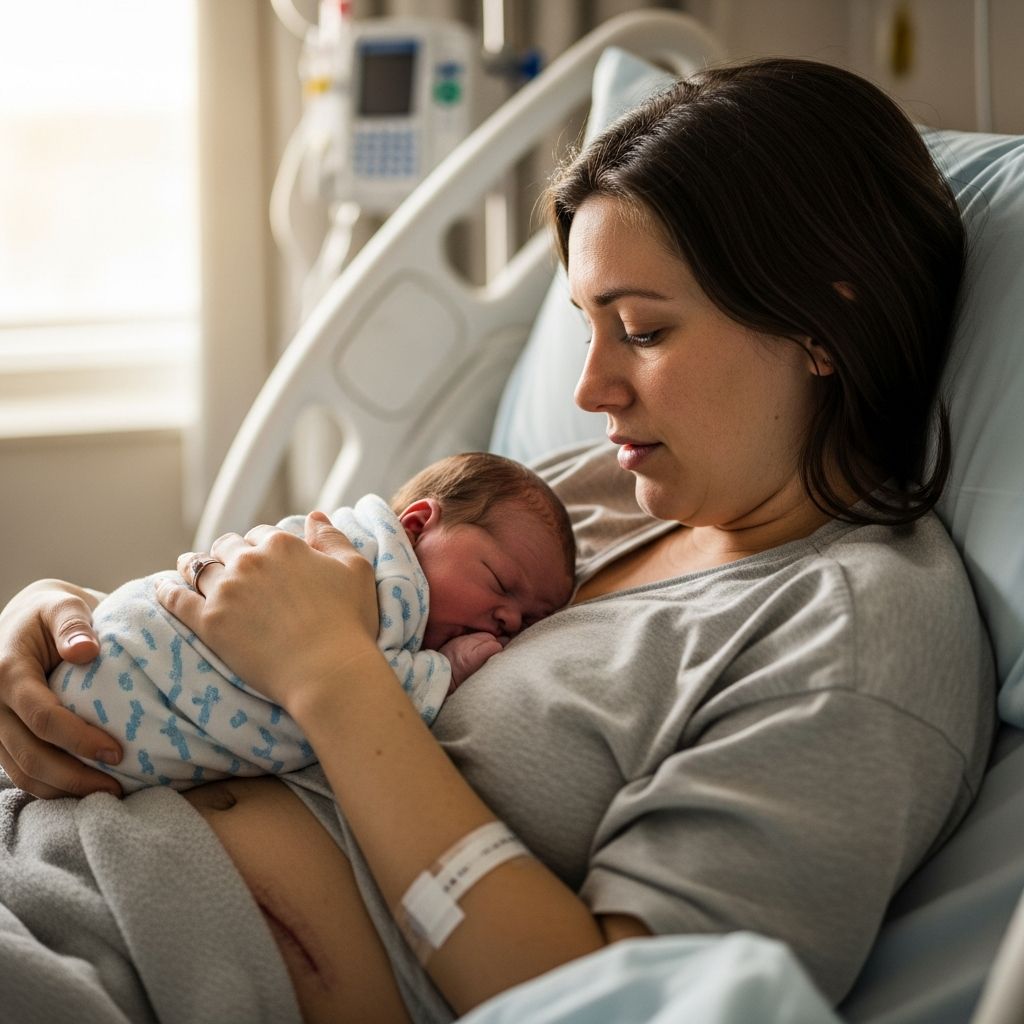
Understanding Cesarean Delivery: Beyond the Standard Medical Explanation
Cesarean delivery, commonly referred to as a C-section, represents a significant surgical intervention in the birthing process. While medical professionals explain the procedural aspects of this surgery, many expectant mothers report feeling unprepared for the nuanced physical sensations, emotional experiences, and recovery challenges that accompany the procedure. The gap between clinical descriptions and the lived reality of cesarean birth often leaves new mothers surprised by aspects they didn’t anticipate. This comprehensive exploration addresses the multifaceted nature of the cesarean experience, providing valuable insights for those preparing for this type of delivery.
The Sensory Experience During Surgery: What You Actually Feel
One of the most striking surprises for cesarean patients involves the sensory experiences during the procedure itself. Despite receiving regional anesthesia—typically spinal or epidural—mothers remain conscious and aware during the surgery. This consciousness, however, comes with distinct sensory limitations and unexpected sensations.
The anesthesia prevents pain perception but allows for other tactile sensations to persist. During the initial stages of surgery, some mothers describe feeling pressure, movement, and vibrations without any accompanying pain. This disconnect between physical sensation and absence of pain can feel unusual and sometimes unsettling. Medical professionals manipulate tissue and work with internal organs, and while these actions produce no pain, the awareness of activity within one’s body remains present. The gentle tugging sensations, the feeling of hands moving across the surgical area, and the sound of medical instruments can create a surreal experience that contrasts sharply with expectations of complete numbness.
Additionally, the operating room environment contributes to the sensory experience. The temperature in surgical suites is intentionally kept cool for infection control and to facilitate anesthesia management. This coldness often surprises mothers, who may experience significant shivering throughout the procedure. The involuntary shaking that accompanies this temperature sensitivity can be intense enough that mothers struggle to hold their newborns or even maintain grip on their partner’s hand. Warm blankets become not merely comforting but profoundly necessary during and immediately following surgery.
Neurological Changes and Recovery: The Numbness That Lingers
A frequently unexpected consequence of cesarean delivery involves persistent numbness and altered sensation around the surgical incision. During the surgical procedure, medical personnel necessarily cut through multiple layers of tissue, including the nerves that provide sensation to the skin and surrounding area. This nerve disruption results in a zone of decreased or absent sensation that extends several inches beyond the actual incision site.
For many mothers, this numbness represents a source of significant concern during early recovery. The sensation loss can feel abnormal and may trigger worry about surgical complications, even though the numbness constitutes a normal neurological response to surgical trauma. The affected area may feel tingly, itchy, or completely devoid of feeling. Some describe it as touching someone else’s skin rather than their own. This altered sensation typically persists for months, with gradual improvement over time as nerves regenerate and neural pathways re-establish themselves. Understanding that this phenomenon is expected rather than indicative of problems helps mothers manage their emotional response to these unusual sensations.
Involuntary Physical Responses: The Unexpected Shaking
Beyond the environmental cold that triggers shivers, many mothers experience uncontrollable shaking during and after cesarean delivery that feels disconnected from temperature. This involuntary tremoring can be surprisingly intense and distressing. The body’s response to surgical trauma, combined with hormonal shifts, medication effects, and the physical stress of surgery, creates conditions for pronounced shaking episodes.
The severity of this shaking often catches mothers unprepared, particularly when it prevents them from performing expected tasks like holding their newborn during immediate post-operative moments. The lack of voluntary control over these muscle contractions can feel frightening or out of body. Medical staff typically reassures mothers that this response is a normal part of the body’s post-surgical reaction. The shaking gradually subsides as the body stabilizes, medication effects wear off, and core temperature normalizes. Awareness of this likely response helps mothers recognize it as a temporary physiological process rather than a sign of medical distress.
The Role of Anesthesia: Catheter Placement and Management
Spinal and epidural anesthesia enable painless surgery but create temporary immobility that necessitates catheter placement. Most mothers remain unaware that a urinary catheter will be inserted during their procedure, often learning about this only when post-operative care begins. The catheter prevents bladder complications during the period when mothers cannot walk or feel the urge to urinate.
While insertion typically occurs without sensation due to active anesthesia, catheter removal presents a different experience. As anesthesia wears off and sensation returns to the lower body, removal can produce surprising discomfort. Additionally, mothers may feel self-conscious about the presence of this medical device and the associated care requirements. Understanding beforehand that catheter placement represents standard protocol for cesarean anesthesia management helps normalize the experience and reduces surprise or embarrassment when this aspect of care occurs.
Partner Presence and Support: Navigating Hospital Policies
Hospital protocols regarding partner presence during cesarean delivery vary considerably, creating inconsistency in the support available to laboring mothers. Some facilities permit partners to remain present throughout the procedure, providing emotional support and facilitating immediate bonding with the newborn. Other hospitals maintain policies restricting partner access during surgery, reuniting families only after the mother transfers to recovery.
Mothers who experience restricted partner access often report heightened anxiety and feel surprised by the isolation during such a vulnerable moment. Facing major surgery without familiar emotional support can intensify fear and create a sense of vulnerability. The disconnect between assumptions and actual hospital policy frequently catches expectant couples unprepared. Discussing partner presence policies during prenatal appointments and confirming specific facility guidelines ensures that mothers can mentally prepare for the actual experience they will encounter, whether supported by their partner throughout or managing the procedure independently with medical staff.
Immediate Post-Operative Challenges: Recovery Begins Quickly
Recovery from cesarean delivery begins immediately, with mothers transitioning rapidly from surgical patient to postpartum recovery to new mother. The intensity and speed of this transition often surprises those unprepared for the physical demands of early recovery.
Within hours of surgery, mothers typically receive instructions to attempt movement despite significant pain and limitation. Getting out of bed requires a careful choreography: clutching pillows against the abdomen to stabilize the incision, maneuvering to a sitting position, swinging legs over the bed edge, and slowly rising to standing while managing both pain and the temporary weakness characteristic of post-operative states. This process feels far more challenging than anticipated, and what medical staff describe as routine mobility often feels impossible to mothers experiencing it.
Additionally, mothers must manage caring for a newborn during their own recovery. This dual responsibility—healing from major surgery while meeting an infant’s constant needs—creates physical and emotional strain that many underestimate during pregnancy. The lack of rest opportunity combined with postoperative pain management creates an exhausting early postpartum period that contrasts with expectations of a peaceful bonding time.
Infection Concerns and Wound Management
Proper incision care becomes essential during recovery, and mothers often receive more extensive wound care instructions than anticipated. Regular cleaning, dressing changes, and monitoring for infection signs occupy significant mental and physical energy during early recovery. Signs of infection—including increased redness, warmth, drainage, or separation of incision edges—warrant immediate medical attention, creating ongoing vigilance requirements.
The visibility of the healing incision can trigger emotional responses ranging from shock to anxiety. Seeing the surgical site, understanding the extent of tissue trauma, and recognizing that healing will take weeks creates a visceral awareness of the surgery’s significance. Mothers may feel surprised by their emotional response to wound care and healing progress, particularly if they expected more straightforward recovery.
Pain Management and Daily Activities: The Surprising Limitations
Cesarean delivery involves significant tissue trauma, and the resulting pain extends far beyond the incision site. Mothers frequently report surprise at the widespread discomfort affecting their abdomen, back, and entire torso. Additionally, specific activities produce unexpected pain levels.
Laughing causes sharp incision-related pain as abdominal muscles contract. Coughing or sneezing produces similar intense sensations that make mothers wince or cry out in pain. These involuntary movements suddenly carry consequences that weren’t present before surgery. Getting comfortable in bed requires multiple pillows, positioning adjustments, and often remains elusive. The inability to find a comfortable sleeping position during recovery frustrates mothers accustomed to flexible positioning. These daily activity limitations often extend longer than anticipated, with some mothers finding that normal movement remains challenging for weeks.
Emotional Processing and Birth Experience Integration
The emotional and psychological dimensions of cesarean delivery often receive less attention than physical aspects, yet they significantly impact the postpartum experience. Mothers may experience surprise at their emotional response to the surgical birth, particularly if they held different birth expectations.
Emergency cesarean delivery, in particular, can leave mothers feeling unprepared and emotionally unsettled. Rapid transitions from labor or complications that necessitate immediate surgery create shock and disorientation. Some mothers report feeling they didn’t truly experience birth when the delivery occurred via surgery rather than vaginal labor. These feelings don’t reflect inadequacy in their delivery experience but rather represent the natural psychological adjustment to unexpected circumstances.
Additionally, the medical environment and provider interactions significantly influence emotional experience. Mothers report appreciating when providers explain procedures, communicate about sensations to expect, and treat them as active participants in their care rather than passive surgical patients. Conversely, experiences involving limited communication, perceived dismissal of concerns, or impersonal medical treatment can leave lasting emotional impacts that extend beyond physical recovery.
Driving and Activity Restrictions: Longer Than Anticipated
Medical restrictions following cesarean delivery often surprise mothers by their duration and strictness. Driving restrictions typically last two to three weeks, preventing mothers from independently managing transportation, grocery shopping, or attending appointments. This limitation extends beyond the immediate postoperative period and significantly impacts autonomy.
Heavy lifting restrictions—typically anything heavier than an infant—prevent mothers from managing household tasks, caring for older children in ways they might have previously, or performing activities that feel manageable when considering pain levels but violate medical guidelines. The discrepancy between feeling capable and being medically restricted creates frustration and requires adjustment of expectations regarding early postpartum functioning.
Breastfeeding Positioning and Comfort Challenges
Mothers planning to breastfeed frequently encounter unexpected challenges related to incision placement and healing. The typical positions for breastfeeding can cause direct pressure on or pulling of the incision, creating significant discomfort. Developing alternative positioning strategies takes experimentation, support from lactation consultants, and patience as mothers navigate both surgical recovery and breastfeeding establishment.
This challenge combines two physiologically demanding processes—surgical recovery and milk production—creating a more complex postpartum period than many mothers anticipate. Access to lactation support specifically trained in addressing post-cesarean breastfeeding challenges proves invaluable in overcoming these obstacles.
Long-Term Considerations and Scar Development
Beyond immediate recovery, the cesarean incision leaves a permanent scar that undergoes an extended healing and remodeling process. The scar’s appearance, texture, and the associated tissue changes surprise some mothers with their visibility or persistence. Scar tissue can feel thick, numb, or tender for months or even years following delivery.
For future pregnancies, prior cesarean delivery creates additional considerations regarding vaginal birth after cesarean (VBAC) attempts or planned repeat cesarean delivery. Understanding these implications helps mothers make informed decisions about family planning and future births.
Essential Information Summary
- Sensory awareness persists during cesarean surgery despite pain relief, with pressure and movement sensations remaining present
- Numbness extends beyond the incision for several inches and typically lasts months as nerves regenerate
- Involuntary shaking occurs due to temperature, medication effects, and surgical trauma—a normal response requiring warm blankets and reassurance
- Catheter placement and removal represent standard protocol with insertion being painless but removal potentially uncomfortable as sensation returns
- Partner presence policies vary between facilities, affecting emotional support during and immediately after surgery
- Early mobility requirements begin within hours despite significant pain and require careful movement techniques
- Pain extends beyond the incision to the entire abdominal area, limiting laughing, coughing, and sneezing
- Activity restrictions last longer than anticipated, affecting driving, lifting, and normal daily activities for weeks
- Emotional processing varies based on delivery circumstances, provider communication, and individual expectations
- Scar development continues long-term, with appearance and sensation changes extending beyond initial recovery
Frequently Asked Questions About Cesarean Delivery
Will I feel pain during a cesarean delivery?
No, regional anesthesia prevents pain sensation during surgery. However, you will feel pressure, movement, and vibrations without pain, which can feel unusual or surprising.
How long does the numbness around the incision last?
Numbness typically persists for several months as nerves regenerate and heal. Complete sensation return may take up to one year in some cases, though most improvement occurs within the first few months.
Is the uncontrollable shaking during surgery dangerous?
No, shaking during and after cesarean delivery represents a normal physiological response to surgery, anesthesia, and temperature changes. It subsides as the body stabilizes.
When can I resume normal activities after a cesarean?
Physical activity restrictions typically last four to six weeks, with gradual progression. Driving restrictions usually last two to three weeks, and heavy lifting restrictions extend longer depending on healing progress.
Can I breastfeed after a cesarean delivery?
Yes, breastfeeding is possible after cesarean delivery, though positioning requires adjustment to avoid pressure on the incision. Support from lactation consultants helps address specific challenges.
Will my partner be present during the cesarean surgery?
Partner presence policies vary significantly between hospitals. Confirm your specific facility’s policy during prenatal appointments to plan accordingly.
References
- What Surprised You Most About Cesarean: Women Share Their Stories — Lamaze International. 2024. https://lamaze.org/Giving-Birth-with-Confidence/GBWC-Post/what-surprised-you-most-about-cesarean-women-share-their-stories
- C-Sections: What I Wish I Knew Before Giving Birth — Business Insider. November 2021. https://www.businessinsider.com/c-section-things-i-wished-i-knew-before-birth-2021-11
- 16 Things You Should Know About Having a C-Section — MadeForMums. 2024. https://www.madeformums.com/pregnancy/16-things-you-should-know-about-having-a-c-section/
- 9 Things That Surprised Me About Having a C-Section — Magpie by Jen Shoop. 2024. https://magpiebyjenshoop.com/9-things-that-surprised-me-about-having-a-c-section/
- 10 Things Nobody Tells You About Having a C-Section — C-Section UK. 2024. https://csectionuk.com/blog/things-nobody-tells-you-about-having-a-c-section-birth
- 8 Things I Didn’t Know About C-Sections Until I Had One — Today’s Parent. 2024. https://www.todaysparent.com/pregnancy/giving-birth/things-i-didnt-know-about-c-sections-until-i-had-one/
- 10 Things That Surprised Me About My Planned C-Section — Live Learn Lauren. 2024. https://livelearnlauren.substack.com/p/10-things-that-surprised-me-about