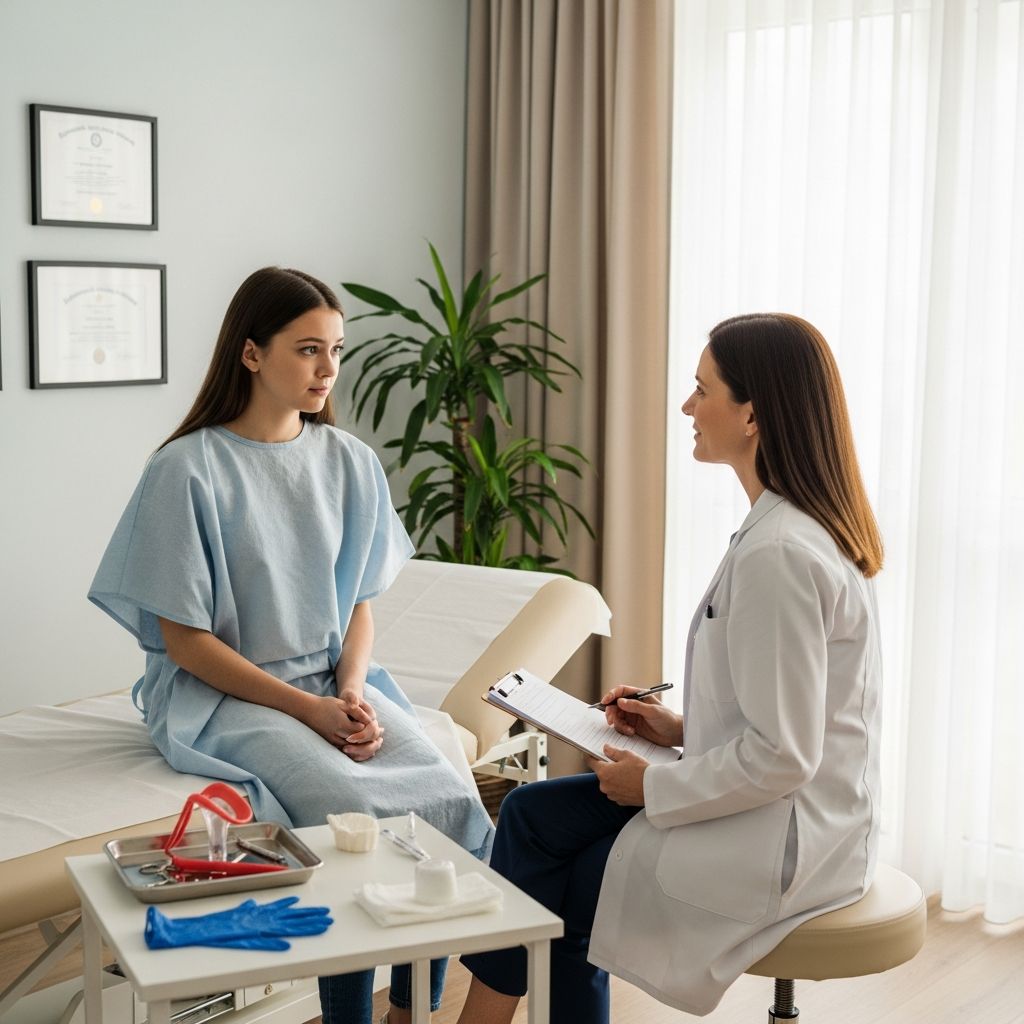
The initial gynecological examination marks a significant milestone in a young girl’s journey toward adulthood, focusing on reproductive health education, baseline assessments, and preventive care. Typically recommended between ages 13 and 15, this visit establishes a foundation for ongoing wellness without invasive procedures unless medically necessary.
Why Schedule the Initial Visit Now?
Puberty brings profound physical changes, including the onset of menstruation, breast development, and hormonal shifts that can lead to questions or concerns about vaginal discharge, irregular periods, or acne. The first checkup provides an opportunity for teens to discuss these with a healthcare professional in a supportive environment, normalizing conversations about body changes and fostering body positivity.
Healthcare organizations emphasize early visits to screen for conditions like polycystic ovary syndrome (PCOS), anemia from heavy periods, or infections that might otherwise go unnoticed. Parents play a crucial role in encouraging this step, helping teens feel prepared rather than anxious.
- Addresses puberty-related symptoms early.
- Builds comfort with medical discussions on sensitive topics.
- Establishes a health baseline for future comparisons.
Ideal Timing and Frequency
Most guidelines suggest the first exam around age 13, coinciding with the start of menstruation or high school entry, though it can occur earlier if issues like persistent discharge or pelvic pain arise. Annual follow-ups are common thereafter, aligning with routine adolescent checkups.
For younger children, exams are rare and tailored to specific symptoms, such as vulvovaginitis or suspected foreign bodies, using non-invasive techniques suited to prepubertal anatomy.
| Age Group | Recommended Visit Trigger | Focus Areas |
|---|---|---|
| Pre-13 | Symptoms like discharge or pain | External inspection, infection check |
| 13-15 | First routine visit | Education, external exam, history |
| 16+ | Annual or as needed | Pap smears if sexually active |
Preparation Steps for Parents and Teens
Preparation reduces anxiety significantly. Parents should discuss the visit casually at home, explaining it’s like a regular doctor’s appointment but focused on ‘girl parts’ health. Encourage teens to jot down questions about periods, hygiene, or family history of conditions like endometriosis.
Practical tips include wearing comfortable clothing, avoiding douches or sprays beforehand, and scheduling during a non-menstrual time if possible. Bringing a trusted adult or friend can provide emotional support, and some clinics allow parental choice on presence during the exam.
- Review family medical history together.
- Practice deep breathing for relaxation.
- Choose a female provider if preferred for comfort.
The Consultation: Talking About Health History
The appointment begins with a private conversation between the teen, parent, and provider. Topics cover menstrual patterns (first period age, cycle length, pain levels), sexual activity (if any), contraception interests, and lifestyle factors like diet or exercise impacting hormonal balance.
This phase demystifies puberty, answering queries on topics like bra fitting, safe sex, or emotional changes tied to cycles. Providers often use models or diagrams to illustrate anatomy, ensuring understanding without embarrassment.
Step-by-Step: What Happens During the External Assessment
For first-timers, the exam is gentle and external-only. The provider inspects the vulva for irritation, cysts, or hygiene issues while the teen lies in a comfortable frog-leg position or with knees bent.
No speculum or internal touching occurs unless indicated. Breasts are checked for lumps or development symmetry as part of puberty staging—a quick, non-painful palpation.
- Visual check of skin for rashes or adhesions.
- Abdominal palpation for tenderness or masses.
- Optional height/weight to track growth.
Adapting Exams for Younger Children
Prepubertal girls require specialized approaches due to thinner, more sensitive tissues lacking estrogen protection. Exams start with general pediatric checks (heart, lungs, thyroid) before focusing on the perineum.
Positions like parent-held straddling minimize fear, and tools such as moistened swabs avoid pain. Rectal exams may assess for discharge or foreign objects if symptoms persist.
Internal Exams: When and How for Older Teens
Teens post-puberty or sexually active may progress to speculum use for cervical visualization and Pap smears starting at age 21, per guidelines. Lubricated speculums are warmed and inserted gently after thigh touch-test for temperature.
Bimanual palpation follows, with gloved fingers checking uterus, ovaries, and tubes via vaginal and abdominal pressure. A rectal component evaluates deeper structures for nodularity or masses.
Discomfort is brief; deep breaths help. Samples for STIs like chlamydia use narrow swabs if needed.
Common Concerns and Reassurances
Many fear pain or judgment, but providers are trained in empathy, explaining each step aloud. Spotting post-Pap is normal, especially for virgins. No judgment on sexual history—confidentiality protects teens.
For symptoms like itching or odor, cultures guide treatments like antibiotics, avoiding unnecessary interventions.
Post-Visit Care and Follow-Up
Afterward, providers review findings, recommend hygiene (cotton underwear, front-to-back wiping), and suggest tracking apps for cycles. Follow-ups address any tests or lifestyle tweaks.
Benefits for Lifelong Reproductive Health
Early exams catch issues like ovarian cysts or precancerous cells early, promoting habits like HPV vaccination. They empower teens with knowledge on consent, safe practices, and self-advocacy.
Frequently Asked Questions
Is the first exam painful?
No, it’s designed to be comfortable—external only, with no instruments for most first visits. Communication ensures relaxation.
Should parents stay in the room?
It’s the teen’s choice; privacy options exist to build independence while support is available.
What if my teen hasn’t started periods?
That’s common; the visit assesses development and educates on what’s ahead.
Does it include STI testing?
Only if symptoms or history indicate; otherwise, it’s educational.
How often after the first?
Annually or biennially, per guidelines and needs.
References
- Gynecologic examination of the prepubertal girl — Contemporary Pediatrics. 2023-05-01. https://www.contemporarypediatrics.com/view/gynecologic-examination-prepubertal-girl
- Adolescent Gynecological Exam — Eastlake OBGYN. 2024-02-15. https://eastlakeobgyn.com/services-procedures/gynecological-services/adolescent-gynecological-exam/
- Pelvic Exam — Stanford Medicine 25. 2023-11-10. https://med.stanford.edu/stanfordmedicine25/the25/PelvicExam.html
- Gynecology Visit: What to Expect — St. Louis Children’s Hospital. 2024-01-20. https://www.stlouischildrens.org/conditions-treatments/women-infants-center/pediatric-adolescent-gynecology/visiting-what-expect
- Pediatric Gynecology Exam: What to Expect — Children’s Minnesota. 2023-09-05. https://www.childrensmn.org/services/care-specialties-departments/gynecology/what-to-expect/
- Pediatric Gynecology: What to Expect — Cleveland Clinic. 2024-06-12. https://my.clevelandclinic.org/health/articles/24574-pediatric-gynecology