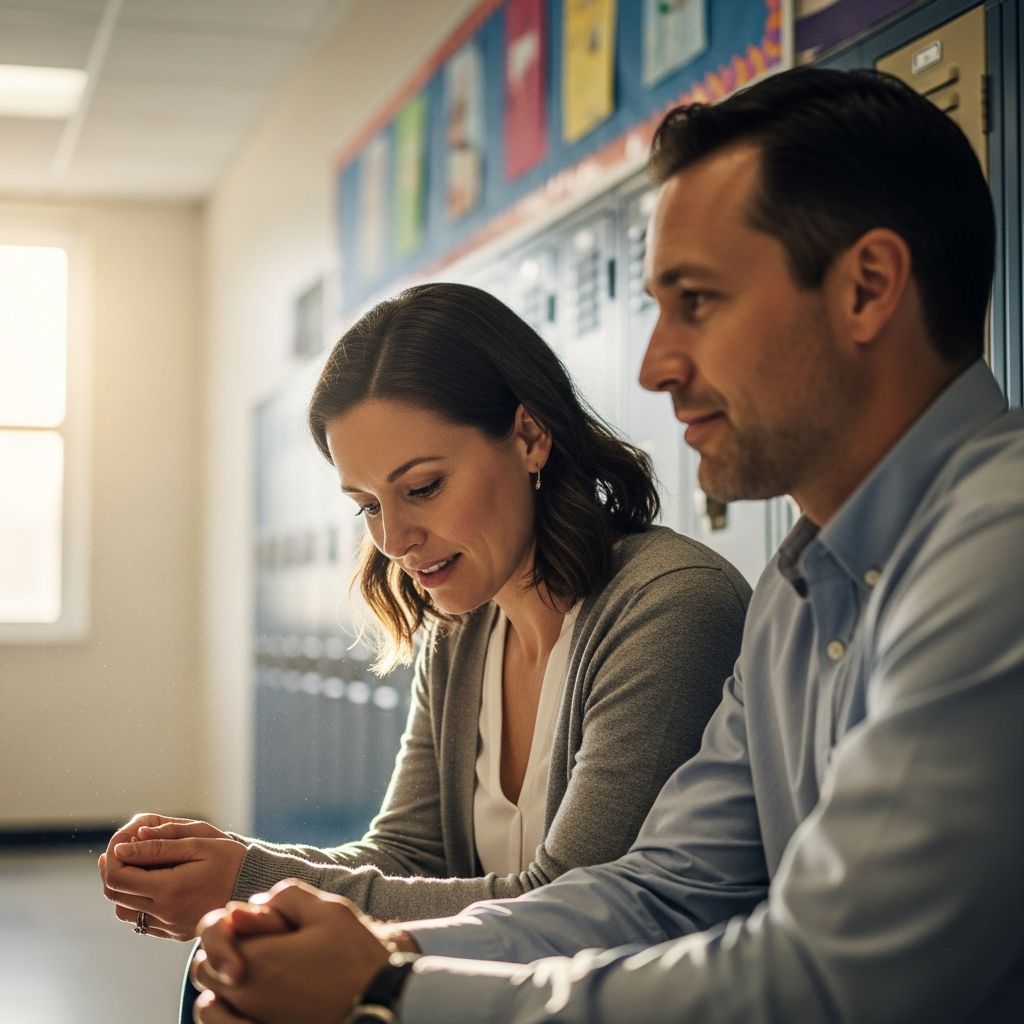
Every school year brings a mix of excitement and uncertainty for families. Parents navigate the delicate balance of entrusting their children to educators while managing home responsibilities. Beneath the surface of polite emails and conference smiles lie deeper sentiments that, if voiced, could bridge gaps and enhance learning environments. This article delves into those hidden perspectives, drawing from common experiences to promote stronger alliances between homes and classrooms.
Building Bridges Through Open Dialogue
Effective communication forms the cornerstone of successful parent-teacher relationships. Parents appreciate educators who initiate contact early, sharing not just academic updates but also glimpses into a child’s daily joys and challenges. Regular check-ins via email or apps allow for proactive discussions, preventing small issues from escalating.
- Share specific observations: Instead of vague concerns, detail behaviors like “Your child thrives during group activities but hesitates in large presentations.”
- Respond promptly: Parents value timely replies, even if brief, to maintain trust.
- Use positive framing: Start conversations with strengths before addressing areas for growth.
According to insights from experienced educators, open lines foster mutual respect and align efforts toward student success.
Understanding Family Dynamics and Realities
Families come in diverse shapes, each with unique routines and stressors. Parents wish teachers recognized that mornings might involve rushed commutes or sibling logistics, not deliberate tardiness. Evening homework battles could stem from exhaustion after extracurriculars or family obligations, not neglect.
| Common Family Challenge | Parent Perspective | Teacher Support Strategy |
|---|---|---|
| Late arrivals | Traffic or multiple drop-offs | Flexible morning work options |
| Incomplete homework | After-school activities or fatigue | Shortened assignments or extensions |
| Emotional outbursts | Home stress spilling over | Quiet space for decompression |
Acknowledging these realities humanizes parents and encourages empathy, leading to tailored support plans.
Navigating Academic Expectations Together
Parents often grapple with setting realistic goals amid societal pressures for top grades. They hope teachers emphasize growth mindsets over perfection, celebrating progress in effort and resilience. Comparisons to peers can undermine confidence, so personalized feedback resonates deeply.
- Focus on individual milestones: Highlight improvements unique to the child.
- Avoid ranking systems: Prioritize descriptive assessments.
- Encourage creativity: Value diverse problem-solving approaches.
Educators note that when parents reinforce these at home, children develop healthier attitudes toward learning.
The Power of Positive Reinforcement at Home
Reinforcing classroom lessons extends education beyond school hours. Parents seek guidance on simple activities—like math games during dinner or reading aloud before bed—that align with curriculum without overwhelming schedules. Teachers who suggest these build confident partners in learning.
Creating dedicated study spaces minimizes distractions, while limiting screen time preserves focus for educational pursuits. Parents value reminders that quality interactions trump quantity, turning everyday moments into teachable ones.
Supporting Classroom Rules and Discipline
Consistency between home and school rules provides children stability. Parents wish to convey their backing of teacher decisions, even if privately questioning them. Public support models respect, influencing a child’s attitude positively.
When infractions occur, parents appreciate context—perhaps a rough morning—before consequences. This collaborative approach teaches accountability without eroding trust. Educators report smoother years when families align on behavioral expectations.
Appreciating the Human Side of Teaching
Teachers pour immense energy into classrooms, often extending beyond paid hours. Parents recognize this and yearn to express gratitude through notes, small gestures, or understanding during high-stress periods like testing seasons. Simple acknowledgments recharge educators, benefiting everyone.
- Handwritten thank-yous detailing impact.
- Volunteer offers for low-pressure tasks.
- Patience with imperfections, as teachers evolve too.
Fostering a Passion for Lifelong Learning
Beyond academics, parents hope teachers ignite curiosity. Sharing passions—science experiments, art projects, or history stories—makes school memorable. At home, this translates to library visits or exploratory play, nurturing independent thinkers.
Encouraging reading from early ages builds vocabulary and empathy. Parents seek book recommendations tied to interests, strengthening the literacy bridge between home and school.
Addressing Emotional and Social Growth
School shapes more than minds; it molds social skills and emotional resilience. Parents wish teachers flagged friendship struggles or anxiety signs early, partnering on solutions like role-playing or counseling referrals. Celebrating kindness alongside achievements rounds out development.
Mindfulness practices, such as brief breathing exercises, help manage big feelings. Parents reinforce these, creating a supportive continuum.
Leveraging Technology Wisely
In digital eras, balanced screen use proves challenging. Parents value teacher input on educational apps versus entertainment, aiming for purposeful integration. Evening device curfews enhance sleep and readiness for learning.
Preparing for Parent-Teacher Conferences
Conferences offer prime opportunities for alignment. Parents prepare by noting strengths, concerns, and home observations. Thoughtful questions like “How can we support math practice?” yield actionable insights. Follow-up solidifies commitments.
Frequently Asked Questions (FAQs)
What should parents prioritize in teacher communications?
Clarity, positivity, and specificity ensure productive exchanges that benefit the child.
How can families support classroom rules at home?
Discuss school expectations daily and model respect for authority figures.
Why is limiting screen time important for school success?
It promotes better focus, sleep, and interpersonal skills essential for learning.
What gestures show teacher appreciation effectively?
Personal notes or small tokens acknowledging specific efforts mean the most.
How do realistic expectations aid child development?
They build resilience and motivation by valuing effort over perfection.
Strengthening Home-School Partnerships
Ultimately, shared goals unite parents and teachers: thriving children. Voicing unspoken thoughts respectfully—through surveys, casual chats, or conferences—dissolves barriers. This synergy propels academic, social, and emotional growth, equipping kids for future challenges.
By embracing these perspectives, families and educators co-create enriching journeys. Thoughtful collaboration turns potential friction into fortified support systems.
References
- 10 Things Teachers Wish Parents Knew During the School Year — Healthy Family Project. 2023-08-15. https://healthyfamilyproject.com/things-teachers-wish-parents-knew/
- Crazy Parent Requests: The Things Teachers Get Asked to Do — YouTube (Teachers Off Duty). 2022-10-12. https://www.youtube.com/watch?v=H5vacsvIo9A
- Unhinged Things Kindergarteners Have Told Their Teachers — YouTube (Teachers Off Duty). 2023-05-20. https://www.youtube.com/watch?v=qCMpyzbyOf8