Properly dressing your baby for sleep is crucial for maintaining a safe temperature, preventing overheating, and aligning with recommended safe sleep practices that reduce the risk of Sudden Infant Death Syndrome (SIDS) and other sleep-related issues. Health authorities emphasize light, breathable clothing without loose items to ensure infants stay comfortable on their backs in a bare crib.
Core Principles of Infant Sleep Clothing
Selecting the right sleepwear starts with understanding that babies regulate body temperature differently than adults. Overdressing can lead to overheating, a known SIDS risk factor, while underdressing may cause chilling. The key is to use one more layer on the baby than an adult would wear in the same room, opting for footed pajamas or sleep sacks over blankets.
- Breathable Fabrics: Choose cotton or other natural materials that wick moisture and allow air circulation to prevent sweat buildup.
- No Hats or Hoods: These can slip over the face, obstructing airways during sleep.
- Secure Fit: Avoid drawstrings or loose parts that could pose entanglement hazards.
Always prioritize a firm, flat sleep surface like a crib or bassinet with a fitted sheet only, keeping the sleep area free of pillows, toys, or bumpers.
Layering Strategies by Room Temperature
Tailor layers to the nursery environment, aiming for a room temperature between 68-72°F (20-22°C). Feel the baby’s chest or back—not hands or feet—to gauge if they are too warm (sweaty) or cool (chilled).
| Room Temperature | Recommended Layers | Examples |
|---|---|---|
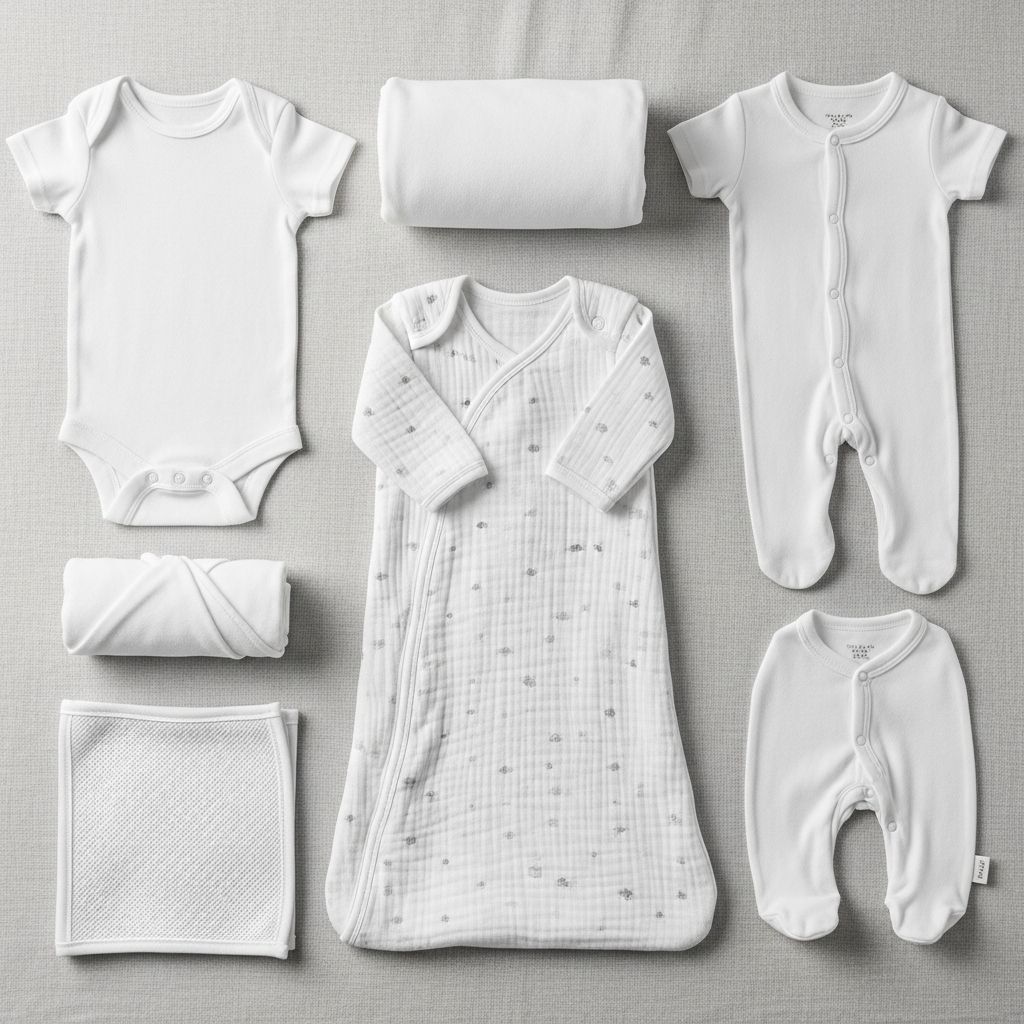
| 68-72°F (Cool) | 2 layers | Short-sleeve onesie + footed pajamas or sleep sack |
| 72-75°F (Mild) | 1-2 layers | Long-sleeve onesie + lightweight sleep sack |
| Above 75°F (Warm) | 1 layer | Short-sleeve onesie or lightweight swaddle (arms out after rolling) |
For swaddling newborns, use lightweight blankets with arms in until the baby shows signs of rolling, then transition to wearable blankets.
Seasonal Adjustments for Comfort
Winter Sleepwear Essentials
In colder months, focus on warmth without bulk. Layer a onesie under thicker footed sleepers and add a wearable blanket. Keep the room at a comfortable level rather than relying on heavy bedding, and use a space heater safely away from the crib if needed.
- Use fleece-lined sleep sacks rated for cooler temps.
- Monitor for signs of overheating like damp hair or rapid breathing.
Summer Sleepwear Choices
Hot weather demands minimal layers to avoid dehydration and overheating. Opt for sleeveless onesies or lightweight gowns, ensuring good ventilation. Fans can circulate air but should not blow directly on the baby.
- Bamboo or muslin fabrics for breathability.
- Avoid any head coverings, even thin ones.
Common Sleepwear Mistakes to Avoid
Many parents unintentionally compromise safety with well-meaning choices. Here’s what to steer clear of:
- Blankets and Quilts: These increase suffocation risks; replace with sleep sacks.
- Weighted Items: Weighted blankets or sacks are not recommended as they can impair breathing.
- Inclined Sleepers: Never use swings, rockers, or car seats for sleep beyond transport.
- Overlayering: Babies should not feel hot to the touch; adjust based on room conditions.
Additionally, room-sharing for the first 6-12 months is advised, placing the crib close but separate from the adult bed to facilitate monitoring without bed-sharing risks.
Integrating Safe Sleep with Feeding Practices
Breastfeeding or chestfeeding supports safe sleep by reducing SIDS risk up to 50%. Feed in bed if needed, but always return the baby to their crib on their back afterward. Set alarms during night feeds to prevent accidental co-sleeping.
Pacifiers, once nursing is established, can be offered at sleep times for further protection, though not forced if refused.
Choosing Quality Sleep Products
Invest in products meeting Consumer Product Safety Commission (CPSC) standards. Look for:
- Sleep sacks with adjustable, secure closures.
- Cribs or bassinets with firm mattresses and fitted sheets only.
- No add-ons like monitors claiming SIDS prevention unless medically prescribed.
Avoid unproven gadgets like home breathing monitors, as they lack evidence for SUID reduction.
Age-Specific Sleep Attire Tips
Newborns (0-3 Months)
Swaddling mimics the womb, soothing fussy babies. Use purpose-made swaddle sacks until rolling begins, typically around 2 months. Always place on back.
Infants (4-12 Months)
Transition to sleep sacks as mobility increases. Ensure arms are free for rolling practice, promoting safe tummy time when awake.
Monitoring and Troubleshooting Sleep Comfort
Regular checks ensure ongoing safety. Signs of proper dressing include steady breathing, relaxed posture, and neutral body temperature. If issues arise:
- Too Hot: Remove a layer, open sleep sack.
- Too Cold: Add a lightweight layer, close windows.
- Fussy Sleep: Check room humidity (40-60% ideal) and darkness.
Consult a pediatrician for persistent concerns, especially preterm or low birth weight babies who may need tailored advice.
Frequently Asked Questions
Can I use a fan in the baby’s room?
Yes, for air circulation to prevent overheating, but direct it away from the crib and avoid strong drafts.
What if my baby rolls over during sleep?
Start on the back; if they roll independently, it’s safe to leave them, but ensure no loose bedding.
Is room-sharing the same as bed-sharing?
No—room-sharing means the crib is in your room; bed-sharing increases suffocation risks and is not recommended.
How do I know the right sleep sack size?
Choose based on weight and height; it should fit snugly at the chest and allow leg movement without slipping.
Are organic fabrics necessary for sleepwear?
Not required, but they offer softness and breathability; prioritize fit and safety certifications.
Building a Comprehensive Safe Sleep Routine
Combine proper attire with the ABCDs: Alone in a bare crib, on their Back, in a Crib or bassinet, and avoid smoke exposure. Consistent routines foster better sleep patterns, benefiting the whole family.
Empower yourself with knowledge from trusted sources to navigate parenthood confidently, ensuring every nap and night supports your baby’s healthy development.
References
- Safe Sleep for Babies — Nationwide Children’s Hospital. Accessed 2026. https://www.nationwidechildrens.org/family-resources-education/health-wellness-and-safety-resources/helping-hands/safe-sleep-practices-for-babies
- Safe Sleep — American Academy of Pediatrics (AAP). Accessed 2026. https://www.aap.org/en/patient-care/safe-sleep/
- Providing Care for Babies to Sleep Safely — Centers for Disease Control and Prevention (CDC). Accessed 2026. https://www.cdc.gov/sudden-infant-death/sleep-safely/index.html
- Safe Sleep for Babies: Ways to Prevent SIDS in Infants 0-12 Months — St. Louis Children’s Hospital. Accessed 2026. https://www.stlouischildrens.org/health-resources/pulse/safe-sleep-babies-ways-prevent-sids-infants-0-12-months
- Safe Sleep for Babies — California Department of Public Health (CDPH). Accessed 2026. https://www.cdph.ca.gov/Programs/CFH/DMCAH/SIDS/Pages/Safe-Sleep-for-Babies.aspx
- The ABCD’s of Safe Sleep for Babies — Johns Hopkins Medicine (YouTube). 2025-05-06. https://www.youtube.com/watch?v=U_B13ZyyeVI
- How to Keep Your Sleeping Baby Safe: AAP Policy Explained — HealthyChildren.org (AAP). Accessed 2026. https://www.healthychildren.org/English/ages-stages/baby/sleep/Pages/a-parents-guide-to-safe-sleep.aspx