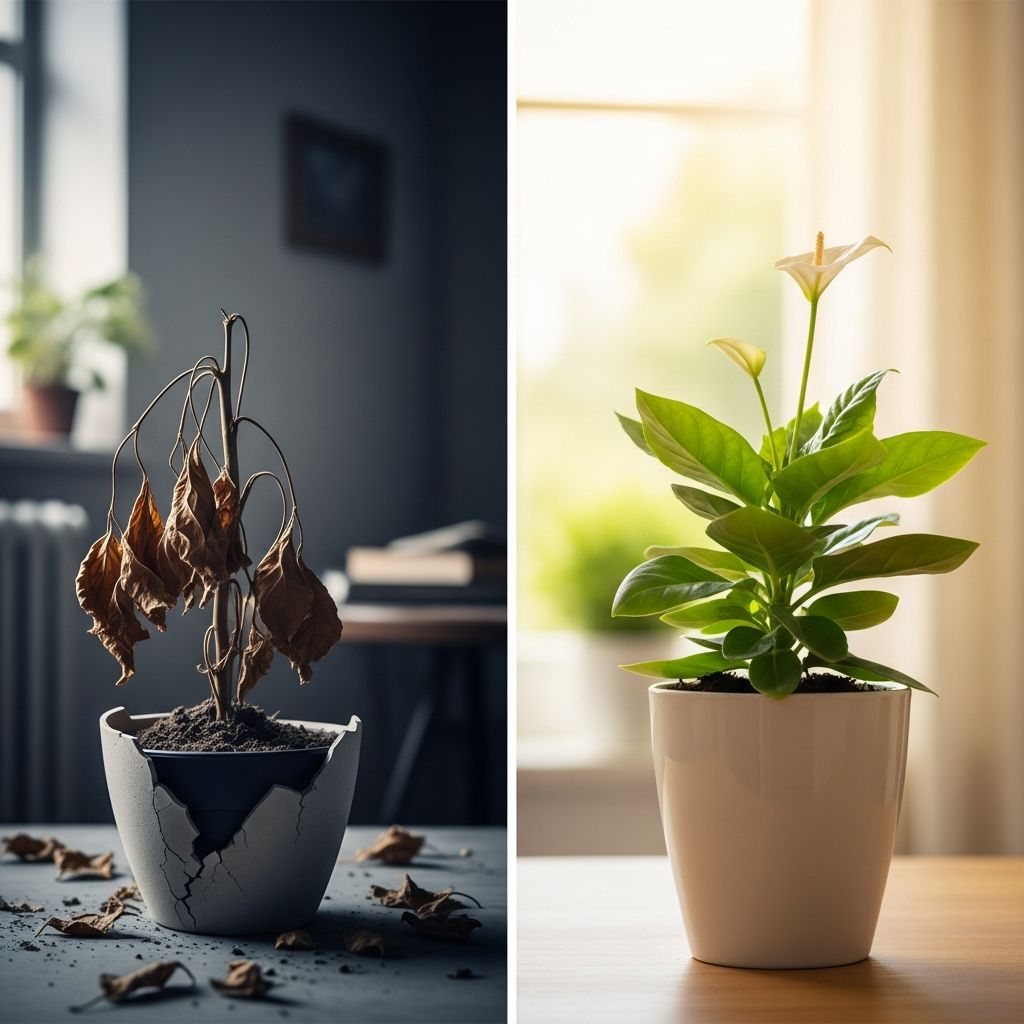
Maintaining a joyful partnership requires intentional choices about what not to do. By steering clear of certain common pitfalls, couples can foster deeper connection, reduce conflict, and build a foundation of trust and appreciation. This guide draws from relationship wisdom to highlight behaviors that undermine marital bliss and offers alternatives for positive change.
Building Strong Foundations Through Daily Interactions
Everyday routines set the tone for long-term satisfaction in marriage. Small oversights, like failing to acknowledge each other’s presence, can erode emotional closeness over time. Prioritizing simple greetings and eye contact reinforces that your partner is valued, creating a welcoming home environment regardless of daily stresses.
Research from family relationship experts emphasizes that consistent positive interactions, such as warm welcomes upon returning home, strengthen bonds and prevent feelings of neglect. Couples who make this a habit report higher levels of satisfaction, as it signals priority and care amid busy schedules.
Mastering Communication Without Assumptions
Clear, direct dialogue is the cornerstone of understanding. Avoiding mind games or overanalyzing words prevents unnecessary tension. When partners express thoughts honestly and kindly, it eliminates guesswork and builds security.
- Speak plainly: Say what you mean without hidden meanings or passive hints.
- Ask for clarification: If unsure, inquire directly rather than assuming negative motives.
- Practice active listening: Focus fully during conversations, maintaining eye contact to show engagement.
Assuming the worst about a spouse’s intentions, such as interpreting a forgotten chore as deliberate disregard, fuels resentment. Instead, choosing to believe the best fosters empathy and teamwork.
Preserving Respect in Every Exchange
Treating your spouse with the same courtesy extended to acquaintances—or better—is non-negotiable. This includes avoiding interruptions, using respectful language, and refraining from absolute terms like “always” or “never” during disagreements.
| Disrespectful Habit | Respectful Alternative |
|---|---|
| Interrupting mid-sentence | Wait patiently and acknowledge their point |
| Using blame like “You never…” | Focus on feelings: “I feel overlooked when…” |
| Dismissing opinions | Seek input on shared decisions |
Interrupting signals disregard, while patient listening demonstrates value. Experts note that respectful discourse, even in conflict, preserves dignity and invites collaboration.
Cultivating Gratitude and Affection
Verbalizing appreciation and love keeps emotional intimacy alive. Skipping “thank you” or “I love you” assumes familiarity breeds complacency, but regular affirmation combats this. Physical touch, from hugs to hand-holding, communicates care without words, distinguishing partners from roommates.
Neglecting these gestures leads to emotional drift. Studies on marital longevity highlight that couples who express gratitude daily experience greater happiness and resilience. Incorporate touch mindfully— a brief shoulder rub during stressful moments can de-escalate tension effectively.
Navigating Conflict Constructively
Conflict is inevitable, but how it’s handled determines growth or gridlock. Sidestepping issues breeds unspoken grudges, while explosive fights with name-calling destroys trust. Healthy couples address disagreements promptly, without grudges or blame.
- Express irritation calmly and move on after resolution.
- Avoid public complaints: Keep private matters confidential to protect unity.
- Embrace humor: Lightheartedness diffuses heat before escalation.
Not every thought needs sharing—discernment prevents overwhelming your partner with minutiae. Focus on impactful topics to maintain openness without overload.
Balancing Priorities and Independence
No one person can fulfill every need; expecting your spouse to be everything leads to disappointment. Encourage individual pursuits, friendships, and alone time to recharge, ensuring the marriage remains a choice, not a cage.
Prioritize your partner without exclusion—don’t let work, kids, or hobbies eclipse couple time. Dividing household tasks fairly prevents resentment, treating each other as equals, not servants. Boundaries with extended family also safeguard your primary alliance.
Celebrating Life’s Milestones Together
Marking achievements, big or small, reinforces shared joy. Overlooking birthdays, promotions, or anniversaries due to busyness diminishes partnership. Plan ahead to honor these moments, creating lasting memories that counter life’s mundanities.
Integrate playfulness: Shared laughter and inside jokes keep the relationship vibrant. Couples who don’t take themselves too seriously navigate challenges with perspective.
Honoring Physical and Emotional Intimacy
Physical connection matters, but balance prevents pressure. Recognize differing love languages—acts of service, words, gifts, time, or touch—and tailor efforts accordingly. Overemphasizing or ignoring intimacy disrupts harmony.
View imperfections as quirks, not deal-breakers. Focusing on strengths amplifies positivity, as the good far outweighs minor flaws in enduring unions.
Frequently Asked Questions (FAQs)
What if we already have some of these habits?
Change starts with awareness. Discuss openly, commit to one small shift weekly, like daily greetings, and track progress together for accountability.
How do kids impact these habits?
Teach children respect by modeling it—gently guide them not to interrupt adult talks, reinforcing family boundaries.
Can therapy help break bad patterns?
Yes, professional guidance provides tools for deeper issues like chronic grudges or communication breakdowns.
What’s the role of forgiveness here?
Forgiveness releases grudges promptly, preventing buildup. It’s a daily practice for resilience.
How often should couples check in?
Weekly date nights or monthly reflections ensure alignment on needs and goals.
Sustaining Long-Term Marital Joy
Thriving marriages thrive on proactive avoidance of pitfalls. By greeting warmly, communicating clearly, showing respect, expressing gratitude, handling conflict wisely, balancing life, celebrating wins, and nurturing intimacy, couples create a resilient bond. These practices, rooted in expert observations, transform potential friction into opportunities for growth.
Commit to these shifts incrementally. Over time, they compound into a partnership marked by joy, trust, and mutual fulfillment. Marriage isn’t perfect, but with intention, it can be profoundly rewarding.
References
- 16 Unhealthy Habits in Marriage — FamilyLife (A Cru Ministry). Accessed 2026. https://www.familylife.com/articles/topics/marriage/staying-married/16-unhealthy-habits-in-marriage/
- 16 Things We Don’t Do To Stay Happily Married — Scary Mommy. Accessed 2026. https://www.scarymommy.com/16-things-we-dont-do-to-stay-happily-married
- 27 Top Tips For Staying Happily Married — Weinberger Divorce & Family Law Group. Accessed 2026. https://www.weinbergerlawgroup.com/blog/divorce-family-law/27-marriage-tips/