Motherhood unfolds as a tapestry woven from countless threads of guidance, each contributed by women whose lives intersected mine in unexpected ways. These mentors, from family elders to fellow parents encountered in daily routines, offered glimpses into the art of nurturing without ever demanding recognition. Their stories and actions became my roadmap, illuminating paths through exhaustion, doubt, and pure delight.
The Enduring Wisdom of Family Elders
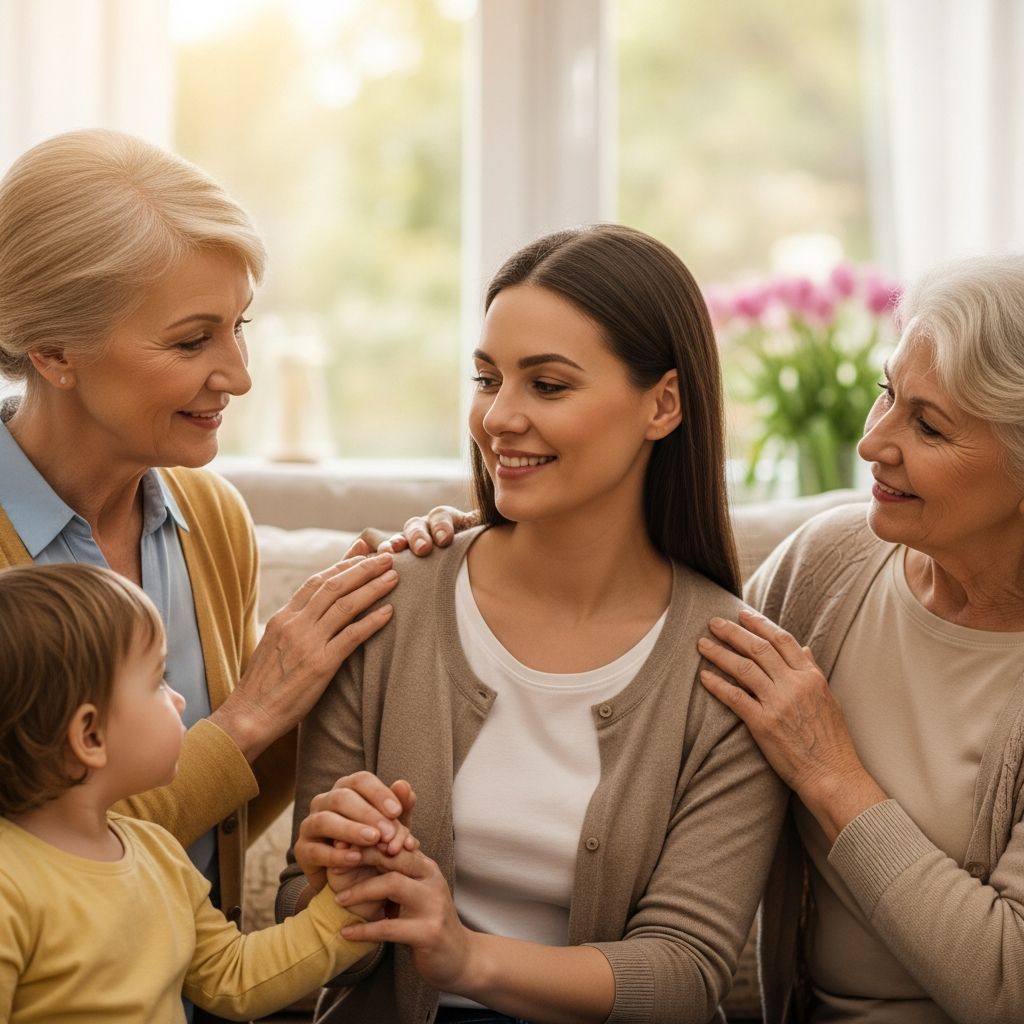
Grandmothers and aunts often stand as the first pillars of maternal knowledge, their decades of experience distilled into quiet, powerful examples. Consider the single mother who crossed oceans alone, building a foundation of opportunity for her lineage. Such women embody resilience, showing that determination transcends circumstances. They navigated hardships with grace, teaching that motherhood demands not perfection but persistent effort.
In my own lineage, my grandmother’s journey from humble beginnings to providing stability mirrored the unyielding spirit required in parenting. She didn’t lecture; her life was the lesson. Through her, I learned to prioritize dreams even amid chaos, ensuring my children witness ambition alongside care. This intergenerational transfer of strength reminds us that motherhood is a relay, passing forward tools for endurance.
- Resilience in adversity: Facing single parenthood without faltering.
- Balancing provision and presence: Sustaining family needs while fostering emotional bonds.
- Modeling vulnerability: Sharing emotions to humanize the parental role.
Lessons from Fellow Mothers in Everyday Encounters
Beyond blood ties, community mothers emerge as vital instructors. At playgrounds, playgroups, or online forums, these women share raw insights on soothing cries, managing schedules, and reclaiming personal identity post-baby. One mother I met during late-night feedings confessed how her child’s unfiltered joy pulled her from stress-induced spirals, urging her to embrace carefree moments.
These interactions reveal motherhood’s communal essence. A friend, juggling career and kids, demonstrated that patience blooms in hurried mornings when little ones demand slowness. Her example taught me to pause, breathe, and find happiness in the mundane. Such exchanges normalize struggles, fostering solidarity that combats isolation.
| Mentor Type | Key Lesson | Real-Life Impact |
|---|---|---|
| Playgroup Mom | Embracing imperfection | Reduces self-judgment during messy days |
| Working Mother | Patience under pressure | Improves family routines and mental health |
| Online Community | Seeking support openly | Builds networks for long-term resilience |
Children as the Greatest Teachers
Paradoxically, the tiniest family members deliver the most profound education. Infants demand presence, teaching new depths of love that defy preconceptions. A firstborn’s gaze evokes vulnerability, proving that parental best efforts suffice amid unknowns. Toddlers, with their boundless curiosity, instruct on living freely—dancing without inhibition, laughing without restraint.
My children have schooled me in non-judgment, reminding that each soul arrives uniquely. Their pursuit of play over perfection inspires chasing dreams unapologetically. In rushed moments, their gentle reminders to slow foster genuine kindness. These lessons invert traditional dynamics: we learn as much from them as they from us, cultivating mutual growth.
One mother’s reflection captures this: her kids elevated her standards, affirming it’s acceptable to feel deeply while projecting strength. This bidirectional teaching enriches family bonds, turning homes into academies of empathy.
Navigating Emotional Depths with Grace
Motherhood plunges us into emotional oceans, where mentors illuminate survival strategies. Elders model showing up consistently, sacrificing without resentment. Peers validate raw feelings—exhaustion, joy, fear—normalizing the spectrum. Children, through milestones, highlight vulnerability’s beauty, like first steps symbolizing trust in unsteady legs.
These guides teach flowing with life’s currents rather than resisting. In unfamiliar parenting waters, their examples affirm spiritual connections forged in chaos. Gratitude swells for those affirming our sufficiency, even on imperfect days.
- Validate emotions freely to model healthy expression.
- Prioritize presence over productivity in key moments.
- Celebrate small victories to sustain long-term motivation.
Cultivating Personal Growth Amid Parenting
Becoming a mother often reignites appreciation for one’s own upbringing, revealing sacrifices once overlooked. Diaper changes, sleepless nights, endless nurturing—now understood as acts of profound love. This hindsight fuels commitment to break cycles or elevate legacies.
Mentors encourage reclaiming selfhood: pursuing careers, hobbies, dreams. They prove motherhood amplifies rather than erases identity. Strong women in my circle demonstrated sensitivity alongside fortitude, permitting tears amid triumphs. This balance nurtures well-rounded children who value authenticity.
Building a Village of Support
No mother thrives in solitude; the ‘village’ concept thrives through intentional connections. Mentors—biological, chosen, or circumstantial—form this network. Thank them openly: for patience modeled in tantrums, joy rediscovered in giggles, standards upheld in challenges.
Extend this forward by mentoring others. Share stories at gatherings, online, or casually. This cycle perpetuates wisdom, ensuring future mothers inherit a robust support system.
Frequently Asked Questions (FAQs)
What role do non-biological mothers play in shaping parenting skills?
They provide diverse perspectives, offering practical tips and emotional validation that complement family teachings, fostering comprehensive growth.
How can children teach parents life lessons?
Through daily interactions, kids demonstrate pure joy, forgiveness, and presence, challenging adults to shed inhibitions and embrace simplicity.
Why is gratitude essential in motherhood?
It acknowledges contributors, reinforces positive behaviors, and builds resilience by focusing on communal strengths over individual burdens.
How to find mentors in modern parenting?
Join local groups, online communities, or workplaces; observe and engage with experienced mothers openly sharing their journeys.
Does motherhood change self-perception?
Yes, it heightens appreciation for past caregivers and reveals inner strengths like patience and love previously untapped.
Embracing the Ongoing Motherhood Education
The curriculum of motherhood evolves endlessly, with each phase introducing new instructors. From elders’ steadfast examples to peers’ camaraderie and children’s innocence, lessons compound into wisdom. This journey transcends biology, encompassing all who nurture growth.
Celebrate these influencers: the grandmother’s tenacity, the friend’s candor, the child’s wonder. Their imprints define not just parenting but enriched living. In thanking them, we honor the collective force elevating womanhood.
References
- Moms Share: What Motherhood Has Taught Me — What Lara Wrote. 2018-05-10. https://whatlarawrote.com/2018/05/10/moms-share-what-motherhood-has-taught-me/
- What She’s Taught Me: A Thank-You Note On Motherhood — Women Against Negative Talk. 2020-05-10. https://womenagainstnegativetalk.com/2020/05/10/what-shes-taught-me-a-mothers-day-thank-you-note/
- Dear Mom, Thank You for Showing Me How to Be a Mom — Columbia Mom. N/A. https://columbiamom.com/thank-you-to-my-mom/
- Becoming a Mom Makes You Appreciate Your Own — Her View From Home. N/A. https://herviewfromhome.com/motherhood-appreciate-your-mom/
- What Motherhood Has Taught Me and Continues to Teach Me — Redeeming Family. N/A. https://www.redeemingfamily.com/originals/whatmotherhoodhastaughtme