Across the United States, a new kind of dad is quietly rewriting the script on what fatherhood looks like. Once reduced to stereotypes of the stern provider, today’s coolest fathers are artists and athletes, activists and engineers, stay-at-home parents and high-profile leaders. What unites them is not fame, money, or perfect parenting, but a shared commitment to raising kind humans while staying true to who they are.
This article explores the diverse ways American dads are reshaping fatherhood—drawing inspiration from well-known figures and countless unnamed parents who are doing something quietly radical: taking their kids, their values, and themselves seriously, all at the same time.
The New Cool: Presence Over Performance
For much of the 20th century, cultural images of dads centered on work, discipline, and distance. Research over the last few decades, however, shows that fathers now spend significantly more time with their children than previous generations and are increasingly involved in daily caregiving. Modern dads are not just showing up at big milestones—they are present for bedtime, homework, and hard conversations.
What makes this shift genuinely cool is that it rejects the idea that caring is a “soft” or secondary role. It reveals fatherhood as a form of leadership that combines responsibility with empathy.
- Daily involvement: Reading stories, packing lunches, and scheduling doctor appointments.
- Hands-on caregiving: Changing diapers, managing school pick-ups, and doing nighttime soothing.
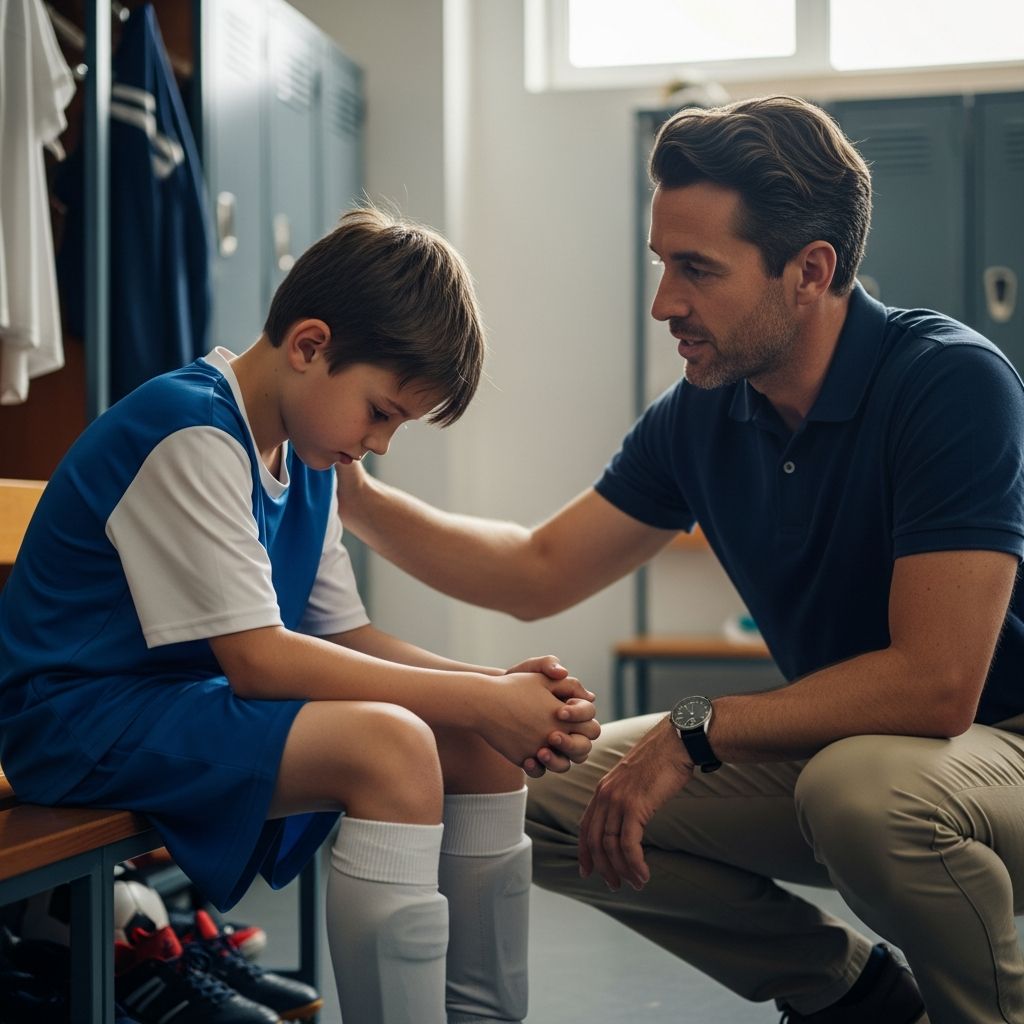
- Emotional presence: Talking openly about feelings, fears, and failures.
Psychological research emphasizes that supportive, involved fathers contribute to better social, emotional, and academic outcomes for children. Cool dads are leaning into that role with pride.
From Breadwinner to Co-Pilot: How Roles Are Evolving
American culture once framed the ideal dad as the primary provider, with caregiving seen as secondary or optional. That model is quickly being replaced by more flexible, shared arrangements. Changes in women’s economic participation, family structure, and cultural norms have opened space for fathers to experiment with new roles.
These roles now include:
- Co-parenting partners who split school drop-offs, sick days, and extracurricular logistics.
- Stay-at-home dads who are primary caregivers while their partners are main earners.
- Single and divorced dads juggling work, parenting time, and emotional care across households.
- Stepfathers and blended-family dads building trust with children who did not grow up with them.
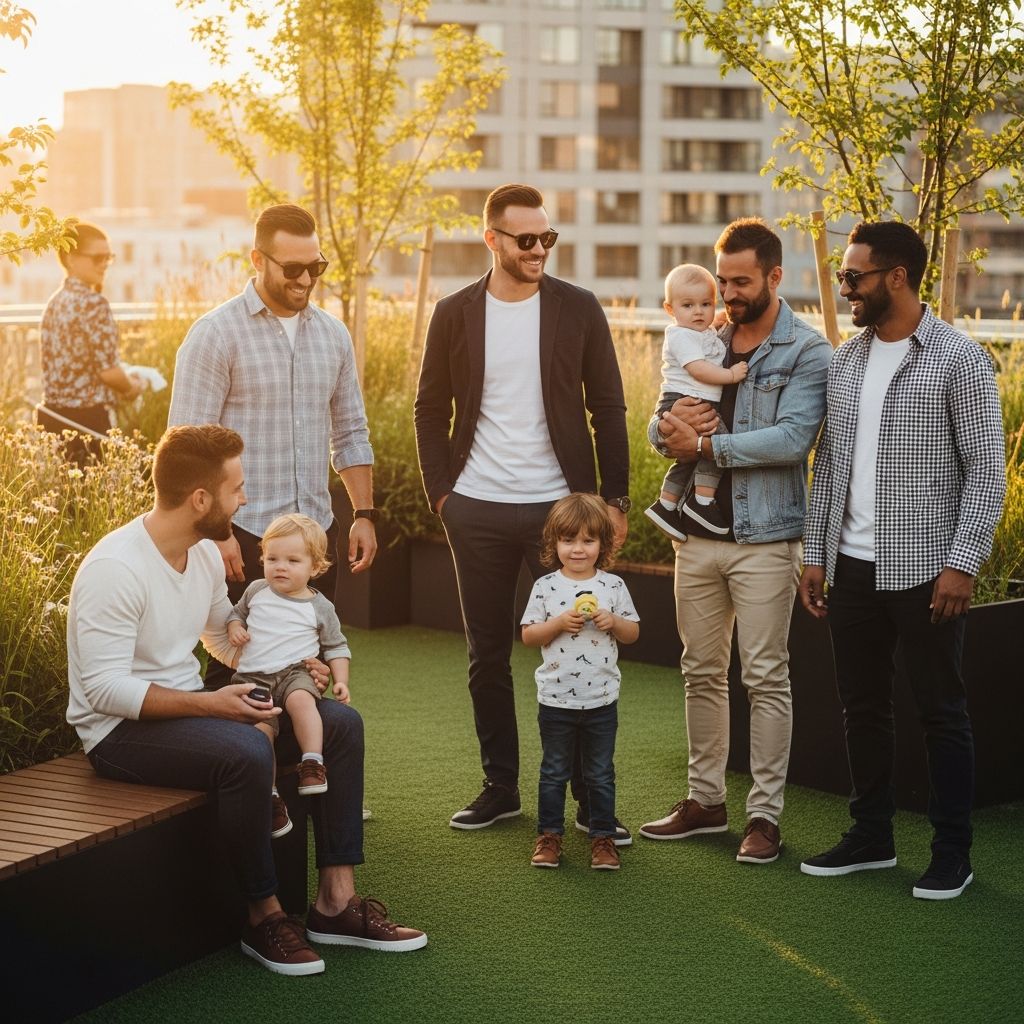
- Gay and queer dads who challenge heteronormative assumptions about who gets to parent and how.
These diverse pathways don’t dilute fatherhood—they expand it. Cool dads recognize that there is no single “correct” configuration of work and caregiving; what matters is showing up consistently and respectfully for their kids.
Public Figures, Private Lessons: What Celebrity Dads Model
Media spotlights often focus on famous fathers—musicians attending recitals, athletes bringing kids on the field, actors speaking about co-parenting, or entrepreneurs advocating for paid leave. While their lives may not mirror those of most families, they still model important shifts that ripple outward.
| Public Arena | Cool Fatherhood Signal | Everyday Parallel |
|---|---|---|
| Entertainment & Music | Bringing kids on tour or acknowledging them in creative work | Sharing hobbies, playlists, and passions with children |
| Sports | Prioritizing family time despite demanding schedules | Making it to games, recitals, and key moments when possible |
| Politics & Business | Taking parental leave, talking openly about parenting | Using vacation days for family care and making work–life boundaries |
| Creators & Influencers | Including kids in projects while protecting their privacy | Letting kids help with home projects, art, or community events |
While it’s easy to dismiss celebrity parenting as carefully curated content, these public choices can normalize dads taking leave, expressing affection, or stepping back from work to be present at home—behaviors that research shows are still stigmatized for many fathers.
Everyday Heroes: Cool Dads You’ll Never See in Headlines
For every movie star pushing a stroller, there are millions of dads quietly doing work that will never make a headline but will echo through generations. These men might be:
- Working multiple jobs and still making time for bedtime stories.
- Volunteering at schools, coaching local teams, or mentoring neighborhood kids.
- Driving long distances for custody weekends and using every hour intentionally.
- Calling their children regularly from deployment, night shifts, or distant worksites.
In many communities, especially among Black and Latino fathers, research has found that dads are deeply engaged in physical care, feeding, and daily involvement, often at higher rates than stereotypes suggest. Coolness, in this context, is not about aesthetics but about consistency, responsibility, and love.
Redefining Masculinity: Vulnerable, Caring, and Still Strong
Modern dads are also helping to transform expectations of masculinity. Instead of defining strength solely as stoicism and control, they are embracing tenderness, mental health awareness, and emotional literacy. The American Psychological Association notes that many fathers are increasingly comfortable being nurturing and affectionate, even when this challenges traditional norms.
Cool dads today:
- Talk about feelings and model that anger is not the only acceptable emotion.
- Go to therapy or support groups and speak openly about mental health.
- Apologize when they are wrong, showing that accountability is part of love.
- Encourage empathy in sons and daughters alike, refusing to box kids into rigid gender roles.
These shifts align with broader research indicating that involved, emotionally attuned fathering supports children’s resilience, social confidence, and long-term well-being.
The Rise of the Stay-at-Home and Flex-Work Dad
One of the more visible transformations in American fatherhood is the emergence of dads who stay home or prioritize flexible work so they can be primary caregivers. Although still a modest share of all fathers, stay-at-home dads have grown substantially, reflecting both shifting norms and changing economic realities.
Many such dads are motivated by:
- A partner’s higher earning potential or more stable career path.
- A personal desire to be the primary day-to-day caregiver.
- Frustration with childcare costs and lack of systemic support for dual-earner families.
However, research and reporting also show that stay-at-home fathers can face social stigma, isolation, or suspicion in caregiving spaces traditionally dominated by mothers. Cool dads in this role push through these barriers, build their own networks, and create inclusive communities at playgrounds, libraries, and online.
Fatherhood and Social Change: Activist Dads
Another emerging archetype is the activist dad—men who link their parenting to broader struggles for justice, equity, and safety. Some leverage their platforms to talk about racial justice, climate change, disability rights, or LGBTQ+ inclusion; others act locally, pressing schools, workplaces, and city governments to better support families.
Key ways activist dads make an impact include:
- Advocating for paid family leave so all parents, regardless of gender, can be present after a birth or adoption.
- Supporting affordable childcare as a cornerstone of economic and gender equity.
- Challenging stereotypes that caregiving is exclusively women’s work.
- Teaching kids civic engagement by involving them in volunteering, voting drives, or community discussions.
These fathers understand that to raise children in a fairer world, they must also help build that world.
Cultural Shifts and Persistent Barriers
Despite visible progress, many dads still navigate a culture that has not fully caught up with modern expectations. The National Women’s Law Center notes that very few new fathers take even two weeks of paternity leave, in part due to workplace penalties and deeply ingrained norms about men as primary earners. Similarly, research shows that stay-at-home fathers can be treated as anomalies rather than equals, leading to isolation and suspicion.
Common obstacles include:
- Workplace stigma for men who request flexible hours, reduced travel, or part-time arrangements.
- Limited paid leave, especially for hourly or low-wage workers.
- Judgment in public spaces where dads are assumed to be “babysitting” their own children.
- Legal and logistical challenges for non-residential, divorced, or never-married fathers seeking meaningful involvement.
Cool dads do not simply endure these barriers; many actively push back—through conversations with employers, community organizing, or modeling a different way of living.
What Cool Dads Actually Do: Practical Traits and Habits
Stripping away celebrity, social media, and marketing, what really makes a dad “cool” to a child? It is less about sneakers or playlists, and more about a persistent pattern of care, curiosity, and respect.
Most admired fathers tend to share a core set of habits:
- Consistency: They keep their promises or explain honestly when they can’t.
- Curiosity: They ask questions instead of just giving orders.
- Playfulness: They are willing to be silly, imaginative, and creative.
- Boundaries with compassion: They set rules but listen to feedback.
- Respect for autonomy: They support children’s interests, even when different from their own.
These behaviors align closely with what child development experts describe as appropriate parenting: providing emotional support, fair discipline, monitoring activities, and maintaining age-appropriate expectations. In other words, coolness in fatherhood is simply good parenting, done with humility and style.
How Any Dad Can Lean Into a Cooler Version of Fatherhood
You don’t need a public profile, a perfect past, or endless free time to grow into this new model of fatherhood. You only need a willingness to learn, adapt, and repair. Here are practical ways any dad can move closer to the kind of cool that matters:
- Schedule recurring one-on-one time with each child, even if it is just a weekly walk.
- Share your inner world—talk about your hopes, anxieties, and values in age-appropriate ways.
- Ask for feedback from your kids: “What’s one thing I could do better as your dad?”
- Advocate at work—if it’s safe—to normalize dads using leave and flexible options.
- Invest in your own growth through books, podcasts, counseling, or parent groups.
Small changes compound over time. Children rarely remember every big gift or expensive trip, but they do remember whether they felt seen, heard, and safe.
Frequently Asked Questions About Modern Cool Dads
Q: Do you have to be financially successful to be considered a cool dad?
No. While financial stability can reduce stress, being a cool dad has far more to do with emotional support, presence, and respectful parenting. Research on child outcomes consistently highlights the quality of relationships over income alone, as long as basic needs are met.
Q: Can non-residential or divorced dads still have a strong impact?
Yes. Studies show that when non-residential fathers maintain consistent contact, provide emotional support, and have appropriate custody arrangements, children benefit significantly. Regular visits, calls, and involvement in decision-making can help sustain a secure bond.
Q: How do gay or queer dads fit into this picture of modern fatherhood?
Research indicates that gay fathers provide home environments just as supportive as heterosexual parents, often sharing caregiving work more evenly. They challenge narrow ideas about who can parent and broaden children’s understanding of family.
Q: Is wanting to be a stay-at-home dad unusual or harmful to kids?
It is not harmful; in fact, a nurturing, available full-time father can offer enormous benefits. While stay-at-home dads still represent a minority, their numbers have grown rapidly in recent decades, reflecting changing gender norms and economic realities.
Q: What policy changes would help more dads be the kind of parents they want to be?
Experts and advocacy groups emphasize the importance of paid family leave, affordable childcare, and workplace flexibility so that fathers can be present without career penalties. These changes support not just dads, but entire families and the wider economy.
References
- The changing role of the modern day father — American Psychological Association. 2013-12-01. https://www.apa.org/pi/families/resources/changing-father
- What Does It Really Mean to Be a Dad in 2025 — National Women’s Law Center. 2024-06-11. https://nwlc.org/what-does-it-really-mean-to-be-a-dad-in-2025/
- The Changing Faces of Fatherhood in the Twenty-First Century — Dale M. Kushner. 2019-06-16. https://www.dalemkushner.com/blog/the-changing-faces-of-fatherhood-in-the-twenty-first-century
- Modern Dad: What Fatherhood Looks Like In 2025 — Fatherly. 2025-01-01. https://www.fatherly.com/parenting/modern-dad-what-fatherhood-looks-like-in-2025
- Stay-at-home dads are on the rise, but they’re not necessarily doing most of the child care — Fortune. 2025-11-13. https://fortune.com/2025/11/13/more-stay-at-home-dads-look-after-kids/