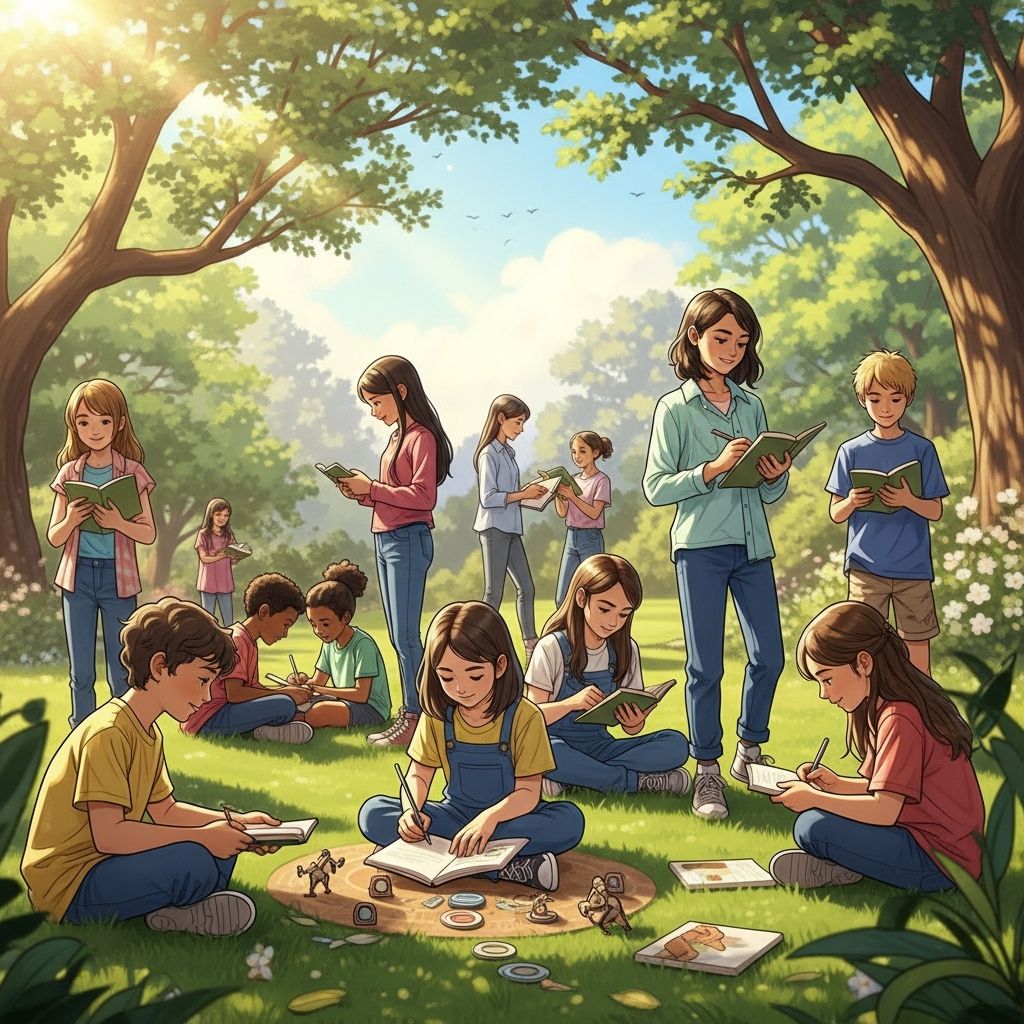
Child-led education, known as unschooling, flips the script on conventional learning by placing children’s natural curiosity at the center. Unlike structured homeschooling, it embraces life as the ultimate classroom, fostering deep, intrinsic motivation without rigid schedules or curricula.
Defining Unschooling in Modern Education
Unschooling emerged as a philosophy pioneered by educator John Holt in the 1970s, advocating that children learn best when free to explore interests without imposed lessons. It views every experience— from cooking a meal to debating a video game strategy—as educational. Parents act as facilitators, providing resources when curiosity sparks, rather than teachers dictating content.
This approach assumes kids are innate learners, driven by self-interest rather than external rewards like grades. No textbooks or tests define progress; instead, growth manifests in skills like problem-solving and resilience. Families adopting unschooling report children who retain knowledge longer because it’s tied to personal passion.
Core Principles Driving Child-Led Education
- Autonomy First: Children choose what, when, and how they learn, building confidence and ownership.
- Holistic Integration: Learning weaves into daily life, blurring lines between ‘schoolwork’ and play.
- Facilitation Over Instruction: Adults observe, question, and supply tools, stepping back to let discovery unfold.
- Real-World Relevance: Knowledge stems from practical pursuits, like gardening for biology or budgeting for math.
- Flexible Pace: No deadlines pressure progress; depth matters more than coverage.
These tenets create an environment where education feels organic, contrasting the compartmentalized structure of traditional models.
Unschooling vs. Homeschooling: A Clear Comparison
While both occur at home, unschooling and homeschooling diverge sharply in philosophy and practice. Homeschooling mirrors school with curricula, schedules, and assessments; unschooling rejects these for pure child direction.
| Aspect | Unschooling | Homeschooling |
|---|---|---|
| Philosophy | Child’s interests drive all learning | Structured, parent-led curriculum |
| Curriculum | None; life-based exploration | Standardized syllabi and lessons |
| Daily Structure | Flexible, interest-led rhythm | Set hours and subjects |
| Parental Role | Guide and resource provider | Primary teacher |
| Assessment | Observation of skills and growth | Tests, quizzes, portfolios |
| Socialization | Organic via communities, hobbies | Planned co-ops, field trips |
This table highlights how unschooling prioritizes freedom, while homeschooling offers familiarity for families transitioning from public schools.
How to Launch Unschooling at Home
Starting unschooling requires mindset shift and preparation. Begin with deschooling—a transitional phase to unlearn school habits, lasting weeks to months. Let go of time tables; observe your child’s sparks of interest.
- Observe Passions: Note what captivates them—dinosaurs, coding, or baking—without intervening.
- Stock Resources: Build a home library, tools, and access to museums or online communities.
- Daily Rhythm: Establish loose routines like morning free play or weekly outings, adapting as needed.
- Document Learning: Keep journals of discussions and projects for reflection, not grading.
- Connect Locally: Join unschooling groups for playdates and support.
Success hinges on parental trust in the process. One family shared how their child’s obsession with Minecraft taught geometry and history organically.
Benefits Backed by Real Outcomes
Unschoolers often excel in creativity, adaptability, and self-motivation. Research from peer-reviewed studies shows self-directed learners score higher on critical thinking tests and pursue higher education at comparable rates to schooled peers. The U.S. Department of Education reports homeschooled (including unschooled) students outperform public school averages on standardized tests.
- Intrinsic Motivation: Kids learn eagerly without burnout.
- Customized Pace: Gifted children dive deep; others build foundations comfortably.
- Life Skills: Negotiation, time management emerge naturally.
- Mental Health: Reduced stress fosters joy in learning.
Long-term, unschool alumni thrive in diverse careers, from entrepreneurship to arts, crediting their education for resilience.
Addressing Common Challenges and Myths
Critics worry about gaps in knowledge or socialization. Yet, unschoolers cover subjects through interests—math via shopping, science via experiments. Social skills develop in real interactions, often richer than school cliques.
Challenges include parental doubt during slow phases and legal compliance. In the U.S., most states allow homeschooling umbrellas covering unschooling; check HSLDA.org for regulations. Financially, it’s cost-effective, using libraries and free online tools.
| Myth | Reality |
|---|---|
| No structure means chaos | Organic rhythms emerge naturally |
| Kids miss basics | Interests ensure broad coverage |
| Hard to transition to college | Many excel via portfolios, CLEP tests |
Real Family Stories: Unschooling in Action
Take the Johnsons: Their 12-year-old, obsessed with aviation, built model planes, researched aerodynamics, and even interned at a local airport—all self-initiated. No worksheets needed. Another family integrated travel; geography and cultures became living lessons during road trips.
These anecdotes illustrate unschooling’s power to ignite passion, turning ‘reluctant learners’ into voracious ones.
Legal Landscape and Practical Tips for Compliance
Unschooling falls under homeschooling laws varying by country. In the U.S., 11 states require no notice; others need affidavits or evaluations. Internationally, the UK permits autonomous education; Australia offers flexible homeschool registration. Always verify with official education departments.
- Track progress via portfolios for potential high school equivalency.
- Leverage community colleges for dual enrollment.
- Join networks like Unschoolers.org for mentorship.
Frequently Asked Questions About Unschooling
What age is best to start unschooling?
Any age works, but early elementary eases the school mindset break. Teens benefit from career exploration freedom.
Do unschooled kids get diplomas?
Many use GEDs, portfolios, or homeschool diplomas. Colleges accept self-directed applicants increasingly.
How do parents handle skepticism from relatives?
Share success stories and progress journals. Focus on your child’s joy and growth.
Is unschooling suitable for all families?
It suits self-motivated parents comfortable with flexibility. Hybrid models blend structure for others.
What about STEM or advanced subjects?
Interests lead there naturally; resources like Khan Academy fill gaps on demand.
Future of Unschooling in a Changing World
As remote work and AI personalize learning, unschooling aligns perfectly. It prepares kids for a gig economy valuing adaptability over rote knowledge. Growing communities and online tools make it accessible worldwide.
Embracing unschooling means betting on children’s potential—a philosophy yielding confident, capable adults ready for tomorrow.
References
- Unschooling vs Homeschooling: A Comparative Guide — 21K School. 2023. https://www.21kschool.com/us/blog/unschooling-vs-homeschooling/
- Homeschooling vs Unschooling vs Deschooling: Your Family Fit — Spanish Academy. 2023. https://www.spanish.academy/blog/homeschooling-unschooling-or-deschooling-which-is-right-for-your-family/
- How is unschooling different from homeschool? — DISCO Learning. 2023. https://discolearning.com/blog/how-is-unschooling-different-from-homeschool/
- How is unschooling different from homeschooling? — West River Academy. 2023. https://westriveracademy.com/en/how-is-unschooling-different-from-homeschooling/
- Unschooling vs. Homeschooling – What’s the Difference? — Unschooling Mom2Mom. 2023. https://www.unschoolingmom2mom.com/unschooling-vs-homeschooling-what-s-the-difference
- Unschooling vs Traditional Homeschooling: Which Is Better? — YouTube (Video). 2023. https://www.youtube.com/watch?v=FqMxeVRHeRk