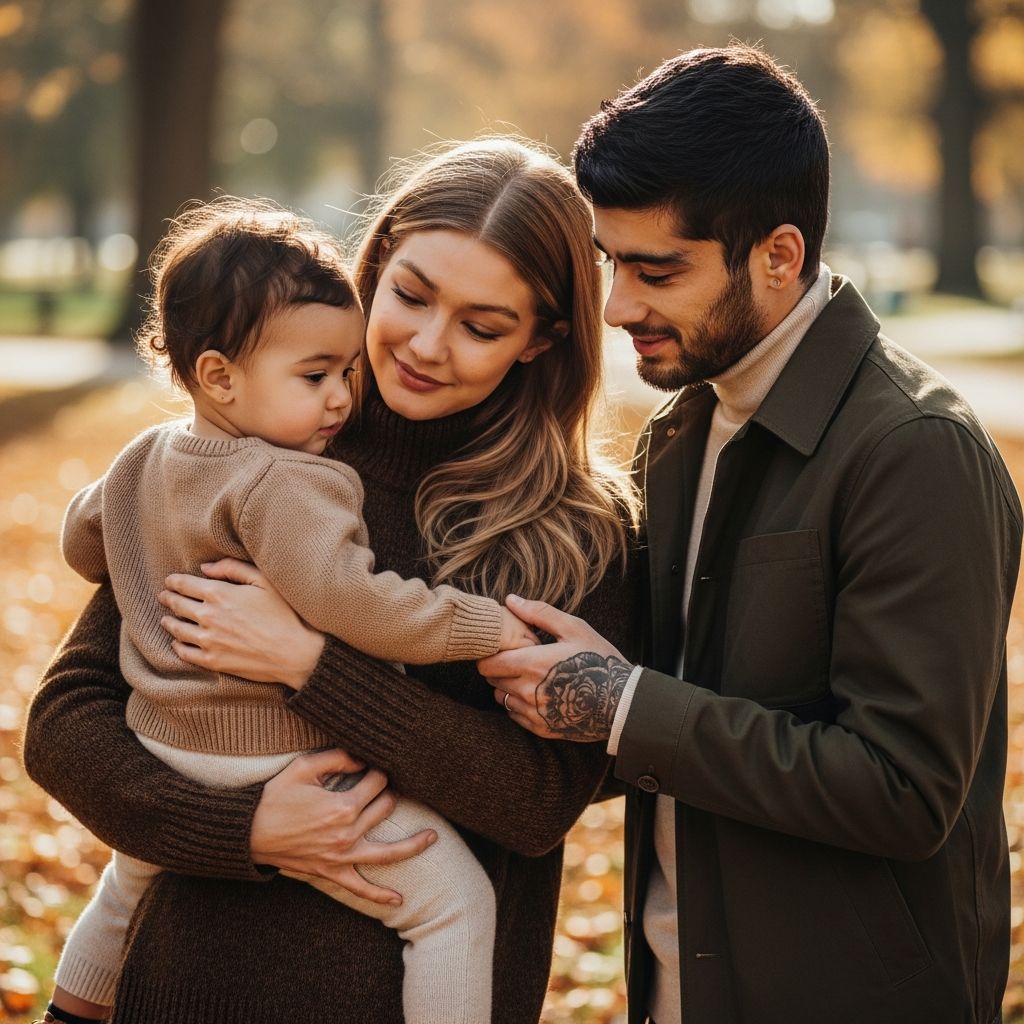
The tradwife movement has surged in popularity, particularly on social media platforms, where women showcase lives centered on homemaking, child-rearing, and devotion to their husbands. This trend, short for “traditional wife,” promotes a return to pre-feminist gender norms, emphasizing domesticity over career ambitions. While proponents celebrate it as a liberating choice, critics argue it romanticizes oppressive histories and undermines women’s progress. This article delves into its origins, allure, criticisms, and broader implications.
Defining the Tradwife Identity
At its core, a tradwife is a married woman who prioritizes traditional roles: managing the household, nurturing children, and supporting her husband’s leadership. This often includes homeschooling, cooking from scratch, sewing, and cultivating a homestead aesthetic. Influencers portray idyllic scenes of apron-clad women baking bread or tending gardens, evoking nostalgia for mid-20th-century domesticity.
- Key Practices: Daily routines focus on self-sufficiency, like preserving food, raising livestock, or creating handmade goods.
- Attire and Aesthetic: Long skirts, modest blouses, and aprons symbolize purity and femininity, often sold as merchandise to followers.
- Family Structure: Emphasis on large families, with wives submitting to husbands as head of the home.
Unlike casual homemakers, tradwives frame their choices ideologically, viewing them as countercultural resistance to modern feminism’s push for equality in work and public life.
Historical Foundations of Traditional Roles
The tradwife ideal draws from deep historical precedents, not just 1950s suburbia. In 18th- and 19th-century America, laws like coverture legally subsumed a wife’s identity under her husband’s, stripping her of property rights, earnings control, and bodily autonomy. Sir William Blackstone described this as protection, but it effectively rendered women second-class citizens without voting rights or jury service until much later.
Conduct literature in magazines and novels reinforced submission, portraying it as natural and beneficial. Marital rape wasn’t criminalized nationwide until 1993, and domestic discipline was sometimes legally tolerated. Tradwives’ rhetoric of “natural submission for protection” echoes these eras, often ignoring the era’s harsh realities like limited education and healthcare access for women.
| Aspect | Historical Context (18th-19th C.) | Modern Tradwife |
|---|---|---|
| Legal Status | Coverture: No independent rights | Choice amid legal equality |
| Daily Life | Survival labor, no appliances | Aesthetic homemaking with modern tools |
| Rationale | Legal doctrine | Personal fulfillment, anti-feminism |
| Visibility | Private sphere enforced | Social media amplification |
While today’s tradwives enjoy legal protections their ancestors lacked, the movement selectively revives submissive ideals without the full context of power imbalances.
The Rise Through Digital Platforms
Social media has propelled tradwives into the spotlight since around 2020. Platforms like Instagram, TikTok, and YouTube host influencers with millions of followers, monetizing their lifestyles via merchandise, courses, and sponsorships. Figures like those emulating pioneer homesteaders blend aesthetics with ideology, attracting women disillusioned by corporate grind or urban chaos.
This digital evolution commodifies conservatism: aprons, baking kits, and e-books promise the #tradlife. Religious variants, often fundamentalist Christian or Pagan, oppose feminism, LGBTQ+ rights, and reproductive freedoms, sometimes veering into Christian nationalism or ethno-centric views. The soft, feminine presentation masks harder right-wing edges, drawing in audiences wary of overt extremism.
- Influencer Strategies: Glossy videos of family bliss contrast modern stresses, fostering community via comments and challenges.
- Monetization: Followers buy into the fantasy, funding influencers’ advocacy for patriarchal revival.
- Growth Factors: Post-pandemic longing for stability amplified the trend.
Psychological and Social Allure
Why do women embrace this? Sociologist Anthony Giddens’ concept of ontological security explains the draw: in a volatile world of economic uncertainty and identity flux, tradwife roles offer a “protective cocoon” of clear purpose—wife, mother, homemaker. It promises stability amid job insecurity, dating app fatigue, and cultural fragmentation.
For some, it’s rebellion against feminism’s perceived devaluation of motherhood. Tradwives argue domestic work provides rhythm, beauty, and fulfillment unattainable in dual-income households. Large families and homeschooling fulfill desires for rootedness. Yet critics note this ignores privileges like inherited wealth enabling such lifestyles.
Religious framings add appeal, positioning submission as divine will, though some detect a transactional prosperity gospel: perfect homemaking yields perfect family harmony.
Core Criticisms and Controversies
The movement ignites backlash for glamorizing subjugation. Detractors argue it perpetuates misogyny by promoting wives’ deference, echoing eras of erased autonomy. Online, tradwives face accusations of internalized oppression, with choices shamed as regressive despite autonomy rhetoric.
Links to extremism worry observers: some influencers push anti-abortion, anti-LGBTQ+ views, or racial hierarchies, commodifying division. Economically, it presumes financial security few have, trapping women in dependency without escape plans for abuse or divorce.
- Health Risks: Glorifying nonstop childbearing ignores maternal mortality trends and mental health strains.
- Social Impact: Reinforces gender pay gaps by discouraging women’s workforce participation.
- Cultural Backlash: Seen as threat to equality gains, fueling polarized debates.
Proponents counter that it’s voluntary, not coercive, and critiques infringe on personal freedom. They deny agendas, claiming it’s authentic living shared online.
Potential Long-Term Societal Effects
If tradwife ideals spread, they could shift demographics toward larger families, bolstering conservative voting blocs. However, they challenge dual-earner norms sustaining economies. Psychologically, they offer respite but risk fragility if husbands falter or ideals crack under reality.
Broader culture wars intensify: tradwives embody backlash to #MeToo and inclusivity, testing tolerance for diverse femininities. Ultimately, the trend highlights tensions between choice and consequence in gender evolution.
Frequently Asked Questions (FAQs)
What does tradwife mean exactly?
A tradwife embraces homemaking, child-rearing, and spousal submission as primary roles, often showcased on social media.
Is the tradwife trend religious?
Many are, especially fundamentalist Christians, but it attracts secular women seeking structure too.
Why is it controversial?
It romanticizes historical inequalities and aligns with anti-feminist, sometimes extremist views.
Can anyone become a tradwife?
It requires financial support from a partner, time, and conviction, limiting accessibility.
Does it harm feminism?
Critics say yes, by rejecting equality; supporters view it as complementary choice.
References
- The Truth About the Past That ‘Tradwives’ Want to Revive — TIME. 2024-05-29. https://time.com/6962381/tradwives-history/
- 4 Things You Should Know About Tradwives — The Gospel Coalition. 2023-08-15. https://ca.thegospelcoalition.org/columns/femmes-scriptura/4-things-you-should-know-about-tradwives/
- What is a ‘tradwife’? — AUT News (Auckland University of Technology). 2023-04-12. https://www.aut.ac.nz/news/stories/what-is-a-tradwife
- Tradwives: The Housewives Commodifying Right-Wing Ideology — GNET Research. 2023-07-07. https://gnet-research.org/2023/07/07/tradwives-the-housewives-commodifying-right-wing-ideology/
- TRADWIFE Slang Meaning — Merriam-Webster. Accessed 2026. https://www.merriam-webster.com/slang/tradwife