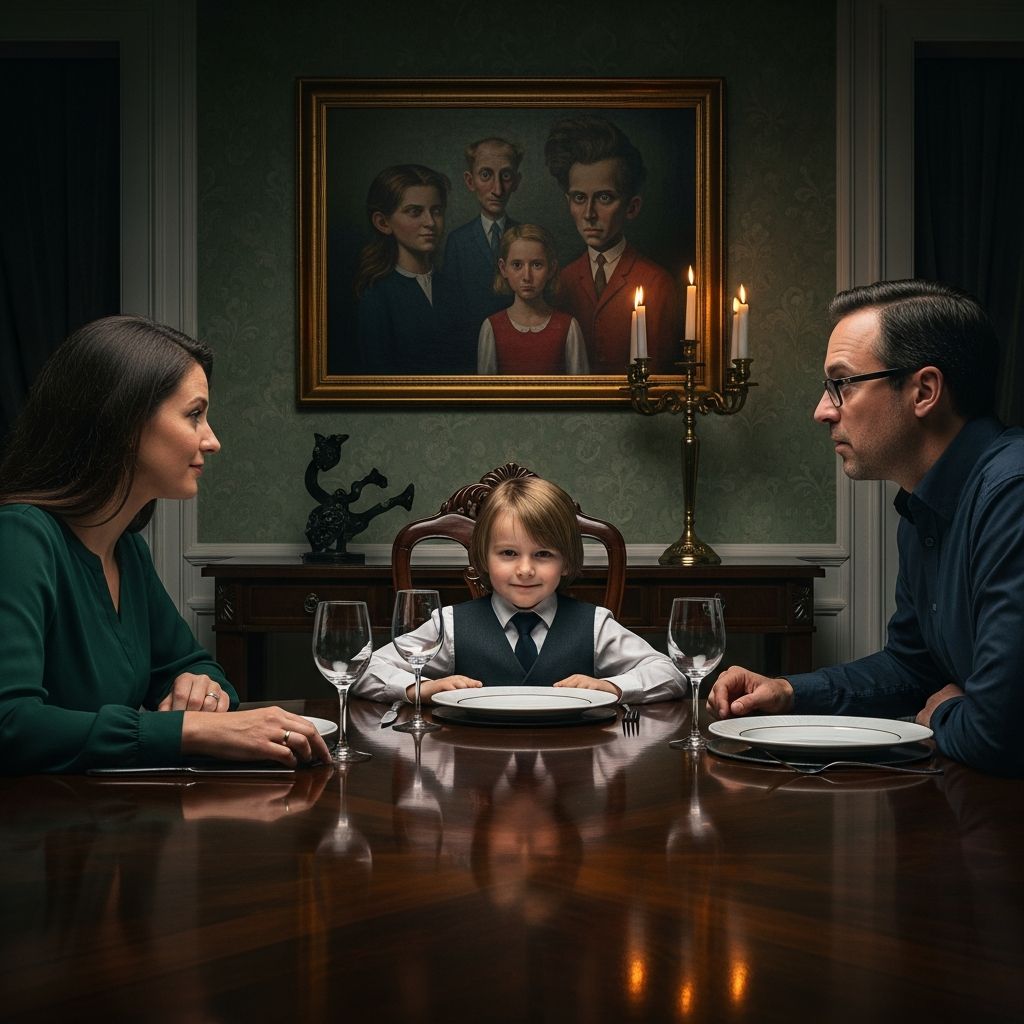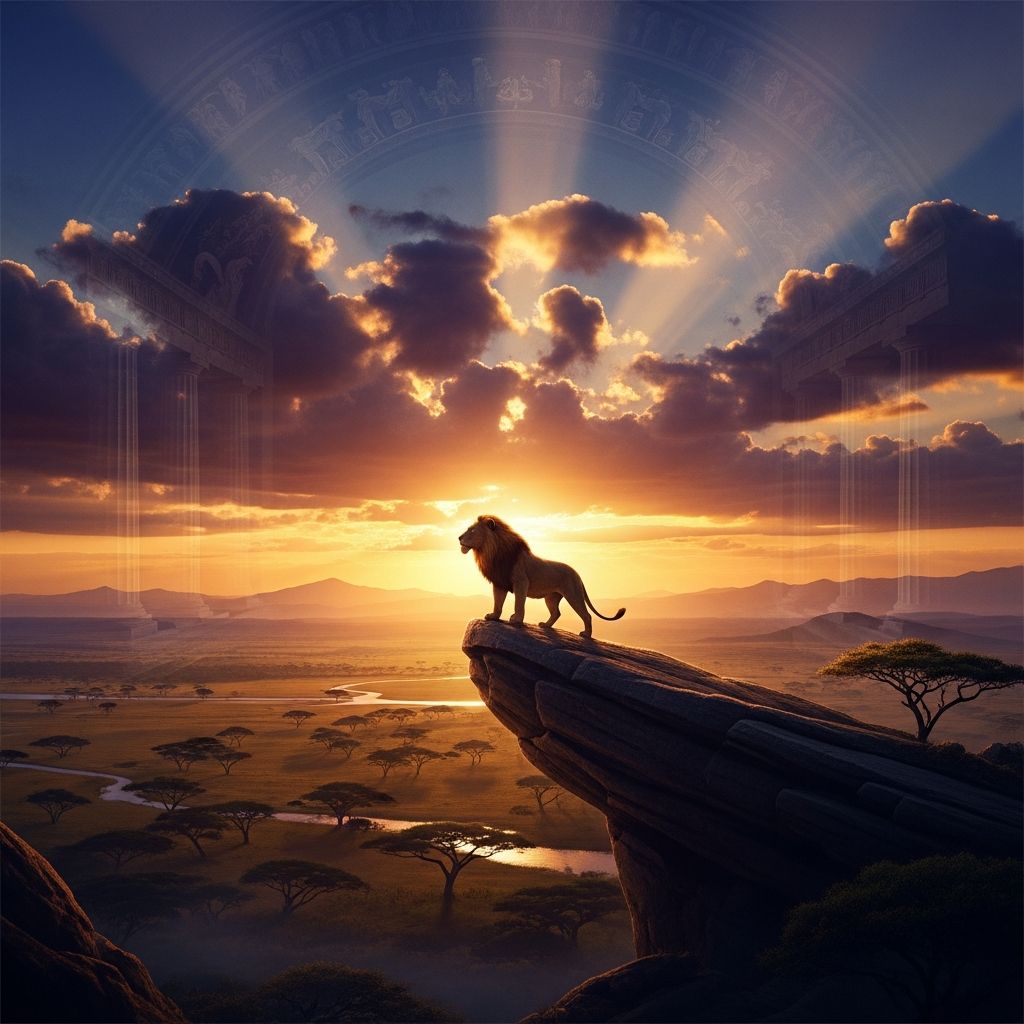
For years, fans have repeated a simple answer to the question, “What is The Lion King based on?”—they say it is just an animated version of Shakespeare’s Hamlet. The reality is more complicated and far more interesting. The film is not a direct adaptation of one story, but a blend of theatrical influences, mythic patterns, and African imagery that together created something audiences experienced as original.
The Myth of a Single Source
When Disney promoted The Lion King in the 1990s, the studio described it as the company’s first animated feature built on an original story rather than a specific fairy tale or novel. That description is technically accurate: there is no single book or play that the screenplay formally adapts. Instead, the creative team layered recognizable story elements from multiple traditions into a new narrative framework.
Over time, viewers noticed how strongly the film’s plot resembled Hamlet, which helped cement the idea that the movie must be a Shakespeare adaptation. However, filmmakers and scholars have since pointed out that the movie draws broadly from Shakespearean drama, biblical narratives, and more general heroic myths rather than retelling one text scene for scene.
How Much of Hamlet Is Really in The Lion King?
The comparison with Hamlet persists because several high-level story beats line up:
- A prince’s father, who is the king, dies unexpectedly.
- The father’s brother takes the throne.
- The prince struggles with grief and responsibility.
- He eventually returns to confront his uncle and restore order.
These points make the resemblance feel obvious. Yet when you look more closely, the emotional core and character psychology differ substantially. In Shakespeare’s play, Prince Hamlet hesitates because he doubts himself, questions reality, and is consumed by philosophical anxiety. His crisis is internal and metaphysical.
By contrast, Simba’s paralysis comes from guilt and a mistaken belief that he caused his father’s death. His withdrawal is an attempt to escape responsibility, not a crisis of faith in the nature of existence. The film therefore reshapes a Shakespearean premise into a family-friendly story about shame, forgiveness, and growing up, rather than the tragic introspection that defines Hamlet.
Other Shakespeare Plays Hiding in Plain Sight
Beyond Hamlet, Shakespearean scholars have highlighted strong echoes of other plays, especially Macbeth and Henry IV.
Macbeth and the Broken Natural Order
In Macbeth, the murder of King Duncan does more than change who wears the crown. It tears a hole in the moral and natural order of Scotland. Shakespeare underlines this with images of unnatural events—strange weather, animal behavior, and omens—that mirror political corruption.
The Lion King uses a similar idea through its famous theme of the “circle of life.” When Scar usurps the throne, the Pride Lands slide into drought, starvation, and ecological collapse. Scar’s rule is not just unjust; it visibly breaks the balance of the savanna, much like Macbeth’s tyranny throws Scotland into chaos.
| Element | Macbeth | The Lion King |
|---|---|---|
| Illegitimate ruler | Macbeth kills Duncan to seize the crown | Scar engineers Mufasa’s death to rule |
| Broken natural order | Omens, storms, strange animal behavior | Drought, ruined land, vanishing prey |
| Restoration | Malcolm returns to reclaim the throne | Simba returns to restore the Pride Lands |
Henry IV and the Temptation of a Carefree Life
Another Shakespearean thread winds through Simba’s time with Timon and Pumbaa. In Henry IV, Prince Hal spends his youth drinking and joking with the roguish Falstaff instead of preparing to rule. Eventually, Hal has to reject this carefree world to accept his royal responsibilities.
Simba’s escape from his past mirrors this arc. The philosophy of “no worries” that he adopts is enticing but incomplete. Like Hal, he must eventually walk away from a life of endless play and re-enter the world of duty, conflict, and leadership.
Biblical Story Patterns: Joseph, Moses, and Exile
Disney has acknowledged that the film’s story team also drew on the Bible, particularly the narratives of Joseph and Moses. These stories share motifs that fit well with the movie’s focus on exile, revelation, and return.
- Joseph: A favored son is separated from his family, endures hardship in a distant land, and later returns in a position of power that allows him to save his people.
- Moses: A child destined for leadership is removed from his birth environment, raised elsewhere, and later called back by a higher purpose to confront injustice and liberate his community.
Simba’s journey parallels these arcs:
- He is driven from home after a crisis linked to his father.
- He grows up in an alien environment with a new way of life.
- He receives a kind of spiritual call—through Rafiki and memories of Mufasa—to return.
- He confronts the unjust ruler and restores his homeland.
These biblical stories are deeply embedded in Western storytelling traditions and often inform modern narratives without direct citation. In this case, they reinforced the sense that Simba’s return is not just personal, but part of a larger destiny and moral order.
Is There African Folklore Behind The Lion King?
Because the film is set in a stylized savanna and makes heavy use of Swahili terms, many viewers assume that its plot must derive from African myth or epic poetry. Writers and fans have occasionally pointed to the medieval West African epic of Sundiata, the founder of the Mali Empire, as a possible model, since it also tells of an exiled prince who eventually reclaims his throne.
However, researchers who have surveyed available production histories have not found firm evidence that the Sundiata story directly informed the script. Disney has instead emphasized Shakespearean drama and biblical narratives as influences when discussing the film’s development.
That absence of proof does not mean African storytelling had no impact at all. Rather, it suggests that the movie’s specific plot shape reflects more universal heroic patterns—such as the exiled heir and the “return of the rightful ruler”—that appear in many cultures. The African contribution is far more visible in the film’s visuals, music, language choices, and worldbuilding than in a traceable one-to-one source text.
Real African Landscapes Inspiring a Fictional Kingdom
While the story may not come from a single African legend, the look and feel of the Pride Lands is grounded in real environments. Before production, Disney artists traveled through parts of Kenya and Tanzania to study the region’s terrain, flora, and wildlife. These research trips shaped the film’s color palette and iconic landmarks.
- Kopjes of the Serengeti: The granite outcrops scattered across East African plains—known as kopjes—helped inspire the design of Pride Rock, even though no exact real-world equivalent exists.
- Migration and herds: Scenes of antelope, zebras, and wildebeest moving across the plains borrow visual rhythms from actual wildlife migrations in East Africa’s savannas.
- Light and color: The use of golden dawns, dusty sunsets, and deep blue night skies reflects observations gathered during those on-location research trips.
These grounded details allowed the animators to create a setting that feels authentically African, even as the story itself draws from global literary traditions.
Cultural Debates: Original Story or Patchwork?
The layered nature of The Lion King has fueled debate among critics and fans:
- Some argue the film should be seen as a collage of familiar Western plots set against an exoticized backdrop.
- Others emphasize how new meaning emerges when these motifs are combined with African-inspired imagery and music.
Disney’s own framing—calling the movie an original story while pointing to Shakespearean and biblical parallels—reflects how Hollywood often works. Filmmakers regularly borrow structures and themes from major cultural texts because they resonate with audiences and are firmly in the public domain. What matters creatively is how those materials are reconfigured, not whether every component is unprecedented.
Why These Influences Work So Well Together
Several factors help explain why the mix of Shakespeare, scripture, and savanna landscapes feels cohesive rather than chaotic:
- Shared themes: Shakespearean tragedies, biblical narratives, and heroic myths all deal with power, responsibility, family, and moral order. These themes naturally reinforce one another.
- Clear moral stakes: The idea that an unjust ruler throws the world out of balance, and that a rightful heir must restore harmony, is easy to understand and emotionally satisfying for viewers of all ages.
- Visual symbolism: The animation links personal growth to visible changes in the environment—rain ending a drought, green returning to the plains—so the story’s abstract ideas are constantly reinforced on-screen.
Lessons for Storytellers and Parents
Understanding what lies beneath The Lion King can be useful both for people who create stories and for parents who watch the film with children.
For Storytellers
- Drawing on classic literature does not require literal adaptation; it can mean reimagining powerful patterns in new settings.
- Combining multiple influences can lead to fresh results, especially when paired with a distinct visual world and tone.
- Researching real places, cultures, and ecologies can give even fantastical narratives a sense of specificity and weight.
For Parents and Viewers
- The movie offers an accessible starting point for conversations about responsibility, grief, and forgiveness.
- As children grow older, you can introduce them to the Shakespeare and biblical stories that informed the film, helping them see how narratives evolve over time.
- Discussing the real African landscapes and languages referenced in the movie can open doors to learning about the continent beyond the screen.
Frequently Asked Questions
Is The Lion King officially based on Hamlet?
No. Disney has presented The Lion King as an original story, though it clearly borrows several plot elements and themes from Shakespeare’s Hamlet and other plays.
Did Disney say The Lion King was adapted from African folklore?
Disney has not identified a specific African legend as the direct source of the plot. Commentators have suggested parallels with the Sundiata epic, but available production histories do not confirm that the filmmakers used it as a blueprint.
What non-Shakespeare influences shaped the story?
Creators have acknowledged parallels with biblical stories, especially Joseph and Moses, which helped shape the movie’s themes of exile, calling, and return.
Are the locations in the film modeled on real places?
The animators visited Kenya and Tanzania to study landscapes and wildlife. Features like the Serengeti’s kopjes inspired, but did not literally duplicate, landmarks such as Pride Rock.
Why do so many Disney films resemble classic literature?
Studios frequently draw from well-known literary and mythic patterns because audiences intuitively understand them. Shakespeare, biblical stories, and folklore are common sources, and their public-domain status makes them easy to reuse creatively.
References
- Lessons We Learned Rewatching The Lion King — LunacyU. 2021-06-10. https://lunacyu.com/blog/the-lion-king-lessons/
- Shakespearean Elements in Lion King — Raikespeare’s Corner. 2014-01-16. https://raikespeare.wordpress.com/2014/01/16/shakespearean-elements-in-lion-king/
- Is There Any Actual African Folklore behind Disney’s “The Lion King”? — Debi Simons. 2017-09-08. https://www.debisimons.com/is-there-any-actual-african-folklore-behind-disneys-the-lion-king/
- The Lion King Shakespeare – From Hamlet to Hal and Falstaff in Henry IV — Folger Shakespeare Library. 2019-07-08. https://www.folger.edu/blogs/shakespeare-and-beyond/lion-king-shakespeare-hamlet-hal-falstaff-henry-iv/
- The Lion King: an African Fantasy — Ker & Downey. 2014-08-19. https://kerdowney.com/blog/the-lion-king-an-african-fantasy/