Navigating the World of Clean Beauty Products
The beauty and skincare industry has undergone a significant transformation in recent years, with consumers increasingly questioning what goes into their daily cosmetic products. The emergence of the clean beauty movement represents a fundamental shift in how people approach personal care, prioritizing ingredient safety and transparency over marketing claims alone. As more individuals become aware of potential health and environmental concerns associated with conventional beauty products, understanding what clean beauty truly encompasses has become essential for making informed purchasing decisions.
Defining Clean Beauty in Today’s Market
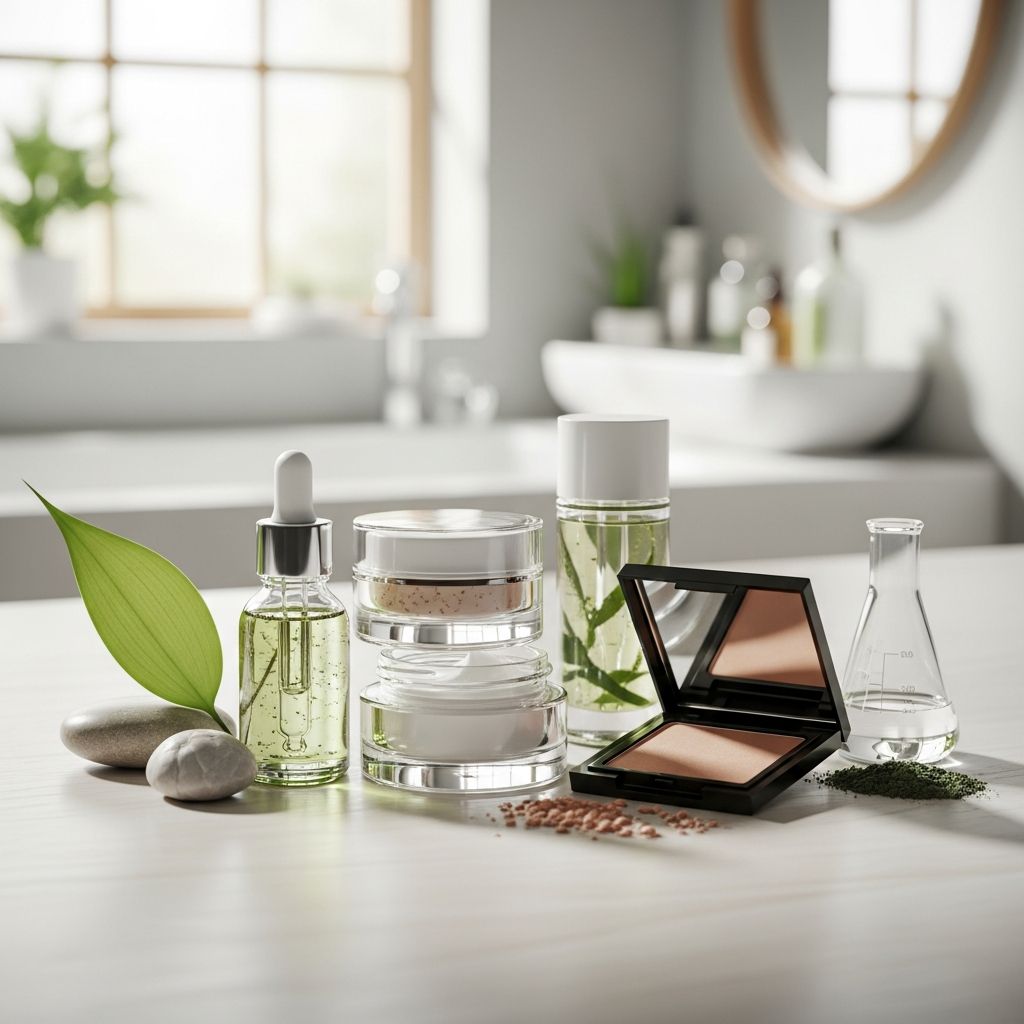
Clean beauty serves as an umbrella term describing cosmetic and skincare products formulated without potentially harmful chemical substances. At its foundation, the movement emphasizes creating formulations that prioritize safety, environmental responsibility, and consumer wellness. However, the definition remains fluid and varies significantly across different brands and manufacturers, as there is no standardized regulatory framework governing the “clean beauty” classification.
The core principle driving clean beauty focuses on excluding ingredients that researchers and dermatologists have identified as potentially problematic. These typically include parabens—preservatives that some studies suggest may disrupt hormone function—phthalates found in fragrances, sulfates used in cleansing agents, synthetic fragrance compounds, and certain heavy metals. Beyond chemical avoidance, the clean beauty philosophy encompasses broader wellness considerations, including ingredient transparency, ethical sourcing practices, and environmental sustainability.
The Challenge of Standardization and Regulation
One of the most significant challenges within the clean beauty movement is the complete absence of governmental regulation or standardized definitions. Unlike terms such as “organic” or “hypoallergenic,” which have specific regulatory frameworks in various jurisdictions, “clean beauty” remains an unregulated marketing descriptor. This creates a landscape where one brand’s interpretation of clean beauty may differ dramatically from another’s, potentially leading to consumer confusion.
The Environmental Defense Fund has proposed a comprehensive framework defining clean beauty as products manufactured with the safest available ingredients while maintaining the lowest possible environmental impact relative to current market capabilities. This perspective suggests that truly clean products represent a commitment to continuous improvement rather than absolute perfection, acknowledging that scientific understanding evolves and safer alternatives continually emerge.
Key Components of Clean Beauty Philosophy
While definitions vary, most clean beauty brands share common foundational elements that distinguish them from conventional cosmetics:
- Safety and Efficacy: Products are developed through rigorous ingredient evaluation and toxicological assessment, ensuring both safety and performance.
- Full Ingredient Transparency: Brands provide complete disclosure of all formula components, enabling consumers to research and make informed choices about what they apply to their skin.
- Environmental Responsibility: Manufacturing processes, packaging materials, and ingredient sourcing consider ecological impact and sustainability.
- Ethical Practices: Production excludes animal testing, utilizes cruelty-free certification, and often incorporates vegan formulations.
- Plant-Based and Natural Sourcing: Many clean beauty brands prioritize ingredients derived from botanical sources, minerals, or certified organic agricultural products rather than synthetic laboratory compounds.
Understanding Common Clean Beauty Terminology
The clean beauty space employs several interconnected terms that require clarification, as they possess distinct meanings despite often being used interchangeably by consumers:
Natural and Organic Ingredients
“Natural” and “all-natural” designations indicate that ingredients originate from natural sources including plants, minerals, or animal-derived materials. These substances have not undergone extensive chemical modification from their original state. “Organically derived” ingredients represent botanical or agricultural products cultivated without synthetic pesticides or artificial fertilizers. It is important to recognize that something labeled natural is not automatically safe, nor is it inherently superior to appropriately formulated synthetic alternatives. Similarly, an organic product may still contain ingredients that irritate sensitive skin types.
Non-Toxic and Chemical-Free Claims
Products marketed as “non-toxic” contain ingredients that pose no harmful effects to human health according to scientific assessment. The “chemical-free” designation, while popular in marketing, technically lacks precision since all substances are composed of chemicals. More accurately, such products avoid harmful chemicals including those on the FDA prohibition list and other compounds flagged by toxicologists as potentially problematic.
Cruelty-Free and Vegan Standards
“Cruelty-free” certification confirms that neither the finished product nor any individual ingredients underwent animal testing during development. Companies often seek third-party verification from reputable organizations to substantiate these claims. “Vegan” formulations exclude all animal-derived ingredients and byproducts, appealing to consumers who align their beauty purchases with broader ethical dietary and lifestyle choices.
Distinguishing Clean Beauty from Related Categories
Consumer confusion frequently arises when attempting to differentiate between clean beauty products and other product categories with overlapping characteristics. Understanding these distinctions proves essential for purposeful shopping:
| Product Category | Primary Focus | Key Characteristic |
|---|---|---|
| Clean Beauty | Safety and ingredient evaluation | Excludes potentially harmful substances based on scientific assessment |
| Organic Products | Agricultural practices | Ingredients grown without synthetic pesticides or fertilizers |
| Natural Products | Ingredient origin | Contains substances sourced from nature rather than synthesized in laboratories |
| Traditional Cosmetics | Formulation and performance | May contain ingredients avoided by clean beauty but are approved by regulatory agencies |
A product can be organic yet potentially irritating, or clean yet contain no certified organic ingredients. Performance and effectiveness depend primarily on specific formulation quality rather than adherence to any single category label.
Why the Clean Beauty Movement Matters
Consumer adoption of clean beauty products stems from several interconnected concerns and motivations. Growing awareness regarding potential health effects associated with certain conventional beauty ingredients has prompted individuals to seek safer alternatives. Research indicating possible endocrine disruption from compounds like parabens and phthalates has fueled demand for products formulated without these substances. Additionally, environmental consciousness drives interest in beauty brands demonstrating commitment to sustainable sourcing, minimal packaging waste, and biodegradable formulations.
Beyond individual health considerations, the clean beauty movement reflects broader lifestyle values. Consumers increasingly recognize that skincare products directly contact the body’s largest organ—the skin—making ingredient safety a legitimate health concern rather than merely cosmetic preference. This perspective positions clean beauty as part of holistic wellness practices rather than superficial beauty trends.
Evaluating Product Claims and Transparency
Since regulatory oversight remains absent, consumers must develop critical evaluation skills when assessing clean beauty claims. Several strategies enhance purchasing confidence:
- Examine complete ingredient lists rather than relying solely on front-label claims and marketing language
- Research specific ingredients using reliable dermatological resources and ingredient databases
- Verify third-party certifications from recognized organizations specializing in safety assessment
- Consider brands that maintain transparency about their ingredient exclusion philosophy and toxicological testing processes
- Recognize that ingredient transparency matters more substantially than marketing terminology
Some progressive clean beauty brands demonstrate exceptional transparency by maintaining extensive ingredient exclusion lists comprising thousands of substances—far exceeding the roughly thirty items the FDA has banned from cosmetics. This proactive approach indicates genuine commitment to safety beyond minimum regulatory requirements.
The Performance Question: Do Clean Products Work?
A common concern among consumers transitioning to clean beauty involves efficacy—whether these products deliver comparable results to conventional cosmetics. The answer depends entirely on individual skin type and specific product formulation rather than whether a product carries a clean label. High-quality traditional cosmetics may outperform poorly formulated clean alternatives, while excellently designed clean products can surpass conventional options. The key factor is formulation quality, research investment, and appropriate ingredient selection for particular skin concerns rather than product category.
Sustainability and Environmental Responsibility
The clean beauty movement extends beyond individual health to encompass environmental stewardship. Brands emphasizing sustainability typically implement multiple practices including ethical ingredient sourcing that supports fair labor practices, recyclable or biodegradable packaging materials designed to minimize landfill impact, manufacturing processes reducing pollution and waste, and supply chain transparency demonstrating environmental consideration at every production stage.
This holistic environmental approach acknowledges that beauty product choices influence broader ecological systems. Manufacturing cleaner formulations requires less complex chemical processing, generating reduced industrial waste. Sustainable packaging practices decrease plastic pollution, while responsible sourcing protects biodiversity and supports agricultural communities.
Building Your Clean Beauty Routine
Transitioning to clean beauty products need not occur abruptly or overwhelmingly. Start by identifying current products causing skin concerns or those containing widely recognized problematic ingredients. Research alternatives from brands demonstrating genuine transparency about formulation philosophy. Gradually introduce clean products, observing how your skin responds to different formulations. Remember that skin adaptation may require several weeks as it adjusts to new ingredient profiles.
Frequently Asked Questions About Clean Beauty
Is clean beauty regulated by any government agency?
No. The “clean beauty” label remains entirely unregulated without standardized definitions established by governmental bodies. Companies can self-identify as clean beauty without third-party verification, making consumer research essential.
Are clean beauty products always more expensive than conventional cosmetics?
Not necessarily. While some premium clean beauty brands command higher prices, many affordable options exist. Pricing reflects brand positioning, ingredient costs, and manufacturing standards rather than clean classification alone.
Can clean beauty products still cause skin irritation or allergic reactions?
Yes. Although clean products avoid certain problematic substances, individual skin sensitivities vary. Natural ingredients can trigger reactions in some individuals, and products require patch testing before full application.
What certifications should I look for when purchasing clean beauty products?
Look for third-party certifications from organizations specializing in safety assessment, cruelty-free verification, and organic ingredient confirmation. These independent verifications provide more reliable assurance than marketing claims alone.
Does clean beauty mean the product contains only natural ingredients?
Not necessarily. Clean beauty emphasizes safety and ingredient evaluation rather than exclusively natural composition. Some clean products contain safely formulated synthetic ingredients when botanical alternatives prove less effective or stable.
How can I verify that a brand’s clean beauty claims are legitimate?
Review complete ingredient lists, research individual components, examine third-party certifications, and investigate the brand’s transparency about ingredient exclusion criteria and testing processes. Brands maintaining extensive exclusion lists and detailed safety assessments demonstrate genuine commitment.
References
- What Is Clean Beauty and Why Does It Matter? — Foreo. Accessed April 2, 2026. https://www.foreo.com/mysa/what-is-clean-beauty-and-why-does-it-matter
- We Asked So You Don’t Have To: What Is Clean Beauty? — Dermstore. Accessed April 2, 2026. https://www.dermstore.com/blog/we-asked-so-you-dont-have-to-what-is-clean-beauty/
- Clean Beauty Explained: What It Really Means for Skin Health — RMS Beauty. Accessed April 2, 2026. https://www.rmsbeauty.com/blogs/news/what-is-clean-beauty
- What Is ‘Clean Beauty’? — Healthline. Accessed April 2, 2026. https://www.healthline.com/health/the-truth-behind-clean-beauty-and-skin-health
- Clean Beauty: A Movement Towards Safer Skincare — Quinn Dermatology. Accessed April 2, 2026. https://quinndermatology.com/understanding-clean-beauty-movement/
- What does “clean beauty” mean? New framework gives a path forward — Environmental Defense Fund. Accessed April 2, 2026. https://business.edf.org/insights/what-does-clean-beauty-mean-new-framework-gives-a-path-forward/
- What Does Clean Beauty Mean? An In-Depth Analysis — Avenue Five Institute. Accessed April 2, 2026. https://www.avenuefive.edu/what-does-clean-beauty-mean/