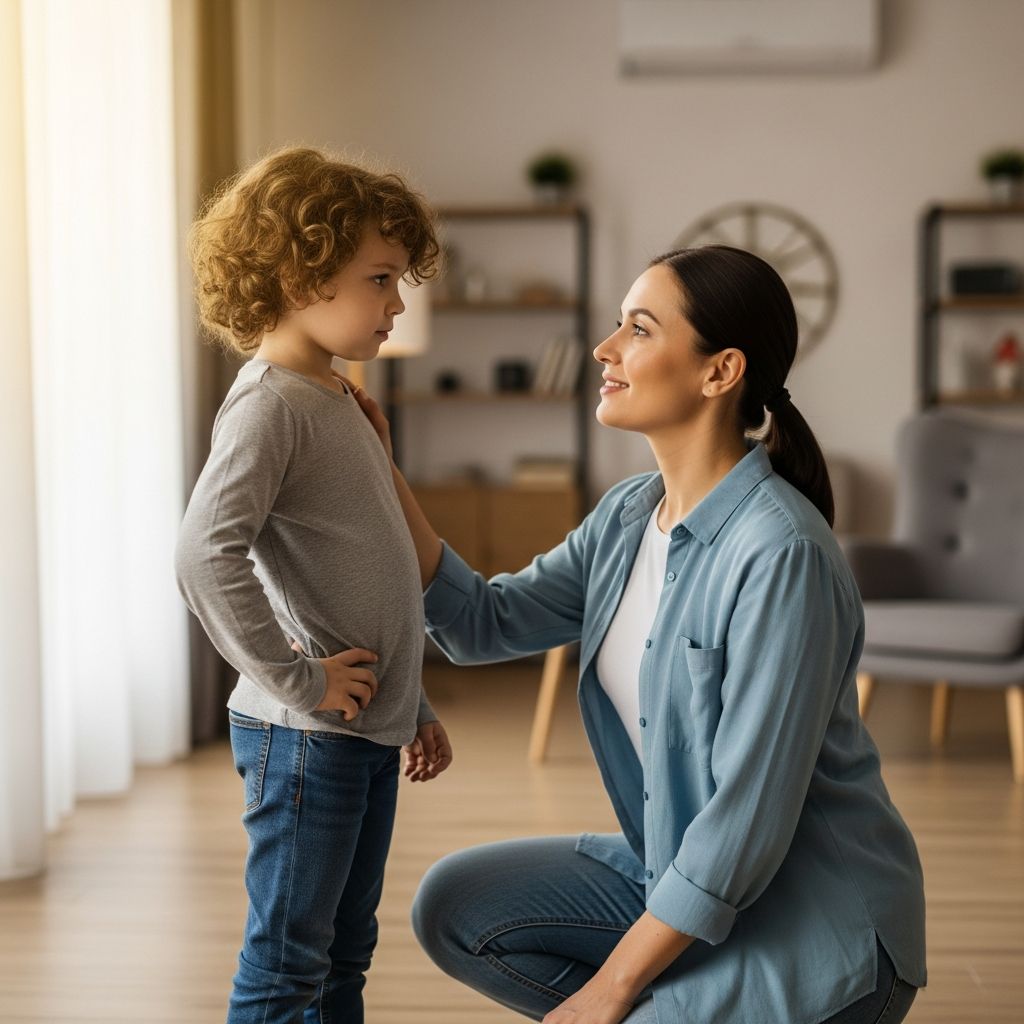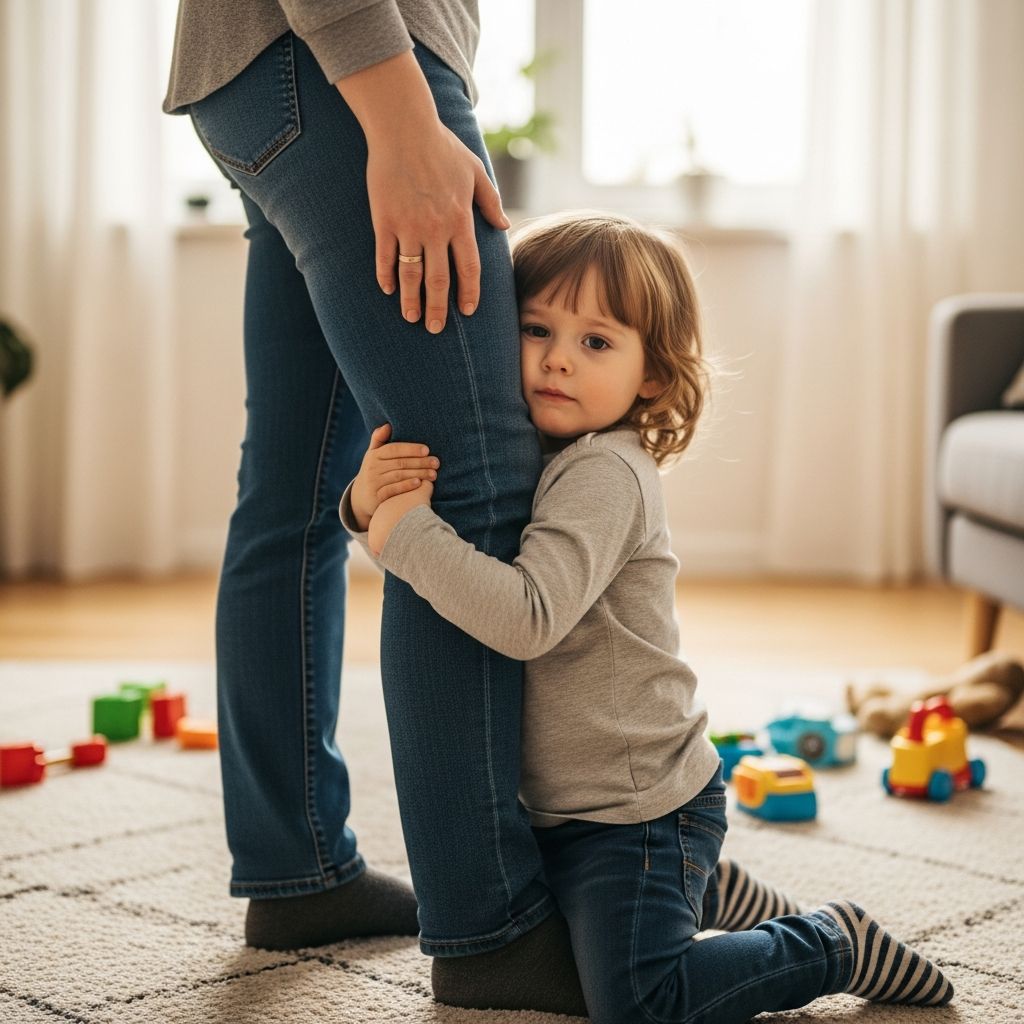
Children who stick to their parents like glue, seeking constant physical or emotional closeness, are often called **velcro kids**. This term captures the intense attachment many youngsters display, from infants refusing to be put down to toddlers shadowing every step and even older kids needing reassurance during separations. Far from a flaw, this behavior signals a deep trust in caregivers, rooted in evolutionary needs for safety and nurturing.
Modern parents, especially millennials, frequently encounter this dynamic, contrasting sharply with more hands-off approaches of previous generations. While endearing at times, persistent clinginess can test parental patience, leading to exhaustion. This article delves into the psychology behind velcro attachments, their developmental timeline, potential upsides and downsides, and actionable advice to support both child and parent well-being.
Defining Velcro Kids and Their Everyday Behaviors
**Velcro kids** exhibit a strong preference for proximity to primary caregivers, often manifesting as physical contact or visual nearness. Infants might cry immediately upon being set down, toddlers could cling to legs during outings, and school-age children may demand frequent check-ins or hesitate at drop-offs. Unlike casual affection, this attachment persists across contexts, intensifying during stress.
Common scenarios include:
- A baby who calms only in arms, fussing in carriers or cribs.
- Preschoolers barging into bathrooms or refusing solo play.
- Teens lightly touching parents for comfort while relaxing nearby.
These patterns stem from a child’s innate drive for security, where parents represent a ‘secure base’ for exploration, as described in attachment theory.
Developmental Roots of Clingy Behavior
Clinginess peaks during predictable growth stages, driven by cognitive and emotional milestones. Newborns rely entirely on adults for survival, fostering initial bonds. Around 8-12 months, **object permanence** emerges—the realization that absent objects (or people) still exist—often sparking fear of permanent loss.
Toddlers (1-3 years) navigate stranger anxiety and first independences, like daycare, amplifying needs for reassurance. School entry brings social pressures, while preteens face puberty’s emotional turbulence, prompting renewed closeness. Disruptions like illness, moves, or pandemics exacerbate these phases, as routines anchor security.
| Age Group | Typical Triggers | Clingy Manifestations |
|---|---|---|
| Infants (0-12 months) | Lack of object permanence, basic needs | Crying when put down, needs constant holding |
| Toddlers (1-3 years) | Stranger anxiety, mobility gains | Leg-clinging, separation protests |
| Preschool/School (4-10 years) | New environments, peer dynamics | Drop-off reluctance, constant check-ins |
| Teens (11+ years) | Hormonal changes, identity shifts | Subtle touches, emotional seeking |
Research confirms no direct link between early attachment styles and prolonged toddler clinginess, emphasizing normality.
Psychological Perspectives: Attachment Theory Insights
John Bowlby’s attachment theory underpins velcro behaviors, positing that secure bonds enable confident exploration. Securely attached children use parents as a ‘safe haven’ during distress, displaying healthy clinginess that fades with maturity.
Velcro tendencies often indicate strong, responsive parenting—quickly attending to cries builds trust. Conversely, inconsistent care might heighten insecurity, though most clingy kids thrive with empathy. The American Academy of Pediatrics notes phases of increased need align with brain development, where proximity soothes budding awareness of separateness.
During global events like the COVID-19 pandemic, constant cohabitation intensified attachments, leaving parents drained yet bonded.
Advantages of Close Parent-Child Bonds
Not all clinginess warrants concern; it fosters resilience. Children with velcro traits often develop superior emotional regulation, empathy, and social skills, as parental responsiveness models healthy relating.
- Emotional Security: Knowing caregivers return builds self-esteem.
- Better Communication: Clingy kids verbalize needs early.
- Long-Term Independence: Secure bases propel bolder adventures.
Experts like pediatricians affirm this as a sign of love and safety, not dependency.
Challenges for Parents: Burnout and Balance
Constant demands erode personal space, risking anxiety, guilt, or spousal strain. Parents report exhaustion from nonstop attention, especially with multiple children. Over time, unaddressed fatigue hampers responsiveness, creating cycles.
Key hurdles:
- Limited self-care time, like solitary showers.
- Partner resentment from uneven loads.
- Sibling jealousy over ‘favorite’ attention.
Recognizing these validates struggles without pathologizing the child.
Practical Strategies to Encourage Gentle Independence
Balancing closeness with autonomy prevents over-reliance. Start small, using consistency and positivity.
- Communicate Expectations: Warn of brief separations, e.g., “Mommy’s in the bathroom for 5 minutes, then we’ll play.” Use timers for tangibility.
- Build Routines: Predictable schedules reassure; designate ‘independent play’ slots with you nearby.
- Involve Others: Transition to trusted adults with fun distractions, rewarding calm goodbyes.
- One-on-One Time: Schedule undivided attention to fulfill needs proactively.
- Comfort Tools: Introduce loveys or photo reminders of your presence.
Patience is paramount—this phase passes, strengthening ties.
When Clinginess Signals Separation Anxiety Disorder
Most velcro phases resolve naturally, but persistent interference with sleep, school, or play may indicate **separation anxiety disorder** (SAD). Symptoms include extreme distress, physical complaints, or nightmares lasting beyond age-appropriateness.
Consult pediatricians if:
- Clinginess disrupts daily functioning.
- Child refuses age-typical independences.
- Symptoms endure post-major changes.
Therapy like cognitive-behavioral approaches helps, with family involvement key.
Real Parent Experiences: Navigating Velcro Phases
Many share triumphs: One mother used sign language for ‘all done’ during holds, easing transitions. Another dad scheduled ‘park dates’ with grandma, praising bravery. These anecdotes highlight community wisdom complementing expert advice.
Generational shifts matter—today’s involved parenting yields velcro kids who later excel independently, defying ‘spoiled’ myths.
Frequently Asked Questions About Velcro Kids
Is having a velcro kid a sign of bad parenting?
No, it often reflects responsive, loving care that builds secure attachments. Clinginess is developmental, not a parenting failure.
How long does the velcro baby phase last?
Varies by child; peaks at 8-18 months, with flares during changes. Most outgrow intensity by preschool.
Can velcro behavior persist into adulthood?
Rarely; healthy childhood attachments promote adult independence. Monitor extremes.
What if my velcro kid ignores other caregivers?
Gradual exposure with positivity helps. Avoid forcing; model enthusiasm.
Does routine help reduce clinginess?
Yes, predictability fosters security, easing separations.
Building Lifelong Secure Attachments
Velcro kids embody the beauty of human connection, urging parents to embrace while gently guiding growth. Responsive presence today paves paths for tomorrow’s adventurers. Prioritize self-care, lean on support, and celebrate each step toward balance.
References
- Millennials Are Raising Velcro Kids — Here’s What That Means — Green Matters. 2023. https://www.greenmatters.com/family/velcro-kids-meaning
- Parenting a ‘Velcro kid?’ Experts share tips and tricks — The Independent. 2024-10-15. https://www.the-independent.com/life-style/velcro-kid-clingy-parenting-tips-b2887892.html
- What Is A Velcro Baby? and How to Cope With Clinginess — The Bump. 2024. https://www.thebump.com/a/coping-with-a-clingy-baby