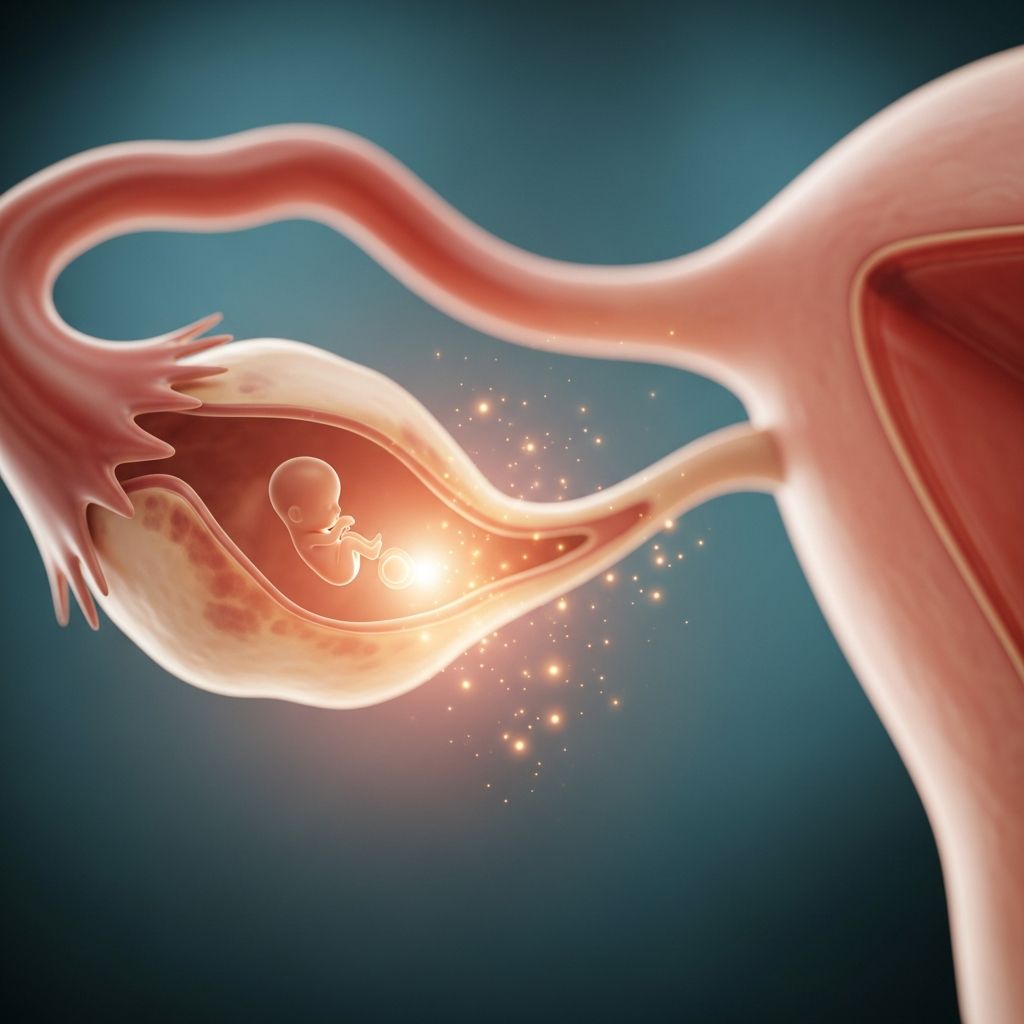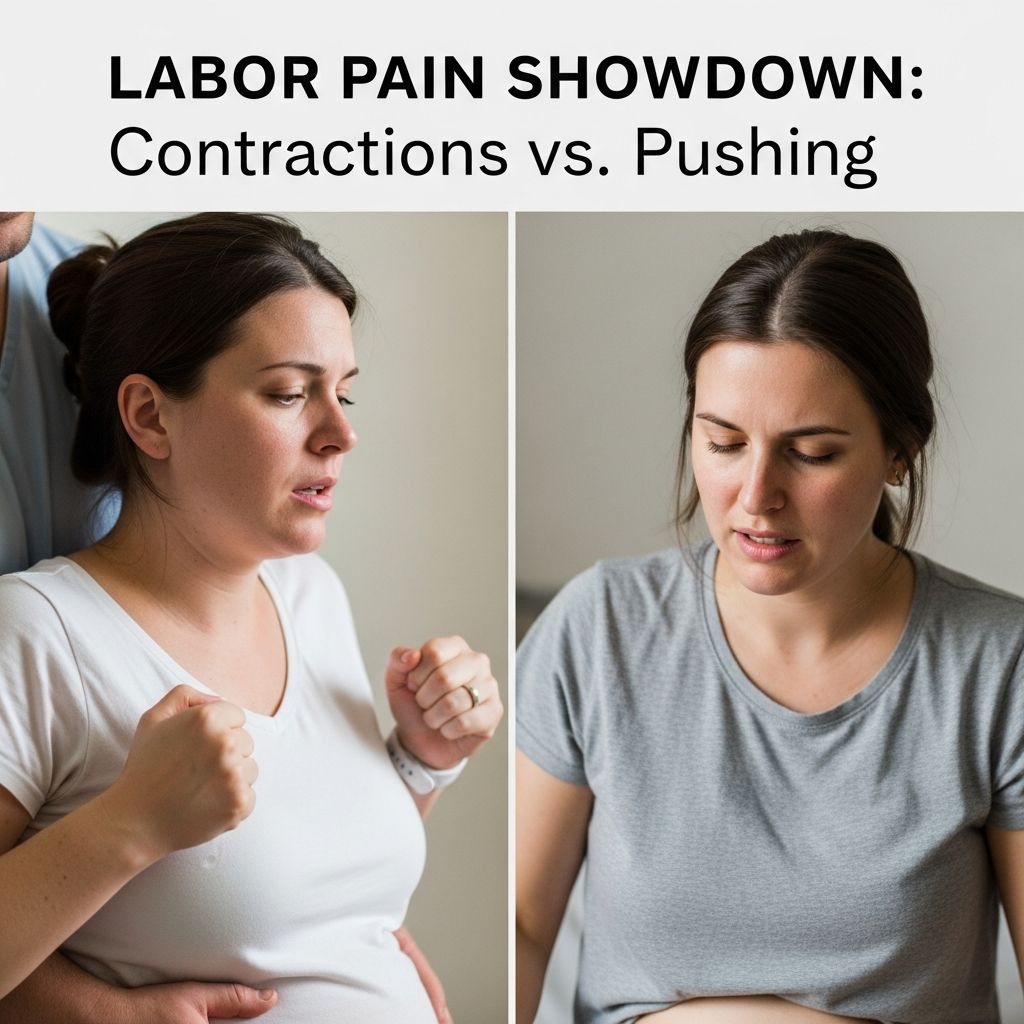
Childbirth involves two primary pain experiences: the building waves of contractions that dilate the cervix and the intense bearing down of the pushing phase. While individual experiences vary, contractions often dominate as the more prolonged and intensifying discomfort, whereas pushing can bring a sense of productive release despite its ferocity.
Understanding Contractions: The Building Storm of Early Labor
Contractions mark the onset of labor, serving as rhythmic tightenings of the uterine muscles to efface and dilate the cervix from 0 to 10 centimeters. These waves typically begin mildly, resembling menstrual cramps or lower back pressure, but escalate in strength, duration, and frequency as labor advances.
Subjectively, many describe contractions as a deep, internal vise gripping the abdomen, akin to a severe charley horse amplified across the uterus’s watermelon-sized expanse. The sensation builds gradually: starting with tension in the back or pelvis, wrapping around the front, peaking midway with sharp downward pressure from the fundus against the baby’s head, then easing as muscles relax. This wave-like pattern distinguishes true labor from false ones, with peaks lasting 20-70 seconds and intervals shortening from 20 minutes to 3-5 minutes in active labor.
- Early labor: Mild cramping, 20-30 seconds long, 15-20 minutes apart.
- Active labor: Stronger waves, 45-60 seconds, 3-5 minutes apart, often with back or rectal pressure.
- Transition: Intense peaks up to 90 seconds, 2-3 minutes apart, sometimes overwhelming.
Between contractions, complete relief allows recovery, but the progressive intensification can feel relentless, contributing to exhaustion.
The Pushing Phase: From Urge to Delivery
Once fully dilated, the second stage shifts to pushing, where the irresistible urge to bear down propels the baby through the birth canal. This phase, lasting 15 minutes to a few hours for first-time mothers, involves coordinated efforts with involuntary contractions.
Pain here differs: less about tightening and more about immense pressure, stretching, and burning in the perineum as the baby’s head descends and crowns. Many report a ‘ring of fire’ sensation—sharp, fiery stretching—but also relief from actively participating rather than passively enduring. Unlike contractions’ buildup, pushing aligns with the urge, making it feel purposeful.
| Aspect | Contractions | Pushing |
|---|---|---|
| Duration per Event | 20-90 seconds | 60-90 seconds, with pushes in between |
| Sensation | Cramping, tightening, building waves | Pressure, stretching, urge to bear down |
| Frequency | Progressively closer | With each contraction until delivery |
| Overall Feel | Prolonged intensity | Productive release |
Why Contractions Often Hurt More: Medical Perspectives
Research and clinical observations indicate contractions typically register higher on pain scales due to their duration across the first stage (up to 20 hours) and involuntary nature. The uterus’s vertical muscle fibers pull the cervix open while the fundus presses down, creating synchronized tension without voluntary control. Pain intensifies as dilation progresses, with transition phase contractions cited as most excruciating.
In contrast, pushing empowers action: women ‘work with’ the pain, shortening the phase via effective technique. Some studies note reduced pain perception here, as endorphins surge and visible progress motivates. However, variables like fetal position or maternal fatigue can intensify either.
Influencing Factors: Positions and Body Mechanics
Birth position profoundly impacts pain. Upright postures like squatting leverage gravity, facilitating fetal descent, reducing contraction pain, and easing pushing. A comparative study found squatting yielded lower pain scores (e.g., VAS 2.48 latent phase vs. 5.33 sitting) across stages, minimizing back pain and accelerating progress.
- Squatting/Standing: Enhances rotation, lowers pain via gravity.
- Lithotomy/Supine: Increases back pain, contraction frequency, delays labor.
- Hands-and-Knees: Relieves posterior baby pressure.
Forward-leaning reduces low back pain by aligning the pelvis optimally.
Managing Contraction Pain: Strategies for Each Wave
Non-pharmacologic relief focuses on movement, as contractions urge swaying or walking, mimicking cramp relief. Hydrotherapy, breathing (e.g., pant through peaks), counter-pressure on the lower back, and visualization transform pain into manageable surges.
Epidurals or nitrous oxide offer medical options, but early labor mobility preserves strength. TENS units or sterile water injections target back labor effectively.
Optimizing the Pushing Experience
Delay pushing until the urge hits to avoid cervical swelling; instead, pant or blow. Closed-glottis pushing in upright positions maximizes efficiency, reducing tears and fatigue. Perineal massage pre-labor and warm compresses during crowning mitigate the ring of fire.
Mental Preparation: Reframing Labor Pain
Pain descriptors vary—cramping, throbbing, sharp—but framing as ‘work’ or ‘power surges’ shifts perception. Hypnobirthing, doula support, and partner involvement build resilience. Postpartum, contractions resume mildly to expel the placenta.
Frequently Asked Questions
How do I know if it’s true labor contractions?
True contractions firm the belly evenly (like forehead touch), follow a wave pattern building to peak and fading, and intensify over time—longer, stronger, closer.
Does pushing hurt less than contractions?
Often yes; pushing feels productive with an urge to act, contrasting passive contraction endurance, though crowning stings intensely.
What’s the best position to reduce labor pain?
Squatting or upright positions significantly lower pain scores compared to sitting or supine, aiding gravity and fetal alignment.
How long do contractions last in each labor stage?
Early: 20-40s, 15-20min apart; Active: 45-60s, 3-5min; Transition: 60-90s, 2-3min.
Can I manage pain without medication?
Yes—movement, water immersion, breathing, positions, and support effectively ease most contractions.
Preparing for Your Unique Labor Journey
Every birth is personal; prenatal classes, birth plans, and open provider discussions tailor strategies. Focus on rest early, hydration, and trusting your body’s signals for an empowered experience.
References
- What do contractions feel like? — Andaluz Waterbirth Center. Accessed 2026. https://www.waterbirth.net/blog/what-do-contractions-feel-like
- Stages of labor and birth: Baby, it’s time! — Mayo Clinic. 2023-10-12. https://www.mayoclinic.org/healthy-lifestyle/labor-and-delivery/in-depth/stages-of-labor/art-20046545
- Contractions: Pregnancy, How They Feel & How Long They Last — Cleveland Clinic. 2024-05-15. https://my.clevelandclinic.org/health/symptoms/contractions
- Comparative study on the influence of three delivery positions on pain severity — National Institutes of Health (PMC). 2016-07-20. https://pmc.ncbi.nlm.nih.gov/articles/PMC4979260/
- Labor Pain Basics — National Partnership for Women & Families. 2022-11-01. https://nationalpartnership.org/childbirthconnection/giving-birth/labor-pain/basics/