The Increasing Rate of Multiple Births and What Drives It
The frequency of twin and multiple pregnancies has grown substantially over recent decades. This upward trend is primarily driven by two interconnected factors: the widespread use of assisted reproductive technologies and the tendency for individuals to delay childbearing until their thirties and beyond. As more people pursue fertility treatments and become pregnant at older ages, the natural incidence of multiple gestations has climbed significantly. Understanding this phenomenon requires examining both the biological mechanisms that make multiple pregnancies more likely and the lifestyle choices that have reshaped modern reproduction.
The demographic shift toward later parenthood deserves particular attention. When individuals postpone pregnancy, their bodies undergo physiological changes that can influence ovulation patterns. The combination of delayed childbearing with medical interventions designed to enhance fertility has created a perfect environment for increased multiple births. Recognizing these trends helps prospective parents understand their own circumstances and make informed decisions about family planning.
Genetic Predisposition: The Family Connection
One of the most significant factors determining whether a pregnancy will result in multiples is genetics. A strong family history substantially increases the probability of conceiving twins or higher-order multiples. This hereditary component is particularly pronounced through the maternal lineage, meaning that if a parent or grandparent on the mother’s side gave birth to multiples, the likelihood of experiencing multiple births increases considerably.
The genetic influence operates through a specific biological mechanism. Individuals who are predisposed to releasing multiple eggs during ovulation—a trait called hyperovulation—can pass this tendency to their daughters and other female relatives. This inherited tendency makes multiple conceptions more probable even without medical intervention. Interestingly, this genetic advantage does not typically pass through the paternal line in the same way, though research continues to explore all hereditary pathways.
If you or your partner have twins in your family, especially among first-degree relatives like parents or siblings, discussing this history with your healthcare provider can provide valuable context for your own reproductive journey. Genetic counseling may be particularly helpful for those with strong family histories of multiples who are considering fertility treatment or family planning.
The Role of Maternal Age in Multiple Pregnancies
Advancing maternal age represents a significant factor in the occurrence of multiple pregnancies. Research consistently shows that individuals assigned female at birth who are over thirty years old experience higher rates of multiple conceptions compared to younger reproductive-age individuals. This pattern becomes even more pronounced as maternal age continues to increase into the mid-thirties and beyond.
The biological explanation involves hormonal changes that accompany aging. As individuals age, their bodies produce different levels of follicle-stimulating hormone (FSH), a hormone that regulates ovulation. Higher FSH levels can stimulate the release of multiple eggs during a single cycle, thereby increasing the chances of conceiving multiples naturally. Additionally, individuals who have delayed childbearing often accumulate other risk factors—such as increased body weight or the presence of certain medical conditions—that can further elevate the probability of multiple births.
The intersection of age with other variables creates a cumulative effect. An individual in their mid-thirties who also has a family history of twins faces substantially higher odds than a younger person without genetic predisposition. Healthcare providers increasingly recognize the importance of tailoring prenatal care specifically to older mothers expecting multiples, as this population faces particular health considerations.
Assisted Reproductive Technologies and Controlled Conception
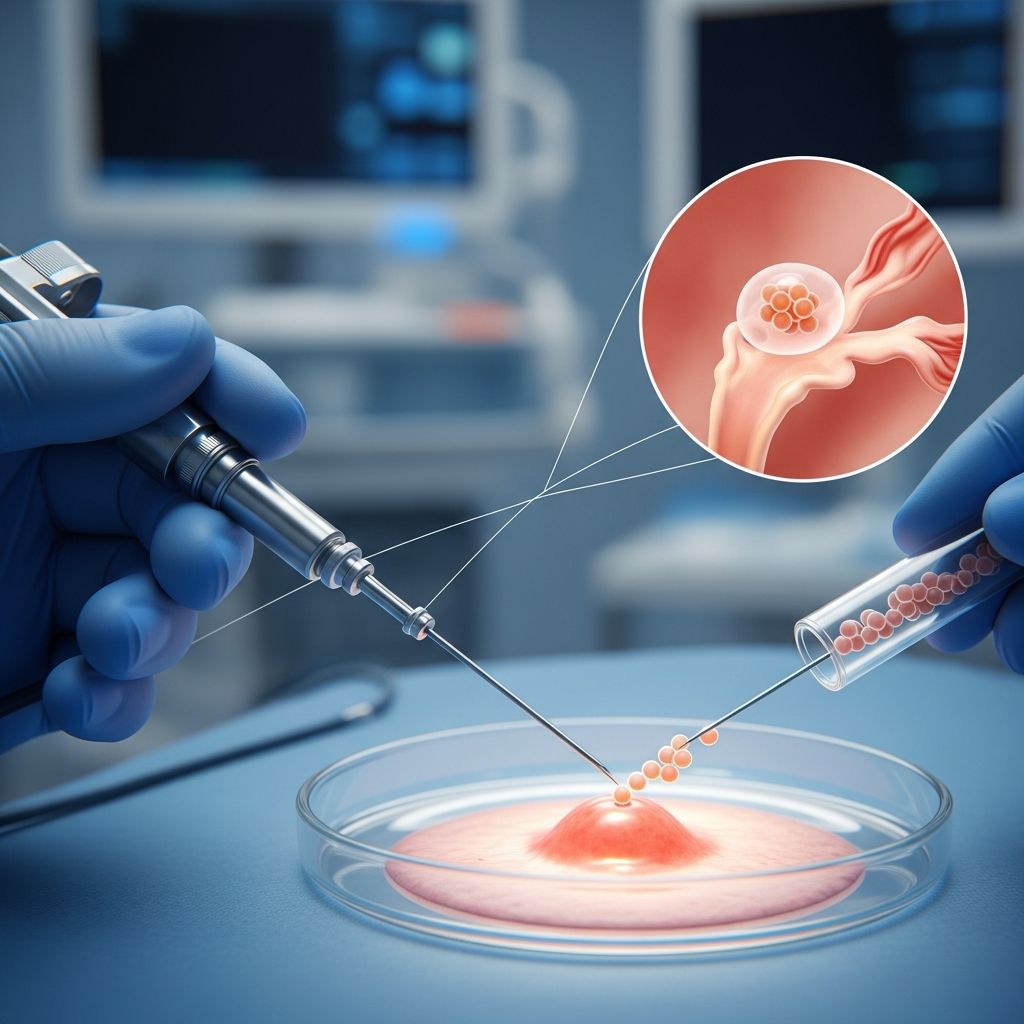
Fertility treatments have become one of the most reliable predictors of multiple pregnancies in contemporary medicine. Various assisted reproductive technologies (ART), particularly in vitro fertilization (IVF), significantly increase the likelihood of conceiving multiples. The mechanisms behind this increase are straightforward: fertility specialists intentionally transfer multiple fertilized embryos into the uterus to maximize the probability of successful implantation and pregnancy.
IVF and similar procedures work by creating conditions favorable to multiple conceptions. Rather than relying on the chance release of a single egg during ovulation, medical professionals collect multiple eggs, fertilize them in a laboratory setting, and then introduce several embryos into the uterus simultaneously. While techniques have evolved to sometimes prioritize single-embryo transfer to reduce multiple pregnancy rates, many patients and practitioners continue to opt for multiple embryo transfers to improve overall success rates for achieving pregnancy.
Fertility drugs also contribute to increased multiple pregnancy rates, though through a different mechanism than IVF. Medications that stimulate ovulation can prompt the release of multiple eggs during a single cycle, thereby increasing the natural probability of multiple conceptions. Individuals undergoing these treatments should have thorough discussions with their fertility specialists about the likelihood and implications of multiple pregnancies.
Racial and Ethnic Variations in Twin Birth Rates
Research demonstrates significant variations in the likelihood of multiple births across different racial and ethnic populations. These differences reflect complex interactions between genetic factors, cultural practices regarding family planning, and access to fertility treatments.
African-American individuals assigned female at birth consistently show the highest natural rates of twin conception among racial and ethnic groups in North America. This elevated rate reflects both genetic predisposition within this population and higher rates of natural hyperovulation. In contrast, Asian-American and Native American populations experience notably lower rates of twin pregnancies. White populations occupy an intermediate position for twin births but lead in rates of higher-order multiples, particularly triplets and beyond, especially among those over thirty-five years of age.
These variations highlight important considerations for reproductive medicine and prenatal care. Healthcare providers should remain aware of these demographic patterns while recognizing that individual risk profiles vary considerably within any population group. Culturally competent care that acknowledges these differences while avoiding stereotyping is essential for supporting diverse families expecting multiples.
Previous Pregnancy History and Cumulative Risk
Individuals who have experienced previous pregnancies, particularly multiple pregnancies, face elevated risks of conceiving multiples in subsequent pregnancies. This cumulative effect reflects physiological changes that occur with each pregnancy. The uterus and reproductive system undergo permanent alterations that can persist for many years, influencing future ovulation patterns and conception likelihood.
The body’s adaptation to previous pregnancies—particularly multiple pregnancies—creates conditions that favor the release of multiple eggs. Hormonal patterns may shift, and the uterine environment may be altered in ways that increase susceptibility to multiple conceptions. For individuals planning additional children, a history of twins in prior pregnancies substantially increases the probability of twins in future pregnancies as well.
This consideration becomes particularly important for family planning discussions. Those who have previously carried multiples should understand that their likelihood of subsequent multiple pregnancies remains elevated throughout their reproductive years. This information can help guide decisions about spacing between pregnancies and the timing of family expansion.
Body Mass Index and Ovulatory Patterns
Research indicates that body mass index (BMI) influences the probability of multiple pregnancies, though the relationship is nuanced. Individuals with higher BMI values tend to experience different ovulatory patterns compared to those with lower BMI, and these patterns can affect the likelihood of releasing multiple eggs.
The physiological mechanism involves how fat tissue interacts with estrogen metabolism. Adipose tissue produces estrogen, and individuals with higher body weight have elevated estrogen levels. These higher estrogen concentrations can stimulate increased FSH production, which in turn can trigger the release of multiple eggs during ovulation. While this correlation exists, it is important to note that BMI represents just one variable among many factors influencing multiple pregnancy rates.
Healthcare providers should approach BMI discussions with sensitivity while providing evidence-based information about how various factors, including weight, can influence fertility and pregnancy outcomes. For individuals planning pregnancy who have concerns about BMI, consulting with healthcare providers about evidence-based approaches to health optimization can provide personalized guidance.
Health Complications Associated with Twin Pregnancies
Twin pregnancies present distinct medical challenges compared to singleton pregnancies. Mothers expecting multiples face substantially higher risks of developing gestational hypertension and preeclampsia—serious conditions involving elevated blood pressure during pregnancy. These conditions can have significant consequences for maternal and fetal health if not carefully managed.
Additionally, women carrying multiples experience higher rates of gestational diabetes mellitus, a temporary form of diabetes that develops during pregnancy. The metabolic demands of supporting two developing fetuses place greater stress on maternal glucose regulation systems, increasing the likelihood of glucose intolerance during pregnancy.
Growth restriction represents another common concern in multiple pregnancies. When twins share a placenta or when placental insufficiency occurs, one or both babies may not receive adequate nutrition for optimal growth. Medical professionals monitor fetal growth carefully throughout multiple pregnancies, with particular attention paid after thirty weeks of gestation, when growth naturally slows in multiple pregnancies.
Babies born from multiple pregnancies also face elevated risks of premature delivery. The uterus experiences increased strain when housing multiple fetuses, and the likelihood of spontaneous preterm labor increases substantially. Premature birth carries its own set of health challenges for newborns, including respiratory distress, temperature regulation difficulties, and the need for intensive neonatal care.
Chorionicity: Understanding Placental Arrangement
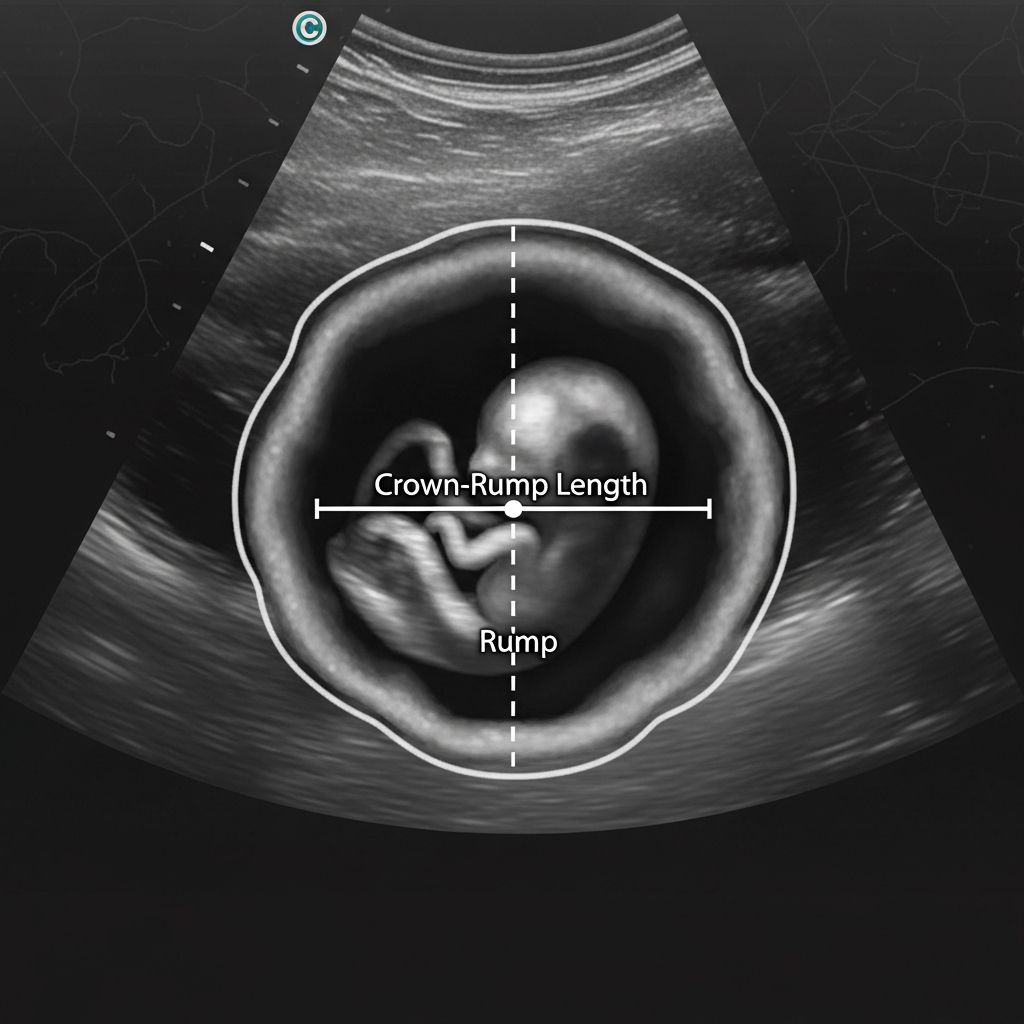
An important distinction in twin pregnancies involves placental configuration, medically termed chorionicity. Twins can be dichorionic (each twin has a separate placenta) or monochorionic (twins share a single placenta). The placental arrangement significantly influences pregnancy risks and perinatal outcomes.
Monochorionic twin pregnancies carry elevated risks for complications. Shared placental tissue can lead to unequal blood flow distribution between fetuses, a condition called twin-to-twin transfusion syndrome (TTTS). Additionally, monochorionic twins face higher risks of stillbirth, neonatal admission to intensive care units, and preterm delivery compared to dichorionic twins or singleton pregnancies.
Dichorionic twins, with separate placentas, experience lower complication rates, though their risks remain higher than singleton pregnancies overall. Ultrasound evaluation early in pregnancy typically determines chorionicity, information that guides clinical management and helps prepare parents and healthcare providers for potential complications.
Maternal Cardiovascular Changes and Postpartum Recovery
Recent research has revealed that mothers of twins experience substantial cardiovascular stress during pregnancy and the postpartum period. The maternal heart must work considerably harder to support two developing fetuses, leading to significant physiological demands. The maternal cardiovascular system requires weeks to normalize after delivery, and during this recovery period, mothers of twins face elevated risks of cardiovascular complications.
Studies demonstrate that mothers of twins have approximately twice the risk of cardiovascular hospitalization compared to mothers of singletons in the year following delivery. For mothers who experienced hypertensive disorders during pregnancy, this risk increases even more dramatically. Healthcare providers increasingly recognize the importance of monitoring maternal cardiovascular health during the postpartum period for mothers of multiples, particularly those with pregnancy-related hypertension.
Neonatal Health Outcomes and Long-Term Development
Babies born from twin pregnancies face distinct health trajectories compared to singletons. Much of the increased health risk stems from prematurity—twins are born earlier on average than singletons, and prematurity itself carries numerous short-term and long-term health implications.
Newborn twins more frequently require admission to neonatal intensive care units (NICU) for specialized support. Respiratory challenges, feeding difficulties, temperature regulation problems, and jaundice occur at higher rates in premature infants. Twins also face increased risks of congenital anomalies, particularly when sharing a placenta.
Long-term follow-up studies show that when gestational age is controlled for—meaning twins and singletons born at the same gestational age are compared—many of the health disparities narrow considerably. This finding underscores the central role of prematurity in driving adverse outcomes for twins. However, twins born at similar gestational ages to singletons still experience slightly elevated risks for certain complications, suggesting that the intrauterine environment itself may present unique challenges.
Frequently Asked Questions About Multiple Pregnancies
Can I prevent having twins if multiples run in my family?
While genetic predisposition increases the probability of multiple conceptions, there is no guaranteed method to prevent twins if you are naturally prone to releasing multiple eggs. However, avoiding fertility treatments is one way to reduce the likelihood of medically-assisted multiple pregnancies. If you have strong concerns about conceiving multiples, discussing family planning strategies with your healthcare provider can help you understand your individual risk profile and make informed decisions.
Does paternal family history of twins influence my pregnancy?
Paternal family history—twins on the father’s side of the family—does not significantly influence the likelihood of multiple conceptions. The genetic predisposition toward hyperovulation passes primarily through the maternal lineage. However, paternal genetics may influence other aspects of pregnancy and offspring health through different mechanisms.
At what age does the risk of twins increase most notably?
The increased likelihood of multiple pregnancies becomes most pronounced after age thirty, with continued elevation into the mid-thirties and beyond. The risk does not dramatically spike at a specific age but rather increases gradually with advancing maternal age due to hormonal changes that accompany aging.
How are twins monitored differently during pregnancy?
Multiple pregnancies require more frequent ultrasound examinations and specialized monitoring compared to singleton pregnancies. Healthcare providers assess placental configuration, fetal growth, amniotic fluid levels, and cervical changes at regular intervals. Mothers of multiples should expect more frequent prenatal appointments and specialized care from perinatologists or maternal-fetal medicine specialists.
What should I expect during delivery with twins?
Twin deliveries require specialized planning and typically occur in hospital settings with obstetric and neonatal teams present. The presentation of each twin—whether head-down or breech—influences delivery method recommendations. Many twin pregnancies deliver vaginally if the presenting twin is in head-down position, though cesarean delivery may be recommended depending on individual circumstances.
References
- Risk factors for adverse outcomes in twin pregnancies — PubMed/National Center for Biotechnology Information. 2023. https://pubmed.ncbi.nlm.nih.gov/37518183/
- Mothers of twins face a higher risk of heart disease in the year after birth — European Society of Cardiology. https://www.escardio.org/The-ESC/Press-Office/Press-releases/mothers-of-twins-face-a-higher-risk-of-heart-disease-in-the-year-after-birth
- Twins vs singletons—Long-term health outcomes — National Center for Biotechnology Information. https://pmc.ncbi.nlm.nih.gov/articles/PMC10377983/
- Multiple Pregnancy: What You Need to Know — Brigham and Women’s Hospital. https://www.brighamandwomens.org/campaigns/mfm-nicu/multiple-pregnancy-what-you-need-to-know
- Overview of Multiple Pregnancy — Stanford Medicine Children’s Health. https://www.stanfordchildrens.org/en/topic/default?id=overview-of-multiple-pregnancy-85-P08019
- Multiple Birth: Twins, Triplets, Complications & Symptoms — Cleveland Clinic. https://my.clevelandclinic.org/health/articles/9710-expecting-twins-or-triplets
- FastStats – Multiple Births — Centers for Disease Control and Prevention. https://www.cdc.gov/nchs/fastats/multiple.htm