The liver is one of the hardest-working organs in your body, even though you probably never feel it doing its job. It quietly keeps you energized, helps you digest food, and protects you from many things that could make you sick.
Think of your liver as a super-smart control center that cleans, stores, and manages important substances every second of the day.
Where Is the Liver and What Does It Look Like?
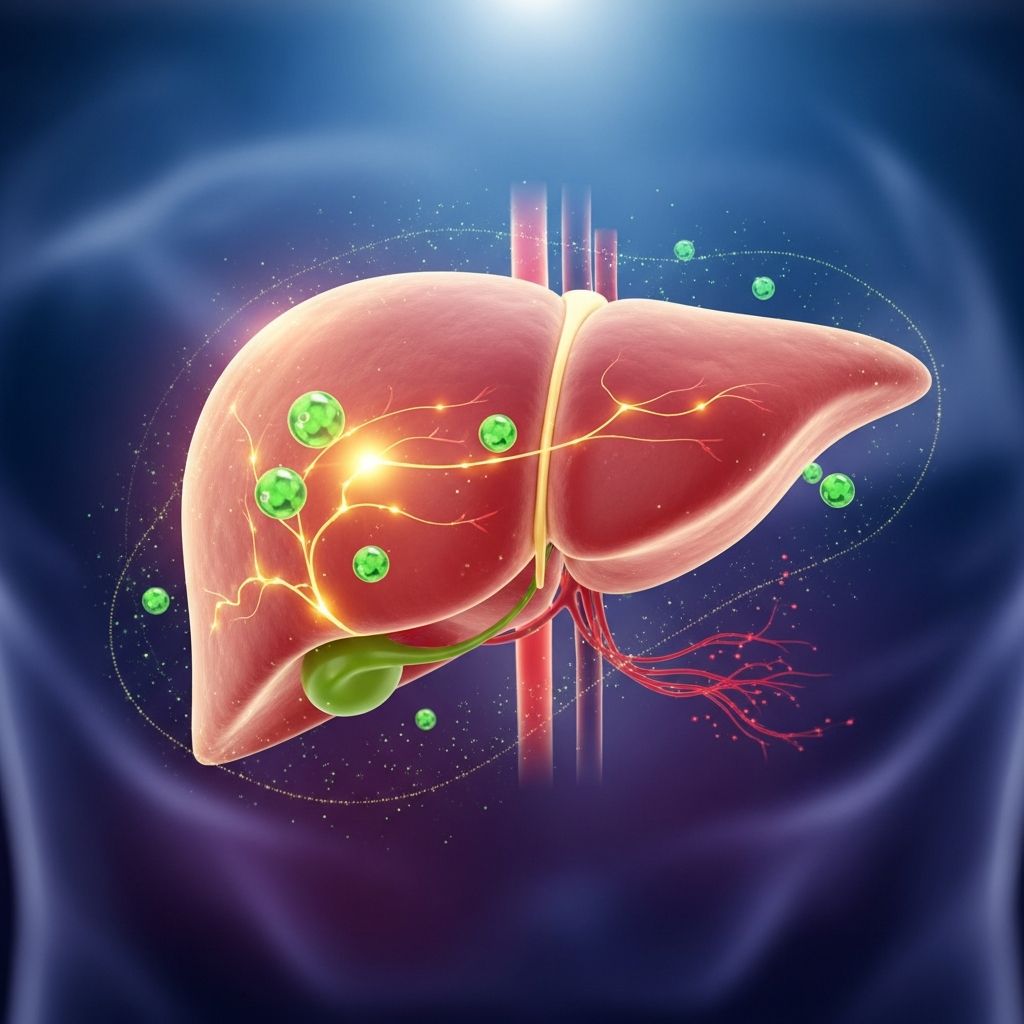
The liver sits in the upper right side of your abdomen, just under your ribs. You cannot see it from the outside, but if you could, you would notice that it is large, soft, and usually has a reddish-brown color because it holds a lot of blood.
In children, the liver is one of the biggest internal organs. As you grow, it grows too and keeps adjusting to what your body needs.
- The liver is tucked safely under your rib cage for protection.
- It connects to blood vessels that bring blood in from your intestines and send cleaned blood back out to the rest of your body.
- It also connects to small tubes that carry a special fluid called bile to the digestive system.
Why the Liver Matters So Much
Almost everything you eat, drink, or breathe in eventually passes through your liver. That makes it a control station for fuel, building materials, and cleanup. Without a working liver, your body would not be able to turn food into useful energy or remove harmful substances properly.
Because the liver affects so many processes at once, doctors sometimes call it a multitasking organ. It is always active, even while you sleep.
Main Jobs of the Liver
- Energy manager: Stores and releases sugar so your energy stays steady during the day.
- Body’s filter: Removes or changes substances that could be harmful, like some medicines and natural wastes.
- Digestive helper: Makes bile, which helps break down fats in your food.
- Builder: Creates proteins that help blood clot and carry important substances around your body.
How the Liver Helps You Use Food
When you eat, your stomach and intestines break food into smaller pieces. These tiny pieces of nutrients then travel in the blood to the liver. The liver decides what to use right away and what to save for later.
This process keeps your body supplied with fuel and materials to build and repair cells, muscles, and other organs.
Turning Food Into Fuel
- Carbohydrates: The liver turns some carbohydrates into a kind of sugar your body uses for quick energy.
- Storage form (glycogen): Extra sugar is stored in the liver as a special backup fuel that can be released when you need it, such as between meals or during exercise.
- Proteins and fats: The liver helps break down and rearrange parts of proteins and fats so your body can use them to make cells, hormones, and more.
Bile: The Liver’s Special Digestive Juice
The liver creates a thick, yellow-green liquid called bile. Bile travels through tiny tubes inside the liver and then into the small intestine, where it helps you digest fats.
Without enough bile, your body would have a hard time using the fat in foods like milk, cheese, nuts, and oils.
What Bile Does
- Breaks large drops of fat into much smaller bits so enzymes can work on them.
- Helps your body absorb certain vitamins that dissolve in fat, such as vitamins A, D, E, and K.
- Gives some color to your poop when leftover bile leaves the body.
The Liver as a Cleaner and Protector
Your blood can pick up all kinds of substances, from nutrients to natural waste products. The liver acts like a cleaning station by checking and changing many of these substances before they travel to the rest of the body.
Some materials are broken down so they can be safely removed in urine or poop. Others are changed into forms your body can use or store.
Filtering and Detoxifying
- Natural wastes: The liver changes waste products from normal body processes into safer forms.
- Medicines: Many medicines you take pass through the liver, which adjusts them so your body can use them correctly or remove them.
- Chemicals: Some chemicals from food, drinks, or the environment are processed in the liver so they do not build up to dangerous levels.
Helping Blood Do Its Job
Your blood needs certain proteins to clot when you get a cut and to transport substances like fats and hormones around your body. The liver makes many of these special proteins every single day.
If the liver does not work well, blood may not clot normally, and bruises or bleeding might happen more easily.
| What the Liver Makes | What It Does |
|---|---|
| Clotting proteins | Help stop bleeding when you get a cut or scrape. |
| Carrier proteins | Move fats, hormones, and other substances through the blood. |
| Special building blocks | Support growth, repair, and immune system functions. |
The Liver and Vitamins
The liver acts like a storage room for certain vitamins and minerals. When you eat a meal rich in vitamins, your liver keeps some of them in reserve so your body can use them later.
This storage helps your body handle short times when you might not get enough of a vitamin in your food.
- Some vitamins that depend on bile for absorption are stored in the liver for future use.
- The liver also holds minerals like iron, which are important for healthy blood and energy.
How the Liver Works With Other Organs
The liver does not work alone. It is part of a team that includes your stomach, intestines, pancreas, gallbladder, heart, and kidneys. Each organ has its own job, but they constantly share information through the blood and hormones.
For example, when you eat, your intestines send nutrient-rich blood to the liver, and hormones from the pancreas signal how much sugar should be stored or released.
| Organ | How It Teams Up With the Liver |
|---|---|
| Stomach and intestines | Break food into nutrients that travel to the liver through the blood. |
| Pancreas | Sends hormones that help the liver decide how to handle sugar. |
| Gallbladder | Stores and releases bile made by the liver. |
| Kidneys | Help remove wastes that the liver has processed. |
Everyday Habits That Support a Healthy Liver
Even kids can take simple steps to support their liver. Healthy habits give the liver less to clean up and more of the nutrients it needs to work well.
These habits do not need to be perfect, but making good choices most of the time can make a big difference over the years.
Food and Drink Choices
- Choose a variety of fruits and vegetables for natural vitamins and fiber.
- Pick whole grains such as oatmeal, brown rice, and whole-grain bread more often.
- Keep sugary drinks, candy, and very greasy fast foods as occasional treats instead of everyday items.
- Drink water regularly to help your body and liver move nutrients and wastes effectively.
Activity and Rest
- Play active games, ride bikes, walk, dance, or join sports to help your body use stored energy.
- Aim for regular bedtimes so your body, including your liver, can recover and reset each night.
When the Liver Is Under Stress
Although the liver is strong and can repair itself in many situations, it can still become irritated or damaged. This may happen due to infections, certain medicines taken in large amounts, or other health conditions.
Some liver problems are short-term and improve with care, while others are long-lasting and may need regular medical attention.
Possible Signs Something Is Wrong
Only a doctor can diagnose a liver problem, but there are some signs that might lead a family to seek medical help.
- Feeling very tired for a long time without a clear reason.
- Yellowish color in the skin or whites of the eyes, called jaundice.
- Dark urine or very pale-colored poop.
- Stomach pain, especially in the upper right side of the abdomen.
- Getting bruises or nosebleeds more easily than usual.
How Doctors Check Liver Health
If a doctor wants to see how a liver is working, there are several tools that can help. These do not always mean something serious is wrong; sometimes they are used just to be sure everything is okay.
Some tests look at the structure of the liver, while others measure how well it is doing its many jobs.
- Physical exam: The doctor may gently feel the abdomen to check liver size and tenderness.
- Blood tests: These can measure substances related to liver function, such as certain enzymes and proteins.
- Imaging tests: Scans like ultrasound can show the shape and texture of the liver.
Medicines and the Liver
Because many medicines are processed in the liver, it is important to take them exactly as directed by a trusted adult and a healthcare professional. Taking more than the recommended amount, or mixing medicines without guidance, can strain or damage the liver.
Parents and caregivers should always follow instructions on medicine labels and talk to a doctor or pharmacist if they have questions.
- Never take someone else’s prescription medicine.
- Do not treat medicine like candy; keep it stored safely out of young children’s reach.
- Always tell your doctor about any vitamins, supplements, or herbal products you are using.
Protecting the Liver From Infections
Certain viruses can affect the liver and cause illness. Some of these infections can be prevented or their risks lowered through vaccines, hygiene, and safe habits.
Keeping germs away from your mouth and staying up to date with recommended shots are simple but powerful protections.
- Wash hands with soap and water, especially after using the bathroom and before eating.
- Do not share toothbrushes, razors, or anything that may have another person’s blood or saliva on it.
- Follow your doctor’s schedule for vaccines that help protect liver health.
Fun Facts About the Liver
Even though the liver is serious about its work, it also has some fun and surprising traits. Learning these can make this hidden organ easier to remember.
- The liver can perform hundreds of different tasks at the same time.
- It is the only internal organ that can regrow part of itself after some types of damage.
- In an average adult, the liver can weigh as much as a small melon.
Simple Checklist for Kid-Friendly Liver Care
A healthy liver is a long-term project, but it starts with small choices made every day. Kids can use this simple checklist as a reminder.
- Eat colorful fruits and vegetables most days.
- Choose water or milk more often than sugary drinks.
- Play actively for at least some time every day.
- Wash hands regularly and follow vaccine schedules.
- Only take medicines that a trusted adult and doctor say are okay.
FAQs About the Liver for Kids
1. Can I live without my liver?
No. The liver does so many vital jobs that a person cannot live without it. In very serious situations, some people may need a liver transplant, which means receiving a healthy liver from a donor.
2. Why does the liver get bigger sometimes?
Sometimes the liver becomes enlarged when it is swollen or under stress from an infection, extra fat, or another condition. Doctors can check this with exams and tests to find out what is causing the change.
3. Does my liver hurt when something is wrong?
Not always. Some liver problems cause pain or discomfort in the upper right part of the belly, but others are more silent. That is why blood tests and checkups are important when doctors suspect an issue.
4. Is it okay to eat treats if I want a healthy liver?
Yes, most people can enjoy sweets or fast food sometimes. The key is balance: eating mostly nourishing foods and keeping very sugary or greasy items as occasional extras, not everyday choices.
5. How can I remember what the liver does?
A simple way is to think of three words: clean, store, and support. The liver cleans your blood, stores energy and vitamins, and supports digestion and blood health all at the same time.
Helping Your Liver Help You
Your liver works nonstop to keep you active, growing, and protected. Even though it stays hidden, it has a huge impact on how you feel every day.
By choosing nourishing foods, staying active, using medicines responsibly, and following good hygiene, you give this silent superhero the support it needs to take care of you for life.