Feeling sick is never fun, but it can be even more confusing when you are told that what you have is contagious. Knowing what this means, how infections spread, and what you can do about it gives you more control over your own health and helps you protect the people around you.
What Does “Contagious” Really Mean?
When a disease is described as contagious, it means it can spread from one person to another, usually through germs such as viruses or bacteria that move between people in everyday situations.1
Not every infection is contagious. Some illnesses come from things like genetic conditions, allergies, or environmental exposures that cannot be passed on to others.
| Type of illness | Can it spread between people? | Example |
|---|---|---|
| Contagious infection | Yes | Flu, strep throat, COVID-19, mono14 |
| Non-contagious condition | No | Asthma, diabetes, most genetic disorders4 |
Meet the Germs: Viruses, Bacteria and More
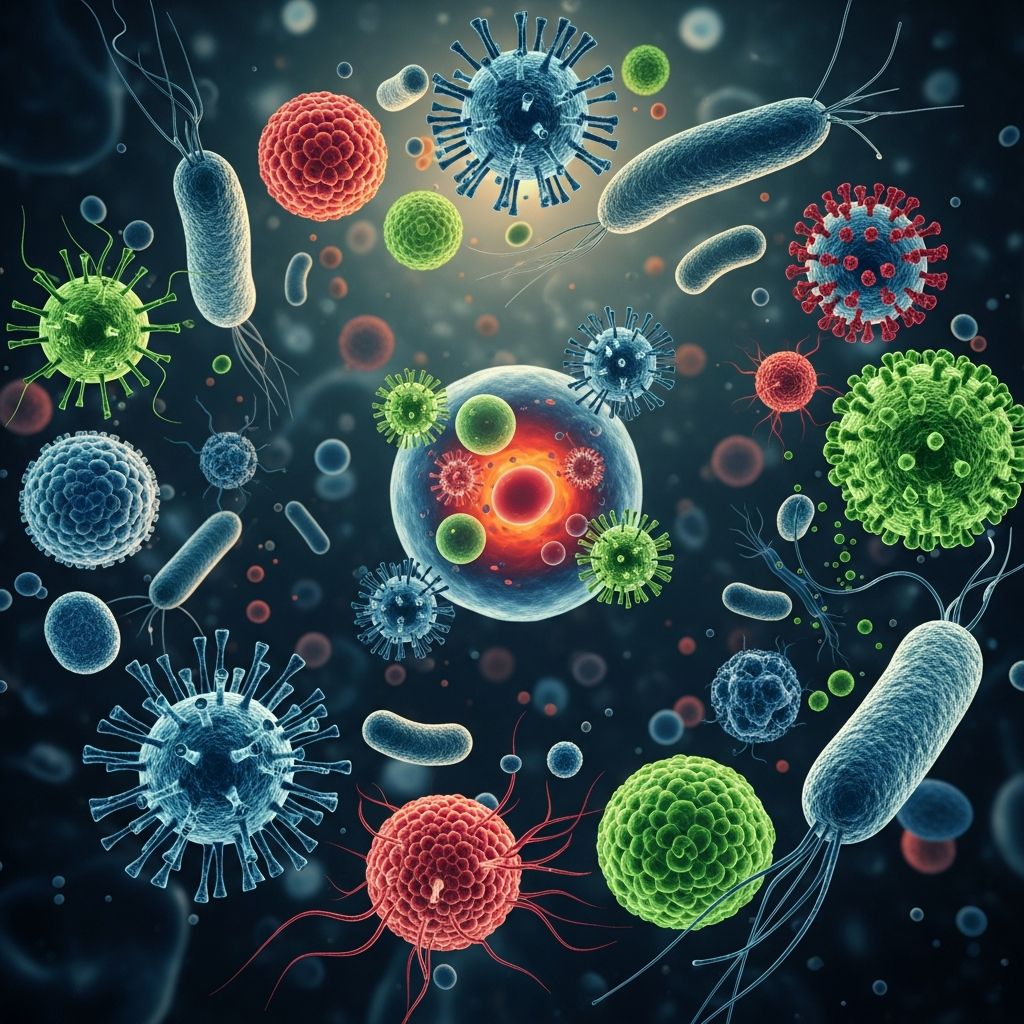
Different types of microscopic organisms can cause contagious diseases. The most common are:
- Viruses – tiny particles that need to invade your cells to reproduce. They cause illnesses like the common cold, influenza, mono, and COVID-19.16
- Bacteria – single-celled organisms that can live almost anywhere. Some are helpful (like those in your gut), while others cause infections such as strep throat, some types of pneumonia, and certain skin infections.4
- Fungi – organisms like yeast and molds. They can cause conditions such as athlete’s foot or ringworm, which may spread through shared surfaces or skin contact.4
- Parasites – organisms that live on or inside a host, like some intestinal worms or certain sexually transmitted infections (STIs).2
How Contagious Illnesses Spread
Germs do not move on their own; they hitch a ride. Understanding the main routes of spread helps you interrupt them.
1. Through the Air (Respiratory Spread)
Many of the infections that go around at school travel in droplets or tiny particles you release when you breathe, talk, cough, or sneeze. Others can hang in the air for a while in poorly ventilated spaces.
- Respiratory droplets: Heavier drops fall quickly to nearby surfaces or people. They can spread flu, colds, and some forms of meningitis.36
- Aerosols: Smaller particles may remain suspended in the air and be inhaled, contributing to the spread of illnesses like COVID-19 in crowded or poorly ventilated rooms.6
Typical situations where this happens:
- Talking closely with someone who is sick
- Sitting in a packed classroom, bus, or dorm room with no open windows
- Being around people who cough or sneeze without covering their mouth and nose
2. By Touch (Contact Spread)
Germs can move from surface to hand to face faster than you might think.
- Direct contact: Skin-to-skin contact like hugging, kissing, or contact sports can transmit some infections, including mono and certain skin conditions.15
- Indirect contact: Touching objects (phones, doorknobs, desks, gym equipment) that have germs on them and then touching your eyes, nose, or mouth.6
3. Through Food and Water
Some contagious stomach and intestinal illnesses are spread when germs get into what you eat or drink.
- Contaminated water or ice
- Food prepared by someone who did not wash their hands after using the bathroom
- Buffet-style or shared snacks that many hands touch
Viruses like norovirus and some bacteria are well-known for causing vomiting and diarrhea outbreaks in schools, camps, or dorms this way.56
4. Through Body Fluids and Sexual Contact
Some germs spread through blood, semen, vaginal fluids, or other body fluids. This includes infections like HIV, viral hepatitis, and many STIs.24
- Unprotected sex (oral, vaginal, or anal)
- Sharing needles or other injection equipment
- Rarely, contact with blood or certain body fluids through broken skin or mucous membranes
5. Through Insect Bites
Certain infections are transmitted by vectors such as mosquitoes or ticks.
- Mosquitoes can carry viruses such as dengue and chikungunya in some parts of the world.6
- Ticks can transmit illnesses like Lyme disease in regions where infected ticks are common.
How Long Are You Contagious?
The amount of time someone can pass on an illness varies by infection and by person. Some key ideas:
- Before symptoms: With illnesses like the flu or COVID-19, people may be contagious a day or more before they feel sick, which makes prevention measures especially important.6
- While you feel sick: Many respiratory infections are most contagious when symptoms such as fever, cough, or sore throat are at their worst.3
- After you feel better: Some viruses can still shed for days after symptoms improve. Infections like mono can leave traces of virus in saliva for weeks, even though you might not feel very ill.19
Your health care provider can give more specific guidance depending on your test results, diagnosis, and overall health.
Common Contagious Illnesses in Teens
While there are many infections out there, certain ones show up often in middle school, high school, and college settings.
Respiratory Infections
- Common cold: Usually mild, caused by many different viruses. Symptoms include runny or stuffy nose, sore throat, cough, and mild tiredness.
- Influenza (flu): Often more sudden and intense than a cold, causing high fever, body aches, chills, and severe fatigue.56
- COVID-19: Can range from no symptoms to serious illness, with fever, cough, loss of taste or smell, breathing problems, and sometimes stomach symptoms.6
- Strep throat: A bacterial infection that causes sore throat, pain with swallowing, and sometimes fever and swollen glands, and usually needs antibiotics.5
Mononucleosis (“Mono”)
Infectious mononucleosis is commonly caused by the Epstein–Barr virus (EBV). It is especially frequent in teens and young adults.19
It often spreads through saliva, so it is sometimes nicknamed “the kissing disease,” but sharing drinks, utensils, or toothbrushes can also pass it on.18
Typical symptoms include:
- Extreme tiredness
- Fever and sore throat
- Swollen lymph nodes (especially in the neck)
- Head and body aches
- Sometimes an enlarged spleen or liver19
There is no specific cure for mono; treatment focuses on rest, fluids, nutrition, and managing pain or fever. Heavy exercise or contact sports may be restricted temporarily if your spleen is enlarged, because of a small risk of injury.19
Stomach and Intestinal Infections
These illnesses involve the digestive system and often cause vomiting and diarrhea.
- Norovirus and other viral gastroenteritis: Very contagious, often spreading through contaminated food, water, or surfaces; outbreaks are common in schools, dorms, and cruise ships.56
- Foodborne bacterial infections: Some bacteria, such as certain strains of E. coli or Salmonella, can cause severe cramps, diarrhea, and fever after eating contaminated food.
Sexually Transmitted Infections (STIs)
STIs are infections that are primarily transmitted through sexual contact. Teens and young adults account for a significant portion of new STI cases worldwide.24
Common STIs include:
- Chlamydia
- Gonorrhea
- Human papillomavirus (HPV)
- HIV
- Genital herpes
Many STIs do not cause obvious symptoms at first, so regular testing is important for anyone who is sexually active. Effective prevention methods include condoms, vaccines for some infections (like HPV and hepatitis B), and limiting the number of partners.24
How to Protect Yourself and Others
You cannot avoid every germ, but simple habits significantly lower your risk of catching or spreading contagious diseases.
Everyday Hygiene Habits
- Wash your hands often: Use soap and water for at least 20 seconds, especially after using the bathroom, before eating, and after blowing your nose, coughing, or sneezing.6
- Avoid touching your face: Germs on your hands can get into your body through your eyes, nose, and mouth.
- Cover coughs and sneezes: Use a tissue or your elbow, not your bare hands. Throw tissues away and wash your hands afterwards.6
- Do not share personal items: Avoid sharing drinks, food, straws, lip balm, toothbrushes, or earbuds.
- Keep surfaces clean: Regularly wipe down high-touch items like phone screens, keyboards, game controllers, and doorknobs.
Vaccines: Your Immune System’s Training Program
Vaccinations teach your immune system how to recognize and fight specific germs before you are exposed to them in everyday life.
- Vaccines help prevent serious diseases like measles, meningococcal meningitis, HPV-related cancers, whooping cough, and the flu.246
- Many vaccines are routinely recommended during adolescence, including boosters and new series, to maintain or build protection.24
- Staying up to date on vaccines also protects people around you who are more vulnerable, such as infants, pregnant people, or those with weakened immune systems.
If you are unsure which vaccines you have received, you can ask a parent or caregiver to check your records or talk to your health care provider.
Healthy Lifestyle Choices That Support Immunity
Your immune system works best when your overall health is supported.
- Sleep: Aim for 8–10 hours of sleep per night in your teen years; lack of sleep can affect immune function and make it harder to fight infections.
- Nutrition: Eating a variety of fruits, vegetables, whole grains, and protein sources provides vitamins and minerals that keep your body’s defenses strong.
- Physical activity: Regular movement improves circulation, mood, and overall health, which all support immunity.
- Stress management: Ongoing, intense stress can wear down your immune response over time. Activities like listening to music, spending time outside, or talking with someone you trust can help.
When to Stay Home and When to Seek Help
Sometimes resting at home is the best thing you can do for yourself and others. Other times, you need medical advice or care.
Good Reasons to Stay Home
Consider staying home from school, work, or activities when you:
- Have a fever (often defined as 100.4°F / 38°C or higher)
- Are vomiting or have frequent diarrhea
- Have a severe, persistent cough
- Feel too weak or tired to get through normal activities
Staying home in these situations not only helps you recover but also reduces the chances of spreading germs to classmates, teammates, or coworkers.
Signs You Should Contact a Health Professional
Reach out to a doctor, school nurse, clinic, or other health professional if you:
- Have a fever that lasts more than a couple of days or keeps returning
- Have trouble breathing, chest pain, or severe shortness of breath
- Have a stiff neck, confusion, or a rash with a high fever
- Notice extreme tiredness that does not improve (which can be a sign of mono or other conditions)19
- Have pain when you urinate, genital sores, or unusual discharge
- Think you may have been exposed to a serious infection, including an STI
If you are ever unsure, it is reasonable to ask for help. Early care can sometimes prevent complications and can reduce the chances of passing the infection to others.
Looking Out for Friends and Your Community
Protecting yourself from contagious illnesses also helps your friends, teammates, family members, and community. In public health, this idea is sometimes called herd immunity or community protection: when enough people are immune or follow prevention steps, it becomes harder for germs to spread widely.26
You play a role when you:
- Stay home when you are sick enough to spread germs
- Follow recommended vaccine schedules
- Respect others’ boundaries, especially when they are ill or at higher risk
- Share accurate, trustworthy information instead of rumors
Frequently Asked Questions (FAQs)
Q: If I feel fine, can I still be contagious?
Yes. Some infections spread before symptoms start or even when a person never develops symptoms. Flu, COVID-19, and several STIs can be passed on during these stages, which is why prevention habits and regular checkups matter.246
Q: Are antibiotics useful for every contagious illness?
No. Antibiotics only treat bacterial infections, such as strep throat, and do not work against viruses like influenza, mono, or COVID-19. Using antibiotics when they are not needed can lead to antibiotic resistance, making some infections harder to treat in the future.4
Q: How can I tell if my sore throat is contagious?
Most sore throats from colds or viral infections are contagious, especially in the first few days. Strep throat, a bacterial infection, is also contagious but usually responds quickly to antibiotics. Because the symptoms can look similar, testing at a clinic or doctor’s office may be needed to know the cause.5
Q: Do I really need vaccines if I’m already healthy?
Yes. Being healthy now does not guarantee protection from future infections. Vaccines prepare your immune system ahead of time so that if you are exposed to a serious germ later, you are less likely to get very sick or spread infection to others who might be more vulnerable.246
Q: What should I do if I think I have mono?
If you have intense tiredness that lasts, a bad sore throat, swollen glands, and fever for more than a week, contact a health professional. Blood tests can help confirm mono, and your provider can give specific advice about rest, sports, and returning to normal activities.19
References
- Epstein-Barr Virus and Infectious Mononucleosis — US Centers for Disease Control and Prevention. 2024-03-27. https://www.cdc.gov/epstein-barr/about-mono.html
- Adolescent and young adult health — World Health Organization. 2023-10-17. https://www.who.int/news-room/fact-sheets/detail/adolescents-health-risks-and-solutions
- Common Health Problems at College — American Academy of Pediatrics / HealthyChildren.org. 2023-01-05. https://www.healthychildren.org/English/ages-stages/young-adult/Pages/Health-Care-for-College-Students.aspx
- Teens: Diseases & Conditions — US Centers for Disease Control and Prevention. 2024-04-04. https://www.cdc.gov/parents/teens/diseases-and-conditions.html
- 9 Common Contagious Illnesses in Kids You Should Know — Banner Health. 2023-08-16. https://www.bannerhealth.com/healthcareblog/teach-me/6-common-contagious-childhood-conditions
- Infectious Diseases — National Foundation for Infectious Diseases. 2024-02-01. https://www.nfid.org/infectious-diseases/
- Infectious Mononucleosis (Mono) in Teens and Young Adults — Cedars-Sinai. 2022-09-15. https://www.cedars-sinai.org/health-library/diseases-and-conditions—pediatrics/i/infectious-mononucleosis-mono-in-teens-and-young-adults.html