Labor contractions mark the transformative journey of childbirth, signaling your body’s preparation to deliver your baby. These powerful uterine muscle tightenings differ markedly from preparatory tightenings, building in intensity to dilate the cervix and guide the baby through the birth canal.
The Mechanics Behind Contraction Sensations
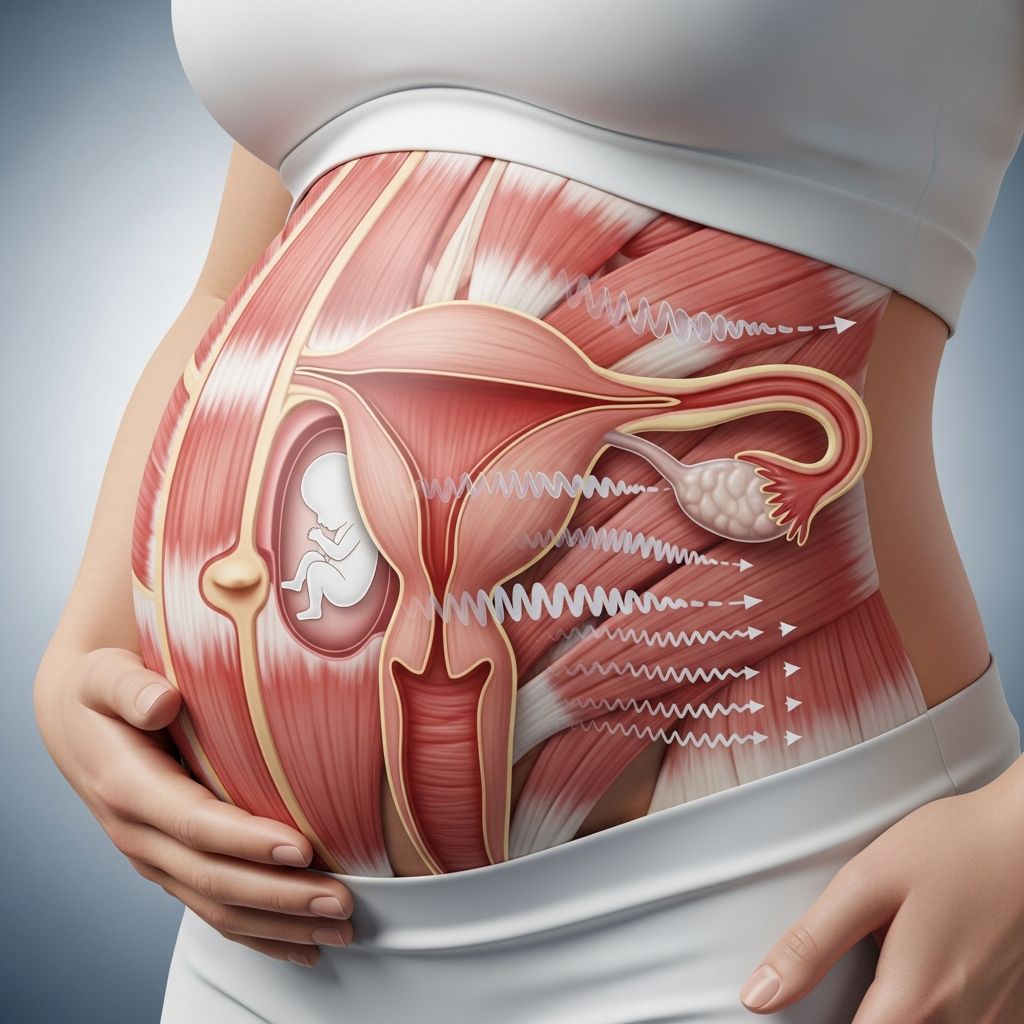
At the core, contractions involve the uterus’s muscular layers working in harmony. The outer vertical muscles shorten and pull upward on the cervix, while the fundus—the upper uterus—exerts downward pressure on the baby, creating a coordinated push-pull dynamic that opens the birth pathway.
This process generates a wave-like muscular tension akin to a large-scale charley horse, but gradual. Sensations begin as tightening, peak midway with intense pressure—sometimes sharp from cervical contact—and then ebb, offering relief as muscles relax. Many describe it as an internal wringing or tightening band enveloping the abdomen, often prompting instinctive movements like swaying or walking to ease discomfort.
Early Labor: The Onset of True Contractions
In the initial phase, contractions mimic menstrual cramps or low back spasms, emerging gradually rather than abruptly. They start low in the pelvis or back, radiating forward and upward across the uterus.
Unlike fleeting discomforts, these build progressively: indistinct at first, intensifying to a peak, then fading. Touch your belly during one— it hardens evenly, like your forehead, not the softer nose-tip feel of rest. Duration hovers around 20-40 seconds initially, with irregular spacing that evolves into a rhythm.
- Key early indicators: Mild cramping with a pulsing quality, felt deeper in the pelvis.
- Progression cue: Increasing frequency and strength over hours.
- Relief test: Movement or position changes provide temporary ease, but they return stronger.
True Labor vs. Practice Contractions: Key Differences
Distinguishing real labor from Braxton Hicks—those irregular ‘practice’ tightenings—is crucial. Braxton Hicks feel like superficial abdominal hardening, often painless or mildly crampy, occurring randomly without progression.
| Feature | True Labor Contractions | Braxton Hicks |
|---|---|---|
| Pattern | Rhythmic, closer together (5-10 min apart), longer lasting (30-70 sec) | Irregular, no predictable timing |
| Intensity | Builds gradually to peak, intensifies over time; disrupts talking/walking | Mild, steady or eases quickly |
| Location | Low pelvis, back, hips, cervix; wraps around abdomen | Front belly only, no back pain |
| Response to Relief | Persistent despite hydration, rest, or position changes | Often stops with water, walking, or rest |
True contractions demand attention: they pull deeply from the vagina toward the pubic bone, rarely exceeding a minute but growing relentlessly. Emotional waves may sync, blending anxiety with determination.
Active Labor: Intensifying Waves and Body Signals
As labor advances, contractions dominate, lasting 45-70 seconds and arriving every 3-5 minutes. Pain radiates: throbbing cramps, sharp peaks, aching pressure across the entire uterus.
Your belly firms rock-hard during peaks, softening completely between for conversation or rest. Accompanying signs confirm progression: the ‘bloody show’—mucus tinged pink/red from cervical changes; possible water breaking as a gush or trickle; unrelenting lower back or hip ache.
- Track timing: Use a contraction timer app or notes to log start, peak, end, and intervals.
- Strength gauge: If breathing techniques falter and you pause activities, active labor is underway.
- Support strategies: Warm baths, rhythmic rocking, or partner counterpressure on the back.
Personal Variations in Contraction Experiences
No two labors are identical; sensations vary by individual physiology, baby position, and prior births. First-time parents might note more back labor if posterior presentation, feeling like intense menstrual waves from sacrum forward.
Multiparous women often recognize the shift faster, as contractions ramp up swiftly. Descriptions range from ‘deep full-body squeeze’ to ‘orchestrated muscular symphony,’ but universality lies in progression: longer, stronger, closer.
Hydration, activity levels, and even emotional state influence perception—stress amplifies, calm breathing tempers intensity.
Preparing Mentally and Physically for Contractions
Anticipation reduces fear. Practice visualization: Imagine waves cresting and receding. Build endurance with prenatal yoga, focusing on hip circles and deep belly breaths.
Assemble a birth toolkit: TENS unit for electrical relief, birth ball for swaying, affirming playlist. Discuss pain management with your provider— from epidurals to hydrotherapy.
Partner involvement: Learn massage techniques, like double-hip squeeze for back labor. Role-play timing contractions to simulate decision-making for hospital travel.
When to Contact Your Healthcare Provider
Call if contractions persist over an hour despite rest, exceed 5 per hour, or pair with bleeding, fluid leak, or reduced fetal movement. Preterm (before 37 weeks)? Seek immediate evaluation.
Home monitoring empowers, but err toward caution—true labor accelerates unpredictably.
Frequently Asked Questions
Can contractions feel like bad gas or bowel pressure?
Yes, especially early; the downward baby pressure mimics urgency, but rhythmic hardening distinguishes them.
How long between contractions signals go-time?
Aim for 5-1-1 rule: 5 minutes apart, lasting 1 minute, for 1 hour—head to birth location.
Do all labors start with back pain?
No, but 70-80% involve some; posterior babies heighten it. Position changes help.
Can I sleep through early contractions?
Often yes; rest maximizes energy for active phase.
What if contractions stop and start?
Common in early labor ‘prodromal’ phase; they build cumulatively.
Empowering Your Birth Journey
Grasping contraction sensations fosters confidence, transforming apprehension into partnership with your body. Each wave advances your baby closer—embrace the process with informed preparation.
References
- What do contractions feel like? — Andaluz Waterbirth Center. Accessed 2026. https://www.waterbirth.net/blog/what-do-contractions-feel-like
- What do real contractions feel like? — The VBAC Link. Accessed 2026. https://www.thevbaclink.com/what-do-real-contractions-feel-like/
- When Labor is Near — Texas Health Resources. 2023-10-01. https://www.texashealth.org/Health-and-Wellness/Women-and-Infants/When-Labor-is-Near
- Braxton Hicks Contractions or Labor? How To Tell — Orlando Health. Accessed 2026. https://www.orlandohealth.com/content-hub/braxton-hicks-contractions-or-labor-how-to-tell/
- Contractions: Pregnancy, How They Feel & How Long They Last — Cleveland Clinic. 2023-11-01. https://my.clevelandclinic.org/health/symptoms/contractions
- Contractions and signs of labor — March of Dimes. Accessed 2026. https://www.marchofdimes.org/find-support/topics/birth/contractions-and-signs-labor