Blood shows up in your life more often than you might think a scraped knee, a nosebleed, a period, or a blood test at the doctors office. You may have noticed that it does not always look exactly the same. Sometimes it is bright red, other times it looks darker, almost brown, and that can be confusing or even scary. This guide breaks down why blood changes color, what different shades usually mean, and when it is a good idea to reach out to a health professional.
What Blood Is Made Of (In Simple Terms)
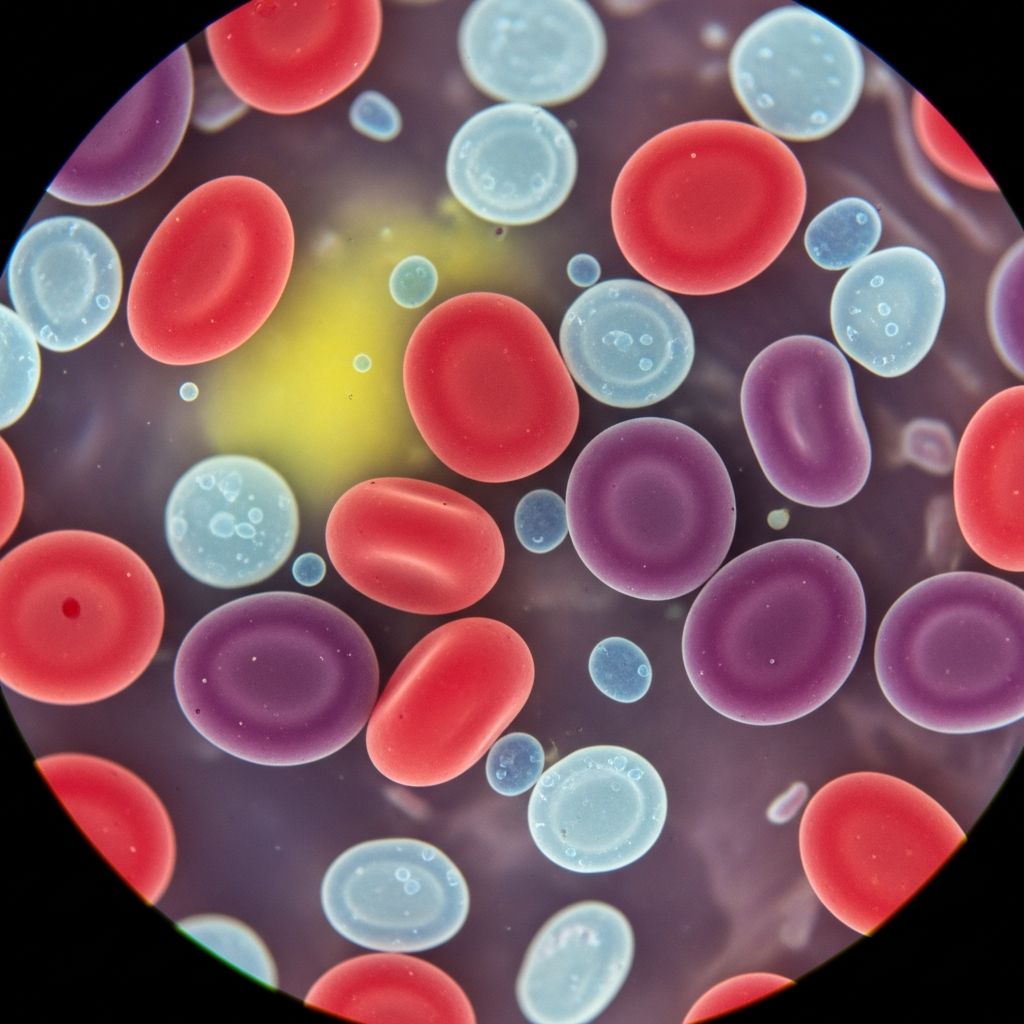
Before diving into colors, it helps to know what blood actually is. Blood is not just a red liquid; it is a mix of different parts, each with its own job.
- Red blood cells: Carry oxygen from your lungs to the rest of your body and bring carbon dioxide back to the lungs so you can breathe it out.
- White blood cells: Help defend your body against germs like bacteria and viruses.
- Platelets: Tiny cell fragments that help your blood clot so you stop bleeding when you get a cut.
- Plasma: A yellowish fluid that transports cells, nutrients, hormones, and waste products.
The color you see mainly comes from red blood cells, and more specifically from a protein inside them called hemoglobin. Hemoglobin binds to oxygen and gives blood most of its color.
Why Blood Looks Red in the First Place
Hemoglobin contains iron, and when iron binds to oxygen, light reflects off the molecule in a way that makes it look red to your eyes. Freshly oxygenated blood the blood that has just passed through your lungs tends to look bright red. Blood that has given up much of its oxygen to body tissues often appears darker.
So even though some myths suggest that blood is blue inside your body and turns red when it hits air, that is not accurate. Blood is always some shade of red; it only looks blue under the skin because of the way light passes through your skin and veins.
What Affects the Shade of Red?
Blood color can change slightly depending on what is happening in your body and how long the blood has been exposed to oxygen and air. Several factors shape what you see:
- Oxygen level: More oxygen tends to mean brighter red; less oxygen tends to mean darker red.
- Age of the blood: Older, dried, or slowly moving blood often looks dark red, brown, or even almost black.
- Mixing with other fluids: When blood mixes with mucus, vaginal discharge, or other body fluids, the resulting color can look pinkish, orangish, or rusty.
- Lighting and surface: The same drop of blood can look slightly different on white tissue, dark clothing, or skin of different tones.
Most of these color differences are normal and simply reflect basic chemistry and the environment around the blood.
Everyday Situations Where Blood Color Varies
It can be reassuring to see how common color changes are in real-life situations. Here are a few everyday examples and what they usually mean.
- Fresh cut or scrape: The blood that appears right away is usually bright red and flows more quickly at first.
- Dried scab: As blood dries, it darkens. Scabs often look dark red, brown, or even almost black that is expected and part of normal healing.
- Nosebleed: Blood may drip out bright red but dry on tissues or clothing as brownish-red stains.
- Period blood: Menstrual blood can appear in different colors during a cycle, often starting or ending darker and looking brighter when flow is heavier.
- Blood under the skin: A bruise is blood trapped under the skin. It shifts from red to purple, blue, green, and yellow as your body breaks it down.
Color changes in these scenarios rarely mean anything serious, especially if you otherwise feel fine and the bleeding stops normally.
General Blood Colors and What They Usually Mean
When you see blood, you are usually looking at one of several common shades. The table below gives an overview of what these colors often indicate in general situations (not limited to periods).
| Color or shade | What it often means | Common context |
|---|---|---|
| Bright red | Fresh, well-oxygenated blood that has left the arteries or small blood vessels recently. | New cuts, active nosebleeds, mid-period flow. |
| Dark red | Blood that has lost some oxygen or has been sitting for a short time. | Slow bleeding wounds, venous blood, start or end of a period. |
| Brown or rust | Older blood that has had time to dry or break down, with iron reacting further with oxygen. | Scabs, older menstrual blood, dried stains on clothing or tissues. |
| Pinkish | Blood diluted or mixed with clear fluids such as mucus or vaginal discharge. | Light spotting, early or very light menstrual flow, small nosebleeds wiped from the nose. |
| Reddish-orange | Blood mixed with other fluids, or sometimes a sign of irritation or infection if there are other symptoms. | Certain types of vaginal discharge, irritated mucous membranes. |
This overview is not meant to diagnose anything by color alone. Rather, it helps you see that a range of reds and browns can be compatible with normal body processes.
Understanding Period Blood Colors
If you have periods, you probably notice color changes from day to day. That can feel alarming at first, but most of these shifts are a normal part of the menstrual cycle. The uterus sheds its lining, and that process does not always look exactly the same each month.
- Start of a period: Flow may be lighter, and blood can look dark red or brown because it takes longer to leave the body.
- Middle of a period: Blood is often brighter red and may flow more steadily or quickly.
- End of a period: Flow slows again, and blood may appear dark red, brown, or even almost black as it oxidizes.
Clots gel-like lumps in period blood can appear dark red or purple and are usually normal when they are small and only show up occasionally.
Common Period Blood Shades and Typical Meanings
Here is a closer look at menstrual blood colors, keeping in mind that everyones normal is a little different.
- Bright red period blood: Often appears on heavier days when the lining is shedding more quickly. It usually indicates fresh blood moving at a steady pace.
- Dark red or maroon: Can show up overnight, in the morning, or during slower flow. It often signals blood that has taken a bit longer to leave the uterus.
- Brown or nearly black: Typically older blood that has had plenty of time to oxidize. This is especially common at the very beginning or the end of a period.
- Pinkish blood: Can happen when a small amount of blood mixes with cervical fluid or other discharge. It may appear during light spotting before or after your period.
- Reddish-orange or unusual colors: Occasionally, mixing with discharge or infection-related changes can alter color. If unusual shades are accompanied by odor, discomfort, or itching, they deserve medical attention.
Tracking your usual pattern across a few cycles can help you understand what is normal for your body and notice changes earlier.
When a Color Change Is Usually Harmless
Not every unexpected color needs to trigger panic. Many color variations are considered part of normal body function, especially if they are brief and you feel well otherwise.
- Brown or dark red blood at the start or end of a period is usually just older blood leaving the body more slowly.
- Dried blood on clothing or bandages will almost always appear darker than it did when it was fresh.
- Small clots during a period, especially when flow is heavy, are often a result of blood pooling slightly and then being released.
- A one-time color change without pain, fever, or other new symptoms is often less concerning than ongoing changes that repeat cycle after cycle.
If you are ever unsure, it is better to ask a trusted adult or health professional than to worry quietly.
Possible Warning Signs to Take Seriously
While most color changes are normal, some combinations of color plus symptoms can be a signal that something needs medical attention. Instead of diagnosing yourself, use these signs as a prompt to check in with a professional.
- Very heavy bleeding: Soaking through pads or tampons every hour for several hours, or bleeding that does not slow down.
- Large clots: Clots larger than a coin, especially if they are frequent and come with heavy bleeding or intense cramps.
- Strong, unusual odor: Especially if combined with greyish or orange-tinted discharge, itching, or burning.
- Unexpected bleeding: Bleeding between periods, after sex, or from places you do not usually bleed from (like coughing up blood).
- Other whole-body symptoms: Dizziness, fainting, severe pain, fever, or feeling extremely weak.
These signs do not automatically mean something serious is wrong, but they do justify a call to a doctor, urgent care, or another trusted health service.
How Teens Can Talk About Blood Without Embarrassment
Talking about blood especially period blood can feel awkward. Still, having honest conversations makes it much easier to stay healthy and calm. You deserve clear information and support.
- Choose someone you trust, such as a parent, school nurse, doctor, or counselor, and let them know you have questions about your body.
- Use simple phrases like My period blood looks darker than usual or I noticed some unusual bleeding and I am not sure what it means.
- Bring notes or photos (if you feel comfortable and it is appropriate) to a medical visit so you do not have to rely on memory.
- Remember that health professionals talk about blood and bodily fluids every day; your questions are normal and important.
The more you practice asking questions, the easier it becomes to advocate for your health.
Simple Ways to Track What You See
Keeping track of what your blood looks like can help you notice patterns and changes. You do not need a complicated system just a method that you will actually use.
- Use a notes app or journal to record dates, flow level (light, medium, heavy), and general color (bright red, dark red, brown, etc.).
- If you menstruate, mark the first and last days of your period each month and jot down any unusual clots or symptoms.
- Write down questions as they come up, so you can ask a doctor or nurse later instead of trying to remember in the moment.
- Look for trends over time rather than stressing about a single days difference.
Tracking gives you more concrete information to share with adults and professionals, which can make appointments more helpful and efficient.
Frequently Asked Questions About Blood Color
Is blood ever actually blue inside my body?
No. Blood is always some shade of red, even when it is low in oxygen. Veins can look blue under your skin because of how light travels through skin and tissue, not because the blood is blue.
Why does my period start brown and then turn red?
At the beginning of a period, flow can be slow, so blood may spend more time in the uterus or vagina before leaving the body. During that time, it reacts with oxygen and darkens, which is why it often appears brown or deep red at first and then brightens when the flow becomes heavier.
Should I be worried if I see clots in my period blood?
Small clots, especially on heavy days, are usually normal and just mean that blood has pooled briefly before being released. If clots are large, frequent, or paired with very heavy bleeding or severe pain, it is smart to talk with a health professional.
Can what I eat or how much I exercise change my blood color?
Diet and lifestyle can affect your overall health and how your body makes and circulates blood, but they usually cause subtle effects on color rather than dramatic changes. Sudden or extreme color shifts are more likely tied to flow speed, oxidation, or mixing with other fluids than to one specific food or workout.
When should I ask for urgent help?
Seek urgent help if bleeding is very heavy and does not slow, you feel dizzy or like you might faint, you have severe pain, or you notice blood coming from places it normally does not (like coughing or vomiting blood). In those cases, tell an adult right away or contact emergency services if you cannot reach someone quickly.
Key Takeaways for Teens
Blood color is not as simple as red or not red. It shifts with oxygen levels, how long it has been outside blood vessels, and what it mixes with along the way. Many shades from bright red to deep brown can be completely normal.
- Notice patterns instead of focusing only on one moment or one day.
- Use color changes as information rather than instant proof that something is wrong.
- Ask questions whenever you are unsure; you never have to face confusing health changes alone.
- Trust that learning about your body now helps you make more confident health decisions in the future.
The more you understand about what your blood is telling you, the less scary it feels and the more empowered you are to take care of yourself.