The Unexpected Wisdom Children Bring to Our Lives
Adults often approach parenting with predetermined notions about who should be teaching whom. We arrive equipped with years of experience, established routines, and carefully developed philosophies about how the world works. Yet somewhere between the countless diaper changes, bedtime negotiations, and moments of pure chaos, we discover something remarkable: our children are not simply students in the classroom of life—they are masterful educators offering lessons we desperately need. Their capacity to teach transcends traditional academics, reaching into the depths of how we understand resilience, authenticity, joy, and what it truly means to be human.
The Resilience Blueprint: Learning Strength Through Small Eyes
Children face the world with a remarkable ability to bounce back from disappointment. When a toddler falls while learning to walk, they do not pause to contemplate failure or catastrophize about their abilities. Instead, they simply get back up and try again. This fundamental resilience becomes diluted as we age, weighted down by past failures, social expectations, and self-doubt. Watching children navigate setbacks provides a masterclass in emotional recovery. They cry when they are hurt, they express their frustration, and then they move forward. There is no rumination about what could have been or should have been—there is only the present moment and the determination to try again.
Parents who observe this pattern closely begin to internalize these lessons. When facing professional challenges or personal disappointments, many adults find themselves thinking back to their children’s approach: dust yourself off and move on. This is not about ignoring pain or avoiding legitimate emotions; rather, it is about recognizing that setbacks need not define us. Children instinctively understand this truth without ever having read a self-help book or attended a resilience workshop.
Authenticity in Action: The Unfiltered Expression of Truth
One of the most striking characteristics of childhood is the absence of pretense. Young children have not yet learned to mask their emotions or present curated versions of themselves to the world. They laugh freely at what genuinely amuses them, cry when genuinely upset, and speak their minds without the complex social calculations that adults engage in constantly. This radical honesty, while sometimes embarrassing in social situations, represents a purity that adults spend years trying to recover in therapy and self-help seminars.
Children demonstrate daily that living authentically does not require elaborate justification or apology. They like what they like without needing to defend those preferences through elaborate explanations. They want what they want without the guilt that typically accompanies adult desires. Watching this unfold, parents gradually recognize how much energy they have invested in becoming someone other than who they naturally are. The lesson children teach is that authenticity is not something to achieve—it is something to preserve and protect.
Finding Wonder in Ordinary Moments
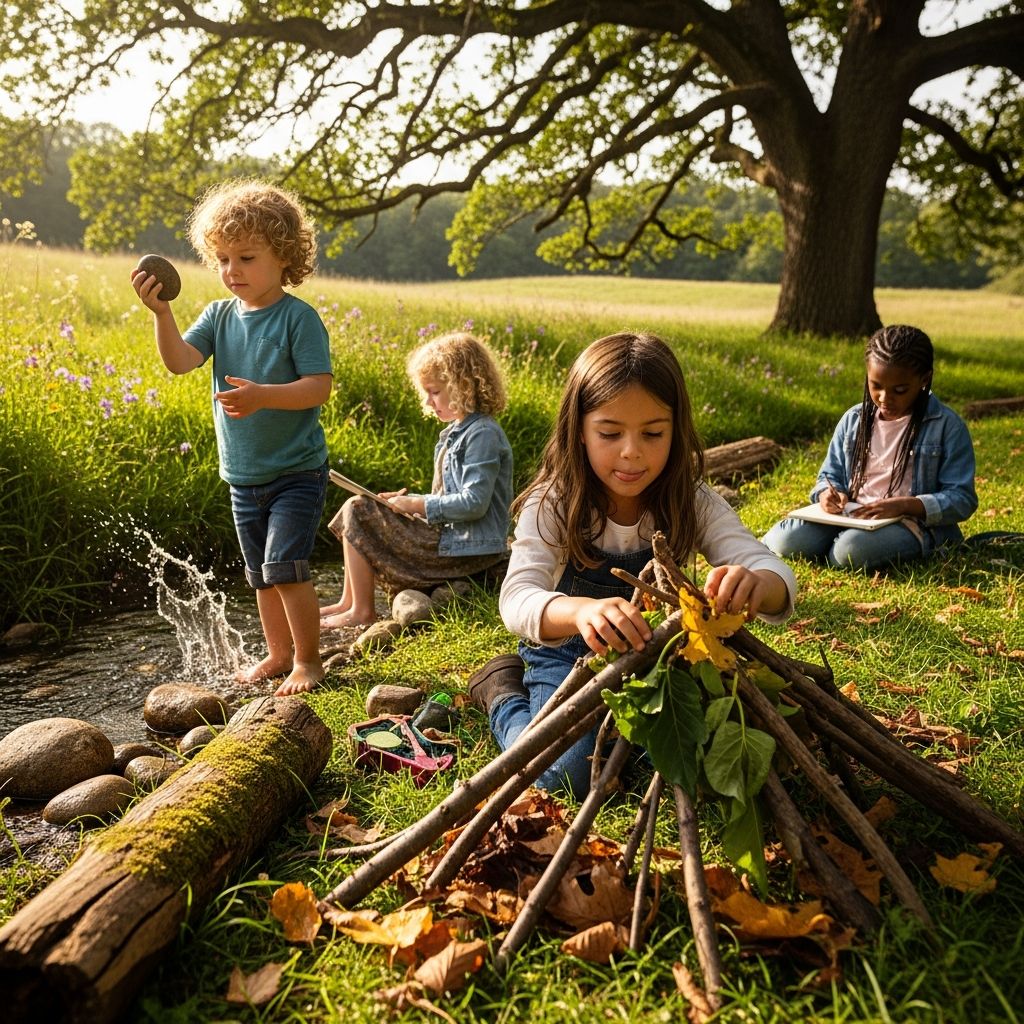
The ability to experience profound joy from simple pleasures is perhaps one of the most valuable lessons children offer. A pile of blankets becomes a fortress worthy of hours of imaginative play. A puddle transforms into an ocean of adventure. A cardboard box rivals any expensive toy in terms of entertainment value. This capacity to extract delight from the mundane represents a skill that adults have largely abandoned.
The relentless pursuit of more—more money, more status, more possessions, more impressive experiences—creates a baseline of dissatisfaction that many adults inhabit constantly. Children operate from a different framework entirely. Their happiness does not depend upon accumulation or achievement; it flows from engagement with what is immediately available. Parents who pay attention to their children’s joy patterns often experience a subtle shift in their own perception. They begin noticing sunsets with renewed appreciation, feeling genuine excitement about playground visits, and recognizing that some of life’s best moments cannot be purchased or planned—they must be experienced.
Emotional Intelligence Through Unfiltered Expression
Children exist in a constant state of emotional flux. They experience feelings intensely and express them without the sophisticated suppression mechanisms adults have cultivated. For parents accustomed to managing emotions strategically, this can be initially overwhelming. Yet this emotional transparency offers profound insights into authentic human experience.
Young children do not hide their anxiety, excitement, sadness, or frustration. They do not strategically withhold affection or manipulate emotions for advantage. This emotional directness creates opportunities for genuine connection and honest problem-solving. When a child is upset, the path to resolution involves actual dialogue about feelings, not guesswork about unstated grievances. Adults who engage with children’s emotions authentically often discover that their own capacity for genuine emotional connection increases. They learn to validate feelings they might have previously dismissed, to sit with discomfort rather than rush to fix it, and to recognize that acknowledging emotions does not weaken but rather strengthens relationships.
The Gift of Living in the Present Moment
Children are exceptional practitioners of what mindfulness teachers spend years trying to teach adults: presence. They do not simultaneously experience an activity while mentally rehearsing tomorrow’s schedule or ruminating about past interactions. When a child is building with blocks, they are fully engaged in building with blocks. When playing with a sibling, they are absorbed in that interaction. This singular focus, this complete presence in the current moment, represents a mental state that adults often struggle to achieve even through dedicated meditation practices.
Parents frequently observe their children entering deep states of concentration and play that could teach valuable lessons about the quality of life created through genuine presence. The impatience that many adults feel, the constant sense that they should be somewhere else or doing something more productive, gradually transforms when children demonstrate the richness available through simple, undivided attention to what is happening right now.
Vulnerability as Strength Rather Than Weakness
Children have not yet internalized the cultural messaging that vulnerability is something to hide or overcome. They ask for help without shame, admit when they do not understand something, and express their needs directly. They cry in public without calculating how this might be perceived. They show affection openly and seek comfort without strategizing about how needy this might appear.
This openness to vulnerability stands in stark contrast to adult conditioning. Many adults have learned to equate strength with invulnerability, to view asking for help as a personal failure, and to present carefully managed versions of themselves to the world. Children, meanwhile, navigate their limitations and needs with a refreshing lack of pretense. Observing this teaches adults that vulnerability and strength are not opposing forces but rather interconnected aspects of genuine human strength. The willingness to admit struggle, ask for support, and express authentic emotion represents a form of courage that children demonstrate naturally but adults must consciously reclaim.
How Children Challenge Our Assumptions About Success
The metrics by which adults measure success—career advancement, financial accumulation, status achievement—hold little meaning to children. Their measures of success are immediate and experiential: Did I have fun? Did someone play with me? Did I create something cool? Did we laugh together? This alternative framework challenges adults to reconsider what they have been taught success should look like.
When parents truly listen to what makes their children feel successful and valued, many discover that the life structure they have built optimizes for the wrong outcomes. Children’s more fundamental measures of success—connection, play, growth, and joy—might deserve more weight in adult decision-making than they currently receive.
Practical Applications: Integrating Children’s Wisdom Into Adult Life
The lessons children teach are not merely abstract philosophies but practical principles applicable to daily adult existence:
- When facing setbacks, observe the child-like approach: acknowledge the difficulty, express the emotion, and then move toward the next step without extended rumination.
- Audit areas of life where you have abandoned authenticity in favor of social performance, and consider reclaiming genuine preferences and honest expression.
- Consciously extract joy from simple, immediate pleasures rather than deferring satisfaction until larger goals are achieved.
- Practice emotional honesty by acknowledging and expressing feelings rather than suppressing them strategically.
- Establish regular periods of genuine presence without multitasking or mental division.
- Recognize that admitting struggle and requesting support are forms of strength rather than weakness.
- Reassess success metrics to include connection, growth, and joy alongside achievement and accumulation.
The Reciprocal Nature of Teaching and Learning
Perhaps the most important recognition is that the teaching relationship between parents and children is fundamentally reciprocal. While adults certainly provide guidance, structure, and accumulated wisdom, children simultaneously offer lessons that cannot be found in books or acquired through effort. This mutual exchange creates opportunities for profound growth on both sides. Parents who approach their role with openness to what their children can teach experience a richer, more complex parenting journey than those who maintain rigid authority positions.
Conclusion: Gratitude for Unexpected Guidance
The gratitude parents owe their children extends far beyond the conventional ways in which this emotion is typically expressed. Children deserve thanks not only for the joy they bring and the love they offer, but for the constant, patient instruction they provide simply by being their authentic selves. They teach through their resilience, their authenticity, their wonder, their emotional honesty, and their presence. In return for the guidance, protection, and support that adults provide, children offer something equally invaluable: a reminder of how to live well. By recognizing children as the teachers they are, adults create space for transformation in their own lives while honoring the profound wisdom that children carry into the world.
Frequently Asked Questions
Q: How can I help my children develop into effective teachers of these life lessons?
A: Support their natural inclinations toward authenticity, presence, and emotional expression by valuing these qualities in your interactions with them. Minimize pressure to perform or conform in ways that suppress their genuine nature.
Q: What if my child’s lessons conflict with lessons I want to teach?
A: Both can coexist. You can provide necessary guidance and structure while remaining open to what children teach through their natural behavior and perspective. The goal is integration rather than replacement.
Q: How do I apply children’s wisdom to professional settings where different values dominate?
A: You need not abandon professional standards, but you can selectively integrate lessons about authenticity, resilience, and presence into your professional life where appropriate, creating more authentic and sustainable approaches to work.
Q: Can older children and teenagers also teach these lessons?
A: Yes, though the lessons evolve as children age and absorb more cultural conditioning. Teenagers often offer insights about authenticity and vulnerability, though sometimes disguised within resistance to adult expectations.
References
- Thank you to our mini-heroes—our kids — Motherly. Accessed 2026-04-02. https://www.mother.ly/life/thank-you-to-the-kids/
- 11 simple ways to raise grateful kids — Motherly. Accessed 2026-04-02. https://www.mother.ly/parenting/how-to-raise-grateful-kids/
- To the other ‘moms’ in my child’s life—thank you — Motherly. Accessed 2026-04-02. https://www.mother.ly/relationships/community-friendship/to-the-other-moms-in-my-childs-life-thank-you/
- To Each of My Children on Mother’s Day — Lovely Little Lives. Accessed 2026-04-02. https://lovelylittlelives.com/to-each-of-my-children-on-mothers-day/