Burps are one of the funniest, weirdest, and sometimes loudest sounds a body can make. But even though they can be embarrassing, burps are actually a normal and important part of how the body works.
This guide explains what burps are, why they happen, how to be polite when you burp, and when a burp might be a sign to tell an adult or doctor.
What Exactly Is a Burp?
A burp is the sound and feeling that happens when extra air escapes from your stomach and comes out through your mouth. That air can sometimes carry a smell, especially if you recently ate something strong like onions or garlic.
- Burps are also called “belches” or “eructations,” but most kids just say “burp.”
- They are made of air or gas that your body wants to get rid of so your stomach does not feel too full or tight.
Think of your stomach like a stretchy bag. If too much air gets inside, your body needs a way to let that air out, and burping is one of the simplest ways to do it.
How Does Air Get Into Your Stomach?
Every time you swallow, you take in a little bit of air along with food, drinks, or even just saliva. Usually, that air is tiny and you do not notice it. But sometimes you swallow a lot more air than usual, and that can lead to a big burp later on.
Common ways extra air sneaks into your stomach include:
- Eating too fast: Big bites and quick chewing often mean more air goes down with your food.
- Drinking fizzy drinks: Sodas and sparkling waters are full of bubbles that become gas in your stomach.
- Chewing gum: Chewing and talking with gum in your mouth pulls in more air.
- Drinking through straws: Straws can suck extra air along with your drink.
- Talking while eating: Laughing or chatting with food in your mouth makes more air slip in.
When all that air builds up, your stomach stretches. To feel more comfortable, your body sends the air back up through your food pipe and out of your mouth as a burp.
Meet Your Digestive System
Burping is part of how your digestive system works. Your digestive system is the set of organs that turns the food you eat into energy your body can use.
Here are the main parts involved when you burp:
- Mouth: Where food and drinks enter and swallowing begins.
- Esophagus (food pipe): A tube that moves food and air from your mouth down to your stomach.
- Stomach: A stretchy sack that mixes food with stomach juices to break it down.
- Valve at the top of the stomach: A ring of muscle that usually keeps food and stomach juices inside, but can open to let air out as a burp.
When the valve at the top of your stomach relaxes for a moment, trapped air can rush back up the esophagus and out of your mouth. That quick rush of air is what you hear as a burp.
Why Some Burps Are Louder or Smellier
Not all burps are the same. Some are soft and quiet, and others sound like a tiny thunderstorm in your throat. The loudness and smell of a burp depend on a few things.
- Amount of air: More trapped air usually means a bigger, louder burp.
- Speed of the air: Air rushing out quickly makes a sharper, louder sound.
- What you ate: Foods like eggs, onions, garlic, and certain spices can make burps smell stronger.
- Drinks you choose: Fizzy drinks add gas that has to go somewhere—often up as a burp.
Sometimes kids learn to “fake burp” by swallowing air on purpose, then letting it back out. Even though this can seem funny, doing it a lot can make your stomach uncomfortable and is usually not polite around others.
Common Reasons Kids Burp a Lot
Many kids worry if they suddenly seem to burp more often. In most cases, there is a simple reason and nothing serious is wrong.
Here are some common causes of frequent burping in kids:
- New eating habits: Eating faster because of sports, school schedules, or devices at the table.
- More fizzy drinks: Trying sodas, flavored sparkling water, or fizzy juices more often.
- Nervousness or stress: When kids feel worried, they may swallow more air without noticing.
- Chewing gum often: Constant chewing pulls in air, even if you are not eating real food.
- Talking while eating: Lively conversations at mealtime can mix extra air with bites of food.
Many of these habits can be changed. Slowing down, having fewer fizzy drinks, or taking breaks from gum can often reduce burps within a few days.
Burping and Different Foods
Certain foods and drinks are more likely to make you burp. Some add gas directly, while others can upset the stomach and encourage more air to escape.
| Type | Examples | How They Affect Burps |
|---|---|---|
| Fizzy drinks | Soda, sparkling water, fizzy juice | Release bubbles in the stomach that escape as burps. |
| Fast foods | Burgers, fries, greasy snacks | Can slow digestion and make gas feel more noticeable. |
| Strong-smelling foods | Onions, garlic, eggs, certain spices | May give burps a stronger or unusual smell. |
| Dairy (for some people) | Milk, ice cream, cheese | Can cause gas or discomfort in kids who are sensitive to lactose. |
Everyone’s body is a little different. A food that causes burps in one kid might not bother another kid at all. Paying attention to which foods make you extra gassy can help you and your family make smart choices.
Is Burping Good or Bad?
Burping is usually a good thing because it is your body’s way of getting rid of extra air that does not belong in the stomach. If that air stayed trapped, you could feel:
- Bloated or puffy in your belly
- Uncomfortable or crampy
- Full even if you did not eat very much
Most of the time, burping is:
- Normal: Everyone burps—kids, teens, and adults.
- Safe: Burps are just air leaving your body, not a sign of being weak or unhealthy.
- Temporary: They usually stop after the extra air is gone or the fizzy drink is finished.
Burping only becomes a problem if it happens all the time, hurts, or comes with other worrying symptoms.
Polite Burping: Manners Matter
Because burps can be loud or smelly, good manners are important. You cannot always stop a burp, but you can handle it politely.
Try these polite-burping tips:
- Turn your head slightly away from people when you feel a burp coming.
- Cover your mouth with your hand, elbow, or a napkin.
- Make the burp as quiet as you can instead of forcing it to be loud.
- Say “Excuse me” afterward to show respect for people around you.
- Avoid showing off or making jokes if others seem uncomfortable.
Remember, everyone burps, even adults. Good manners help everyone feel more comfortable when it happens.
Simple Ways to Reduce Burping
If burps bother you or happen more than you like, some small changes in daily habits may help. These changes are gentle on your body and easy for most kids to try.
- Eat slowly: Take smaller bites and chew your food well before swallowing.
- Sit up straight: Good posture during meals helps food and air move smoothly.
- Drink fewer fizzy drinks: Save sodas for special occasions and choose still water most of the time.
- Take breaks from gum: Enjoy gum once in a while instead of chewing it all day.
- Stay calm while eating: Take deep breaths before meals if you feel nervous or rushed.
If you try these steps and still feel uncomfortable, talk with a parent, guardian, or school nurse about what you are noticing.
When Burps Come With Other Symptoms
Most burps are harmless, but sometimes they show up along with other signs that your stomach is unhappy. It is important to notice how you feel before and after you burp.
Tell an adult if burping happens together with:
- Burning feelings in your chest or throat, especially after eating.
- Stomach pain that keeps coming back or gets worse.
- Nausea (feeling like you might throw up) or actual vomiting.
- Unexplained weight loss or not wanting to eat for several days.
- Burping that wakes you up at night often or makes it hard to sleep.
These signs do not always mean something serious, but they are worth checking with a doctor. Health professionals can help figure out whether the problem is just extra air or something more, like irritation in the food pipe or sensitivity to certain foods.
Burping in Babies vs. Bigger Kids
You may have seen grown-ups gently pat a baby on the back after feeding. That is called “burping the baby,” and it helps infants get rid of swallowed air while drinking milk or formula.
Here is how burping is different for babies and older kids:
- Babies: Swallow a lot of air while feeding and need help releasing it, so they do not spit up or feel uncomfortable.
- Older kids and teens: Can usually burp on their own and do not need someone to help them after eating.
As kids grow, their digestive systems become stronger and more coordinated. Their bodies naturally figure out how to move air and food without as much help.
Fun, Kid-Friendly Facts About Burps
Burps may seem silly, but they are also surprisingly interesting. Learning a few fun facts can make the science behind them less embarrassing and more cool.
- Many animals burp too, including some pets and farm animals.
- Some cultures think a small burp after a meal can show that the food was filling or satisfying, while others consider any noise at the table rude.
- People who talk or laugh a lot while eating often notice more burps because they swallow extra air.
- The same gas that escapes as a burp could also move through your body and come out later as a fart.
Knowing that everyone burps—and that it is a natural body process—can help you feel less shy when it happens to you.
Helping Friends Who Feel Embarrassed
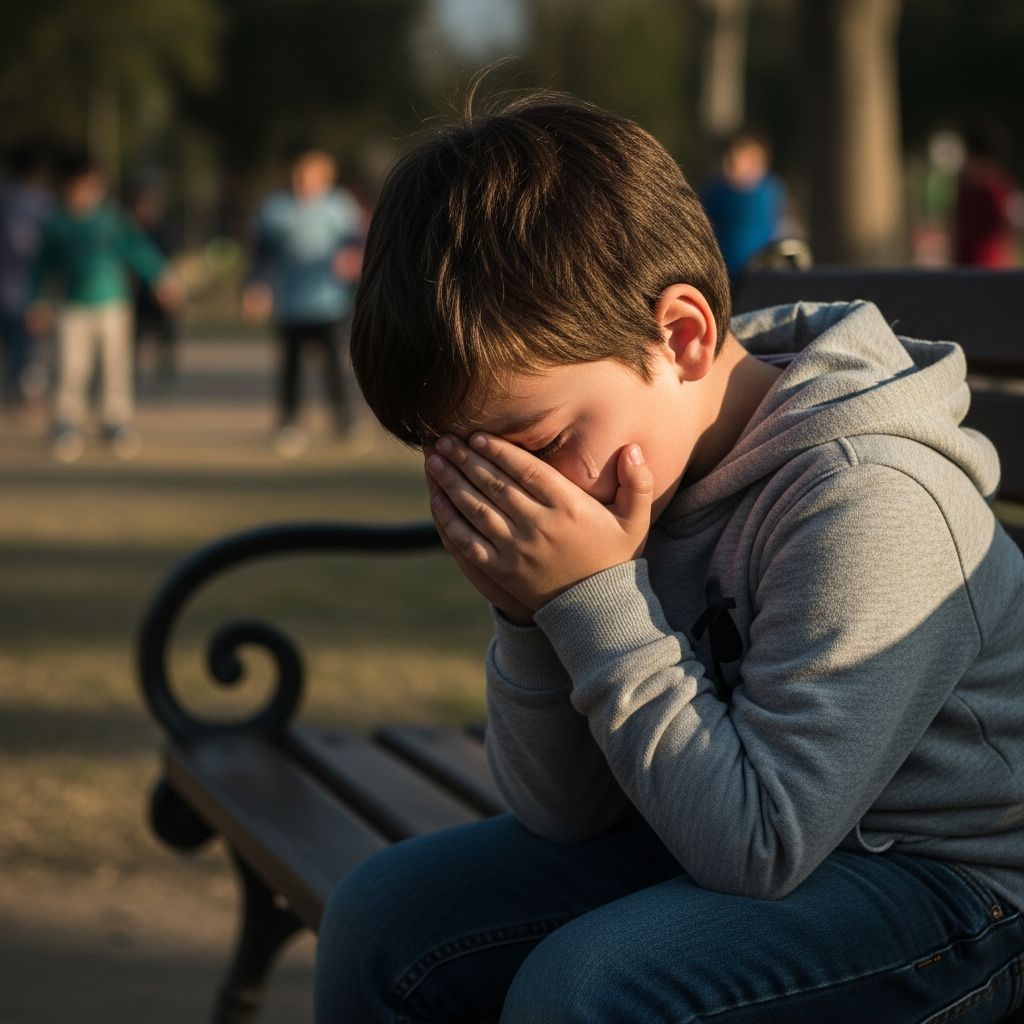
If a friend lets out a big burp in class or at lunch and looks mortified, kindness matters. You can help make the moment less awkward.
- Avoid laughing at them or making jokes that might hurt their feelings.
- Act normal and keep talking as if nothing major happened.
- If they look upset, you can quietly say something comforting like, “It happens to everyone.”
Being understanding about normal body sounds—like burps, hiccups, and sneezes—helps create a friendlier and more respectful environment for everyone.
Quick Burp-Check Guide for Kids
Use this simple guide to figure out what burps might be telling you.
| Situation | What It Might Mean | What You Can Do |
|---|---|---|
| Burp after a big meal or soda | Normal way to release extra air | Say “Excuse me” and keep going with your day. |
| Many burps after eating too fast | You swallowed lots of air with your food | Slow down next time and take smaller bites. |
| Burps with burning in chest or throat | Possible irritation from stomach acid | Tell a parent, guardian, or school nurse. |
| Burps plus stomach pain and nausea | Your stomach may be upset or irritated | Rest, sip water, and let an adult know. |
| Burping all day for many days | Could be a habit or a digestive issue | Ask a doctor to check what is going on. |
Frequently Asked Questions About Burps
Can you stop a burp from happening?
Sometimes you can make a burp quieter by closing your mouth gently and letting the air out slowly through your nose, but you usually cannot stop it completely. It is better to let the air out politely than to keep it inside and feel uncomfortable.
Is it bad to “fake burp” on purpose?
Occasionally swallowing air to make a funny burp is not usually dangerous, but doing it a lot can lead to a sore stomach or too much gas. It can also be rude in public places, so it is best to avoid fake burping around others.
Why do some burps taste like food?
When air travels up from your stomach, it can pass through bits of food and stomach juices, carrying a tiny sample of their flavor with it. That is why a burp may sometimes taste like the meal you just finished.
Do healthier foods cause fewer burps?
Healthier foods like fruits, vegetables, and whole grains are often easier for your body to use, but they can still produce gas in some people. What really matters is how fast you eat, how much air you swallow, and which specific foods your body handles well.
Should I be worried if I never burp?
Some people burp less often than others, and that can still be normal. If you feel very bloated, tight, or in pain after meals but almost never burp or pass gas, that is a good reason to talk with a doctor.
Can exercise help with gas and burping?
Gentle movement, like walking or stretching, can help gas move through your body so it does not feel stuck. Light activity after meals, instead of lying down right away, can sometimes reduce uncomfortable burps or bloating.
Key Takeaways for Kids
- Burps are your body’s way of letting out extra air from your stomach so you can feel more comfortable.
- Eating slowly, having fewer fizzy drinks, and using good table manners can make burps less frequent and less embarrassing.
- Most burps are normal, but if they come with pain, burning, or other symptoms, it is important to tell an adult.
- Everyone burps, and understanding why it happens can make it feel less embarrassing and more like a normal part of being human.
When you understand what burps are and how to handle them politely, you are not just learning about your body—you are also practicing good manners and self-care that will help you for life.