Choosing the right drinks for your baby can feel confusing, especially with so much conflicting advice. This guide explains, in simple language, which beverages are safe and healthy for babies from birth to 12 months, and which ones to avoid.
Health organizations, including the American Academy of Pediatrics (AAP) and the CDC, agree on a few core principles: babies should get almost all of their fluids from breastmilk or formula during the first year, with small amounts of water added later in infancy and very limited or no juice or sugary drinks.
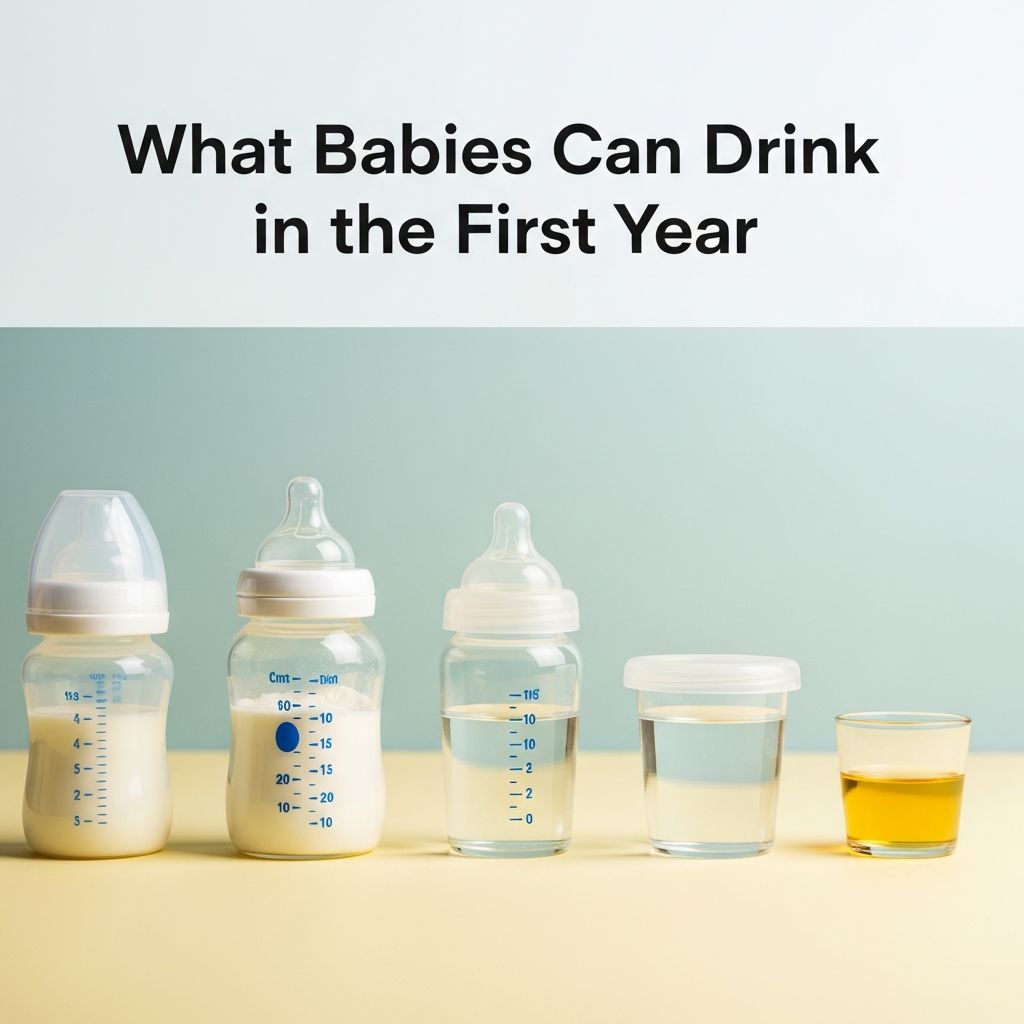
Big Picture: Drinks by Age at a Glance
| Baby’s Age | Best Main Drink | Water? | Cow’s Milk? | Juice & Sugary Drinks? |
|---|---|---|---|---|
| 0–5 months | Breastmilk or iron-fortified formula | No (unless doctor advises) | No | No |
| 6–8 months | Breastmilk or formula | Yes, small amounts with meals | No | Generally avoid |
| 9–12 months | Breastmilk or formula | Yes, small amounts daily | No as a main drink | Typically avoid; if used, very limited |
After the first birthday, whole cow’s milk can replace formula for most healthy children, but breastmilk can safely continue as long as parent and child wish.
Breastmilk and Formula: The Foundation
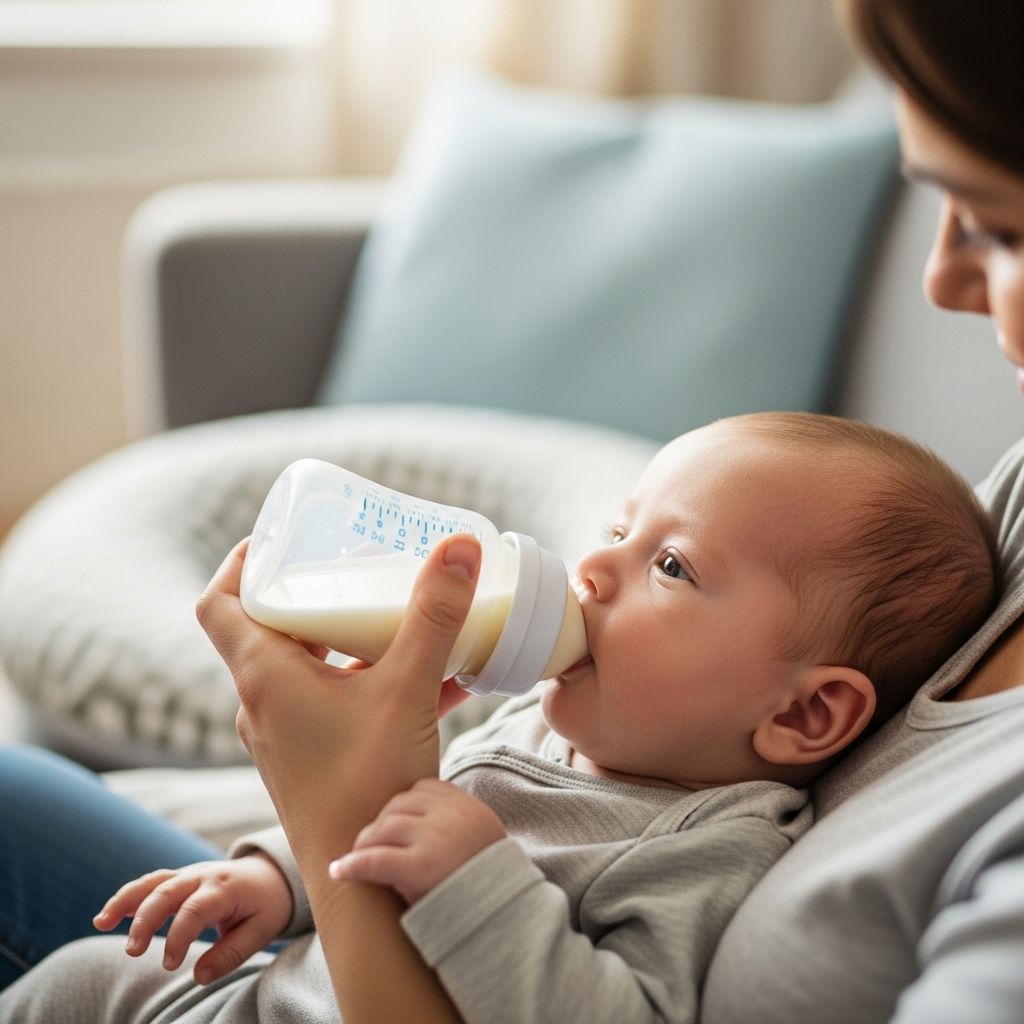
For the first year, breastmilk or iron-fortified infant formula should be your baby’s primary drink and main source of nutrition.
Why breastmilk is recommended
- Provides complete nutrition tailored to your baby’s needs.
- Contains antibodies that help protect against infections and illnesses.
- Supports healthy growth, digestion, and brain development.
- Linked with lower risk of ear infections, diarrhea, and some chronic conditions.
The AAP and other experts recommend exclusive breastfeeding for about the first 6 months, and continuing breastmilk alongside solid foods for at least the first year and ideally longer.
When formula is used
If you are not breastfeeding, or are combining breast and bottle, use a commercial iron-fortified infant formula. These formulas are designed to mimic breastmilk’s nutritional profile and are safe as the baby’s main drink in the first year.
According to the CDC, most formula-fed newborns drink 8–12 times in 24 hours, and the amount per feeding gradually increases as babies grow. Parents should work with their child’s healthcare provider to fine-tune feeding volumes and schedules.
Breastmilk or formula: which to choose?
- Breastfeeding only: Ideal when possible, but not always feasible for every family.
- Formula only: A safe and nutritionally adequate option for babies who are not breastfed.
- Combination feeding: Many families successfully mix breast and bottle feeding.
In all cases, your baby’s growth charts, diaper output, and behavior are key signs that they are getting enough to drink.
Water: When & How Much?
Parents often wonder when they can start offering water. The answer depends heavily on age, because too much water too early can be unsafe for babies.
Birth to about 6 months
- Healthy babies do not need extra water during this period; breastmilk or formula alone provides all necessary fluids.
- Offering water too soon can fill the baby’s stomach and reduce hunger for calorie-rich milk or formula.
- Very large amounts of water can, in rare cases, lead to water intoxication (a dangerous drop in blood sodium levels).
If a doctor recommends small amounts of water for specific medical reasons (for example, certain digestive issues), follow their instructions closely.
6–12 months
Once solid foods are introduced—typically around 6 months—small sips of water can be added:
- Offer a few sips of water in an open cup or sippy cup with meals or snacks.
- Water helps babies learn cup drinking and may support good oral hygiene by rinsing the mouth after eating.
- Breastmilk or formula should still provide most of your baby’s daily fluid intake throughout the first year.
There is no need to measure every sip, but water intake should be modest and should not replace milk feeds. If you live in a very hot climate or your child is ill, discuss appropriate water intake with your pediatrician.
Why Cow’s Milk Must Wait
Many parents assume that if cow’s milk is healthy for toddlers, it must also be good for babies. In reality, plain cow’s milk is not suitable as a main drink during the first year of life.
Risks of giving cow’s milk too early
- Low iron content: Cow’s milk is poor in iron and can increase the risk of iron-deficiency anemia in infants.
- Harder to digest: Its protein and mineral content place extra stress on immature kidneys.
- Possible gut irritation: Some babies may have microscopic intestinal bleeding from early cow’s milk exposure.
Because of these risks, organizations such as the Cleveland Clinic and pediatric groups recommend waiting until after the first birthday to use whole cow’s milk as a main drink.
When cow’s milk can be introduced
- After 12 months, most healthy toddlers can drink whole cow’s milk in appropriate amounts, often replacing formula.
- Small amounts of dairy, such as yogurt or cheese, can often be introduced earlier, once solid foods are well established and approved by your pediatrician.
Before age 1, avoid giving cow’s milk in a bottle or cup as a beverage, even if small amounts of dairy are eaten in solid form.
What About Other Milks and Plant-Based Drinks?
Supermarket shelves are full of alternative drinks, from almond and oat beverages to toddler formulas. Most of these are not appropriate replacements for breastmilk or infant formula in the first year.
- Plant-based beverages (almond, oat, rice, coconut, etc.): Usually too low in protein, fat, and key nutrients; not a safe main drink for infants.
- Goat’s milk or sheep’s milk: Similar issues to cow’s milk—too high in certain minerals and too low in iron; usually not recommended as a drink in the first year.
- Toddler milks or growing-up formulas: Marketed to older infants and toddlers, but for most healthy children they are not necessary; standard infant formula or breastmilk is preferred in the first year.
Always talk with your healthcare provider before using any alternative drink as a significant part of your baby’s diet.
Juice, Sweet Drinks, and Other Beverages to Avoid
Health experts strongly advise limiting or avoiding juice and sugary drinks for babies. The AAP specifically recommends that fruit juice not be given to infants younger than 1 year.
Why juice is discouraged
- Even 100% fruit juice contains a lot of natural sugar and little fiber.
- Can contribute to tooth decay, especially when sipped over long periods.
- May fill babies up and reduce intake of breastmilk, formula, or nutrient-dense foods.
After the first birthday, some children may have small amounts of 100% fruit juice, but pediatric groups usually recommend no more than 4 ounces (about 120 mL) per day for young toddlers, and only as part of meals or snacks.
Drinks to keep off the menu in the first year
- Soda, sports drinks, energy drinks, sweetened teas, flavored waters: Add sugar and sometimes caffeine without nutrition.
- Homemade plant milks: Nutritionally unpredictable and not suitable as a main drink.
- Unpasteurized milk or juices: Can contain harmful bacteria that are especially risky for infants.
Honey and Other Special Considerations
One particular food and drink ingredient deserves extra attention: honey.
- Health agencies warn against giving honey in any form (including baked into foods or stirred into drinks) to babies younger than 12 months because it can contain spores that cause infant botulism, a serious illness.
- This applies to all types of honey—raw, pasteurized, local, and commercial.
Other sweeteners, such as corn syrup or agave nectar, are also unnecessary for babies and may contribute to unhealthy taste preferences for very sweet foods and drinks.
Cups, Bottles, and Learning to Drink
Learning how to drink is a developmental step just like crawling or walking. The AAP encourages parents to help babies gradually transition from bottle to cup during the second half of the first year.
Introducing a cup
- Around 6 months, offer small amounts of water or breastmilk/formula in a small open cup or sippy cup at mealtimes.
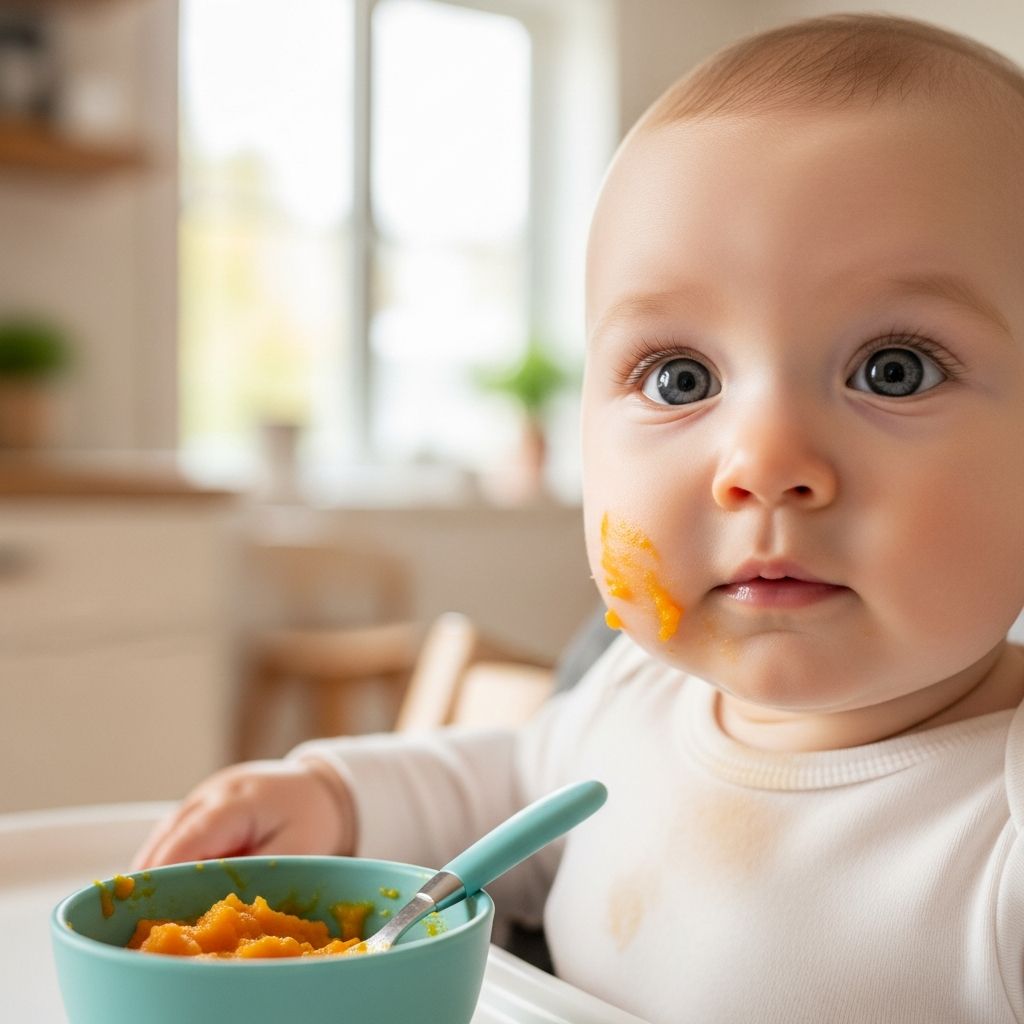
- Early attempts will be messy; this is normal and helps babies develop oral-motor skills.
- Continue to provide most feeds by breast or bottle while cup skills are developing.
Why avoiding bottles in bed matters
- Putting a baby to bed with a bottle of milk, formula, or juice can increase the risk of tooth decay once teeth appear.
- Milk pooling in the mouth during sleep also raises the chance of ear infections, and in some positions may increase choking risk.
For comfort at bedtime, consider other routines such as rocking, gentle songs, or a pacifier instead of a bottle.
Reading Your Baby’s Hunger and Thirst Signals
There is no single “perfect” amount of milk or water that fits every baby. Instead, experts recommend paying close attention to your baby’s cues:
- Signs your baby is hungry may include rooting (turning head toward the breast or bottle), sucking on hands, or becoming more alert and fussy.
- Signs your baby is full may include turning away, slowing sucking, relaxing their hands, or falling asleep.
- Signs of good hydration include regular wet diapers, moist mouth, tears when crying (after the first few weeks), and normal activity levels.
If you notice very few wet diapers, unusual sleepiness, a sunken soft spot on the head, or extreme fussiness, talk with your healthcare provider promptly as these may be signs of dehydration or illness.
Sample Day: Drinks for a 9-Month-Old
Every baby is different, but here is an example of how drinks might look for a healthy 9-month-old who is eating solid foods:
- Morning: Breastfeed or bottle of formula after waking.
- Breakfast: Solid foods, plus a few sips of water in a cup.
- Late morning: Breastfeed or bottle of formula.
- Lunch: Solid foods, with water offered in a cup.
- Afternoon: Breastfeed or bottle of formula.
- Dinner: Solid foods, with a small amount of water in a cup.
- Bedtime: Breastfeed or bottle of formula before sleep.
This pattern keeps breastmilk or formula as the main drink while allowing practice with water and cup drinking.
Frequently Asked Questions (FAQs)
Can I give my newborn water on hot days?
For healthy newborns, breastmilk or formula alone provides all needed fluids, even in hot weather. Extra water is usually unnecessary and can be unsafe unless your healthcare provider specifically advises it.
My baby is constipated. Will giving water help?
For babies under 6 months, you should not add water without medical guidance. For older infants, small amounts of water may be part of constipation management, but you should always discuss this with your pediatrician first.
Is it okay to mix juice with water for my 8-month-old?
Pediatric experts recommend avoiding juice entirely for babies under 1 year. If your doctor suggests juice for a medical reason (such as treating constipation), they will tell you the type, amount, and how to dilute it.
When can my baby stop formula and switch to cow’s milk?
Most healthy babies can transition from formula to whole cow’s milk after their first birthday. Before 12 months, formula or breastmilk should remain the main drink, and cow’s milk should not replace them.
My baby won’t drink from a cup. Should I worry?
Cup skills take time and practice. Start with very small amounts once your baby can sit with support (usually around 6 months) and offer the cup at most meals. Keep focusing on breast or bottle feeds for nutrition while your baby learns.
Is flavored water or herbal tea okay for babies?
Flavored waters often contain added sugars or sweeteners and are not recommended. Herbal teas may not be safe or well studied in infants. Plain breastmilk, formula, and small amounts of plain water (for older infants) are the best choices unless your doctor suggests otherwise.
References
- Infant Food and Feeding — American Academy of Pediatrics. 2023-11-28. https://www.aap.org/en/patient-care/healthy-active-living-for-families/infant-food-and-feeding/
- Feeding Guide for the First Year — Nationwide Children’s Hospital. 2022-01-01 (approx.). https://www.nationwidechildrens.org/conditions/health-library/feeding-guide-for-the-first-year
- The First 12 Months: What and When to Feed Your Baby — UC Davis Health. 2019-01-01 (approx.). https://health.ucdavis.edu/media-resources/children/documents/general/First%2012%20Months_rev.pdf
- Feeding Your Baby in the First Year — Cleveland Clinic. 2023-05-01 (approx.). https://my.clevelandclinic.org/health/articles/9693-feeding-your-baby-the-first-year
- Feeding Your Baby in the First Year — Caring for Kids (Canadian Paediatric Society). 2021-06-01 (approx.). https://caringforkids.cps.ca/handouts/healthy-living/feeding_your_baby_in_the_first_year
- How Much and How Often to Feed Infant Formula — Centers for Disease Control and Prevention. 2024-01-10. https://www.cdc.gov/infant-toddler-nutrition/formula-feeding/how-much-and-how-often.html
- Feeding Guide for the First Year — Stanford Medicine Children’s Health. 2022-01-01 (approx.). https://www.stanfordchildrens.org/en/topic/default?id=feeding-guide-for-the-first-year-90-P02209