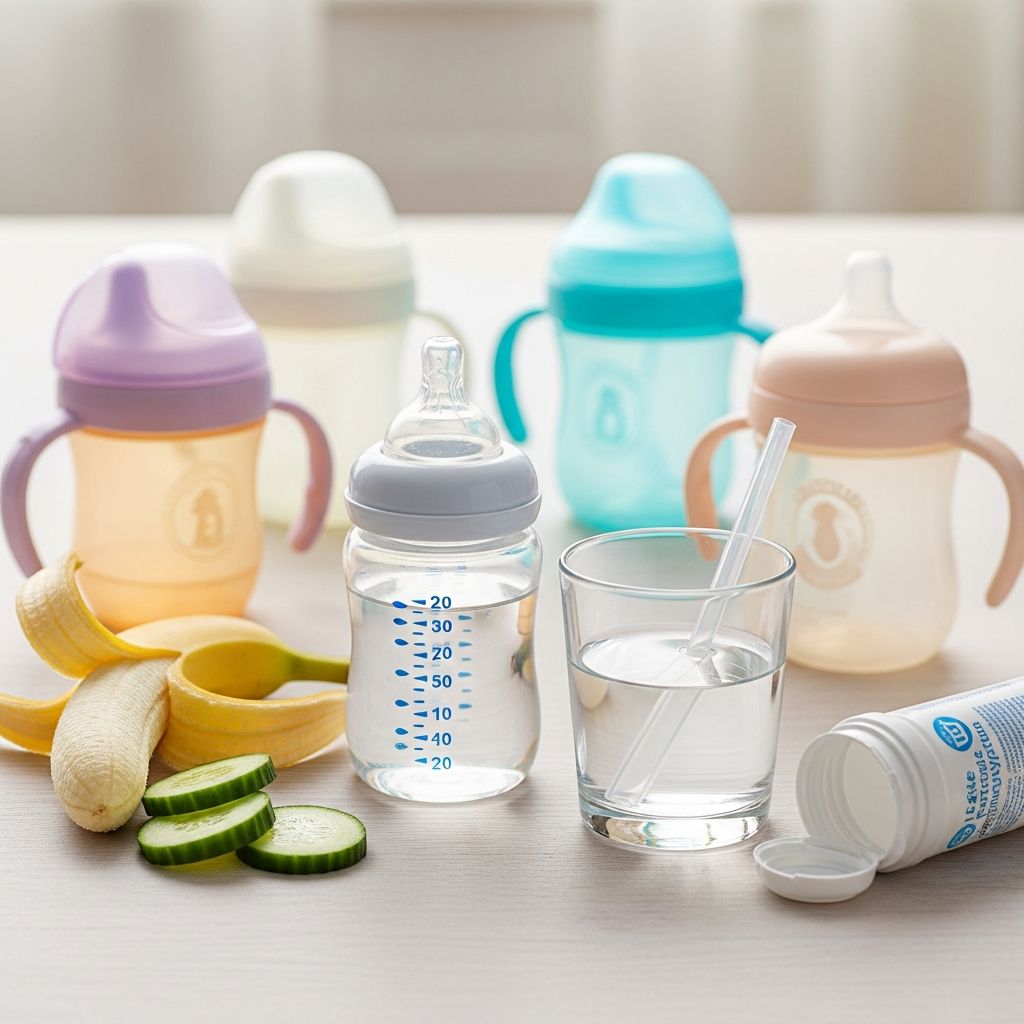
As a new parent, one of your primary responsibilities is ensuring your baby receives adequate nutrition and hydration. During the first twelve months of life, your infant’s beverage choices form the foundation of their growth, development, and overall health. Understanding what your baby should drink at each developmental stage removes confusion and helps you make confident feeding decisions aligned with pediatric best practices.
The Primary Foundation: Breast Milk and Formula
For the initial months of your baby’s life, breast milk or formula serves as the complete nutritional source. The American Academy of Pediatrics recommends exclusive breastfeeding for approximately the first six months after birth, with continued breastfeeding extending to two years of age or beyond when feasible. If breastfeeding is not possible or chosen, iron-fortified infant formula provides an evidence-based alternative that meets all nutritional requirements for healthy development.
During the newborn period through five months, your baby’s feeding frequency and volume follow predictable patterns based on age and feeding method. Newborns typically require eight to twelve feedings in a twenty-four-hour period, consuming two to four ounces per session. As your baby grows, feeding intervals gradually extend while portion sizes increase. By the fourth to fifth month, most infants need five to six feedings daily, consuming four to six ounces per feeding.
The composition of breast milk naturally adjusts to meet your baby’s changing needs throughout the first year. This biological adaptation makes breast milk uniquely suited to support optimal infant development. For families using formula, selecting iron-fortified varieties ensures your baby receives essential minerals necessary for cognitive development and prevention of nutritional anemia.
Transitioning Beyond Primary Beverages: Introducing Water
While breast milk or formula remains your baby’s primary beverage throughout the first year, the question of when to introduce water deserves careful consideration. During the initial months, water introduction is generally unnecessary because breast milk and formula already contain the hydration your baby needs. However, as your infant begins consuming solid foods around six months of age, small amounts of water may be introduced alongside meals and between feedings.
The rationale for delaying water introduction stems from infants’ immature kidneys, which cannot efficiently process and regulate excess water. Introducing water too early or in large quantities can dilute sodium levels in the bloodstream, potentially causing serious health complications. Therefore, pediatric guidance suggests waiting until solid foods become part of your baby’s diet before offering water in limited quantities. When water is introduced, it should be offered in small amounts—typically just a few sips from a cup during meals rather than as a standalone beverage.
When Solid Foods Begin: Modifying Feeding Patterns
Around six months of age, most babies demonstrate developmental readiness for solid food introduction, marking a significant milestone in infant nutrition. At this stage, your baby’s feeding schedule begins shifting, though breast milk or formula continues as the primary source of calories and nutrients. During the six-to-eight-month period, babies typically consume five to six breastfeedings daily or twenty-eight to thirty-two ounces of formula, supplemented with two to three meals of solid foods.
Introduction of solid foods follows specific guidelines to minimize choking hazards and identify potential allergies. Begin with single-ingredient foods rather than mixtures, offering one new food at a time and waiting three to five days before introducing another item. This approach allows you to monitor your baby’s tolerance and identify any adverse reactions. Iron-fortified infant rice cereal mixed with breast milk or formula typically serves as an appropriate first food, followed gradually by vegetables, fruits, and eventually meats.
Starting with very small amounts—approximately one teaspoon—and gradually increasing to one tablespoon allows your baby to adjust to the new texture and taste experience. This gradual progression respects your infant’s developmental capacity for handling thicker foods while introducing the sensory experiences necessary for eventual self-feeding skills.
The Fruit Juice Question: Understanding Current Recommendations
Fruit juice represents an area where pediatric recommendations have evolved significantly based on emerging research. The American Academy of Pediatrics recommends avoiding fruit juice entirely for infants younger than one year old. This guidance reflects concern about the high sugar content in most juices, the potential for early introduction of sweet tastes to influence later food preferences, and the lack of nutritional advantage that juice provides over whole fruits.
If you choose to introduce juice after your baby reaches six to nine months of age—which remains a discretionary decision rather than a necessity—limit consumption to four to six ounces daily. When juice is offered, selecting 100 percent fruit juice without added sugars represents the only acceptable option. Diluting juice with water can further reduce sugar concentration while stretching the beverage. Always offer juice in a cup rather than a bottle, as prolonged contact between juice and developing teeth increases cavity risk.
The nutritional reality is that whole fruits provide superior benefits compared to their juice equivalents. Whole fruits contain fiber, protective phytonutrients, and a lower concentration of natural sugars distributed throughout a larger food volume. These characteristics make whole fruits the preferred choice as your baby progresses through the first year and develops the ability to manage soft, mashed, or small-diced fruit pieces.
Key Safety Principles for Infant Feeding
Several critical safety measures protect your baby during the feeding process and should be consistently implemented:
- Spoon feeding requirement: All solid foods must be offered with a spoon rather than through bottle feeders. This practice develops oral motor skills and allows your baby to control intake pace.
- Bottle positioning: Never prop bottles or allow your baby to drink from unsupervised bottles, as propping increases ear infection risk and tooth decay once teeth emerge.
- Honey avoidance: Honey in any form poses botulism risk during the first year and must be completely avoided.
- Home food preparation: If preparing infant foods at home, avoid adding salt or sugar, and take special care with vegetables that contact soil, as they may harbor botulism spores.
- Canned food caution: Commercial canned foods often contain excessive sodium and sugar unsuitable for infant nutrition.
- Supervision priority: Constant supervision during all eating and drinking ensures rapid response to any choking incidents.
Nine-to-Twelve-Month Progression: Refined Feeding Patterns
As your baby approaches one year of age, feeding patterns continue evolving. Between nine and twelve months, breastfeeding or formula frequency typically decreases to three to five feedings daily, with formula intake ranging from twenty-four to thirty-two ounces depending on individual needs. Simultaneously, solid foods expand in variety and quantity, gradually contributing more calories to your baby’s daily intake.
During this later period, your baby develops improved chewing abilities and can manage more textured foods including soft, mashed, or finely chopped options. Portion sizes increase to approximately one-quarter to one-half cup of starch-based foods twice daily, along with similar quantities of protein sources. The variety of acceptable foods expands to include soft fruits, cooked vegetables, plain yogurt, cottage cheese, and age-appropriate finger foods.
By twelve months, if breastfeeding has not continued, whole cow’s milk can be introduced as a replacement for formula. However, whole cow’s milk should not exceed twenty-five ounces daily, as excessive intake causes babies to feel overly full and reduces appetite for nutrient-dense solid foods. This limited quantity also prevents the potential development of iron deficiency anemia associated with excessive milk consumption.
Avoiding Common Infant Feeding Mistakes
New parents often inadvertently make choices that compromise infant safety or nutrition. Understanding common pitfalls helps you navigate feeding decisions more confidently. Never use infant feeders (also called Papasan feeders) as substitutes for spoon feeding, as these devices prevent your baby from developing proper eating skills and oral motor control. Additionally, avoid introducing sugar-sweetened beverages entirely during the first year, as these provide empty calories while promoting unhealthy taste preferences that may persist into childhood.
Choking hazards warrant particular attention as your baby advances through the first year. Hard vegetables and fruits should be cooked until soft, round foods should be sliced lengthwise rather than served whole, and stringy meats should be chopped finely. Sticky foods like nut butters should be spread thinly on toast or crackers rather than offered alone. Whole nuts, raisins, popcorn, hard candies, gummy candies, and fish with bones should remain completely off-limits during infancy.
Recognizing Your Baby’s Hunger and Satiety Signals
Responsive feeding—where parents recognize and respect their baby’s internal hunger and fullness cues—supports healthy eating patterns and helps prevent both under- and over-feeding. Hunger cues in young infants include hand-to-mouth movements, increased alertness, and crying as a late indicator. Satiety signs include turning away from food, closing lips, and decreased interest in the spoon or bottle.
Rather than adhering rigidly to predetermined feeding schedules, responsive feeding allows your unique baby’s individual needs to guide feeding frequency and duration. This approach respects your baby’s emerging capacity for self-regulation while ensuring adequate nutrition for healthy growth and development.
Promoting Self-Feeding Skills
Beginning around six months, babies benefit from opportunities to participate actively in feeding. Offering pre-loaded spoons and allowing your baby to hold utensils—even if coordination remains clumsy—builds motor skills and independence. By nine to twelve months, most babies can hold cups with assistance and pick up soft finger foods independently. These developing skills represent important milestones in your baby’s journey toward mealtime autonomy.
Frequently Asked Questions About Infant Beverages
Can I give my baby bottled water?
Bottled water is generally safe for your baby once water introduction becomes appropriate around six months. However, tap water in most developed areas meets safety standards. If using bottled water, verify it does not contain added minerals or sodium unsuitable for infants. Always check local water safety if concerned about tap water quality.
When should I transition from formula to cow’s milk?
Whole cow’s milk (3.25% fat) can be introduced between nine and twelve months if breastfeeding is not continuing. Never use cow’s milk as a formula replacement before nine months, as it lacks essential nutrients and contains minerals in concentrations unsuitable for very young infants.
Is it safe to mix breast milk and formula?
Yes, many families use combination feeding with both breast milk and formula without difficulty. This approach remains safe and allows flexibility in feeding arrangements.
How much water should my baby drink between six and twelve months?
Breast milk or formula continues providing most hydration. Small sips of water during meals and between feedings suffice; there is no specific quantity requirement since breast milk and formula contain adequate water for your baby’s needs.
Can I give my baby herbal tea or other beverages?
Herbal teas, coconut water, and other non-standard beverages are not recommended during the first year. Breast milk, formula, and plain water after six months represent the only beverages necessary for infant health and safety.
References
- Feeding Guide for the First Year — Stanford Medicine Children’s Health. 2024. https://www.stanfordchildrens.org/en/topic/default?id=feeding-guide-for-the-first-year-90-P02209
- Feeding Guide for the First Year — Nationwide Children’s Hospital. 2024. https://www.nationwidechildrens.org/conditions/health-library/feeding-guide-for-the-first-year
- The First 12 Months: What and When to Feed Your Baby — UC Davis Health. 2024. https://health.ucdavis.edu/
- Feeding your baby in the first year — Caring for Kids (Canadian Pediatric Society). 2024. https://caringforkids.cps.ca/handouts/healthy-living/feeding_your_baby_in_the_first_year
- Feeding Your Baby in the First Year — Cleveland Clinic. 2024. https://my.clevelandclinic.org/health/articles/9693-feeding-your-baby-the-first-year
- Infant Food and Feeding — American Academy of Pediatrics. Updated 2023-11-28. https://www.aap.org/en/patient-care/healthy-active-living-for-families/infant-food-and-feeding/