Autism spectrum disorder (ASD) affects millions of families worldwide, shaping their daily routines in profound ways. Far from the stereotypical portrayals often seen in media, the reality of living with autism is a tapestry of unique challenges, unexpected joys, and deep familial connections. Through the lens of photography, families are sharing unvarnished glimpses into their lives, challenging misconceptions and fostering empathy. This article draws inspiration from real-life visual stories to explore what autism truly looks like in a home setting.
Understanding Autism in the Family Context
Autism is a neurodevelopmental condition characterized by differences in social communication, sensory processing, and repetitive behaviors. According to the Centers for Disease Control and Prevention (CDC), about 1 in 36 children in the United States is diagnosed with ASD as of 2023 data. These statistics underscore the prevalence, yet they don’t capture the personal narratives behind them.
Families with autistic members often navigate a world not designed for their needs. Sensory sensitivities might mean avoiding crowded stores, while communication differences could transform mealtimes into adventures in patience. Yet, these households brim with resilience and love, as evidenced by photographers who document these moments without filters or staging.
The Power of Visual Storytelling in Autism Awareness
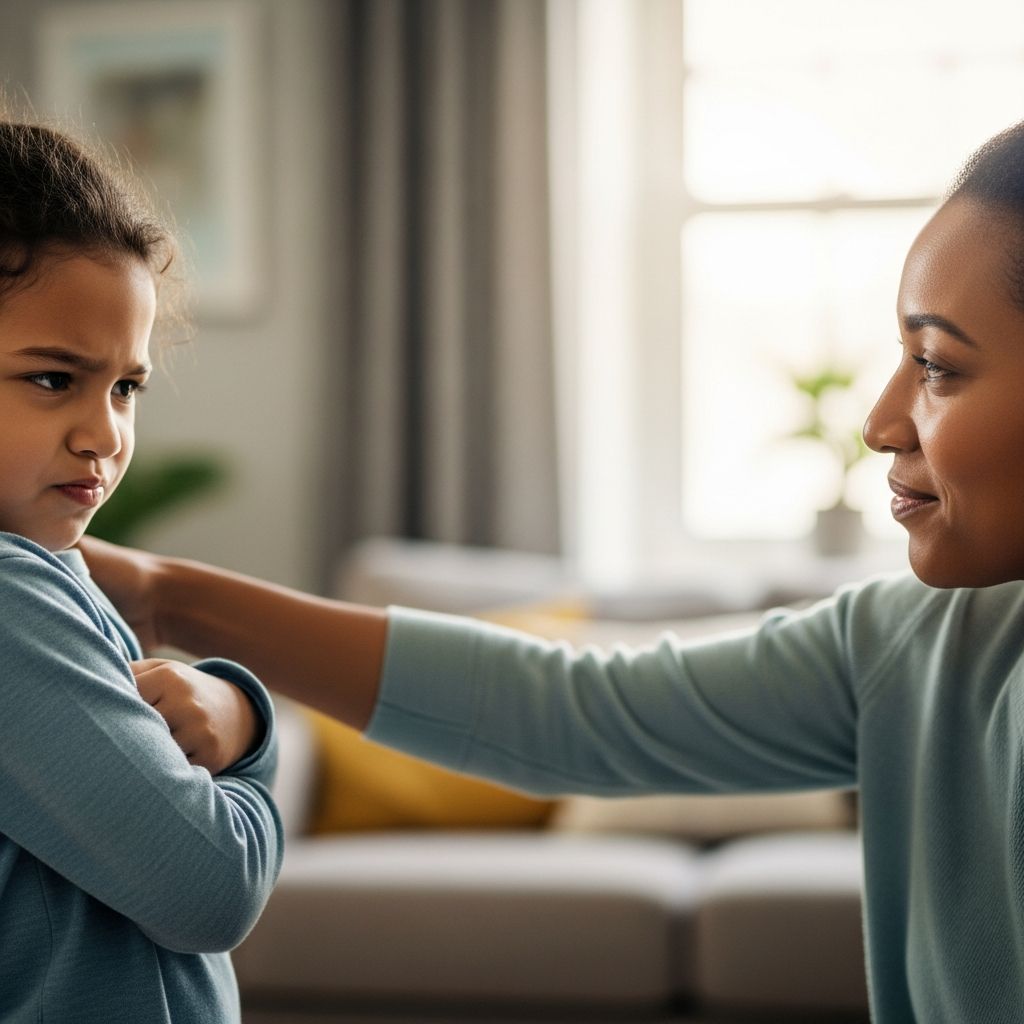
Photography serves as a bridge, translating the abstract experiences of autism into tangible images. Professional and amateur photographers alike capture candid scenes: a child stimming joyfully with a favorite toy, siblings sharing a quiet laugh, or parents offering gentle reassurance during a meltdown. These images humanize autism, showing it’s not defined by deficits but by individuality.
- Candid Moments: Unposed shots reveal genuine emotions, from frustration to delight.
- Sensory Worlds: Photos highlight how everyday environments feel overwhelming or soothing to autistic individuals.
- Family Bonds: Images emphasize unity, proving autism strengthens rather than divides.
Such visual narratives counteract misinformation, promoting acceptance. The World Health Organization (WHO) notes that early diagnosis and family support are crucial for positive outcomes, and sharing stories amplifies these needs.
Daily Rhythms: Mornings, Meltdowns, and Milestones
A typical day in an autism family might start with a carefully curated breakfast routine to prevent sensory overload. Textures, sounds, and lights are managed meticulously. As the day unfolds, therapies, school runs, and playtime interweave with moments of intensity—like a meltdown triggered by change.
Consider a table outlining common daily elements:
| Time of Day | Common Experiences | Family Strategies |
|---|---|---|
| Morning Routine | Sensory sensitivities to clothing or food | Visual schedules, preferred textures |
| Afternoon Activities | School transitions, social play | Social stories, quiet breaks |
| Evening Wind-Down | Overstimulation from day | Calming rituals, dim lights |
| Unexpected Challenges | Meltdowns or shutdowns | Deep pressure hugs, safe spaces |
Milestones, though delayed, are celebrated fiercely. A first unprompted ‘I love you’ or eye contact during a game becomes a triumph worth cherishing.
Siblings and Extended Family: Shared Journeys
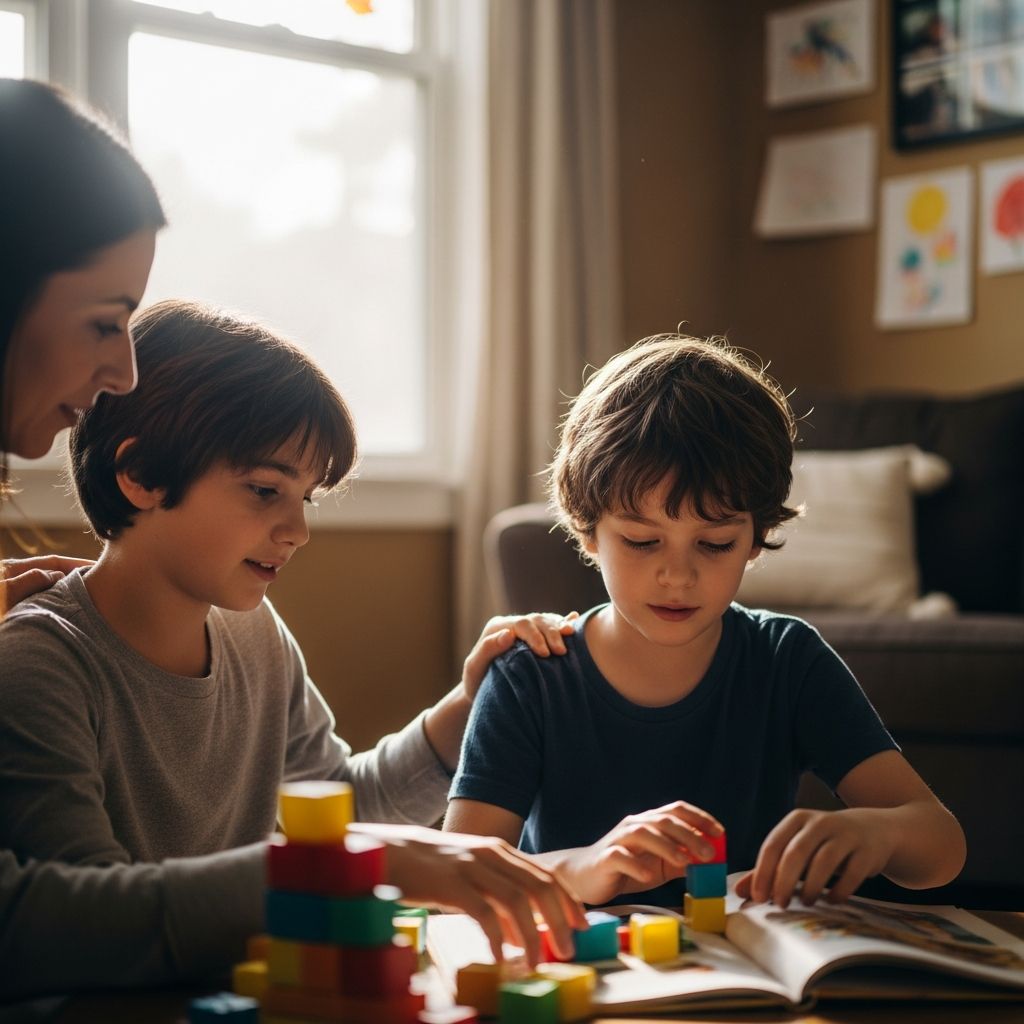
Neurotypical siblings often become advocates and allies. They learn empathy early, adapting games to include their autistic brother or sister. Photos capturing these interactions show laughter amid chaos, teaching us about unconditional support.
Extended family plays a vital role too. Grandparents might create sensory-friendly spaces, while aunts and uncles advocate in social settings. The National Autistic Society emphasizes that inclusive family dynamics improve mental health for all members.
Parental Perspectives: Strength in Vulnerability
Parents describe a rollercoaster of emotions—grief for unmet expectations, pride in unique strengths, and exhaustion from advocacy. Yet, many report profound growth. One common thread in family photo series is the parents’ tender gazes, reflecting unwavering commitment.
Self-care is essential. Strategies include respite care, support groups, and mindfulness. Research from the Autism Speaks organization highlights that parental well-being directly impacts child outcomes.
Challenging Myths Through Real-Life Images
Myths persist: ‘Autism means no emotion’ or ‘All autistic kids are savants.’ Authentic photography debunks these. Images show rich emotional lives—tears of joy, frustration, affection. Diversity is evident: from nonverbal children using AAC devices to verbally fluent teens with social quirks.
- Myth: Autism prevents happiness. Reality: Joy in simple pleasures like spinning wheels or favorite songs.
- Myth: Families are burdened. Reality: Bonds deepen through shared perseverance.
- Myth: Uniform experience. Reality: Spectrum means vast individual differences.
Building Supportive Communities
Families thrive with community. Online forums, local meetups, and photography projects connect isolated parents. Initiatives like the CDC’s ‘Learn the Signs. Act Early.’ program empower early intervention.
Photographers specializing in special needs capture these networks, showing group playdates where kids with similar needs connect effortlessly.
Future Visions: Hope and Advocacy
Looking ahead, advancements in therapies and neurodiversity acceptance promise brighter futures. Families advocate for inclusive education and workplaces. Visual stories fuel this movement, turning personal snapshots into calls for change.
Incorporate technology like VR for sensory training or AI for communication aids, as explored in recent NIH studies.
Frequently Asked Questions (FAQs)
What does a meltdown look like in autism?
Meltdowns are intense responses to overwhelm, often involving crying, screaming, or withdrawal—not tantrums but neurological overloads. Families use de-escalation techniques like quiet spaces.
How can photography help autism families?
It validates experiences, builds awareness, and creates cherished memories that honor the child’s authentic self without pressure to perform.
Are there resources for siblings of autistic children?
Yes, organizations like theSibling Support Project offer groups and materials to help neurotypical siblings process their feelings.
What’s the best way to support a family with autism?
Listen without judgment, offer practical help like meal drop-offs, and educate yourself via reputable sources.
Can autistic children lead fulfilling lives?
Absolutely—with support, many pursue education, careers, and relationships, leveraging their unique strengths.
References
- Prevalence and Characteristics of Autism Spectrum Disorder Among Children Aged 8 Years — Autism and Developmental Disabilities Monitoring Network, 11 Sites, United States, 2020 — Centers for Disease Control and Prevention. 2023-03-30. https://www.cdc.gov/mmwr/volumes/72/ss/ss7202a1.htm
- Autism spectrum disorders — World Health Organization. 2024-06-15. https://www.who.int/news-room/fact-sheets/detail/autism-spectrum-disorders
- Family Outcomes of Early Intervention for Young Children with Autism — National Institutes of Health (PubMed). 2022-05-12. https://pubmed.ncbi.nlm.nih.gov/35503847/
- Supporting Siblings of Children with Autism — Autism Speaks. 2023-11-08. https://www.autismspeaks.org/expert-opinion/supporting-siblings-children-autism
- Learn the Signs. Act Early. — Centers for Disease Control and Prevention. 2025-01-20. https://www.cdc.gov/ncbddd/actearly/index.html