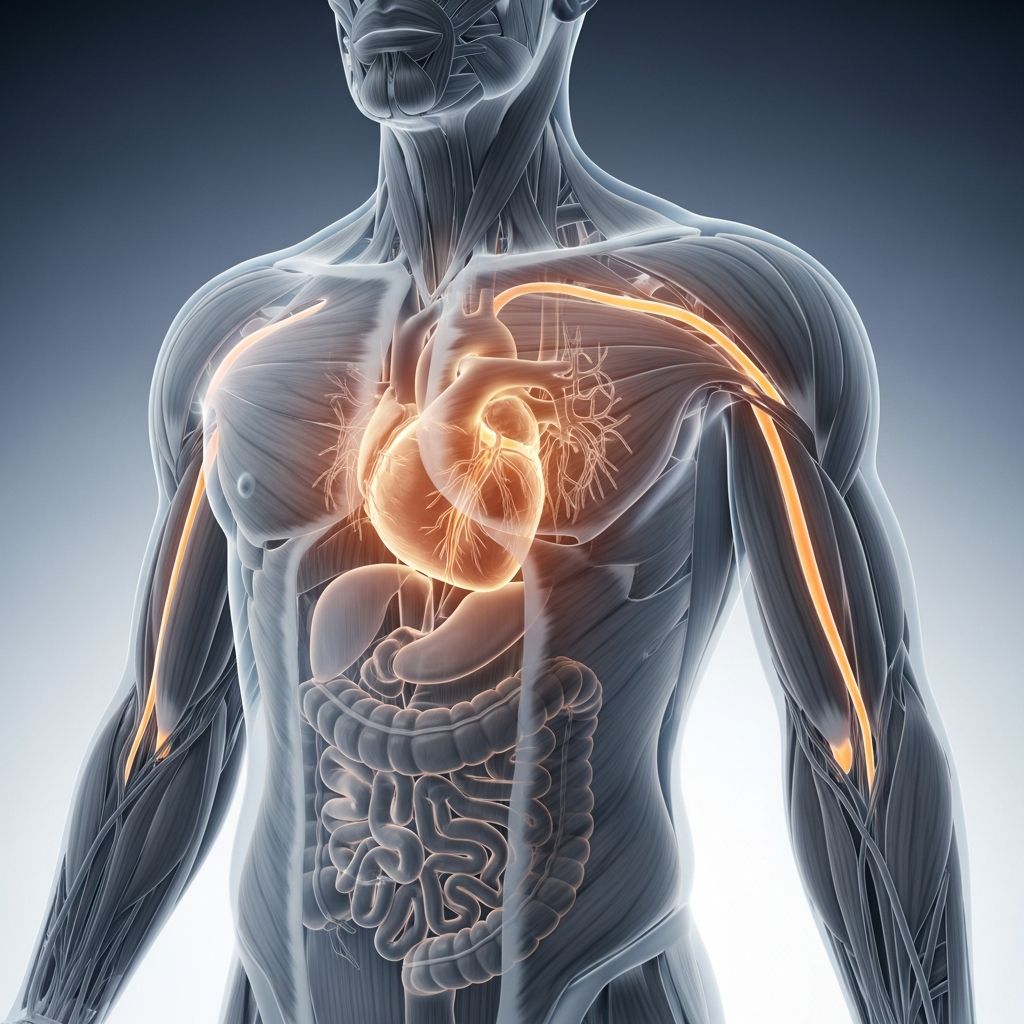
Some of the most important muscles in your body are the ones you never think about. These are called involuntary muscles, and they work automatically to keep you breathing, digesting food, and pumping blood every second of your life.
What Does “Involuntary” Really Mean?
When something is involuntary, it happens without you deciding to do it. You do not have to plan it, practice it, or even notice it. Your body’s control center, the nervous system, takes care of it quietly in the background.
Involuntary muscles are different from the muscles you move on purpose, like the ones you use to jump, write, or wave. Those are called voluntary muscles because you choose when to move them.
- Voluntary muscles: You control them on purpose (like moving your arms and legs).
- Involuntary muscles: They work automatically without your conscious control (like your heart beating).
The Three Main Muscle Types
Your body has three basic kinds of muscle tissue. Only one type is truly under your control most of the time, but all three are important for staying alive and active.
| Muscle Type | Control | Where It’s Found | Main Job |
|---|---|---|---|
| Skeletal muscle | Voluntary (you control it) | Attached to bones (arms, legs, face, etc.) | Helps you move, stand, smile, and play sports |
| Smooth muscle | Involuntary | Walls of organs like stomach, intestines, bladder, and blood vessels | Pushes food, fluids, and blood through your body |
| Cardiac muscle | Involuntary | Only in the heart | Pumps blood to every part of your body, all the time |
Only skeletal muscles are usually under your direct control, while smooth and cardiac muscles are the main involuntary muscle types.
Smooth Muscles: The Quiet Movers Inside Organs
Smooth muscles are found in the soft inner parts of your body. They get their name because, under a microscope, they look smooth and not striped like skeletal or heart muscles. You will not see them from the outside, but they are always at work inside.
Where Smooth Muscles Live
Smooth muscles line the walls of many organs and tubes in your body. These muscles wrap around these structures and squeeze them gently or firmly when needed.
- In the stomach and intestines, they help move food along the digestive tract.
- In the blood vessels, they help control how wide or narrow the vessels are, which affects blood pressure and flow.
- In the bladder, they help you store and release urine at the right times.
- In the airways of the lungs, they help control how open or tight the air passages are.
How Smooth Muscles Work Without You
Smooth muscles contract slowly and steadily, often in wave-like motions that push material through the body. These movements are controlled by automatic parts of the nervous system and by chemical signals in the body, not by your conscious thoughts.
When you eat, for example, you do not have to tell your stomach to churn the food or your intestines to move it along. Smooth muscles sense what needs to be done and respond with the right kind of gentle squeezing.
Cardiac Muscle: The Tireless Heart Worker
Cardiac muscle is the special muscle that makes up the walls of your heart. It is strong like skeletal muscle but automatic like smooth muscle. This powerful combination lets your heart beat nonstop, day and night, without getting tired in the same way your leg muscles do.
Why Heart Muscle Is Unique
Cardiac muscle cells are connected in a way that lets electrical signals spread quickly across the heart. When one part of the heart gets the signal to contract, the rest follows in a carefully timed pattern, creating a heartbeat.
- The heart muscle contracts and relaxes in a steady rhythm called the heartbeat.
- It adjusts how fast it beats depending on what you are doing, such as resting or running.
- You cannot decide to stop or start your heartbeat, but emotions and activities can influence its speed.
Automatic Heartbeat Control
Deep inside the heart is a group of cells that act like a natural pacemaker. These cells create tiny electrical signals that tell the cardiac muscle when to contract. The signals travel through the heart in a set path, helping the upper and lower parts squeeze in the right order.
Your nervous system can send messages that speed up or slow down the pacemaker, such as during exercise, stress, calm moments, or sleep, but you never have to give it direct instructions.
Voluntary vs Involuntary: Side-by-Side
It can be helpful to compare muscles you control with muscles you do not. This shows why your body needs both kinds to work well together.
| Feature | Voluntary Muscles | Involuntary Muscles |
|---|---|---|
| Control | Moved by choice | Move automatically |
| Main Types | Skeletal muscle | Smooth muscle, cardiac muscle |
| Typical Location | Attached to bones | Inside organs and in the heart |
| Example Actions | Jumping, writing, smiling | Heart beating, food moving through intestines, blood vessels tightening |
| Speed of Action | Fast, quick bursts | Often slower, steady, and rhythmic |
Without voluntary muscles, you could not move around your world. Without involuntary muscles, your organs could not keep you alive. Both types are equally important and constantly work together.
Everyday Signs of Involuntary Muscle Activity
You might not notice most involuntary muscle actions, but sometimes your body gives you tiny hints that they are there. These small events can remind you that your inner muscles are always hard at work.
- Heartbeat changes: Your heart beats faster when you run or feel excited and slows when you rest or feel calm.
- Stomach gurgles: Strange gurgling sounds come from smooth muscles moving food and gas in your intestines.
- Goosebumps: Tiny muscles at the base of each hair can tighten when you feel cold or scared, making your skin look bumpy.
- Eye focusing: Small smooth muscles in your eyes adjust the lens to help you see things clearly up close or far away.
Even when you are sleeping, these muscles continue to do their jobs, keeping your body working smoothly without any effort from you.
How the Nervous System Controls Involuntary Muscles
The nervous system is like the body’s communication network. It uses electrical signals and chemical messages to tell muscles what to do. For involuntary muscles, a special part called the autonomic nervous system is in charge.
The Autonomic Nervous System
The autonomic nervous system has two main sides that work together to keep you balanced:
- One side speeds things up when you need more energy, such as during exercise or when you are scared.
- The other side slows things down when you need to rest, digest food, and relax.
These systems constantly send signals to smooth and cardiac muscles. As a result, your heart, lungs, stomach, and other organs change their activity level without you ever needing to think, “I should pump more blood now” or “I should move that food along.”
Why Involuntary Muscles Are Essential for Life
Involuntary muscles may be hidden, but they perform tasks that your body must do to survive. If these muscles stopped for even a short time, serious problems could happen very quickly.
- Cardiac muscle pumps blood, delivering oxygen and nutrients to every cell.
- Smooth muscles in blood vessels help maintain blood pressure so organs get what they need.
- Smooth muscles in the digestive system move food along, mix it with digestive juices, and help your body absorb nutrients.
- Smooth muscles in the bladder and other organs manage waste removal in a controlled way.
Because these muscles work automatically and without rest, you are free to focus on school, friends, games, and hobbies instead of managing every tiny process in your body.
Keeping Your Involuntary Muscles Healthy
Although you cannot move involuntary muscles on purpose, you can still take care of them through smart everyday choices. Healthy habits help all your muscles stay strong and efficient.
Heart-Friendly Habits
- Stay active: Regular play and exercise help your heart muscle stay strong and efficient.
- Eat balanced meals: Fruits, vegetables, whole grains, and lean proteins support healthy blood vessels and heart muscle.
- Avoid too much sugar and greasy food: These can harm your blood vessels over time if eaten in large amounts regularly.
Supporting Smooth Muscle Function
- Drink enough water: Fluids help your digestive system and blood vessels work well.
- Eat fiber-rich foods: Whole grains, beans, fruits, and vegetables help smooth muscles move food through the intestines more easily.
- Get enough sleep: Rest gives your nervous system time to reset and helps all involuntary processes stay in balance.
These simple habits benefit your entire body, including the muscles you notice and the ones you never see.
When Involuntary Muscles Need Medical Help
Sometimes involuntary muscles do not work the way they should. When this happens, you might notice unusual feelings, rhythms, or discomfort. Paying attention to warning signs and talking to a trusted adult can help you get care if needed.
- Irregular heartbeats: Feeling your heart racing, fluttering, or pounding unexpectedly, especially if it comes with dizziness or chest pain.
- Severe stomach pain: Strong cramps, long-lasting pain, or trouble going to the bathroom may mean the smooth muscles in your digestive system are having problems.
- Trouble breathing: Tightness in your chest or wheezing could be related to muscles in your airways and lungs.
- Very frequent bathroom trips or trouble peeing: This may indicate problems with the bladder muscles or related organs.
If you notice any of these issues, it is important to tell a parent, guardian, or teacher so a healthcare professional can decide what is going on and how to help.
Fun Muscle Facts for Curious Kids
Involuntary muscles might be serious workers, but learning about them can still be fun. Here are some neat facts that show just how amazing these hidden muscles are.
- Your heart muscle can beat billions of times over a lifetime without stopping.
- Smooth muscles in your intestines are so active that they may still keep moving food for a while even if you lie completely still.
- Some tiny muscles in your skin can raise hairs when you are cold, creating goosebumps to help trap a bit of warmth.
- Smooth muscles can keep squeezing gently for a long time without getting as tired as skeletal muscles would.
These facts show that involuntary muscles are built for endurance, reliability, and constant service.
Simple Activities to Explore Muscle Power
Even though you cannot directly control involuntary muscles, you can do safe activities that help you notice how they respond to your actions.
- Heart rate check: Jog in place for one minute, then gently feel the pulse at your wrist or neck. Notice how much faster it is than when you are resting.
- Breathing awareness: Take a few slow, deep breaths and pay attention to how your chest and belly move. The muscles between your ribs and in your diaphragm are partly automatic, but you can also influence them.
- Digestive sounds: After a meal, sit quietly and listen carefully. You may hear soft gurgling sounds from your stomach or intestines as smooth muscles do their work.
These simple experiments remind you that your body is always busy, even when you feel like you are not doing anything special.
Frequently Asked Questions About Involuntary Muscles
Can I ever control my involuntary muscles?
Most involuntary muscles cannot be controlled directly, but some body systems are a mix. For example, you can choose to take a deep breath or hold your breath for a short time, but your body will automatically start breathing again if you forget or fall asleep.
Why does my heart beat faster when I’m scared or excited?
When you feel strong emotions, your nervous system sends signals to your heart muscle to beat faster. This prepares your body to react quickly, giving your muscles more oxygen and energy in case you need to move or respond fast.
Do involuntary muscles ever get tired?
Involuntary muscles can become strained or diseased, but they are designed to handle long-lasting work. Cardiac and smooth muscles are built differently from skeletal muscles so they can keep going without the same kind of tired feeling you get in your legs or arms after hard exercise.
What happens if an involuntary muscle stops working correctly?
If an involuntary muscle does not work well, it can affect the organ it belongs to, such as the heart, stomach, or blood vessels. Doctors may use tests, medicines, lifestyle changes, or other treatments to help the muscle and the organ work better again.
How can I learn more about muscles?
You can read science books for kids, watch educational videos, ask questions in science class, or talk with a healthcare professional. Exploring reliable resources helps you understand how complex and amazing your own body really is.
Big Picture: Invisible Muscles, Huge Jobs
Involuntary muscles may be out of sight, but they never stop working. From your beating heart to your churning stomach and your adjusting blood vessels, these muscles handle the life-support tasks your body needs every moment.
By treating your body kindly with healthy food, exercise, water, and rest, you support the muscles you control and the ones you never have to think about. Together, they form a powerful team that keeps you growing, moving, and enjoying each day.