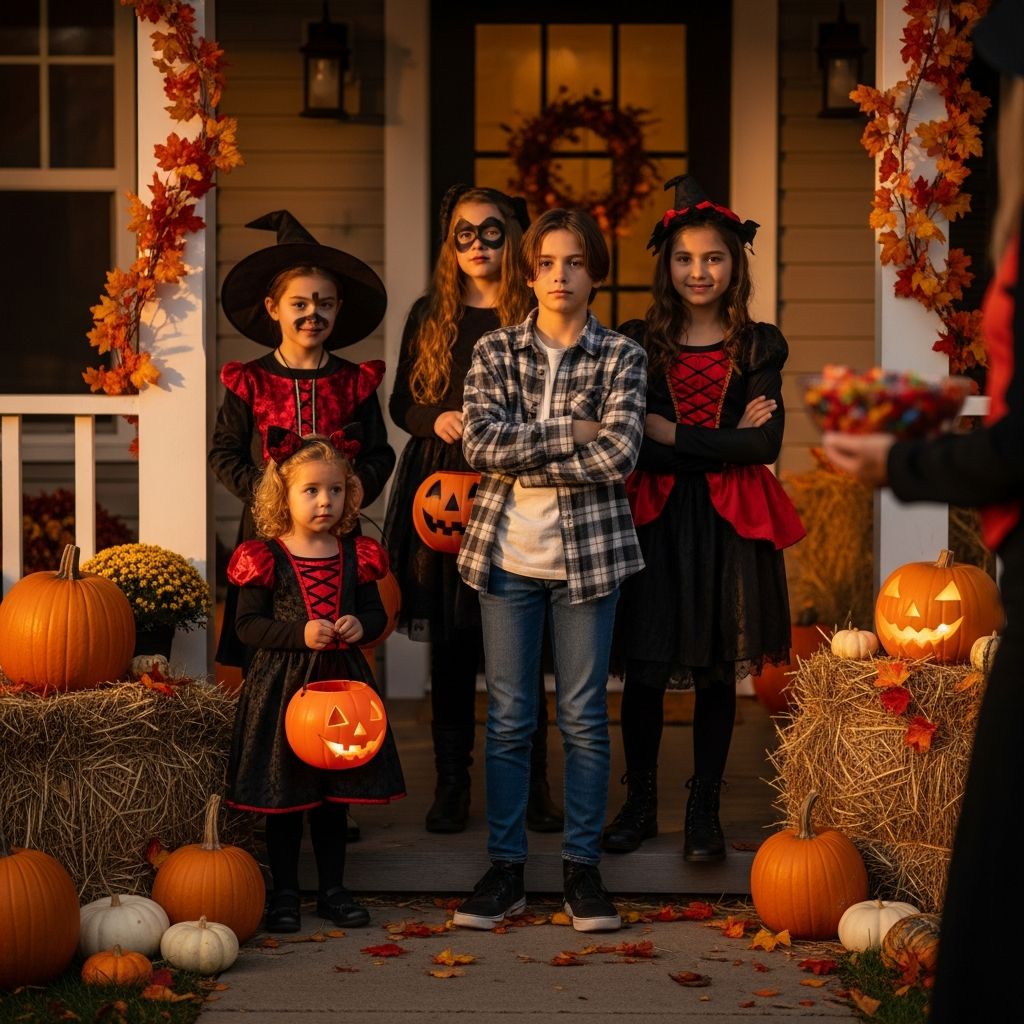
Halloween sparks joy with costumes, candy, and community spirit, but as children enter their tween and teen years, a common question arises: when is someone too old for door-to-door trick-or-treating? This debate pits nostalgia against maturity, with opinions varying widely among kids, parents, and neighborhoods. While some tweens proudly declare themselves done by age 11, others cherish the tradition longer, prompting discussions on respect, safety, and evolving holiday customs.
The Tween Perspective: Feeling Too Mature for Candy Runs
Many 11-year-olds view trick-or-treating as a younger child’s game. These tweens often express a desire to appear more grown-up, preferring social hangouts or scary movies over pint-sized superheroes knocking on doors. This shift aligns with developmental stages where peer approval becomes paramount, and activities associated with early childhood feel embarrassing.
For instance, preteens in middle school might opt out to avoid teasing from friends who see it as ‘babyish.’ This self-imposed cutoff helps them navigate the awkward transition from kid to adolescent, embracing independence through choices like hosting game nights or experimenting with makeup instead of masks.
- Tweens prioritize social image over sweets.
- Middle school marks a common turning point.
- Alternatives like parties provide similar excitement without the ‘kid’ label.
Parental Views: Generosity vs. Boundaries
Parents hold diverse stances. Some embrace an open-door policy, handing out treats to all ages in costume, viewing Halloween as inclusive fun. Others set firmer lines, reserving candy for elementary-aged visitors to preserve the magic for little ones and encourage older kids to buy their own snacks.
Generous households argue that polite, costumed teens keep the holiday wholesome, deterring riskier behaviors like unsupervised parties. Stricter parents counter that high schoolers should fund their indulgences, fostering responsibility. Local ordinances in certain areas even enforce age caps, typically around 12-14, blending community standards with family rules.
| Parent Stance | Reasons For | Reasons Against |
|---|---|---|
| No Age Limit | Promotes safety; inclusive spirit | May overshadow young kids |
| Age 12 Cutoff | Encourages maturity; buys own candy | Harsh for family traditions |
| Costume Required | Maintains holiday tradition | Excludes those without means |
Community Polls and Surveys: What the Masses Say
Online polls reveal a split but lean inclusive. One survey showed over 90% opposing strict age limits, favoring fun for anyone participating respectfully. Another highlighted 30% pegging 14 as the cutoff, 20% at 16, and 17% basing it on maturity. About 12 emerged as a frequent boundary, though many rejected numerical rules altogether.
These results underscore regional differences—suburban areas with heavy foot traffic might tire of teen groups, while rural spots welcome all. Social media amplifies voices, with parents sharing stories of costumed college students receiving cheers alongside toddlers.
Historical Roots: Why Halloween Suited Teens Originally
Halloween’s modern form emerged partly to occupy youth safely. In the early 20th century, communities organized events to curb mischief from rowdy adolescents, evolving into trick-or-treating as a structured outlet. This legacy supports arguments for older participants, reminding us the holiday was designed to channel teen energy positively.
Today, reviving that spirit means adapting: teens accompanying siblings earn candy for supervision duties, blending roles without dominating the night.
Safety First: Guidelines for Older Trick-or-Treaters
Regardless of age, safety remains key. Visibility with glow sticks or lights prevents accidents, while groups reduce risks. Parents stress hydration amid candy hauls and monitoring sugar intake to avoid crashes.
For tweens and teens:
- Stick to well-lit streets.
- Travel in pairs or more.
- Respect ‘no candy’ signs.
- Yield to younger children at doors.
Communities enhance safety via designated hours, often 5-8 PM, aligning with dusk for optimal visibility per pedestrian safety studies from the CDC.
Alternatives to Traditional Trick-or-Treating for Tweens and Teens
As kids age out, creative options keep Halloween alive. Haunted house visits, pumpkin carving contests, or DIY costume contests offer thrills minus the doorbell routine.
- Block Parties: Neighborhood gatherings with games and treats.
- Escape Rooms: Themed puzzles for group fun.
- Hayrides: Spooky trails with friends.
- Charity Drives: Candy swaps for donations.
- Movie Marathons: Horror classics at home.
These maintain excitement while matching maturity levels, often strengthening family or friend bonds.
Global Halloween Variations: Age Isn’t Universal
Beyond the U.S., celebrations differ. In the UK, ‘Guising’ involves performances for treats, welcoming all ages. Mexico’s Día de los Muertos honors all generations with altars, not candy hunts. These traditions highlight Halloween’s flexibility—no global age consensus exists.
Psychological Angles: Why the Age Debate Persists
Developmentally, ages 10-14 involve identity formation, per American Academy of Pediatrics guidelines. Trick-or-treating evokes childhood comfort amid peer pressures, explaining reluctance to quit. For parents, it’s bittersweet—signaling their child’s growth.
Balancing empathy means validating feelings: some tweens quit early for cool factor; others persist for joy. Open talks help families decide without conflict.
Frequently Asked Questions (FAQs)
What is the typical age cutoff for trick-or-treating?
No universal rule exists, but polls suggest 12-14 for many, with maturity and costume mattering more than years.
Should teens wear costumes?
Yes, it honors the tradition and shows respect, earning more generosity from homeowners.
Are there legal age limits?
Some towns enforce 12-18 cutoffs via curfews; check local guidelines.
How can parents encourage safe teen Halloween fun?
Promote groups, costumes, and alternatives like parties to channel energy positively.
Is trick-or-treating only for kids?
Inclusive views say no—adults in spirit get treats too, fostering community.
Building Lasting Halloween Memories Across Ages
Ultimately, Halloween thrives on shared joy. Whether an 11-year-old bows out for maturity or a teen joins siblings, focus on respect and creativity. Families crafting hybrid events—trunk-or-treats or glow-in-the-dark parades—extend fun inclusively. As debates continue, the core remains: safe, spirited nights creating cherished stories.
This approach honors tween autonomy while preserving magic, ensuring every generation finds its Halloween fit.
References
- Pedestrian Safety During Trick-or-Treating — Centers for Disease Control and Prevention (CDC). 2024-10-15. https://www.cdc.gov/transportationsafety/pedestrian/index.html
- Adolescent Development and Identity Formation — American Academy of Pediatrics. 2023-07-01. https://publications.aap.org/pediatrics/article/152/Supplement_1/S56/196105
- Halloween Safety Tips for Families — National Safety Council. 2025-09-20. https://www.nsc.org/community-safety/safety-topics/seasonal/halloween
- Historical Origins of Trick-or-Treating — Library of Congress. 2022-10-28. https://www.loc.gov/rr/scd/Most-halloween.html
- Community Curfews and Halloween Ordinances — National League of Cities. 2024-11-01. https://www.nlc.org/article/2024/10/31/halloween-safety-local-laws