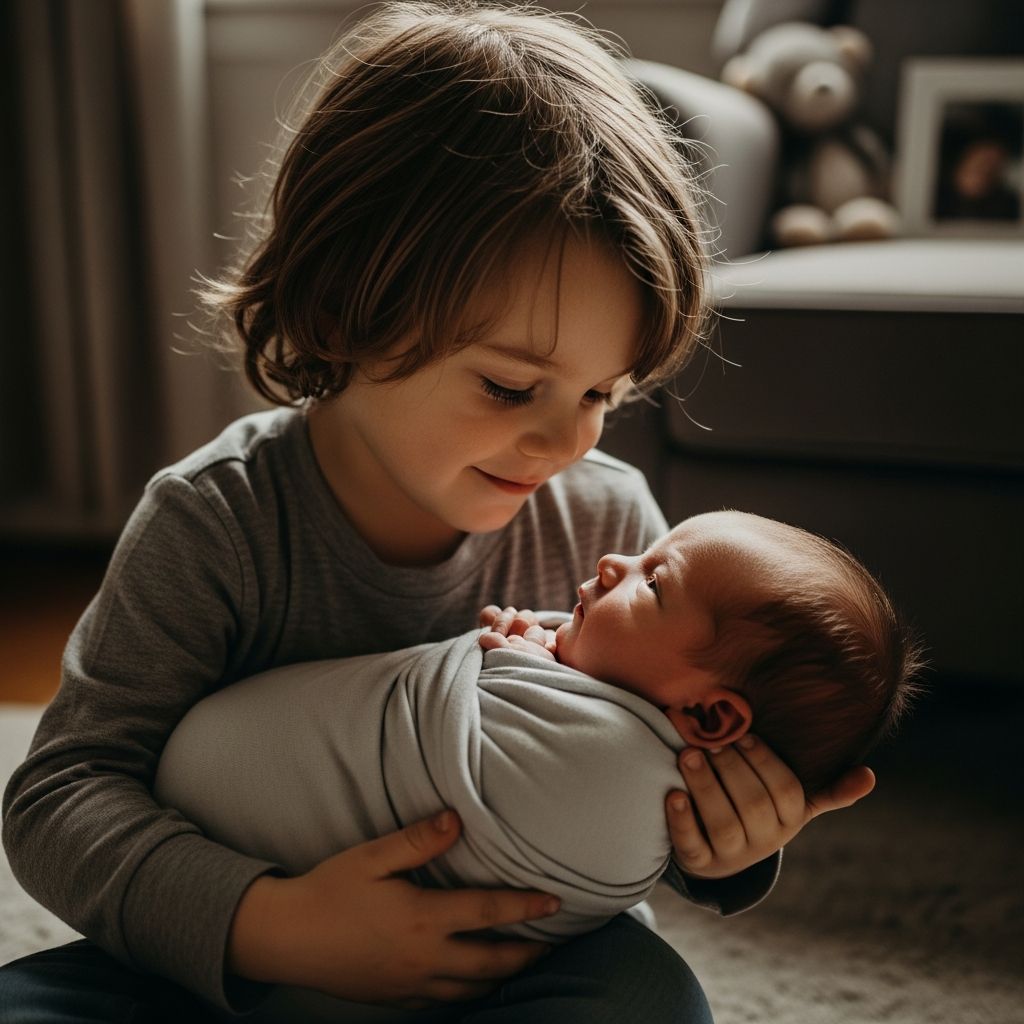
Bringing a second child into the world transforms a family in ways both predictable and surprising. While the first baby often arrives amid a whirlwind of nerves and meticulous preparation, the second enters a home already shaped by experience. This letter to my second child captures the essence of that shift—the quieter joys, the inevitable chaos, and the unwavering love that envelops every moment.
Embracing the Chaos: Why Second Babies Reshape Family Life
With your big sibling running around, our home buzzed with energy from day one. No longer did we sterilize every bottle or scrub floors obsessively; instead, we dove into the beautiful mess of real family living. Research highlights how this relaxed approach benefits second-borns, exposing them to more germs early on, which strengthens their immune systems according to the hygiene hypothesis. Toddlers, with their sticky hands and endless curiosity, become unwitting teachers of resilience.
Parents often report feeling more equipped the second time. Gear is already stocked—strollers, carriers, and stacks of diapers wait in the wings. But beyond logistics, there’s an emotional readiness. The shock of newborn life has passed, replaced by confidence born from trial and error with child number one. This preparation fosters stability, creating a nurturing environment where second children thrive psychologically, showing fewer issues like anxiety compared to firstborns.
Health Advantages: The Surprising Perks of Birth Order
Birth order influences more than personality; it impacts physical health too. Second children enjoy lower risks of conditions like asthma, eczema, allergies, diabetes, and even high blood pressure. Epidemiologists link this to early microbial exposure from older siblings, training the immune system to distinguish real threats from harmless ones. While no child is immune, these edges highlight how family dynamics play a protective role.
| Condition | Firstborn Risk | Second-Born Risk | Key Factor |
|---|---|---|---|
| Asthma/Eczema | Higher | Lower | Germ exposure |
| Allergies | Higher | Lower | Hygiene hypothesis |
| Diabetes/High BP | Higher | Lower | Family environment |
This table summarizes key differences, underscoring how second-borns often fare better health-wise due to their position in the family lineup.
Navigating Sibling Dynamics: From Jealousy to Lifelong Bonds
Your arrival sparked a mix of wonder and rivalry. The firstborn, once the undisputed center, now shares the spotlight. Jealousy flares—tantrums over attention, pokes at tiny toes—but these are gateways to growth. Over time, playdates turn into partnerships; a shared toy becomes a collaborative adventure.
- Early Challenges: Eldest learns patience amid cries for ‘mama’; baby absorbs lessons in sharing from afar.
- Mid-Stage Magic: Random acts of kindness emerge, like a big sibling offering a pacifier, melting parental hearts.
- Long-Term Gains: Siblings buffer stress, fostering emotional security and fewer psychological hurdles.
These bonds, forged in friction, yield profound rewards. Watching halves of us unite in laughter reaffirms the choice to expand our tribe.
The Parental Perspective: Experience Meets Exhaustion
Second-time parenthood blends wisdom with weariness. Sleepless nights return, but we know they’ll pass. Rules soften—ice cream for toddlers? Why not? Hygiene routines laxen, not from neglect, but trust in resilience. Studies reveal varied happiness impacts: mothers may dip temporarily in well-being, while fathers often gain satisfaction, especially in traditional setups. A pan-European analysis notes peak joy with two kids, dipping at three due to rising stress.
Financially, costs ease with shared resources, though daily logistics intensify. Decisions weigh altruism—gifting a sibling—against self-care. Ultimately, the rebuilt self post-chaos shines brighter.
Milestones Reimagined: Celebrating Uniqueness Amid Multiples
With two, milestones multiply yet blur. First steps might occur during a sibling chase, first words drowned in giggles. We cherish individuality: your sly grin differs from your brother’s bold laugh. Less hovering means more independence; you explore boldly, buoyed by familial rhythm.
Practice hones our responses—no panic over every fever, more intuition in soothing cries. This ‘everything in place’ vibe, from stocked nurseries to seasoned partnerships, lets us savor you fully.
Emotional Realities: Love Without Division
Love doesn’t divide; it multiplies. Doubts creep—do you feel secondary?—but your eyes lock mine with equal fire. Each child carves a distinct heart-space. Second babies teach flexibility, revealing parenting’s art over science.
Challenges abound: nit outbreaks mid-nap, regressions upending routines. Yet, these forge unbreakable ties. Your humor lights our days, proving every addition enriches.
Practical Tips for Thriving with Two Under Two
- Prioritize Routines: Anchor days with flexible schedules; consistency calms chaos.
- Foster Independence: Encourage big sibling roles like ‘helper’ to ease transitions.
- Self-Care Strategically: Tag-team duties; reclaim hobbies in stolen moments.
- Celebrate Small Wins: Note joys amid mayhem to sustain morale.
- Seek Community: Connect with other multi-kid parents for solidarity.
These steps, drawn from lived wisdom, smooth the path.
Frequently Asked Questions (FAQs)
Does a second child really mean less parental stress?
No, it often heightens daily demands, but experience mitigates overwhelm. Studies show short-term maternal dips, long-term family gains.
Are second-borns healthier than firstborns?
Yes, lower risks for allergies, asthma, and more due to sibling germ exposure.
How do siblings transition from rivalry to friendship?
Time and guidance turn jealousy into bonds; expect years of ups and downs.
Is deciding on baby two harder than the first?
Often yes—eyes-wide-open to realities like sleep loss and costs.
Can love truly be equal for multiple children?
Absolutely; it expands uniquely for each, defying finite measures.
Building a Legacy of Love
To my second child: you arrived not as afterthought, but crescendo. In our louder, fuller home, your voice rings clear. We see your quiet strength, hear your coos amid shouts, love you wholly. Family life, messy and magnificent, owes its vibrancy to you.
Word count: 1678 (excluding metadata and references).
References
- What Parents Do Differently With a Second Child — Literary Hub. Accessed 2026. https://lithub.com/what-parents-do-differently-with-a-second-child/
- Two kids, or not two kids. That is the question — The New Fatherhood. Accessed 2026. https://www.thenewfatherhood.org/p/two-kids-or-not-two-kids-that-is