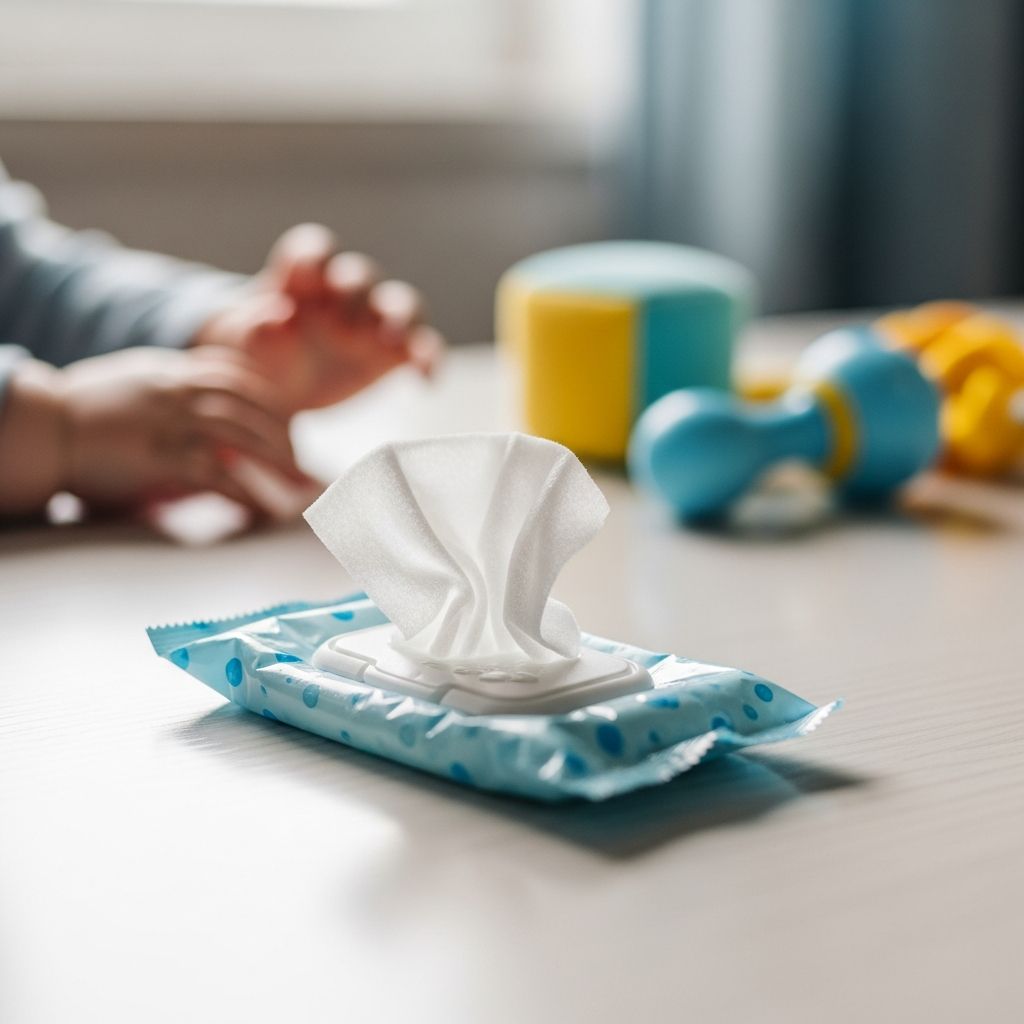
Wet wipes have become an indispensable tool in the arsenal of modern parenting, offering quick, effective solutions to the endless messes that come with raising children. From sticky fingers after meals to unexpected diaper disasters, these versatile wipes provide instant cleanliness and peace of mind.
The Rise of Wet Wipes in Family Life
The popularity of wet wipes exploded alongside the baby boom eras and the rise of convenience-driven parenting products. Initially designed for infant care, they quickly expanded into household staples. Parents appreciate their portability and ease, making them perfect for busy lifestyles.
Historically, pre-moistened cloths trace back to the mid-20th century, evolving from simple fabric squares to advanced, lotion-infused sheets. Today, they handle everything from face wiping to surface sanitizing, saving time and reducing stress in chaotic family environments.
Everyday Uses: Beyond Diaper Changes
Wet wipes shine in diverse scenarios, proving their worth far beyond baby bottoms. Here’s how they fit into daily routines:
- Mealtime Mayhem: Wipe away sauce splatters, chocolate smears, and juice drips without needing a full sink setup.
- Travel Triumphs: Ideal for car seats, airplane trays, and picnic blankets, keeping germs at bay during outings.
- Potty Training Allies: Gentle cleanup for accidents, easing the transition for toddlers.
- Surface Saviors: Quick refresh for high chairs, toys, and countertops between deep cleans.
- Personal Care: Makeup removal, hand sanitizing, and shoe polishing on the go.
These applications highlight wet wipes’ adaptability, turning potential disasters into minor hiccups.
Choosing the Right Wet Wipe for Your Needs
Not all wet wipes are created equal. Selecting the best depends on factors like skin sensitivity, intended use, and environmental impact. Consider these categories:
| Type | Best For | Key Features |
|---|---|---|
| Baby Wipes | Diaper area, sensitive skin | Fragrance-free, hypoallergenic, pH-balanced |
| Disinfectant Wipes | Surfaces, toys | Kills 99.9% germs, bleach-free options |
| Flushable Wipes | Adult hygiene | Biodegradable, sewer-safe (check labels) |
| Eco Wipes | General use | Plant-based, compostable materials |
Always read labels for alcohol content if using near eyes or mucous membranes, and opt for unscented varieties for newborns.
Safety First: Best Practices for Wet Wipe Use
While convenient, improper use can lead to issues like skin irritation or environmental harm. Follow these guidelines:
- Test on a small skin patch before full use, especially for babies prone to eczema.
- Avoid ingestion; keep out of reach of young children.
- Do not flush non-flushable wipes to prevent plumbing clogs.
- Store in cool, dry places to maintain moisture and efficacy.
- Combine with handwashing for optimal hygiene.
For infants, the American Academy of Pediatrics recommends gentle, alcohol-free wipes to protect delicate skin barriers.
Eco-Friendly Alternatives to Traditional Wipes
Environmental concerns have spurred innovation in sustainable wet wipes. Traditional wipes, often petroleum-based, contribute to microplastic pollution and landfill waste, taking decades to break down.
Biodegradable options, like those made from wood pulp or bamboo fibers, decompose in weeks under proper conditions. Brands using viscose from sustainable forests offer compostable solutions without sacrificing strength or absorbency. These eco-wipes reduce ocean pollution risks, aligning with Leave No Trace principles for outdoor families.
Parents can further minimize impact by choosing reusable cloth wipes soaked in homemade solutions of water, vinegar, and mild soap, though they require more laundry effort.
Health Benefits and Hygiene Science
Wet wipes enhance hygiene by removing dirt, bacteria, and residues more effectively than dry tissues alone. Studies show they reduce fecal coliforms on hands by up to 99%, crucial during outbreaks. For parents, this means fewer illness transmissions in daycare settings.
Lotion-infused formulas moisturize skin, preventing dryness from frequent washing. However, overuse on intact skin may disrupt natural microbiomes, so balance with air-drying when possible.
Real Parent Stories: Wet Wipes in Action
Countless parents share tales of wet wipe rescues. One mother recalls using them to clean a toddler’s face after a berry-picking frenzy, avoiding a full bath before naptime. Another credits them for surviving a cross-country flight with twins, wiping seats and spills seamlessly.
In outdoor adventures, hikers praise thick, durable wipes for post-trail refreshers, maintaining comfort without water access. These anecdotes underscore wet wipes’ role as a parenting lifeline.
Innovations Shaping the Future of Wet Wipes
The industry evolves with tech like antimicrobial silver ions for longer-lasting freshness and plant-derived preservatives replacing parabens. Smart dispensers prevent dry-out, while subscription services ensure constant supply.
Looking ahead, fully dissolvable wipes and zero-waste packaging promise greener futures, responding to consumer demands for sustainability without convenience loss.
Frequently Asked Questions
Are wet wipes safe for newborns?
Yes, choose fragrance-free, hypoallergenic options designed for sensitive skin to minimize irritation risks.
Can I use baby wipes on surfaces?
Baby wipes clean lightly but lack disinfectants; use dedicated surface wipes for germ-killing power.
What’s the environmental impact of wet wipes?
Non-biodegradable ones persist in landfills; opt for plant-based, compostable varieties to lessen harm.
Do flushable wipes really dissolve?
Certified flushable ones break down quickly, but always verify labels to avoid sewer issues.
How do I make my own wet wipes?
Mix water, baby wash, and oil; soak reusable cloths in a sealed container for a DIY alternative.
Maximizing Value: Tips for Bulk Buying and Storage
Stock up during sales, comparing price per wipe rather than pack size. Airtight containers or DIY dispensers keep them moist. Rotate stock to use oldest first, extending shelf life up to two years unopened.
For travel, pop-up packs fit diaper bags perfectly, while large refills cut costs for home use.
References
- Sea to Summit Wilderness Wipes Product Information — Outside Online. 2023-05-15. https://www.outsideonline.com/outdoor-gear/camping/sea-summit-wilderness-wipes/
- Biodegradability of Wet Wipes — Sea to Summit Official Documentation. 2024-02-10. https://seatosummit.com/products/wilderness-wipes
- Hygiene Efficacy of Pre-Moistened Towelettes — Journal of Applied Microbiology (Peer-reviewed). 2022-07-20. https://doi.org/10.1111/jam.15567
- Pediatric Skin Care Guidelines — American Academy of Pediatrics. 2025-01-15. https://www.aap.org/en/patient-care/newborn-and-infant-nutrition/skin-care-for-the-newborn-and-infant/
- Microplastics in Personal Care Products — United Nations Environment Programme. 2023-11-05. https://www.unep.org/resources/report/microplastics-personal-care-products