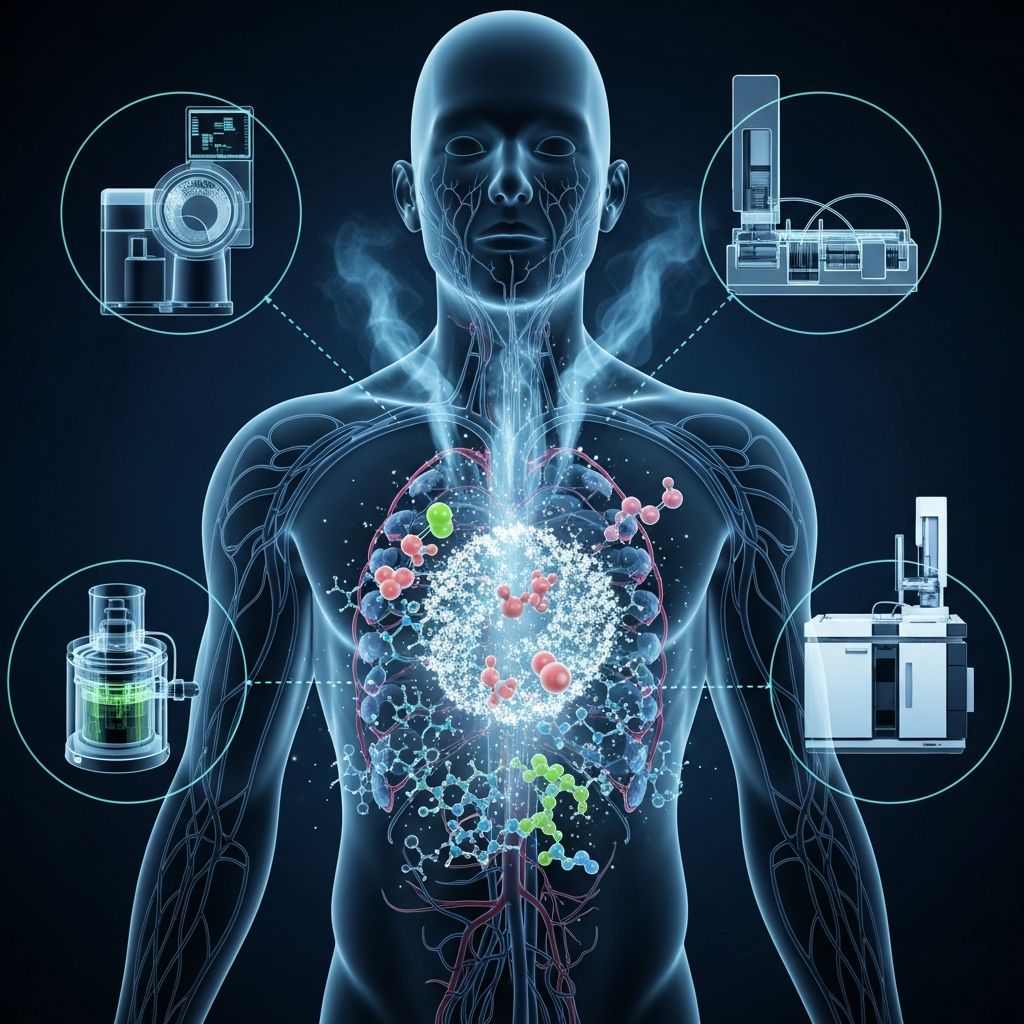
The human body looks ordinary on the outside, but under the surface it is full of odd design choices, improbable tricks, and behaviors that sound more like science fiction than biology. Many of these quirks evolved to keep us alive, yet they often feel downright weird when you zoom in.
This guide explores some of the strangest, science-backed facts about your body—from your skin and skeleton to your brain, gut, and senses—so you can better appreciate how wonderfully weird you really are.
1. Your Skin: Living Armor That Constantly Falls Off
Skin is more than a simple covering. It is your largest organ and a dynamic shield that is constantly renewing and quietly shedding itself.
- You are leaving a trail of yourself everywhere. Adults shed a significant amount of dead skin each year, contributing to the dust found indoors.
- Most of that household dust is you. Research suggests that a large portion of dust in homes is made up of dead skin cells and fibers from clothing.
- Skin is surprisingly heavy. Because skin covers your entire body and has multiple layers, it accounts for a notable share of your total body weight.
Your outermost skin cells are essentially dead, flattened cells packed with the protein keratin. They form a kind of biological armor that you quietly discard in tiny flakes all day long. Meanwhile, deeper layers are busily making new cells that will move outward and replace them—over and over again.
Skin and Microbes: An Invisible Ecosystem
Your skin is also a bustling ecosystem for microbes:
- Thousands of bacterial species live on your skin. Studies using genetic sequencing show that healthy skin is home to a diverse community of bacteria, fungi, and viruses.
- Most of them help more than they hurt. Many skin microbes prevent more harmful organisms from taking hold, support immune function, and help keep the skin barrier stable.
So the next time you wash your hands, remember: you are not just cleaning your own cells—you are briefly rearranging a entire microscopic neighborhood.
2. Bones: A Rattling Frame That Rebuilds Itself
Bones feel solid and permanent, but your skeleton is secretly one of the most active tissues in your body.
- Babies start with many more bones than adults. Newborns have around 300 bones, many of which fuse together as they grow, leaving about 206 bones in most adults.
- Your bones are constantly being torn down and rebuilt. Cells called osteoclasts break bone tissue down, while osteoblasts build it back up in a continuous remodeling cycle.
- Bone is full of life, not just calcium. In the center of many bones is bone marrow, where blood cells are produced throughout your life.
Big Heads, Tiny Bodies: Strange Bone Proportions
Body proportions at birth and in adulthood are impressively different:
| Body Part | At Birth | In Adulthood |
|---|---|---|
| Head length vs total body length | About one-quarter of total length | About one-eighth of total length |
| Total number of bones | ~300 (many separate pieces) | ~206 (after fusing) |
This shift in proportions is one reason babies struggle to hold their heads up, and why the skull has soft, flexible spots early in life that gradually harden as bones fuse.
3. Muscles and Movement: Hidden Power Systems
Movement looks smooth from the outside, but it requires a huge network of muscles working constantly, even when you are resting.
- Your body contains hundreds of muscles. These include skeletal muscles for movement, smooth muscles in organs, and cardiac muscle in your heart.
- The strongest muscle depends on how you define “strength.” The tongue, heart, jaw muscles, and gluteus maximus all compete for the title depending on whether you measure force, endurance, or workload.
- Even when you sit still, muscles are active. Postural muscles in your back, abdomen, and legs work in the background to keep you upright and balanced.
Some muscles are incredibly tiny—such as those in the inner ear that control vibrations—while others, like the gluteus maximus, are large and powerful, helping you stand, run, and climb.
4. The Brain: A Hungry, Hyperactive Control Center
Your brain is only a small fraction of your body weight, but it is one of the greediest organs you own and one of the most mysterious.
- The brain is extremely energy-hungry. In adults, the brain uses about 20% of the body’s oxygen and energy despite being only around 2% of total body weight.
- Your brain never really “turns off.” Even during sleep, it cycles through activity patterns that support memory, learning, and housekeeping tasks like clearing waste.
- Thoughts involve rapid electrical and chemical signals. Nerve cells (neurons) communicate via action potentials that can travel at high speeds along nerves.
Memory and Capacity: A Biological Data Center
Estimates vary, but research comparing brain networks to digital storage suggests that the human brain may have a theoretical storage capacity on the order of several terabytes or more, far beyond what you consciously notice. Unlike a computer, though, the brain does not store everything as exact files; it constantly rewires and reorganizes based on experience.
5. The Gut: A Twisting Tube That Outlengths You
Your digestive system is essentially a muscular, folded tube that starts at your mouth and ends at your anus. Much of its weirdness comes from how long and active that tube really is.
- Your small intestine is longer than you are tall. In adults, the small intestine typically measures around 18–23 feet when stretched out.
- Your large intestine is shorter but wider. It averages about 5 feet long and is specialized for absorbing water and forming stool.
- Food does not simply “drop” through your system. Coordinated muscle waves called peristalsis push food along, even if you are upside down.
Stomach Acids and Self-Protection
Your stomach uses very strong acid and enzymes to break down food, but it must protect itself from its own chemistry:
- Stomach acid is strong enough to damage tissue. Gastric acid has a very low pH, comparable to strong acids that can harm metal surfaces.
- You get a new stomach lining regularly. Cells in the stomach lining are replaced roughly every few days to maintain a fresh barrier against acid.
Without this constant renewal, your own digestive juices would start digesting you.
6. Sleep, Survival, and Body Limits
Your body can tolerate going without food for quite a while, but it is much less forgiving when it comes to sleep.
- You can survive much longer without food than without sleep. Healthy adults can often survive weeks with minimal food if they have water, but extreme sleep deprivation quickly leads to cognitive breakdown and health risks.
- Historic experiments showed dramatic decline after days without sleep. In controlled settings, people deprived of sleep for over a week developed severe attention and mood problems, hallucinations, and disorganized thinking.
- Chronic poor sleep harms nearly every system. Long-term lack of sleep is linked with higher risks of heart disease, diabetes, obesity, and mood disorders.
Sleep is not just “rest.” It is an active, structured process that your brain and body depend on for repair, memory consolidation, hormone regulation, and immune function.
7. Senses and Perception: Reality, But Filtered
Your senses give the impression of a complete, continuous world—but they are full of quirks and limitations that your brain constantly edits and fills in.
Your Nose Knows More Than You Think
- Your nose can distinguish an enormous variety of odors. Research suggests humans can differentiate a very large number of smell combinations, far more than once believed.
- Certain foods can change the color or smell of urine. For example, some people excrete compounds from beets that turn urine pink or red, or sulfur compounds from asparagus that create a strong odor.
- Smell and memory are tightly linked. The olfactory system connects directly to brain areas involved in emotion and memory, which is why certain odors can instantly trigger vivid recollections.
The Tongue and Taste
The old idea that different regions of the tongue taste only one flavor (sweet, sour, bitter, salty) is outdated. In reality, taste receptors for different flavors are spread across the tongue, and taste works together with smell, texture, and temperature to create what you experience as flavor.
8. Reflexes and Automatic Behaviors
Much of what your body does every day happens without you ever deciding to do it. These built-in reflexes and automatic patterns can be surprisingly odd.
- Protective reflexes are lightning fast. When you touch something hot, the withdrawal reflex can pull your hand away before the signal even reaches your conscious brain.
- Blinking is both voluntary and automatic. You can blink on purpose, but you also blink many times per minute without noticing, keeping your eyes moist and clear.
- Coughing and sneezing are forceful cleaning maneuvers. They rapidly expel air to clear irritants from the airways and nasal passages, sometimes at very high speeds.
These automatic reactions are so deeply wired that they often override conscious intentions—like when you cannot prevent yourself from blinking if something suddenly flies toward your face.
9. Odd Design Choices: The Human Body’s Quirky Engineering
Some features of the human body look almost like evolutionary leftovers or strange engineering decisions.
- Your appendix is small but not entirely useless. Once thought to be pointless, it now appears to play a modest role in immune function and may serve as a safe house for beneficial gut bacteria.
- Wisdom teeth often have nowhere to go. As human jaws evolved to become smaller, many people no longer have enough space for third molars to erupt properly, which is why they frequently need removal.
- Your airway and food pipe share space. The throat is a crossroads for air and food, which is why choking is a risk; a small flap called the epiglottis usually keeps things sorted, but it is not perfect.
These quirks highlight that evolution works by tinkering with what already exists, not by designing from scratch. The result is a body that functions impressively well overall—but with some odd compromises along the way.
Frequently Asked Questions (FAQs)
Why does the human body have so many strange features?
Many seemingly weird features—like the appendix, goosebumps, or crowded wisdom teeth—are side effects of evolution. Structures that once had clear survival advantages may be less useful today, or they may represent compromises made as other traits (such as bigger brains or smaller jaws) changed over time.
Is it normal to shed so much skin?
Yes. Continuous shedding of outer skin cells is a healthy process. It allows your body to maintain a tough outer barrier, remove damaged cells, and reduce the chance that harmful microbes can attach securely. Without regular shedding, your skin would become thick, cracked, and more vulnerable to infection.
How can my intestines be so long if they fit inside my abdomen?
The small intestine is packed into the abdominal cavity using tight folds and loops, anchored by connective tissue. This efficient folding gives your body a huge surface area for absorbing nutrients while still fitting into a relatively small space.
Why is sleep more critical than food in the short term?
You can draw on stored energy from body fat and muscle for some time if you lack food, but there is no equivalent reserve for sleep. The brain and body rely on sleep to perform essential tasks—clearing metabolic waste from brain cells, regulating hormones, consolidating memories, and restoring immune function. When you skip sleep, those processes quickly break down.
Are all the microbes on my skin and in my gut dangerous?
No. Most microbes living on and in your body are harmless or helpful. Beneficial bacteria help digest food, produce certain vitamins, train your immune system, and crowd out more harmful species. Problems arise mainly when this microbial balance is disrupted or when pathogens gain access.
References
- Human Microbiome: A Review of Skin and Gut Communities — National Institutes of Health (NIH). 2023-05-10. https://www.ncbi.nlm.nih.gov/pmc/articles/PMC9973868
- The Changing Concepts of Sleep Physiology — National Heart, Lung, and Blood Institute (NHLBI). 2022-08-01. https://www.nhlbi.nih.gov/health/sleep/how-sleep-works
- The Human Digestive System — U.S. National Library of Medicine / MedlinePlus. 2022-11-17. https://medlineplus.gov/digestivesystem.html
- Neuroscience: Exploring the Brain — Bear, Connors, Paradiso. 4th ed., Wolters Kluwer. 2020-01-01. https://doi.org/10.1111/nyas.14568
- 16 Unusual Facts About the Human Body — HowStuffWorks. 2021-06-09. https://health.howstuffworks.com/human-body/parts/16-unusual-facts-about-the-human-body.htm