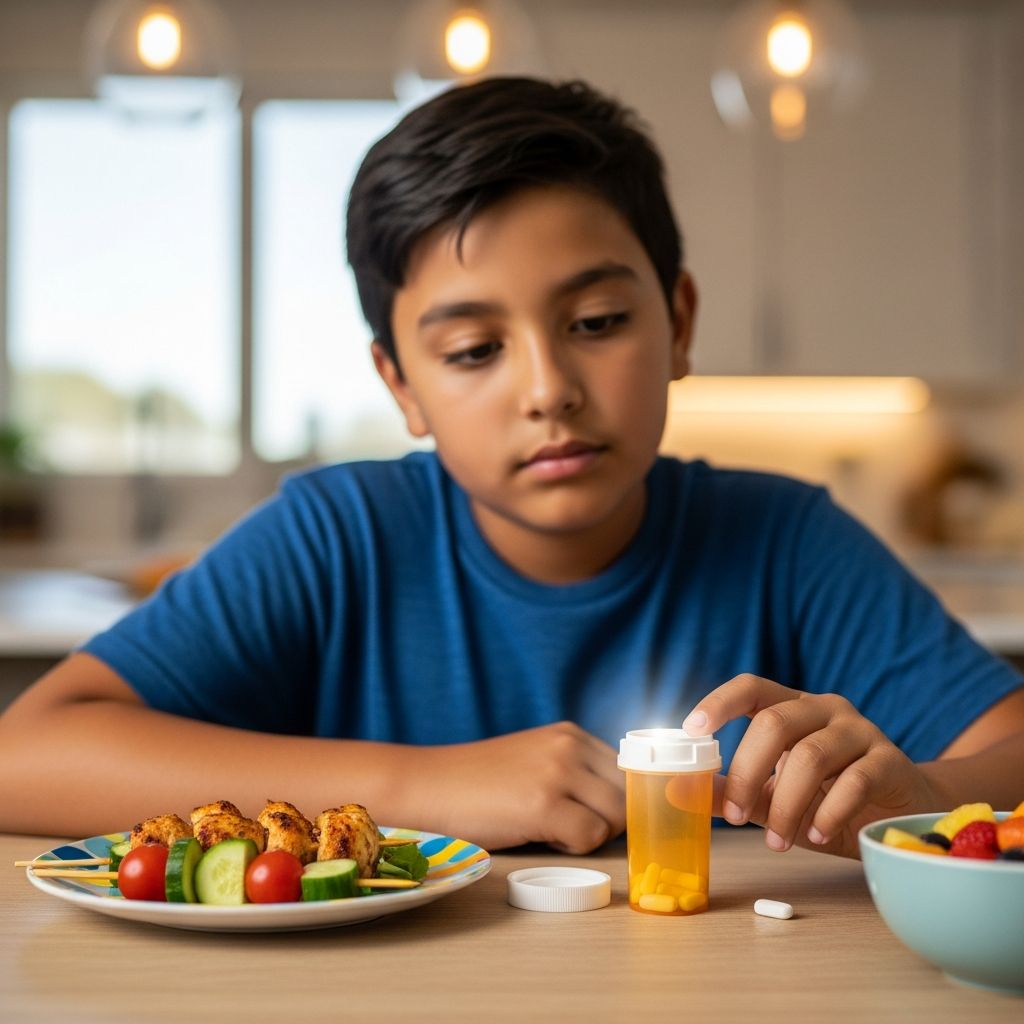
Childhood obesity has become a pressing public health challenge, affecting millions of young people and increasing risks for conditions like type 2 diabetes and heart disease. While lifestyle interventions remain the cornerstone, certain FDA-approved medications offer additional support for adolescents with severe obesity. These drugs, including GLP-1 receptor agonists and others, have shown promising results in clinical trials but come with important considerations for safety and long-term use.
The Growing Need for Targeted Interventions in Youth
Obesity rates among children and teens have surged, exacerbated by factors like sedentary lifestyles and dietary patterns. In the U.S., about one in five children aged 12-19 qualify as obese, prompting shifts in treatment guidelines from organizations like the American Academy of Pediatrics (AAP). Recent data indicate a rise in prescriptions for obesity medications among adolescents from 2018 to 2023, reflecting evolving clinical practices.
Traditional approaches emphasize balanced nutrition, physical activity, and behavioral therapy. However, for youth with a body mass index (BMI) at or above the 95th percentile who haven’t responded to these, pharmacotherapy may be appropriate. Medications target appetite regulation, metabolism, or fat absorption, but their use requires careful medical supervision to ensure they support rather than hinder growth and development.
FDA-Approved Medications for Adolescents
Several drugs have received FDA approval for chronic weight management in pediatric patients aged 12 and older. These approvals stem from rigorous trials demonstrating statistically significant BMI reductions compared to placebo.
- Semaglutide (Wegovy): A once-weekly injection, semaglutide mimics hormones that promote fullness and regulate blood sugar. A 68-week trial in 12-17-year-olds with obesity showed a mean BMI reduction of 16.1%, versus a 0.6% change in the placebo group. Improvements in cardiovascular markers like HDL cholesterol and triglycerides were also noted.
- Liraglutide (Saxenda): Daily injection approved for teens 12+. A 54-week study reported about 5% BMI reduction and 4.5 kg weight loss over placebo, particularly effective in those unresponsive to lifestyle changes alone.
- Phentermine/Topiramate (Qsymia): An oral combination pill. In a 56-week study of 223 adolescents, participants lost 4.8% to 7.1% BMI on different doses, while placebo users gained 3.3% BMI. Common side effects included depression, dizziness, and joint pain.
- Orlistat (Xenical): Blocks fat absorption. Trials showed modest BMI reductions of 0.55 kg/m² over placebo in severely obese youth.
These medications are typically prescribed alongside diet and exercise. For younger children or specific genetic conditions, options like setmelanotide are available from age 6, targeting rare deficiencies such as POMC or leptin receptor issues.
How These Medications Work in Young Bodies
GLP-1 drugs like semaglutide and liraglutide slow gastric emptying, enhance insulin secretion, and reduce appetite by acting on brain receptors. Qsymia combines an appetite suppressant with an anticonvulsant that may influence hunger signals. Orlistat inhibits pancreatic lipases in the gut, preventing about 30% of dietary fat absorption.
In adolescents, these mechanisms lead to substantial weight loss, often preserving lean mass when paired with exercise. However, children’s developing bodies require nuanced dosing—lower than adults—to avoid disrupting energy needs for growth.
Clinical Evidence: What Trials Reveal
| Medication | Age Group | Study Duration | BMI Change (Drug vs. Placebo) | Key Benefits |
|---|---|---|---|---|
| Semaglutide | 12-17 | 68 weeks | -16.1% vs. +0.6% | Improved lipids, waist circumference |
| Liraglutide | 12+ | 54 weeks | -5% vs. placebo | Weight loss in lifestyle non-responders |
| Qsymia | 12-17 | 56 weeks | -4.8% to -7.1% vs. +3.3% | Sustained BMI reduction |
| Orlistat | Youth | 54 weeks | -0.55 kg/m² vs. +0.31 kg/m² | Modest fat absorption block |
This table summarizes pivotal trial outcomes, highlighting consistent efficacy across options. Cost-effectiveness analyses suggest phentermine/topiramate may offer strong value among approved therapies.
Potential Risks and Side Effects
While effective, these drugs aren’t without concerns. Gastrointestinal issues like nausea, vomiting, and diarrhea are common with GLP-1s, often improving over time. Qsymia may cause elevated heart rate, mood changes, or birth defects if used in pregnancy—monthly testing is required for females.
Serious worries include impacts on growth and development. Researchers caution that excessive calorie restriction from GLP-1s could impair energy for bone growth and puberty, unlike adults whose growth is complete. Mental health risks, such as depression or rare suicidal ideation, warrant monitoring, though trials show lower psychiatric events with semaglutide versus placebo.
Misuse is rising, fueled by social media and sports pressures (e.g., wrestling, dance). Oral formulations may evade oversight, and counterfeit drugs pose dangers. Experts urge screening for eating disorders before prescribing.
Who Qualifies and When to Consider Medication
Candidates are typically adolescents with BMI ≥95th percentile plus comorbidities like hypertension or prediabetes, after failing 3-6 months of intensive lifestyle therapy. Not for cosmetic weight loss or those under 12 without specific approvals.
Healthcare providers assess family history, mental health, and growth charts. Multidisciplinary teams—including endocrinologists, dietitians, and psychologists—guide decisions.
Balancing Drugs with Lifestyle Foundations
Medications amplify, not replace, healthy habits. Programs combining drugs with 60 minutes daily activity, nutrient-dense meals, and cognitive behavioral therapy yield best outcomes. Parental involvement is key: model behaviors, limit screens, and foster body positivity.
Long-Term Outlook and Ongoing Research
Follow-up data (1-2 years) show sustained benefits and metabolic improvements, but decades-long effects remain unknown. Studies monitor growth, bone density, and fertility. Rising prescriptions post-AAP guidelines signal a paradigm shift, yet experts advocate restraint.
Future trials explore combinations and younger ages. Parents should prioritize evidence-based care over trends.
Frequently Asked Questions
Are weight loss drugs safe for children under 12?
Most approvals start at age 12; limited data exists for younger kids. Use only for rare genetic obesities like with setmelanotide, under specialist care.
What are common side effects in teens?
Nausea, dizziness, GI upset, mood changes. Most resolve; monitor heart rate and mental health closely.
Can these drugs stunt growth?
Potential risk from calorie deficits; ongoing studies track height velocity and development.
How much weight can kids expect to lose?
Trials show 5-16% BMI reduction over a year, varying by drug and adherence.
Is off-label use common?
Increasing among youth, but experts warn of risks without supervision.
References
- GLP-1RA weight-loss drugs may be dangerous to children, UCI researchers warn — UCI Health. 2023-08. https://www.ucihealth.org/about-us/news/2023/08/glp-1-drugs-dangerous-to-kids
- FDA approves treatment for chronic weight management in pediatric patients aged 12 years and older — U.S. Food and Drug Administration. 2022-07-25. https://www.fda.gov/drugs/news-events-human-drugs/fda-approves-treatment-chronic-weight-management-pediatric-patients-aged-12-years-and-older
- Weight Loss Drugs for Kids? What Parents Need to Understand About GLP-1s — Legacy Community Health. 2024. https://www.legacycommunityhealth.org/newsblog-weight-loss-drugs-for-kids-what-parents-need-to-understand-about-glp-1s/
- Effective and appropriate use of weight loss medication in pediatric patients with obesity — PMC (Peer-reviewed). 2024. https://pmc.ncbi.nlm.nih.gov/articles/PMC11294794/
- Are GLP-1 Drugs Safe for Children? Doctors Say Despite High Use — UCLA Health. 2024. https://www.uclahealth.org/news/release/are-glp-1-drugs-safe-children-doctors-say-despite-high-use