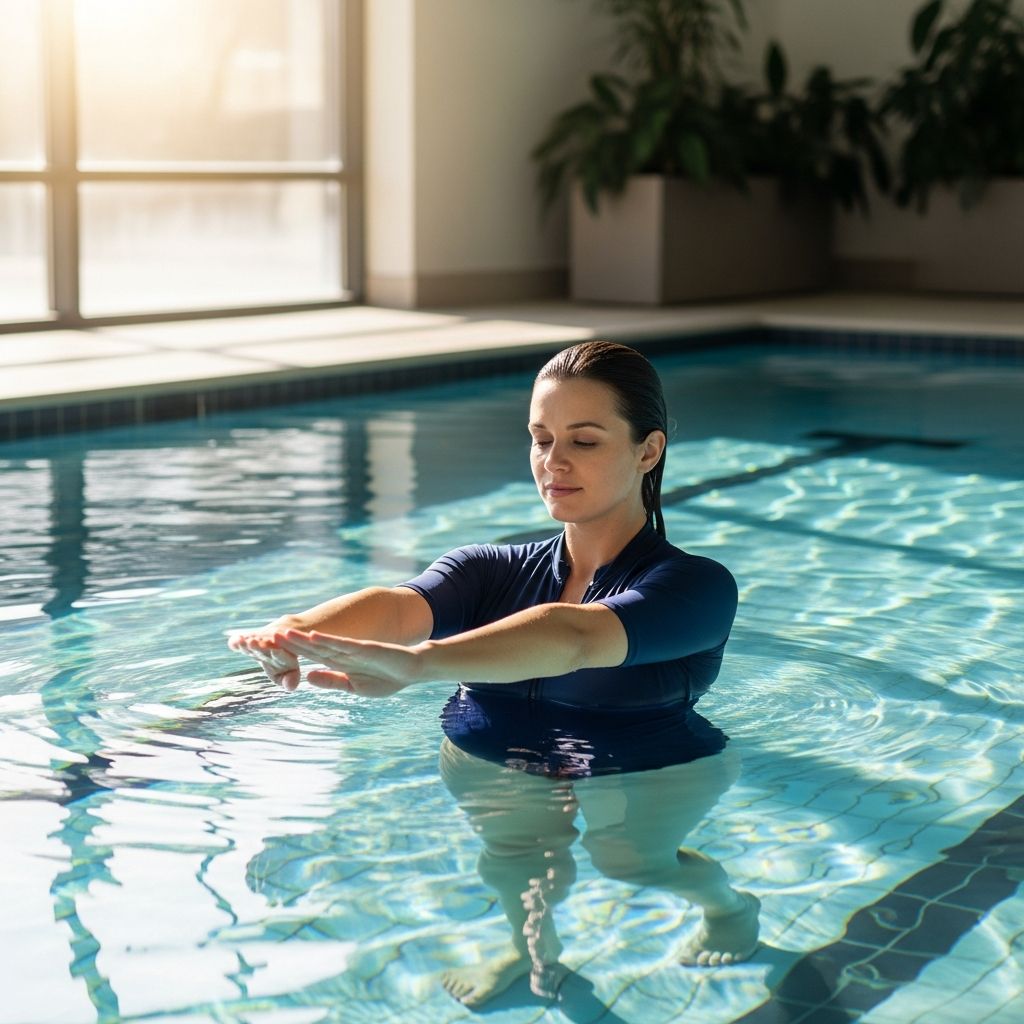
Water-based exercises offer expectant mothers a gentle yet powerful way to stay active throughout pregnancy. The buoyancy of pool water supports the growing body, minimizing joint stress while delivering a full-body workout that enhances physical and mental well-being.
Why Choose Water Workouts During Pregnancy
Aquatic activities stand out as an ideal fitness choice for pregnant women due to their low-impact nature. Unlike land-based exercises, swimming and water aerobics reduce the load on knees, hips, and the spine, which often bear extra weight during pregnancy. This support allows for longer, more comfortable sessions without exacerbating common discomforts.
Research confirms these advantages: a meta-analysis found that prenatal aquatic exercises significantly aid in weight management, with participants gaining less excessive weight compared to non-exercisers (mean difference -0.91 kg). Additionally, water immersion improves thermoregulation, easing overheating—a frequent issue in pregnancy—and promotes better circulation to combat swelling.
Key Health Benefits for Mothers and Babies
Regular pool sessions yield multifaceted benefits. Here’s a breakdown:
- Joint and Muscle Relief: Buoyancy counters gravitational pull, alleviating back pain, pelvic pressure, and leg swelling by enhancing venous return and reducing edema.
- Cardiovascular Boost: Swimming strengthens the heart and lungs, potentially shortening labor duration and improving pushing efficiency during delivery.
- Mood Enhancement: Endorphin release from rhythmic movements combats stress, anxiety, and depressive symptoms, fostering emotional resilience amid hormonal shifts.
- Weight Control and Diabetes Prevention: Moderate aquatic activity helps regulate weight gain and lowers gestational diabetes risk through sustained calorie burn and improved insulin sensitivity.
- Fetal Advantages: Enhanced maternal circulation delivers more oxygen to the baby, with studies linking aquatic exercise to increased birth length, indicating better growth outcomes.
These perks extend beyond pregnancy; postnatal swimming aids recovery by rebuilding core strength and boosting energy without overwhelming a healing body.
Safety Guidelines for Prenatal Pool Activities
Before diving in, consult your healthcare provider, especially if you have complications like preterm labor risk or high blood pressure. Aim for 30 minutes most days, at moderate intensity—enough to elevate heart rate but allow conversation.
Key precautions include:
- Warm up with 5-10 minutes of gentle walking in shallow water.
- Stay hydrated; drink water before, during, and after sessions.
- Monitor for dizziness, contractions, or fluid leakage—exit the pool immediately if these occur.
- Choose pools around 88-92°F (31-33°C) for comfort and safety.
- Avoid deep water if unsteady; use flotation aids as needed.
Aquatic exercises are generally safe through all trimesters, but third-trimester modifications focus on balance and pelvic floor support.
Customized Pool Routines by Trimester
Tailor workouts to your stage of pregnancy for optimal results. Below are sample 30-45 minute sessions using basic pool equipment like noodles, kickboards, or aqua weights.
First Trimester: Building Endurance
Focus on cardiovascular health and nausea relief. Water’s cooling effect helps with early queasiness.
- Water Walking (10 mins): March in chest-deep water, swinging arms vigorously. Add high knees for intensity.
- Arm Circles (5 mins): Hold pool edge, rotate arms forward and backward to loosen shoulders.
- Kicks with Board (10 mins): Hold kickboard, flutter kick while floating face-down.
- Standing Jacks (5 mins): Jump feet out/in while raising arms overhead.
- Cool down with floating stretches (5 mins).
Second Trimester: Strength and Flexibility
Energy peaks here; emphasize core stability without strain.
| Exercise | Duration | Reps/Sets | Benefits |
|---|---|---|---|
| Pool Jogging | 10 mins | Continuous | Builds leg endurance, reduces swelling |
| Noodle Crunches | 8 mins | 3 sets of 12 | Strengthens abs gently |
| Leg Lifts | 10 mins | 3 sets per leg | Targets hips and glutes |
| Water Push-Ups | 5 mins | 3 sets of 10 | Upper body toning |
End with deep breathing in lotus position, submerged to waist.
Third Trimester: Labor Preparation
Prioritize pelvic floor, balance, and stamina. Water reduces bladder pressure, aiding comfort.
- Squats (10 mins): Hold edge, lower into wide squats, 3 sets of 15—strengthens birth muscles.
- Flutter Kicks on Noodle (10 mins): Straddle noodle, kick legs alternately for pelvic endurance.
- Side Bends (8 mins): In shoulder-deep water, bend side-to-side holding a dumbbell aqua weight.
- Relaxation Float (7 mins): Lie back on noodle, focus on breathwork simulating contractions.
These routines engage multiple muscle groups, burning 300-500 calories per session while building labor readiness.
Advanced Techniques for Variety
To prevent boredom, incorporate strokes like breaststroke for pelvic opening or backstroke for spinal decompression. Aqua jogging mimics running without impact, ideal for former runners. Pair with resistance tools: webbed gloves intensify arm pulls, while vests add buoyancy challenge.
Group classes like prenatal aqua aerobics provide motivation and instruction, often including yoga-inspired poses adapted for water.
Postpartum Transition to Pool Fitness
Six weeks post-delivery (with clearance), resume light sessions to aid recovery. Start with 15-minute walks, progressing to full routines. Swimming supports weight loss, posture correction, and mental health uplift during the demanding newborn phase.
Frequently Asked Questions
Is swimming safe throughout all trimesters?
Yes, with medical approval. Aquatic activities pose low risk and offer unique support, even late-term.
How often should I do pool workouts?
Target 150 minutes weekly of moderate activity, split into 30-minute sessions most days.
Can water exercises help with labor?
Absolutely—they build endurance, strengthen pelvic muscles, and may shorten labor.
What if I can’t swim?
No problem! Shallow-water aerobics and walking provide full benefits without advanced skills.
Does pool exercise affect the baby?
Positively: improved maternal oxygenation supports fetal growth, per meta-analyses.
Real Mom Testimonials
Many women report transformative effects. “Pool time eased my sciatica and boosted my confidence for birth,” shares one mother. Another notes, “The cool water was a lifesaver in summer, and I felt stronger pushing during delivery.”
Incorporate these strategies to embrace pregnancy with vitality. Water isn’t just exercise—it’s a sanctuary for body and mind.
References
- The Benefits of Swimming for Pre- and Postnatal Wellness — Marina Swim School. 2023. https://marinaswimschool.com/the-benefits-of-swimming-for-pre-and-postnatal-wellness/
- Influence of prenatal aquatic activities on fetal outcomes and maternal health: a systematic review and meta-analysis — BMC Pregnancy and Childbirth (PMC). 2024-10-11. https://pmc.ncbi.nlm.nih.gov/articles/PMC11515326/
- A Helpful Guide to Swimming During Pregnancy — Loma Linda University Health News. 2023. https://news.llu.edu/health-wellness/helpful-guide-swimming-during-pregnancy
- Benefits of Water Workouts During Pregnancy — Riverwalk OBGYN. 2024. https://riverwalkobgyn.com/benefits-of-water-workouts-during-pregnancy/
- Swimming in Pregnancy — Tommy’s. 2024. https://www.tommys.org/pregnancy-information/im-pregnant/exercise-in-pregnancy/swimming-pregnancy
- 7 Benefits of Prenatal Water Aerobics — Aquatic Performance Training. 2023. https://www.aquaticperformancetraining.com/blogs/7-benefits-of-prenatal-water-aerobics
- Benefits of Water Exercise During Pregnancy — Master Spas. 2024. https://www.masterspas.com/blog/benefits-of-water-exercise-during-pregnancy/