Warts are common, benign skin growths that frequently appear in children due to viral infections. Caused by various strains of the human papillomavirus (HPV), these growths are harmless but can cause discomfort or self-consciousness. This guide provides parents with detailed insights into identification, management, and prevention strategies.
Recognizing Warts: Key Characteristics and Types
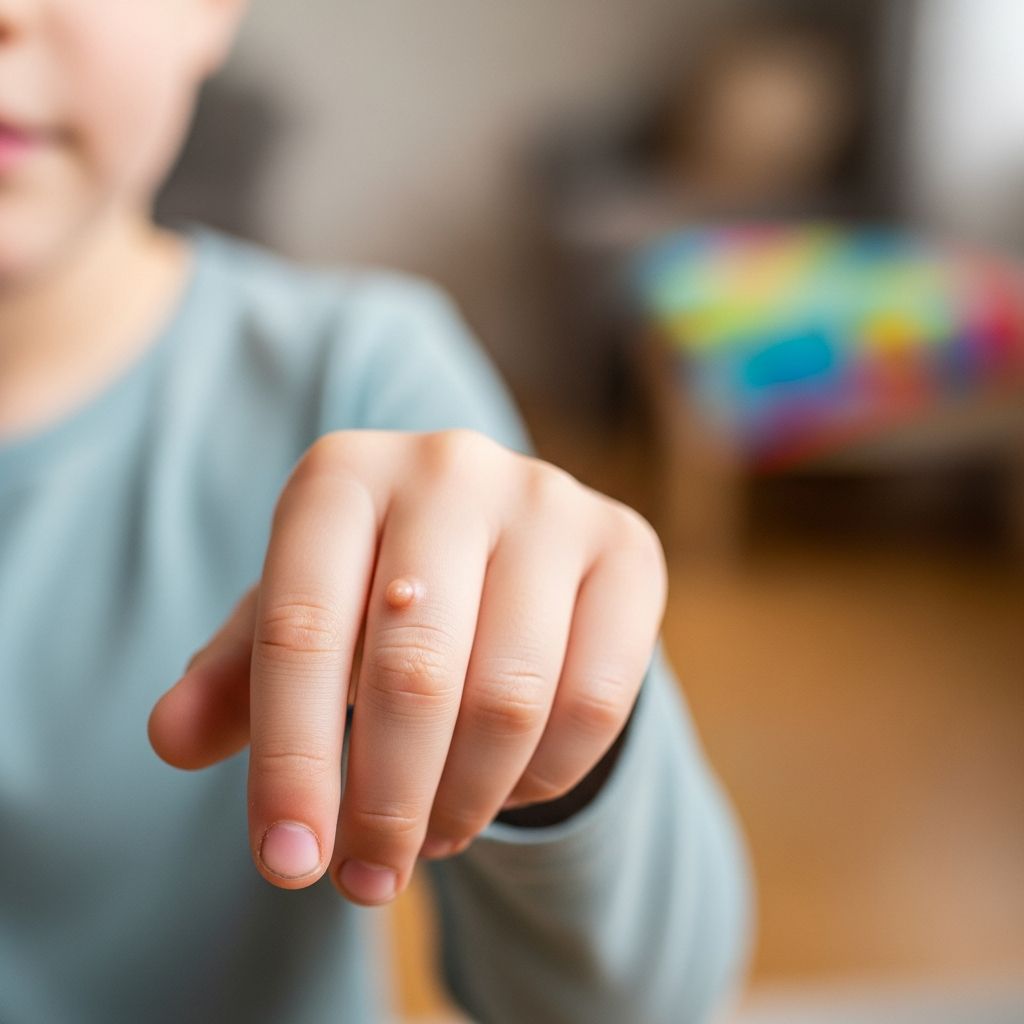
Warts present as small, rough elevations on the skin, varying in size from pinhead-like to larger nodules. They often match the surrounding skin tone but may appear lighter, darker, or with tiny black specks representing clotted blood vessels. Children commonly develop them on hands, fingers, feet, face, or knees due to frequent exposure and minor skin breaks.
Understanding the different varieties helps in accurate identification:
- Common Warts: Rough, dome-shaped growths typically on fingers or hands. They feel grainy and may interrupt normal skin lines.
- Plantar Warts: Occur on the soles of feet, often painful under pressure, resembling pebbles. They grow inward due to walking and may form clusters called mosaic warts.
- Flat Warts: Smaller, smoother, and flatter, frequently on the face, legs, or arms. They can cluster in dozens and spread from shaving or scratching.
- Periungual Warts: Around or under nails, common in nail-biters, potentially causing pain and nail deformity if untreated.
These distinctions matter because treatment approaches can differ based on location and type. Most warts resolve spontaneously within 1-2 years as the immune system clears the virus, but intervention may be needed for persistent or bothersome cases.
The Viral Culprit: How HPV Causes Warts
Over 100 HPV strains exist, with specific types targeting skin areas. The virus enters through tiny cuts, abrasions, or moistened skin, prompting rapid skin cell growth and wart formation. Incubation ranges from 1-8 months, explaining delayed appearance after exposure.
Unlike genital HPV strains linked to cancer, common skin wart viruses are low-risk and non-oncogenic. Immunity develops gradually; one may resist certain strains while susceptible to others. Children’s higher incidence stems from immature immunity, barefoot activities in communal areas, and habits like nail-biting.
Transmission Risks: How Warts Spread Among Kids
HPV spreads via direct skin contact or contaminated surfaces like pool decks, gym floors, towels, or shared bathwater. Close play, sports, or family sharing heightens risk. Picking or biting introduces the virus to new sites on the same body.
| High-Risk Activities | Why It Spreads Warts | Prevention Tip |
|---|---|---|
| Barefoot in public showers/pools | Warm, moist floors harbor virus | Wear flip-flops |
| Sharing towels/washcloths | Direct virus transfer | Use personal items only |
| Contact sports (wrestling) | Skin-to-skin friction | Cover warts with bandages |
| Nail-biting/cuticle picking | Creates entry points | Encourage good hygiene habits |
Avoiding these reduces incidence. Warts thrive in warm, humid environments, making summer camps or pools hotspots.
Home Management Strategies for Mild Warts
Many parents opt for watchful waiting, as 65-78% of warts vanish without treatment. For intervention, start with gentle home remedies:
- Salicylic Acid: Over-the-counter pads or gels (17-40% strength) applied daily after soaking and filing. Cover with duct tape for occlusion. Success in 50-70% cases over 12 weeks.
- Duct Tape Method: Cover wart for 6 days, soak, file, repeat. Effective in studies for plantar warts.
- Apple Cider Vinegar: Soak cotton ball, apply nightly under bandage. Anecdotal but low-risk.
Consistency is key; discontinue if irritation occurs. Soak in warm water 10-20 minutes before treatment to soften.
Professional Treatment Options for Stubborn Warts
If home efforts fail after 2-3 months or warts cause pain/spread, consult a pediatrician or dermatologist. Options include:
- Cryotherapy: Liquid nitrogen freezes wart, causing blister and sloughing. 1-4 sessions, 70% success.
- Cantharidin: ‘Beetle juice’ blistering agent painted on, peeled off later. Painless application, effective for flat warts.
- Laser or Electrosurgery: For large/plantar warts, destroys tissue precisely.
- Immunotherapy: Stimulates immune response with candida antigen injections.
No treatment guarantees success; recurrence is possible. Genital or facial warts warrant specialist care.
Prevention Essentials: Keeping Warts at Bay
Proactive steps minimize risk:
- Keep skin intact; moisturize dry areas.
- Wear protective footwear in public wet areas.
- Avoid touching warts; wash hands post-contact.
- Cover warts during activities.
- Boost immunity via balanced diet, sleep, exercise.
Vaccines like Gardasil target genital HPV, not skin warts.
When to Seek Medical Advice Promptly
Consult a doctor if:
- Wart on face, genitals, mouth, or in infants.
- Rapid growth, bleeding, pain, pus, redness.
- Spreading despite treatment.
- Immune-compromised child.
- Uncertain diagnosis (could mimic skin cancer, moles).
Early intervention prevents complications like mosaic warts or bacterial superinfection.
Frequently Asked Questions (FAQs)
Are warts contagious to siblings or classmates?
Yes, via direct contact or shared items. Cover and discourage picking.
Can warts go away on their own?
Most do within 1-2 years as immunity builds.
Is duct tape an effective treatment?
Studies show it works comparably to cryotherapy for some kids.
Do plantar warts need special care?
Yes, due to pain; debridement and professional removal often best.
Can HPV vaccines prevent skin warts?
No, they target high-risk genital strains only.
Long-Term Outlook and Myths Debunked
Warts rarely scar or cause lasting issues. Myths like ‘touching toads causes warts’ are false; only HPV does. Patience and hygiene are paramount. Track progress with photos.
In summary, empower yourself with knowledge to manage warts confidently, reducing anxiety and promoting healthy skin.
References
- Warts – Seattle Children’s Hospital — Seattle Children’s Hospital. 2023. https://www.seattlechildrens.org/conditions/a-z/warts/
- Warts – Kids Health Info — The Royal Children’s Hospital Melbourne. 2024-01-15. https://www.rch.org.au/kidsinfo/fact_sheets/Warts/
- Warts — Nemours KidsHealth. 2023. https://kidshealth.org/en/parents/wart.html
- Common warts – Symptoms and causes — Mayo Clinic. 2024-06-12. https://www.mayoclinic.org/diseases-conditions/common-warts/symptoms-causes/syc-20371125
- Skin Warts in Kids: Why They Form and How to Treat Them — Optimum Podiatry. 2023. https://www.optimumpodiatryga.com/library/warts-in-kids-wart-treatment-powder-springs-podiatrist.cfm
- Warts: Causes, Treatment & Prevention — American Academy of Pediatrics (HealthyChildren.org). 2024. https://www.healthychildren.org/English/health-issues/conditions/skin/Pages/Warts.aspx
- Warts: How To Identify, Causes, Types, Treatment & Prevention — Cleveland Clinic. 2024-02-20. https://my.clevelandclinic.org/health/diseases/15045-warts