Walking pneumonia represents a milder variant of lung inflammation that primarily affects children and allows them to remain active despite infection. Unlike severe pneumonia requiring hospitalization, this condition enables kids to ‘walk around’ with symptoms resembling a persistent cold.
Defining This Mild Lung Condition
Medically termed atypical pneumonia, walking pneumonia involves subtle inflammation in the lung’s air sacs without the dramatic fluid buildup seen in traditional cases. It typically stems from specific bacteria infiltrating the respiratory system, leading to gradual symptom onset rather than sudden severity.
Children encounter this infection frequently in group settings like schools, where close contact facilitates spread. The condition’s subtlety often delays recognition, yet timely intervention prevents escalation.
Primary Causes Behind the Infection
The leading culprit is Mycoplasma pneumoniae, a bacterium notorious for evading standard detection methods and thriving in crowded environments. Other contributors include Chlamydia pneumoniae, certain viruses like respiratory syncytial virus (RSV) or influenza, and occasionally fungi.
- Bacterial origins: Mycoplasma spreads via respiratory droplets, incubating for 15-25 days before symptoms emerge.
- Viral factors: Influenza or RSV can transition from upper airways to lungs, mimicking bacterial effects.
- Risk amplifiers: Conditions like asthma, COPD, weakened immunity, or smoking history heighten vulnerability.
Seasonal peaks occur in late summer and fall, though outbreaks happen year-round, particularly among school-aged kids.
Recognizing Early Warning Signs
Symptoms develop slowly over 2-4 days, starting subtly to evade immediate alarm. Parents should monitor for these indicators:
- Persistent dry cough, sometimes in spasms, lasting weeks.
- Mild fever below 101°F (38.5°C), accompanied by chills.
- Fatigue and weakness persisting beyond acute phase.
- Sore throat, headache, or ear discomfort.
- Chest pain on deep breaths; occasional stomach ache or malaise.
In children, these mimic flu or colds, but prolonged cough distinguishes it. Unlike classic pneumonia’s high fever and phlegm-filled cough, walking pneumonia stays low-key.
| Symptom | Walking Pneumonia | Traditional Pneumonia |
|---|---|---|
| Fever | Mild (<101°F) | High (101-105°F) |
| Cough | Dry, persistent | Productive with phlegm |
| Severity | Mild, ambulatory | Severe, bed rest needed |
| Onset | Gradual (2-4 days) | Sudden |
This table highlights key differences, aiding parental differentiation.
Diagnostic Approaches for Confirmation
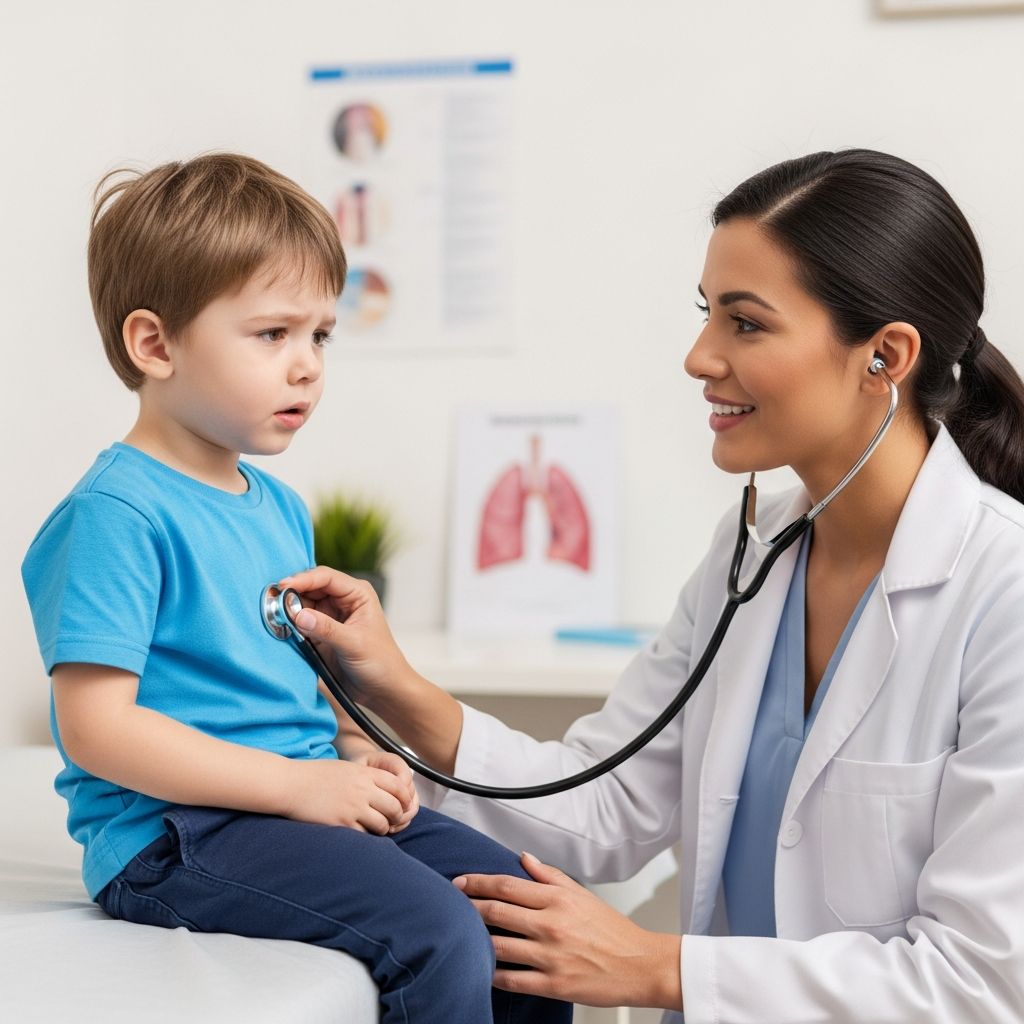
Diagnosis relies on clinical evaluation, as standard bacterial cultures often miss Mycoplasma. Physicians consider history, symptoms, and settings like schools. Chest X-rays reveal subtle lung patches, while PCR tests or serology confirm the pathogen.
Blood tests check for elevated antibodies, and pulse oximetry assesses oxygen levels. In kids, doctors weigh symptoms against age and health to rule out mimics like bronchitis.
Effective Treatment Strategies
Treatment hinges on the cause. Bacterial cases respond to macrolides like azithromycin or tetracyclines (for older kids), shortening duration from weeks to days. Complete the full 5-10 day course to avert resistance.
Viral instances self-resolve with supportive care: rest, hydration, and OTC remedies like acetaminophen for fever or NSAIDs for pain. Avoid unnecessary antibiotics.
- Home remedies: Encourage fluids, humidified air, and elevation for cough relief.
- Monitoring: Track fever and breathing; symptoms like cough may linger 2-3 weeks post-treatment.
Early antibiotics accelerate recovery, preventing progression in 5-10% of cases.
Potential Complications and Risks
Though mild, untreated walking pneumonia risks escalation to full pneumonia, asthma flares, encephalitis, or hemolytic anemia. Kids with preconditions face higher odds.
Rarely, it triggers kidney issues or skin reactions. Prompt care minimizes these, with most children recovering fully.
Preventive Measures for Families
No specific vaccine targets Mycoplasma, but flu, COVID, RSV, and pneumococcal shots reduce related risks. Promote handwashing, cough etiquette, and avoiding crowds during outbreaks.
Healthy lifestyles bolster immunity: balanced diet, exercise, and no smoking exposure. Isolate symptomatic kids for a few days post-antibiotics.
When to Seek Urgent Medical Care
Consult a doctor if cough persists beyond a week, fever exceeds 101°F, or breathing difficulties arise. Watch for rapid worsening, chest pain, or bluish lips signaling emergency.
For high-risk kids (e.g., asthmatics), earlier evaluation prevents complications. Follow-up ensures clearance.
Progression Stages Explained
Walking pneumonia unfolds in four phases:
- Congestion: Initial cough and fatigue as airways fill.
- Red hepatization: Lung redness from cell influx.
- Gray hepatization: Graying as cells break down.
- Resolution: Clearing with symptom relief.
Understanding this aids patience during recovery.
Frequently Asked Questions
Can walking pneumonia resolve without antibiotics?
Yes, many cases self-resolve, but antibiotics hasten recovery and curb spread.
How long does the cough last in kids?
Up to 2-3 weeks or more post-treatment; it’s the last symptom to fade.
Is it contagious, and how to protect siblings?
Highly contagious via droplets; isolate, sanitize, and vaccinate where possible.
Does it require hospitalization?
Rarely in healthy kids; outpatient management suffices.
Can it recur frequently?
Possible with reinfection; immunity wanes, so hygiene is key.
This guide equips parents with knowledge for managing walking pneumonia effectively, promoting swift child recovery.
References
- What Is Walking Pneumonia? — WebMD. 2023-2025. https://www.webmd.com/lung/walking-pneumonia
- Walking Pneumonia: What You Should Know — Yale Medicine. 2024-10-15. https://www.yalemedicine.org/news/walking-pneumonia
- Walking Pneumonia in Kids: Signs, Diagnosis & Treatment — KidsHealth (Nemours). 2025. https://kidshealth.org/en/parents/walking-pneumonia.html
- Walking Pneumonia — American College of Emergency Physicians. 2024. https://www.emergencyphysicians.org/article/know-when-to-go/walking-pneumonia
- Walking Pneumonia: Care Instructions — Alberta Health Services. 2025. https://myhealth.alberta.ca/Health/aftercareinformation/pages/conditions.aspx?hwid=abq6026
- Walking pneumonia: What does it mean? — Mayo Clinic. 2024-11-01. https://www.mayoclinic.org/diseases-conditions/pneumonia/expert-answers/walking-pneumonia/faq-20058530