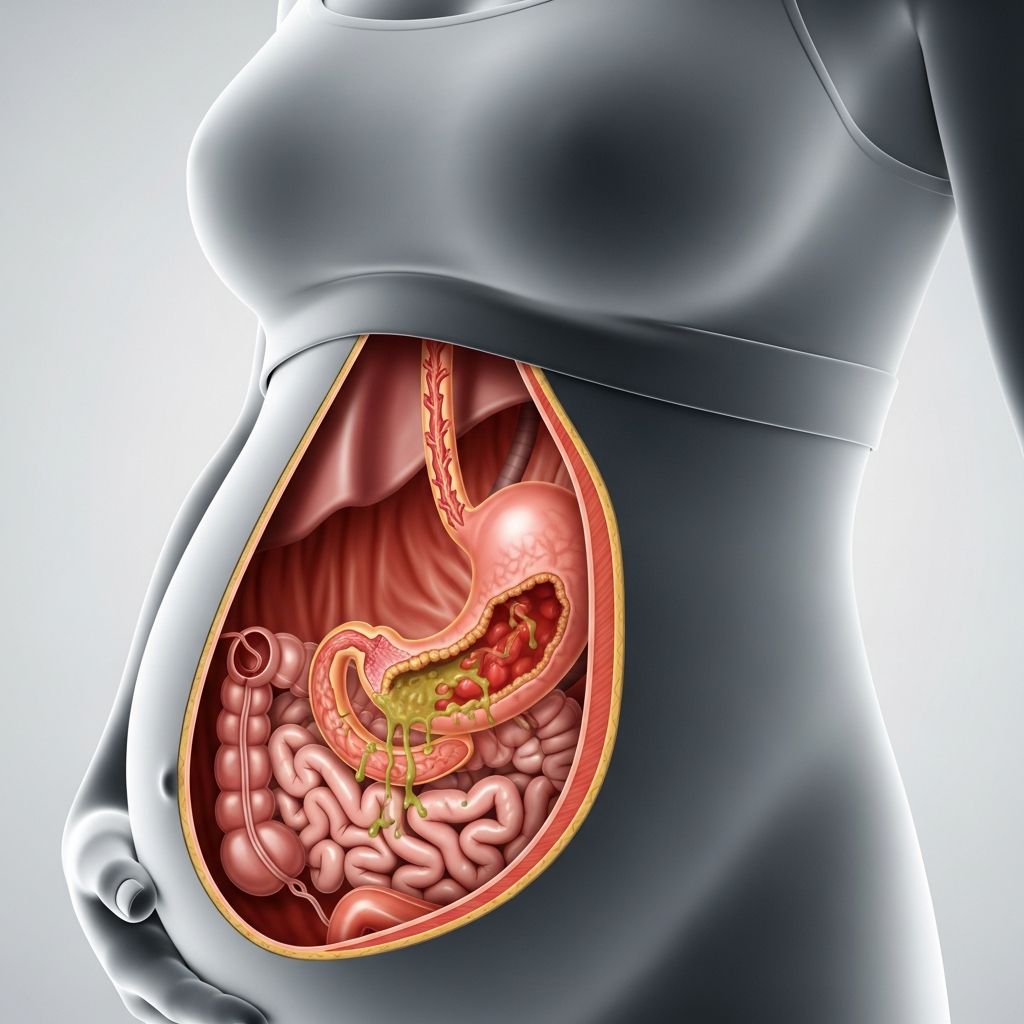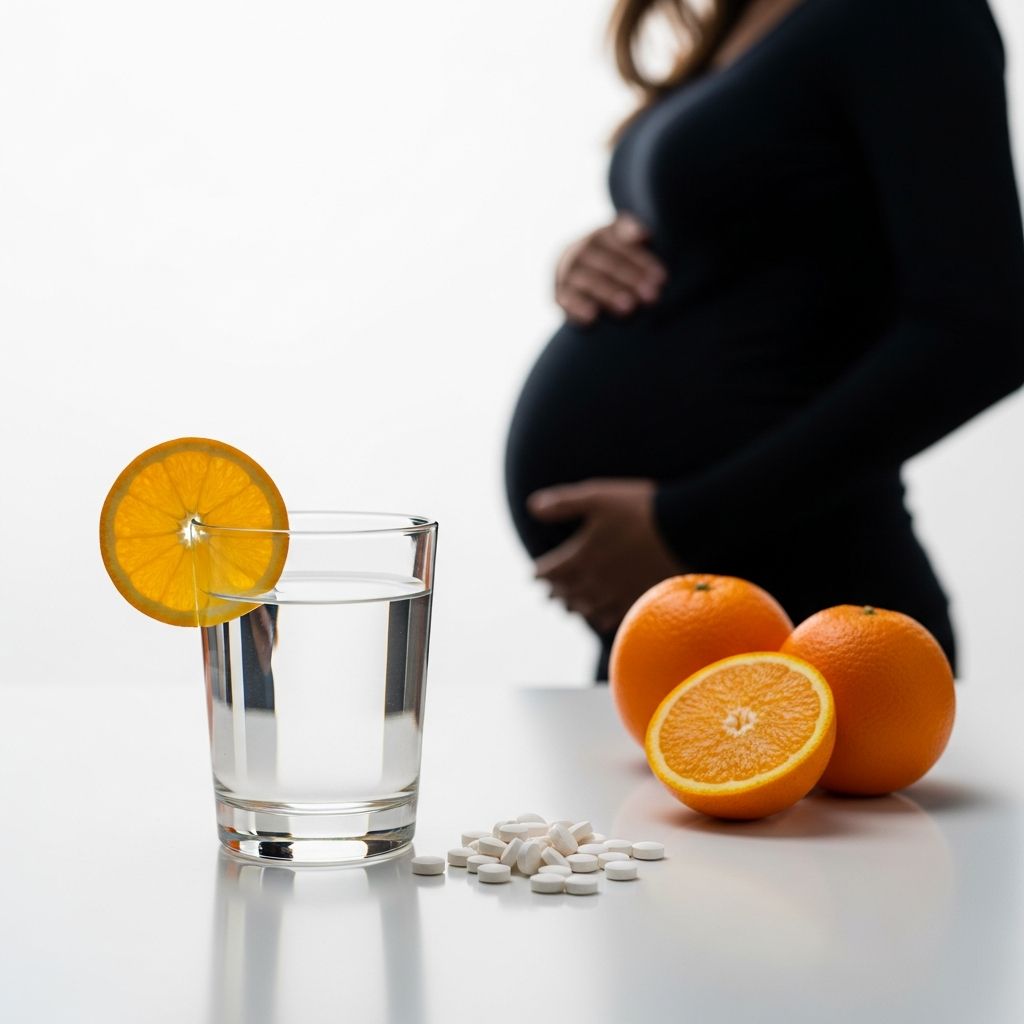
Vitamin C, also known as ascorbic acid, plays a crucial role in maintaining health during pregnancy by supporting immune function, collagen production, and iron absorption. Scientific reviews indicate it may reduce certain pregnancy risks like placental abruption when supplemented appropriately, though routine use is not universally recommended.
Essential Functions of Vitamin C for Expecting Mothers
During pregnancy, the demand for vitamin C increases due to its involvement in multiple physiological processes. This water-soluble vitamin cannot be stored in the body, necessitating daily intake through diet or supplements to prevent deficiency.
- Immune System Support: Vitamin C acts as an antioxidant, bolstering the body’s defenses against infections, which is vital as pregnancy can temporarily weaken immunity.
- Iron Absorption Enhancement: It improves the uptake of non-heme iron from plant sources, helping prevent anemia—a common issue in the second and third trimesters.
- Collagen Synthesis: Essential for healthy skin, blood vessels, and connective tissues, potentially aiding in stretch mark prevention and wound healing post-delivery.
- Fetal Tissue Development: Supports the formation of cartilage, bones, and blood vessels in the developing baby.
Deficiency in vitamin C can lead to scurvy, characterized by fatigue, gum disease, and poor wound healing, though rare in developed countries with access to fresh produce.
Recommended Daily Intake and Food Sources
Pregnant women require 85 mg of vitamin C daily, increasing to 120 mg during lactation, according to health guidelines. Exceeding 2,000 mg per day may cause gastrointestinal discomfort like diarrhea.
| Food Source | Vitamin C Content (per 100g) | Serving Suggestion |
|---|---|---|
| Oranges | 53 mg | One medium orange provides nearly full daily needs. |
| Strawberries | 59 mg | A cup covers over 100% of requirements. |
| Bell Peppers (red) | 128 mg | Half a pepper meets daily intake. |
| Broccoli | 89 mg | Steamed serving for optimal absorption. |
| Kiwi | 93 mg | Two fruits exceed recommendations. |
Prioritizing whole foods ensures additional nutrients like fiber, which combats pregnancy-related constipation.
Scientific Evidence on Pregnancy Outcomes
Large-scale reviews, including those by the World Health Organization, have examined vitamin C supplementation’s impact on pregnancy. Key findings reveal nuanced effects rather than blanket benefits.
- Placental Abruption Reduction: Supplementation, often combined with vitamin E, showed a 36% relative risk reduction (RR 0.64, 95% CI 0.44-0.92) across eight trials involving over 15,700 women. High-quality evidence supports this, though attribution to vitamin C alone remains unclear.
- Premature Rupture of Membranes (PROM): Vitamin C alone reduced preterm PROM by 34% (RR 0.66, 95% CI 0.48-0.91; five trials, 1,282 women) and term PROM by 45% in one study. However, combining with vitamin E increased term PROM risk by 73% (RR 1.73, 95% CI 1.34-2.23).
- No Impact on Major Outcomes: No reductions in preterm birth, preeclampsia, stillbirth, neonatal death, or intrauterine growth restriction were observed. Gestational length slightly increased, but not clinically significant.
These results stem from Cochrane reviews assessing trials with low bias risk, emphasizing high to moderate evidence quality for most outcomes.
Potential Risks and Side Effects
While generally safe, excessive vitamin C intake poses risks. High doses (>2,000 mg/day) can lead to nausea, cramps, and kidney stones in susceptible individuals. One trial noted increased abdominal pain when paired with vitamin E.
Importantly, vitamin C does not increase miscarriage or birth defect risks, even at levels below or above recommended dietary allowances. A 2016 review confirmed no pregnancy termination effects from supplementation.
Debunking the Vitamin C Abortion Myth
A persistent online myth claims high-dose vitamin C (e.g., 6,000+ mg daily) can induce abortion by elevating uterine estrogen or causing vitamin C deficiency in the fetus. This is unfounded.
Studies show no link between vitamin C and miscarriage or abortion. The body tightly regulates fetal vitamin C levels via the placenta, preventing overdose harm. Excess maternal intake is excreted in urine, not weaponized against pregnancy.
Health authorities like the NHS and MotherToBaby affirm vitamin C’s safety, with no evidence supporting abortifacient properties. Pursuing this myth risks nutrient imbalances, dehydration from diarrhea, and delays in safe reproductive care.
Vitamin C intake variations do not correlate with birth defects or pregnancy loss; professional medical advice is essential for reproductive decisions.
Vitamin C in High-Risk Pregnancies
For smokers, vitamin C supplementation (500 mg/day) may mitigate placental blood flow reductions and alter gene activity beneficially, per recent OHSU research in Scientific Reports. This underscores targeted use in specific populations.
Women with low baseline vitamin C (e.g., poor diets) may benefit most, though trials in such groups are limited. Routine supplementation lacks endorsement due to insufficient broad benefits.
Practical Guidelines for Supplementation
Consult healthcare providers before starting supplements, especially prenatals already containing 50-100 mg vitamin C. Blood tests can assess status if deficiency is suspected.
- Focus on diet: Aim for 2-3 servings of vitamin C-rich fruits/vegetables daily.
- Supplement wisely: 100-200 mg if dietary gaps exist, avoiding mega-doses.
- Monitor symptoms: Fatigue, bleeding gums signal potential deficiency.
- Avoid unverified claims: Steer clear of self-induced methods for abortion or other interventions.
Long-Term Considerations and Research Gaps
Follow-up studies on trial participants could reveal child development impacts. Mechanisms for PROM and abruption reductions warrant further exploration, particularly vitamin C’s isolated effects.
Emerging data on gene expression in smokers highlights vitamin C’s antioxidant prowess, suggesting personalized supplementation strategies.
Frequently Asked Questions (FAQs)
Is vitamin C safe during all trimesters?
Yes, at recommended doses (85 mg/day), it supports health without risks. High doses require medical supervision.
Can vitamin C prevent stretch marks?
It aids collagen production, potentially improving skin elasticity, but evidence for stretch mark prevention is anecdotal.
Does vitamin C cause constipation or relieve it?
Moderate intake relieves constipation via fiber synergy in foods; excess may cause loose stools.
Should pregnant smokers take extra vitamin C?
Evidence suggests benefits for placental health; discuss 500 mg/day with a doctor.
Myth: Can high-dose vitamin C end a pregnancy?
No, reviews confirm no abortifacient effect; it neither induces miscarriage nor harms the fetus.
(Word count: 1728)
References
- Vitamin C supplementation in pregnancy — World Health Organization (WHO). 2012 (updated). https://www.who.int/tools/elena/review-summaries/vitaminsec-pregnancy–vitamin-c-supplementation-in-pregnancy
- Vitamin C supplementation in pregnancy — PMC / Cochrane Database Syst Rev. 2022-04-04. https://pmc.ncbi.nlm.nih.gov/articles/PMC9039972/
- Vitamin C During Pregnancy: Safety, Dosage & Side Effects — Indian Crest Pediatrics. 2023. https://www.indiancrestpeds.com/pregnancy/vitamin-c-during-pregnancy/
- Pregnancy Nutrition: Role of Vitamin C for Moms-to-Be — Apollo Cradle. 2024. https://www.apollocradle.com/blog/pregnancy/importance-of-vitamin-c-during-pregnancy
- Vitamin C boosts placental health, changes gene activity in smokers — Oregon Health & Science University (OHSU). 2024-12-05. https://news.ohsu.edu/2024/12/05/vitamin-c-boosts-placental-health-changes-gene-activity-in-smokers
- Vitamin C – MotherToBaby Fact Sheet — NCBI Bookshelf / MotherToBaby. 2023. https://www.ncbi.nlm.nih.gov/books/NBK583021/
- Vitamin C Abortions Don’t Work, Here’s What to Do Instead — Healthline. 2023. https://www.healthline.com/health/vitamin-c-abortion
- Vitamins, supplements and nutrition in pregnancy — National Health Service (NHS). 2024. https://www.nhs.uk/pregnancy/keeping-well/vitamins-supplements-and-nutrition/