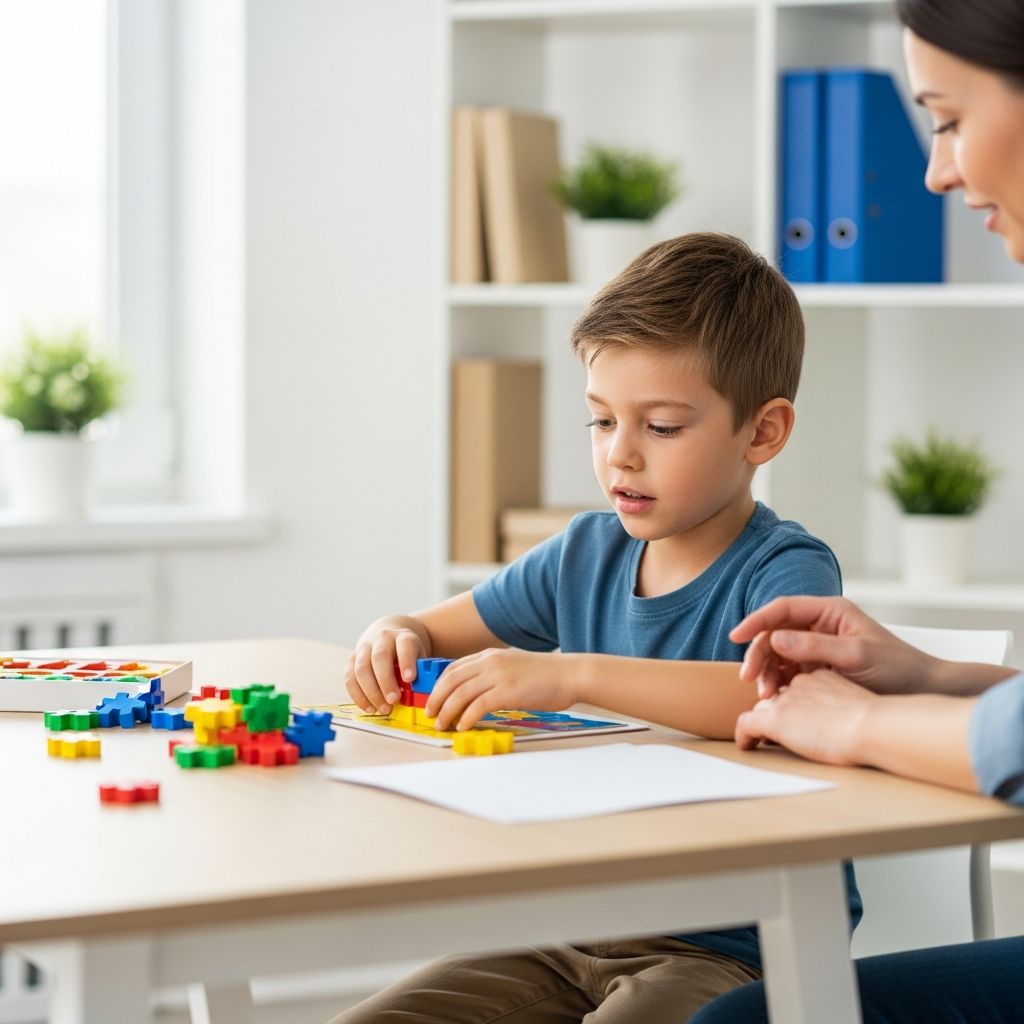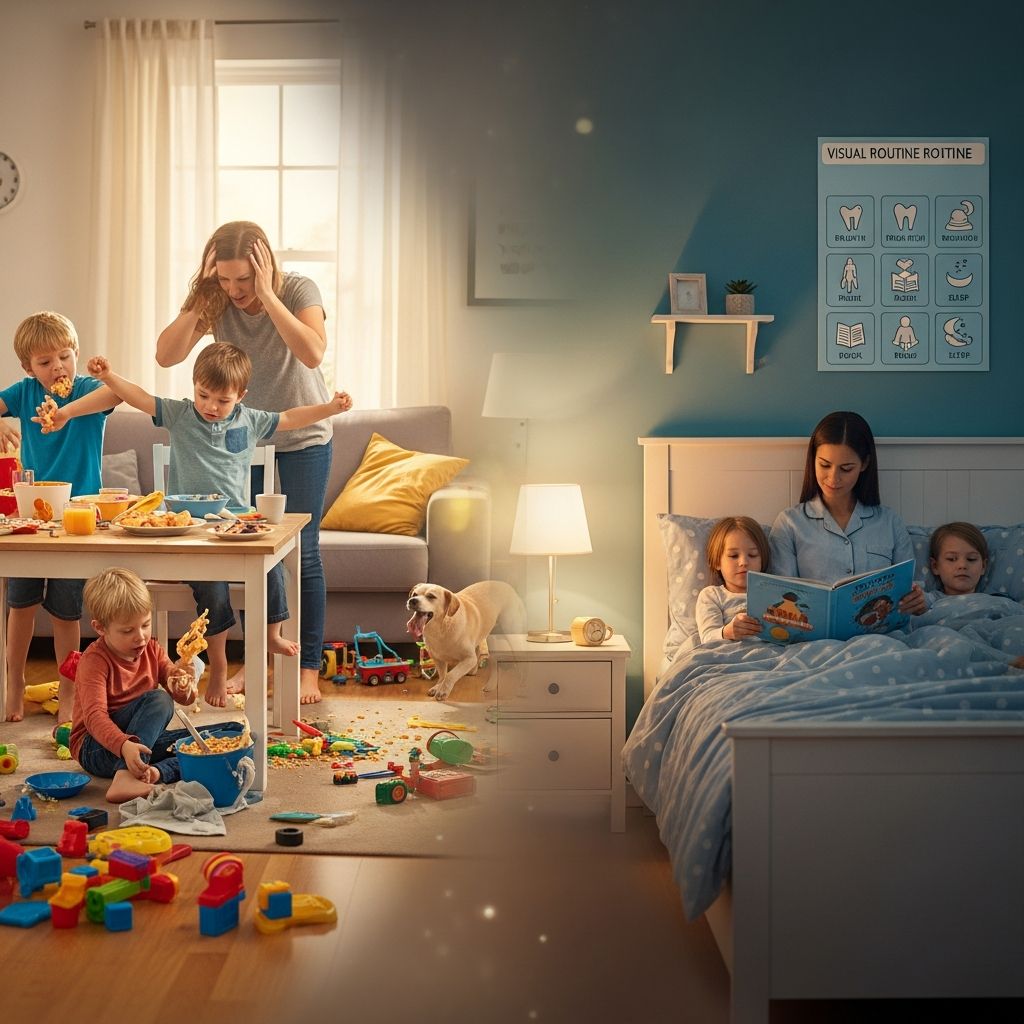
Every parent knows the pressure of getting everyone dressed, fed, and out the door on time or settling an overtired child who insists they are not tired. Routines are powerful tools that can turn those daily battles into predictable, calmer transitions your child actually understands and can start to manage independently.
Visual routine charts are especially helpful because they show children what to do next without you repeating the same instructions over and over. When designed thoughtfully, they support cooperation, reduce nagging, and help kids feel capable instead of controlled.
Why Predictable Routines Help Children Thrive
Young children live in a world where most decisions are made for them. A predictable routine offers them something steady to hold onto, especially during busy times of the day like mornings and evenings. Knowing what happens next lowers anxiety and makes it easier for them to move from one activity to another.
Routines also teach important life skills: time awareness, self-care, responsibility, and planning ahead. Over time, kids remember the rhythm of the routine and need fewer prompts, which gives you more mental and emotional space and gives them a growing sense of competence.
Key Benefits of Visual Morning and Bedtime Routines
Visual supports turn routines from a list of adult commands into a shared plan that everyone can see. Instead of arguing about what needs to be done, you and your child can refer to the chart together as the “boss.”
- Less arguing, more doing: A chart reduces power struggles because you are not constantly issuing verbal orders.
- More independence: Kids can check what comes next and complete steps without waiting to be told.
- Better follow-through: Visuals help children remember multi-step tasks like “get dressed, brush teeth, pack backpack.”
- Stronger confidence: Finishing a routine gives kids a sense of pride and control over their own day.
Morning and Bedtime Routines at a Glance
The exact steps in your routine will depend on your child’s age, your family schedule, and cultural or personal values. The table below offers examples you can adapt—not a schedule you must copy exactly.
| Time of Day | Main Goals | Typical Steps |
|---|---|---|
| Morning | Get out the door on time Support a calm start | Wake up and bathroom Get dressed Eat breakfast Brush teeth and hair Put on shoes/coat, grab bag |
| Bedtime | Wind down body and mind Strengthen connection before sleep | Tidy a small area Bath or wash up Pajamas Brush teeth Story, cuddles, lights out |
Designing a Morning Routine That Actually Works
A successful morning routine starts long before the alarm goes off. When you decide what must happen, what is optional, and how long each step realistically takes, you remove a lot of last-minute chaos. Work backwards from the time you need to leave and fill in each step with generous buffer time.
Keep your first version simple. It is better to have a few steps your child can finish with success than a complicated list that frustrates everyone. You can always add more details later once the core rhythm is working smoothly.
Step-by-Step: Creating a Morning Routine Chart
Involve your child in building the chart so it feels like a shared project, not a list of demands. Even toddlers can choose pictures, stickers, or colors for each step. Older children can help write or draw each task.
- List the essentials. Write down everything that absolutely must happen before leaving the house (for example, get dressed, eat, teeth, bathroom, shoes, backpack).
- Put the steps in order. Arrange them from first to last in a way that makes sense for your home. Many families find it easier if kids get fully ready before they eat.
- Match each step with a picture. Use drawings, photos, or icons. For non-readers, the images are critical; for readers, they make the chart more engaging.
- Choose a visible location. Hang the chart where your child actually gets ready—near the bedroom door, on the fridge, or by the bathroom.
- Practice when you are not rushed. Do a “rehearsal morning” on a weekend so your child can follow the chart without time pressure.
Sample Morning Routine Flow (Customizable)
Here is an example of a very simple morning routine for a preschool or early elementary child. Adjust wake-up time and steps according to your needs.
- Wake up and put favorite stuffed animal back on the bed.
- Use the bathroom and wash hands.
- Get dressed (clothes laid out the night before).
- Eat breakfast at the table.
- Brush teeth and hair.
- Put on socks, shoes, and outerwear.
- Check chart: “Did we do everything?” Then grab backpack or lunchbox.
Building a Calm, Connection-Focused Bedtime Routine
Bedtime works best when it feels predictable and comforting rather than rushed or punitive. The goal is not only getting your child to sleep, but also helping them feel safe, loved, and ready to end the day. A visual bedtime routine reinforces the idea that nighttime follows a gentle, familiar pattern.
Think of bedtime as a slow dimmer switch, not an on/off light. You are gradually turning down stimulation: less noise, softer light, calmer activities, and fewer choices to negotiate.
Elements of a Soothing Bedtime Routine
Choose a mix of practical tasks and emotional closeness. Children fall asleep more easily when they feel both physically comfortable and emotionally connected.
- Transition time: A short period to clean up toys or finish an activity signals that the day is winding down.
- Body care: Bath or quick wash, pajamas, brushing teeth, using the toilet or diaper change.
- Calm activities: Reading, gentle music, storytelling, or simple drawing.
- Connection ritual: A consistent way you say goodnight—hugs, a special phrase, or gratitude “highlights” from the day.
Step-by-Step: Creating a Bedtime Routine Chart
Design your chart to support winding down, not adding more stimulation. Avoid including screens or highly active games as part of the visual sequence, even if they occur earlier in the evening.
- Choose a realistic bedtime. Work backwards at least 30–45 minutes to allow time for the routine, more for very young or very energetic kids.
- List your evening non-negotiables. For example: pajamas, teeth, bathroom, story, lights out.
- Add one or two calming choices. Let your child pick one quiet activity from the chart (such as reading or listening to a song) to build a sense of control.
- Create or select pictures. Many families like to use photos of their child doing each step, which can be especially motivating.
- Post it near the bed. Keep the chart in your child’s room or wherever you end the evening so it is easy to reference.
Age-Tailored Tips: Toddlers vs. School-Age Kids
Routines look and feel different depending on how old your child is. The core idea—predictable steps in a consistent order—stays the same, but your expectations and level of support should shift as they grow.
| Age Group | What Helps Most | How to Use Charts |
|---|---|---|
| Toddlers (1.5–3) | Simple, short routines Playful cooperation | Use large, clear pictures Only 3–5 steps per chart |
| Preschoolers (3–5) | Repetition and clear boundaries Limited choices | Let them move a marker as each step is done Practice following the order together |
| Early elementary (6–8) | Responsibility and independence Logical explanations | Include written words plus icons Invite them to help design or update steps |
| Older kids (9+) | Ownership and problem-solving Respectful collaboration | Treat the chart like a checklist they co-create Use it to discuss time management and goals |
Motivation Without Bribes: Positive Ways to Encourage Follow-Through
Many adults reach for rewards or punishments when routines break down, but long-term success comes from internal motivation: pride, connection, and a sense of capability. External rewards can have their place, but they work best when used sparingly and as a temporary support, not the main engine.
Think of the chart as a tool for coaching rather than controlling. Your job is to teach the sequence, notice effort, and help problem-solve when something is hard instead of simply demanding compliance.
Gentle Strategies That Help Routines Stick
- Use “when–then” language: “When your routine is finished, then we choose a book.” This ties privileges to responsibilities without harsh threats.
- Celebrate progress: Notice specific behaviors: “You checked the chart and did teeth without me asking. That’s responsible.”
- Offer limited choices: “Do you want to put on pajamas first or brush teeth first?” Choice within structure reduces resistance.
- Stay consistent: The routine only works if it stays mostly the same. Frequent changes confuse kids and reignite power struggles.
Adapting Routines for Neurodivergent Children
Children with ADHD, autism, sensory differences, or anxiety may find transitions especially hard, but they often benefit greatly from clear, visual routines. The key is to break tasks into smaller pieces and minimize overwhelming sensory input.
Consider using timers, visual countdowns, or “first–then” boards (for example, first brush teeth, then choose a book) alongside your main chart. Offering predictable, low-sensory spaces for dressing or winding down can also make routines feel more manageable.
Common Routine Challenges and Practical Fixes
Even with the best chart in the world, there will be mornings when shoes vanish or evenings when your child melts down from fatigue. That does not mean the system is failing; it simply offers information about where you might need to adjust.
Typical Problems and Solutions
- “My child ignores the chart.” Try walking through it together for several days, pointing to each picture and gently guiding them instead of expecting instant independence.
- “We are always running late.” Reevaluate how long each step truly takes and move some tasks (like choosing clothes or packing bags) to the night before.
- “Bedtime takes forever.” Shorten the routine, dim lights earlier, and keep the same order every night. Too many choices can stretch things out.
- “Siblings argue during routines.” Give each child their own chart, or stagger certain steps so they are not competing for the same space at the same time.
Making Routines Sustainable for Parents Too
Routines are not just for kids; they protect your energy as well. When you no longer have to hold every step in your head or repeat yourself constantly, you can show up more calmly and warmly. Consistency becomes easier because you are no longer reinventing the plan every day.
Give yourself permission to keep it simple and imperfect. The goal is not a magazine-ready chart but a workable system that reduces stress in your actual, real-life household.
Frequently Asked Questions
How long should a morning routine take?
For most families, 30–60 minutes is a reasonable range, depending on your child’s age and how much needs to be done. Build in extra time for slower days, big feelings, or the occasional missing sneaker so you are not relying on everything going perfectly.
What if my child cannot read yet?
Non-readers usually do even better with visual charts because pictures are more concrete than spoken instructions. Use simple drawings, printed icons, or photos of your child doing each task, and point to the image as you say the step out loud.
Is it okay to use rewards with routine charts?
Small, short-term rewards can help get a new routine started, especially if your child is very reluctant. Over time, shift the focus to natural benefits (having time to play before leaving, feeling proud of being ready on time) and verbal acknowledgment rather than prizes.
How often should we change the routine?
Keep the structure steady for several weeks before making major changes. When seasons, school schedules, or family needs shift, update the chart with your child so they feel included and understand what is new and what remains the same.
What if we fall off the routine for a while?
Life events, holidays, and illnesses can easily disrupt even the best routines. When you are ready to restart, treat it like the beginning—review the steps together, use extra patience, and expect a short adjustment period while everyone remembers the rhythm again.