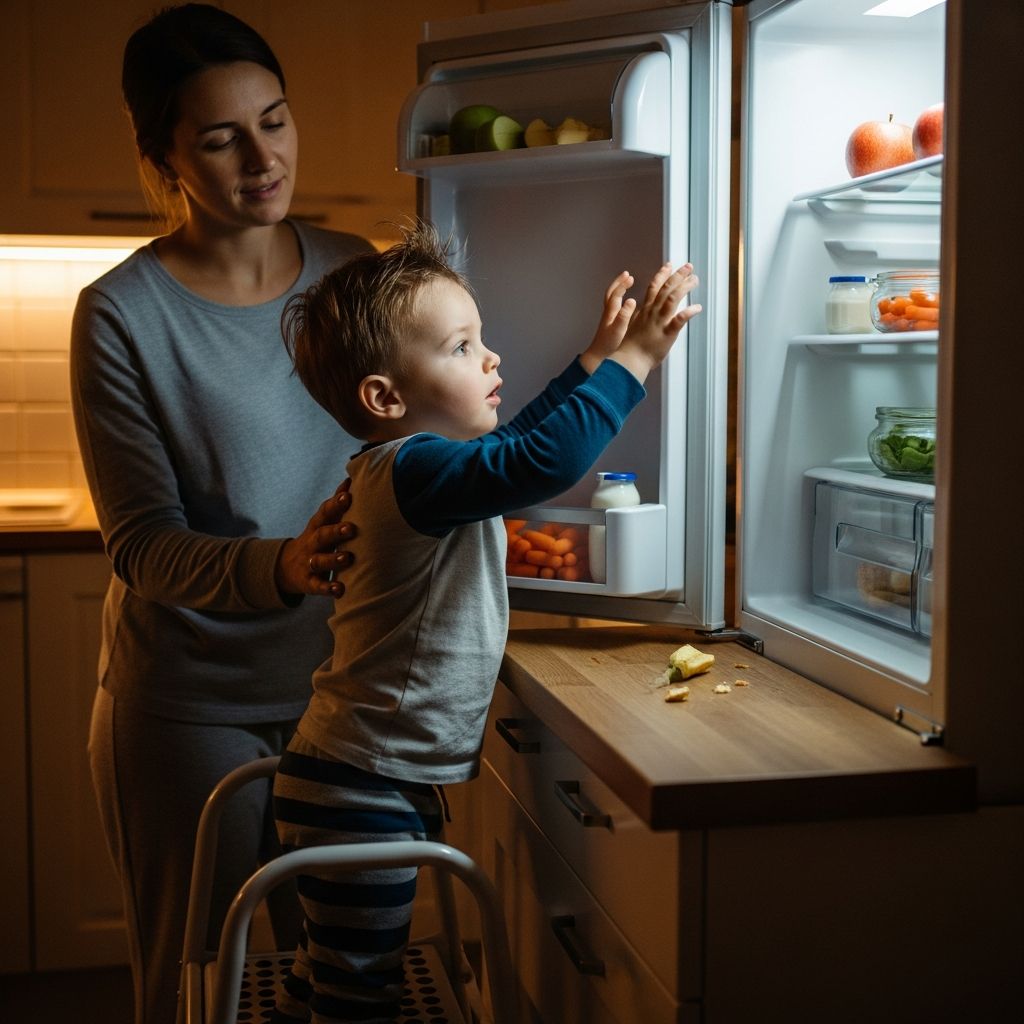
In a short home video that exploded online, a preschool boy trudges in after school and makes a simple but powerful announcement: he is cranky, he is tired, and he has worked hard at school. His parents try to talk with him and gently tease him, but he stays on message: he is done for the day, and he wants the world to know it.
This funny, relatable moment resonated with millions because it perfectly captures the emotional crash so many young children experience after a long day of learning, socializing, and following rules away from home.
The Viral Moment: A Little Boy Who Has “Had Enough”
The heart of the story is simple: a young boy arrives home from school and is clearly not in the mood for jokes, extra questions, or playful teasing. Instead of melting down in tears, he uses surprisingly clear words to set a boundary—he is cranky, he is tired, and he is not up for any more interaction.
What makes the clip so striking is how adult his phrasing sounds. The small child speaks with the weariness of someone clocking out after a long shift at work, turning a common parenting struggle into a moment of shared humor and recognition.
Why Parents Find This So Relatable
Parents and caregivers connect so deeply with this clip because they have all seen some version of this scene in their own homes. Young children often hold themselves together all day at school or daycare, only to unravel emotionally once they return to their safe space.
The boy’s honesty about being cranky and tired puts words to what many kids can only express through tantrums, whining, or seemingly irrational behavior. It feels like a tiny glimpse into what is actually going on inside a child’s mind at the end of a demanding day.
- It validates that preschool and early elementary days are truly tiring for kids.
- It shows that being honest about emotions can be both disarming and funny.
- It reminds adults that kids experience real “burnout” too.
What “I’m Cranky and Tired” Really Means
When a young child says they are cranky and tired, it rarely refers only to physical fatigue. Instead, it often reflects a combination of sensory overload, social effort, and emotional self-control that has been stretched to the limit throughout the day.
By the time the child returns home, the smallest request—putting on shoes, picking up a backpack, or answering a simple question—can feel like one demand too many. What looks like defiance or rudeness sometimes is just a child out of emotional resources.
Common Signs of After-School Exhaustion
- Sudden mood swings or irritability over minor issues.
- Refusal to talk about the school day or answer questions.
- Increased clinginess, whining, or need for physical comfort.
- Resistance to chores or normal routines that feel “too much” in the moment.
How the Parents Responded in the Clip
Part of the charm of the moment is the way the boy’s parents handle his crankiness. They do not explode, shame him, or insist that he change his attitude immediately. Instead, they stay calm, acknowledge his feelings, and gently try to lighten the mood with a bit of humor.
The father’s playful teasing and the mother’s amused reaction show a balance between respecting their child’s exhaustion and not taking the crankiness personally. The boy, for his part, simply doubles down on his main point: he worked hard, and his emotional tank is empty.
Key Takeaways from Their Approach
- They allow him to express his feelings without escalating the situation.
- They use light humor instead of harsh discipline.
- They still maintain a sense of parental authority while validating his experience.
Why Preschool Is So Exhausting for Kids
To adults, a day in preschool may not seem very intense, but for young children it is a marathon of stimulation and self-control. They spend hours navigating group dynamics, following instructions, waiting their turn, and learning new skills, all while managing big feelings in a largely unfamiliar environment.
By late afternoon, even simple tasks can feel overwhelming because a child’s brain has been working hard to process new information, manage impulses, and read social cues. The boy’s insistence that he “worked hard at school” reflects a very real cognitive and emotional workload.
| Preschool Experience | Hidden Workload for Kids |
|---|---|
| Group activities and circle time | Listening, sitting still, remembering rules, and waiting to speak |
| Free play with classmates | Sharing, negotiating conflicts, understanding others’ feelings |
| Structured learning (letters, numbers, projects) | Focusing attention, mastering new concepts, coping with frustration |
| Transitions (lining up, cleaning up, going outside) | Switching tasks quickly, following multi-step directions |
Emotional Honesty in Young Children
The boy in the video stands out not just because he is cranky and tired, but because he can say so openly and clearly. Many adults spend years learning to identify and voice their feelings; this preschooler models emotional naming with impressive accuracy.
Encouraging children to label feelings such as “tired,” “cranky,” “overwhelmed,” or “frustrated” can help reduce the intensity of their reactions. When kids are given language for their inner experiences, they are more likely to communicate instead of exploding.
- Emotion words act like tools for self-regulation.
- Validation (“I hear that you’re tired”) helps kids feel understood.
- Over time, children internalize the idea that feelings are temporary and manageable.
From Viral Laughs to Parenting Lessons
Online, many viewers initially approached the clip as pure entertainment. But beneath the laughter, there are gentle parenting lessons about listening, empathy, and the power of giving kids room to be human after a long day.
The parents show that it is possible to find humor in a difficult moment without mocking or dismissing their child. The boy, in turn, demonstrates that even very young children can communicate boundaries when given the space and vocabulary to do so.
Practical Tips for Handling Cranky, Tired Kids After School
Every family faces its own version of the after-school emotional crash. While there is no perfect solution, a few thoughtful strategies can make this daily transition smoother and less stressful for everyone.
Parents do not need to eliminate crankiness altogether; instead, the goal is to create a predictable, low-pressure environment that acknowledges how hard kids have worked all day.
Simple Strategies That Help
- Build in a “no questions” buffer. Give your child 10–20 minutes of quiet time before asking about their day or assigning tasks.
- Offer a snack and water. Hunger and thirst intensify crankiness, so a quick refuel can ease some of the emotional load.
- Keep the schedule light. Avoid stacking appointments or extra errands right after pickup when possible.
- Create a calm homecoming routine. A familiar sequence—shoes off, snack, quiet play—helps kids shift gears more gently.
- Validate their feelings. Phrases like “It sounds like you had a big day” can defuse power struggles before they start.
Balancing Empathy and Boundaries
Understanding that a child is tired does not mean abandoning all expectations. What the viral moment illustrates is that parents can both empathize with their child’s state and still guide them through necessary routines like chores, homework, or bath time.
Firm but gentle boundaries—such as calmly insisting on basic tasks while allowing for extra support—help kids feel secure. When children learn that their feelings are respected but do not completely dictate the household, they gain both emotional skills and a sense of safety.
- Offer choices within boundaries, like “Do you want to do your chore before or after your snack?”
- Use a warm tone, even when you hold the line.
- Remind kids that everyone is tired sometimes, including parents.
Why This Little Boy Feels Like “All of Us”
One reason this clip spread so widely is that the boy’s words feel oddly universal. Adults recognize their own end-of-day mood in his small but emphatic speech. Many people wish they could walk into their own homes and announce, without apology, that they are cranky and done for the day.
In that sense, the video acts as a mirror. It invites viewers to reflect on the pressure to stay cheerful and productive, and it gently suggests that it might be healthier to acknowledge exhaustion openly—just like this preschooler does.
Supporting Kids’ Big Feelings With Humor
Humor can be a powerful tool when dealing with tired, irritable kids, as long as it is never used to belittle or shame them. The parents in the viral clip walk this line carefully: they smile, tease a little, and keep the mood light, but they also listen to what their child is actually saying.
When used thoughtfully, gentle joking can help kids feel less overwhelmed by their own feelings. It signals that emotions are normal and survivable, and that the family can still connect and laugh even on tough days.
Frequently Asked Questions
Is it normal for my child to be extra cranky after school?
Yes, it is extremely common for children to unravel emotionally once they get home. After spending the day following rules and managing social interactions, they often save their biggest feelings for the safest place they know: home.
Should I discipline my child for being rude when they are tired?
It is important to uphold basic respect, but context matters. Rather than punishing every grumpy word, many parents find it more effective to set calm boundaries, remind the child of expectations, and address the underlying exhaustion with rest, food, or quiet time.
How can I encourage my child to express feelings with words like the boy in the video?
You can model emotion language throughout the day by naming your own feelings and gently labeling your child’s: “You seem tired” or “You sound frustrated.” Over time, kids pick up this vocabulary and may start using phrases like “I’m cranky” instead of acting out physically.
What if my child will not talk about their day at all?
Some children need time to decompress before they are ready to share. Try waiting until dinner or bedtime, ask specific, low-pressure questions, and accept that some days they may simply not want to recap their experiences in detail.
Can a short viral video really teach us anything serious about parenting?
Even a brief, funny clip can highlight deeper truths about childhood, such as how hard kids work at school and how much they need empathy when they are overwhelmed. While no single video provides a complete guide, it can spark helpful reflection and conversation.
Turning Cranky Moments Into Connection
The image of a small boy standing his ground and announcing that he is cranky and tired has stayed with many viewers because it transforms a common parenting frustration into a moment of solidarity. Parents recognize their own kids—and often themselves—in his exhausted honesty.
When families respond to these end-of-day meltdowns with a mix of structure, empathy, and humor, they can turn daily friction into opportunities for understanding. In that way, a viral video becomes more than entertainment; it becomes a gentle reminder that everyone, big or small, deserves a little grace at the end of a long day.