Understanding the Linguistic Foundations of Violet
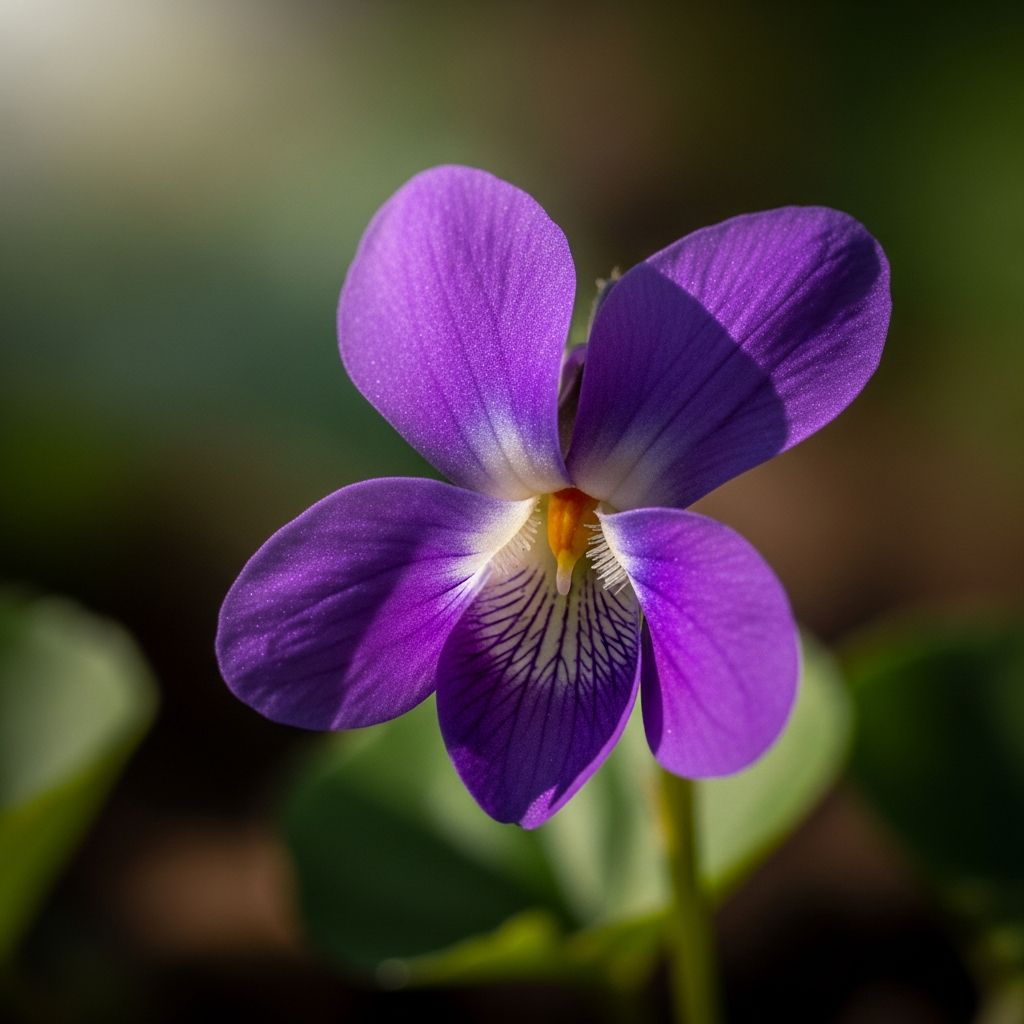
The name Violet emerges from a rich linguistic heritage that traces back through multiple languages and centuries of cultural evolution. At its core, the name derives from the Latin word viola, which directly references the delicate purple flower that has captivated gardeners and flower enthusiasts throughout history. This botanical connection forms the essential identity of the name, establishing an immediate association with natural beauty and horticultural imagery.
The etymological journey of Violet demonstrates how language travels and transforms across cultures and time periods. From its Latin foundation, the name passed through Old French as violette, eventually finding its way into English usage as a given name rather than merely a descriptive term. This linguistic evolution reflects broader patterns in how European languages adopted and adapted classical terms for use as personal identifiers, particularly when those terms carried aesthetic or symbolic weight.
Beyond the flower itself, the name carries the weight of color symbolism. The color violet has long been associated with qualities such as spirituality, nobility, creativity, and imagination. When parents select the name Violet for their daughters, they are inherently invoking these associations, whether consciously or unconsciously. The name thus functions on multiple levels—as a botanical reference, a color descriptor, and a carrier of symbolic meanings that extend far beyond its simple phonetic structure.
The Victorian Era: When Floral Names Flourished
The nineteenth century witnessed an extraordinary transformation in naming practices, particularly within English-speaking societies. The Victorian era, spanning the mid-to-late 1800s, established the conditions under which nature-inspired names, especially floral nomenclature, became fashionable among families seeking to distinguish and beautify their daughters’ identities. Violet ascended to prominence precisely during this period, becoming emblematic of Victorian aesthetic preferences and values.
During this era, the Victorians cultivated a sophisticated appreciation for gardens, botany, and the symbolic language of flowers. This cultural phenomenon was not merely decorative—it reflected deeper philosophical and social movements emphasizing the beauty of nature and the importance of feminine delicacy and refinement. Parents embraced floral names as expressions of these ideals, and Violet emerged as a particularly favored choice, ranking as the 88th most frequently used girls’ name by 1900.
The appeal of Violet during this period extended beyond mere aesthetic preference. The name embodied qualities that Victorian society deeply valued in young women: modesty, faithfulness, delicacy, and understated elegance. These virtues, symbolized by the violet flower itself, made the name a natural choice for parents wishing to imbue their daughters’ identities with such characteristics. The popularity of Violet during the Victorian era established a template for how floral names could serve as vehicles for expressing parental hopes and cultural values.
The Twentieth Century: Decline and Dormancy
Following its peak popularity in the early twentieth century, Violet experienced a dramatic decline that would persist for most of the remaining century. As cultural attitudes shifted and modernism began to reshape aesthetic preferences, the Victorian fascination with floral nomenclature faded considerably. By 1960, Violet had fallen below position 1000 in the rankings of girls’ names, representing a remarkable reversal of fortune for what had once been a celebrated choice.
This decline reflected broader transformations in society, including changing perspectives on femininity, nature, and tradition. The mid-twentieth century brought technological advancement, urbanization, and cultural shifts that moved many families away from nature-inspired naming conventions. Parents increasingly sought names that reflected contemporary values rather than historical or botanical associations. Violet, laden with Victorian connotations and pastoral imagery, found itself temporarily out of step with the era’s prevailing aesthetic sensibilities.
However, this period of dormancy proved temporary rather than permanent. The seeds of Violet’s eventual revival were being planted even as the name languished in obscurity, waiting for cultural conditions to shift once more in favor of vintage aesthetics and nature-inspired nomenclature.
The Contemporary Revival: From Obscurity to Prominence
Beginning in the 1990s and accelerating through the early 2000s, Violet experienced a remarkable resurgence in popularity that would ultimately transform it into one of the most sought-after girls’ names of the current era. This revival forms part of a broader trend wherein parents increasingly seek vintage names with historical depth and natural connections, rejecting the aggressively modern naming patterns that dominated the late twentieth century.
The reappearance of Violet in the top 1000 names by 1990, at position 289, marked the beginning of its contemporary ascent. From that point, the name’s popularity accelerated at a remarkable pace. By 2022, Violet had risen to become the 20th most commonly used name for newborn American girls, reflecting a dramatic shift in parental preferences. This meteoric rise over three decades demonstrates how thoroughly contemporary families have embraced the name, making it a fixture of modern nurseries and elementary school classrooms.
Several factors contribute to this contemporary popularity. Parents increasingly value names that offer both classical roots and contemporary appeal, and Violet satisfies both criteria elegantly. The name carries literary and cultural weight, appearing in beloved works such as Charlie and the Chocolate Factory, Lemony Snicket’s A Series of Unfortunate Events, and Disney’s The Incredibles, providing cultural touchstones that enhance its desirability. Additionally, the name contains the letter ‘v,’ which has become fashionable in contemporary baby naming trends, further boosting its appeal.
Global Variations and International Adaptations
The universal appeal of the name Violet extends far beyond English-speaking countries, manifesting in diverse linguistic and cultural adaptations that reflect regional phonetic preferences and naming conventions. These variations preserve the essential character of the original name while accommodating the sound patterns and orthographic systems of different languages.
European Adaptations
European languages have developed particularly rich variations of Violet that emphasize melodic qualities and cultural-specific aesthetics. In French-speaking regions, the name appears as Violette, adding an extra syllable that creates a more lyrical quality. Italian speakers prefer Violetta or the simpler Viola, lending the name a Mediterranean musicality that resonates with Italian naming traditions. The Spanish variant Violeta introduces a warm, Iberian sensibility, while Yolanda and Yolante represent Spanish and French adaptations that emphasize different phonetic elements.
Germanic languages contribute their own variations to this international tapestry. The German form Veilchen directly translates the flower reference while maintaining Germanic linguistic patterns, though it appears less frequently as a given name compared to Romance language variants. Polish culture offers Wiola with variants Wioleta and Wioletta, while Hungarian presents the distinctive Ibolya, demonstrating how different linguistic traditions reshape the fundamental name into forms that feel natural within their respective linguistic ecosystems.
Non-European Equivalents
Beyond Europe, cultures worldwide have developed their own floral-inspired names that capture the essence of Violet without directly translating the English version. Japanese culture offers Sumire, which references the violet flower within Japanese botanical nomenclature. Hebrew-speaking communities use Sigal, while the Mapuche people of Chile employ Calfuray. These equivalents demonstrate how the concept of a violet-inspired name transcends linguistic and cultural boundaries, with different societies developing parallel naming traditions that express similar aesthetic and symbolic values.
Creative Contemporary Spelling Variations
Modern parents seeking distinctive presentations of the name have developed creative spelling variations that maintain recognizability while introducing uniqueness. Spellings such as Vyolet or Violett (omitting the final ‘e’) offer parents opportunities to personalize the name while preserving its essential character. These variations reflect contemporary naming trends that emphasize individual expression within the framework of established nomenclature.
Symbolic and Cultural Significance
The name Violet carries profound symbolic weight that extends well beyond its botanical origin. The violet flower itself has accumulated layers of meaning across different cultures and historical periods, each layer contributing to the richness of the name as a whole.
The primary symbolic associations of the violet include:
- Modesty and Humility: The violet’s small, delicate nature has historically symbolized modest bearing and humble demeanor.
- Faithfulness and Loyalty: These qualities became associated with the violet through Victorian floral language, making it a symbol of dependable devotion.
- Love and Affection: The gentle beauty of violet flowers made them popular expressions of tender feeling and romantic sentiment.
- Spiritual Awareness: The color violet’s association with spirituality extends to the name itself, invoking concepts of higher consciousness and inner wisdom.
- Creativity and Imagination: The unique coloration of violet flowers has made them emblematic of creative vision and imaginative thinking.
When parents choose the name Violet, they are often—whether consciously or intuitively—selecting a name that embodies these accumulated meanings. The name functions as a kind of blessing or wish, expressing parental hopes that their daughter will embody qualities of grace, faithfulness, and creative expression throughout her life.
Literary and Popular Culture Presence
The enduring presence of Violet in literature, film, and popular media has significantly influenced contemporary perceptions of the name. Notable fictional Violets populate beloved stories that have achieved canonical status in contemporary culture. Violet Beauregarde, the gum-chewing character from Roald Dahl’s Charlie and the Chocolate Factory, introduced generations of readers to a character bearing this distinctive name. Similarly, Lemony Snicket’s A Series of Unfortunate Events features Violet Baudelaire, the resourceful and intelligent eldest orphan who demonstrates problem-solving abilities and moral courage.
In contemporary cinema, Violet’s appearance in Disney-Pixar’s The Incredibles franchise has introduced the name to new generations of young viewers. The character Violet Parr, a superhero teenager grappling with identity and responsibility, demonstrates strength and determination while bearing the name. These varied portrayals in popular culture—from whimsical Victorian characters to capable modern heroines—have contributed to Violet’s contemporary desirability by associating it with characters who display intelligence, creativity, and strength.
Practical Considerations for Parents
Parents considering the name Violet should understand several practical dimensions of this choice. The name’s current popularity, while affirming its appeal, means that children named Violet may share their name with multiple classmates. In 2022, as the 20th most popular girls’ name in the United States, Violet can be expected to appear with some frequency in schools and social settings.
The name works well across different life stages. While “Violet” possesses a youthful, delicate quality appropriate for children, the name also carries sufficient dignity and sophistication to serve well for adolescents and adults in professional contexts. The name does not typically require shortening to a nickname, though common diminutives include “Vi” or “Vee” for those preferring shorter forms.
From a linguistic perspective, Violet is straightforward to spell and pronounce in English-speaking contexts, though international variations exist as discussed above. The name’s simplicity combined with its distinctive character makes it accessible while still feeling special—an ideal combination for parents seeking names that balance familiarity with distinctiveness.
Frequently Asked Questions
What does the name Violet mean?
Violet means “purple,” derived from the Latin word viola, which refers to the purple flower of the same name. The name carries symbolic associations with modesty, faithfulness, love, spirituality, and creativity.
Where does the name Violet come from?
The name traces its origins through Latin (viola) and Old French (violette) before becoming established in English as a given name, particularly during the Victorian era when floral names became fashionable.
How popular is the name Violet today?
Violet has experienced a dramatic resurgence in popularity, ranking as the 20th most commonly used girls’ name in the United States as of 2022, and the 27th most popular in Canada.
Is Violet used as a boy’s name?
Violet is primarily a girls’ name, though rare instances of the name being used for boys exist, reflecting the occasional contemporary crossing of traditionally gendered name conventions.
What are common nicknames for Violet?
Common nicknames include “Vi” and “Vee,” offering shorter alternatives while maintaining the essential character of the full name.
What are some similar names to Violet?
Similar floral names include Rose, Daisy, Lily, Iris, and Poppy, all of which share botanical origins and Victorian-era popularity. International variants include Violetta, Violeta, and Violette.
References
- Meaning of the name Violet — Wisdom Library. Accessed January 2026. https://www.wisdomlib.org/names/violet
- Violet Baby Name Meaning, Origin, Popularity Insights — Momcozy. Accessed January 2026. https://momcozy.com/blogs/baby-names/violet
- Violet: Meaning and Origin of First Name — Ancestry.com. Accessed January 2026. https://www.ancestry.com/first-name-meaning/Violet
- Violet – Baby Name Meaning, Origin and Popularity — The Bump. Accessed January 2026. https://www.thebump.com/b/violet-baby-name
- Violet (given name) — Wikipedia. Accessed January 2026. https://en.wikipedia.org/wiki/Violet_(given_name)
- Violet – Baby Name Meaning, Origin, and Popularity for a Girl — Nameberry. Updated December 17, 2025. https://nameberry.com/b/girl-baby-name-violet