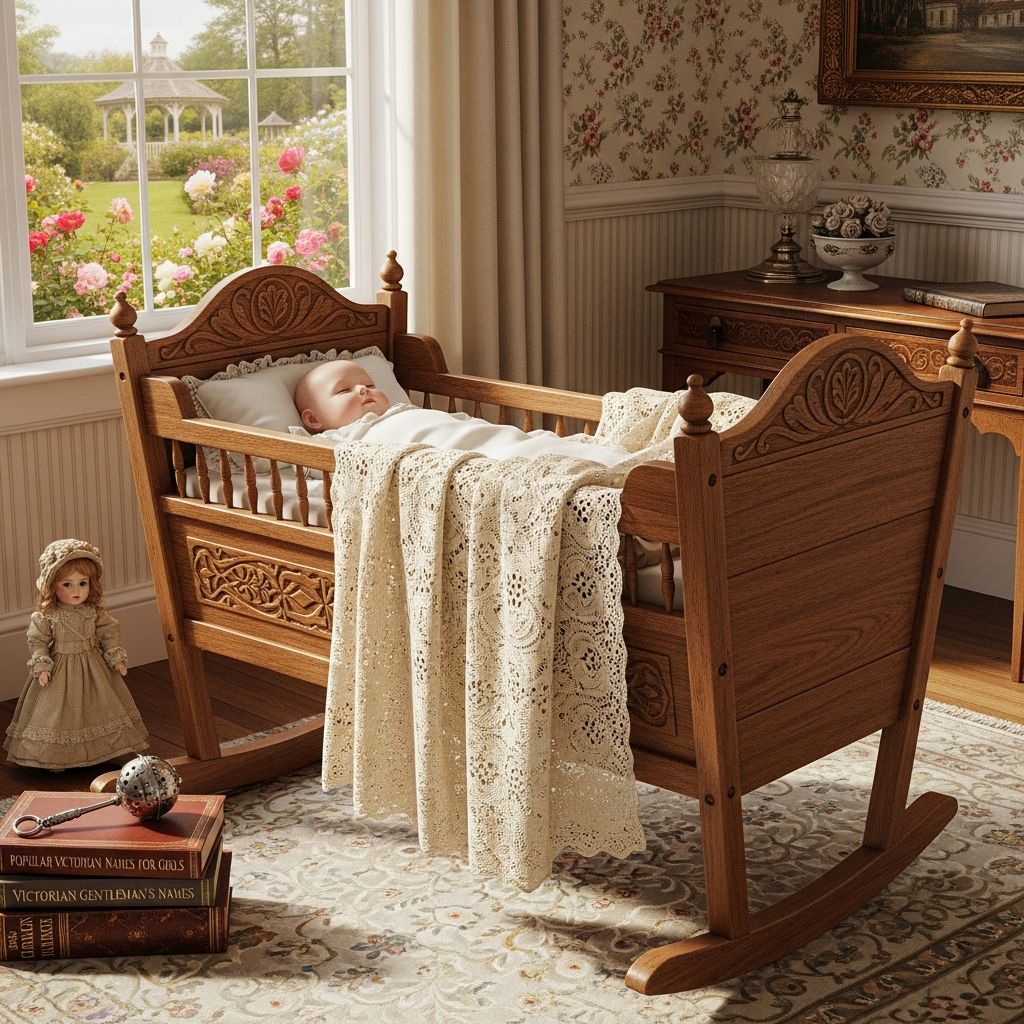
The Victorian period, spanning from 1837 to 1901, produced a wealth of baby names that blended tradition, morality, and cultural influences. Parents today are rediscovering these names for their sophisticated sound and deep historical roots, offering a perfect mix of uniqueness and familiarity.
Why Victorian Names Captivate Modern Parents
Victorian names evoke an air of refinement and strength, drawing from biblical stories, royal lineages, and virtuous ideals. During Queen Victoria’s reign, naming practices emphasized family heritage, religious devotion, and social aspirations. Boys often received straightforward, enduring names like those of kings or prophets, while girls got names symbolizing purity or floral beauty. This era’s choices reflect a society valuing legacy, making them ideal for parents wanting names with substance.
Contemporary trends show a surge in vintage revivals, with names like Theodore and Clara climbing popularity charts. These selections stand out in a sea of modern inventions, providing children with a sense of timeless identity connected to literature, history, and character-building virtues.
Key Influences Shaping Victorian Naming Conventions
Several forces molded the names of the Victorian age, creating a rich tapestry of options still relevant today.
- Religious Foundations: The Bible was a primary source, with names like Joseph, Mary, and Ruth dominating registries for their spiritual resonance and promise of divine favor.
- Royal and Political Inspirations: Queen Victoria’s family popularized names such as Albert, Edward, and Victoria, symbolizing prestige and stability.
- Literary and Mythological Touches: Characters from Dickens novels or ancient epics lent exotic flair, like Hector or Achilles.
- Virtue and Nature Themes: Girls’ names often embodied ideals like Patience, Hope, or floral nods such as Daisy and Lillian.
Family traditions played a huge role too, with multiple middle names honoring grandparents or merging surnames via hyphens to preserve lineages. This practice underscored the era’s focus on continuity and social standing.
Timeless Victorian Names for Boys
Boys’ names from this period were typically robust and classic, designed to convey reliability and intellect. Here’s a curated selection with origins and meanings.
| Name | Origin | Meaning | Why It Fits Today |
|---|---|---|---|
| Albert | Germanic | Noble and bright | Honors Prince Albert; strong yet gentle vibe. |
| Henry | Germanic | Ruler of the home | Royal heritage; timeless appeal. |
| Walter | Germanic | Army ruler | Warm, approachable classic. |
| Theodore | Greek | Gift of God | Intellectual charm rising in popularity. |
| Charles | Germanic | Free man | Brave and loyal connotations. |
| Hugh | Gaelic | Mind, intellect | Underrated gem for sharp minds. |
| Alexander | Greek | Defender of men | Scottish royal ties; versatile. |
These names were chosen for their simplicity and ties to achievement, often passed down generations. John, meaning ‘God is gracious,’ spawned variants like Jack, keeping it fresh.
Elegant Victorian Names for Girls
Girls’ names frequently featured double first names or virtue-inspired choices, highlighting desired traits like grace or resilience. Explore these enduring picks.
| Name | Origin | Meaning | Why It Fits Today |
|---|---|---|---|
| Clara | Latin | Bright, clear | Linked to Florence Nightingale; luminous. |
| Florence | Latin | Flourishing | Floral strength; nursing icon. |
| Lillian | Latin | Lily flower | Pure beauty; soft sophistication. |
| Matilda | Germanic | Mighty in battle | Powerful yet feminine. |
| Harriet | Germanic | Army ruler | Resilient pioneer spirit. |
| Agnes | Greek | Pure, holy | Classic purity; underused. |
| Gertrude | Germanic | Spear strength | Bold vintage revival. |
Nicknames added whimsy: Isabella became Daisy for its innocent floral symbolism, while Margaret turned into Polly, showcasing creative affection.
Unique Naming Practices of the Victorians
Beyond single names, Victorians innovated in ways that added layers of meaning.
Double and Hyphenated Names
Girls often bore compounds like Mary Anna or Ellen May, blending favorites for fuller expression. Hyphenated surnames, such as in inheritance cases without male heirs, merged family lines to safeguard estates and status. This custom highlighted class and legacy, turning names into badges of heritage.
Nicknames and Personal Flair
Formal names softened into endearing shortenings: Henry to Hal, Elizabeth to Lizzie. These reflected personality or whimsy, fostering intimacy amid strict etiquette. In aristocratic circles, they marked traits; among workers, they built community bonds.
Passing Down Legacies
Middle names recurred to honor ancestors, creating chains like Christopher Columbus across generations. Surnames became first names, e.g., Fitzhugh, reinforcing kinship.
Victorian Names in Today’s World
Modern parents appreciate these names for their rarity and depth. Data from recent naming studies indicate rises in Theodore (top 10 in many countries) and Clara, blending nostalgia with edge. They pair well with contemporary siblings: Theodore James or Clara Rose.
Choosing Victorian means gifting a story— of resilience from Harriet Tubman echoes or intellect from Hugh. They’re versatile across cultures, with global roots in Greek, Latin, and Hebrew.
Pros and Cons of Vintage Name Choices
| Pros | Cons |
|---|---|
| Unique yet recognizable | Potential pronunciation challenges |
| Rich historical meaning | May evoke outdated stereotypes |
| Strong, positive associations | Less common in pop culture |
| Timeless elegance | Family teasing risks |
Weigh these against your family’s vibe for the perfect fit.
Frequently Asked Questions About Victorian Baby Names
Are Victorian names still popular?
Yes, many like Theodore and Florence are surging, offering vintage charm without obscurity.
What makes a name ‘Victorian’?
Names popular 1837-1901, influenced by Bible, royalty, virtues, and literature.
Can I use hyphenated Victorian-style names today?
Absolutely; they elegantly preserve dual heritages, e.g., Mary-Elizabeth.
Are there boy names that were rare then but trendy now?
Names like Walter and Hugh are reviving, prized for intellect and warmth.
How do Victorian girl names reflect era values?
They emphasize purity (Agnes), strength (Matilda), and beauty (Lillian).
Tips for Incorporating Victorian Names
- Research meanings via reliable etymology sites for personal resonance.
- Test nicknames early: Does Theo suit your Theodore?
- Pair with modern middles for balance, like Albert Kai.
- Consider cultural fit; many adapt globally.
- Share the story behind the name to build family pride.
Embracing Victorian names connects your child to a legacy of innovation and grace, perfect for the 21st century.
References
- Popular Victorian Baby Names — Friends of Dalnavert Museum. 2018-08-26. https://www.friendsofdalnavert.ca/blog/2018/8/26/popular-victorian-baby-names
- Charming Victorian Baby Names of the Era — Classic Historia. N/A. https://classichistoria.com/articles/victorian-baby-names
- Victorian Names — Country and Victorian Times. 2010-11-04. https://countryandvictoriantimes.com/2010/11/04/victorian-names/
- Victorian Era Names, A Writer’s Guide — RootsWeb. N/A. https://freepages.rootsweb.com/~poindexterfamily/genealogy/OldNames.html
- New Influences on Naming Patterns in Victorian Britain — Illinois State University. N/A. https://ir.library.illinoisstate.edu/cgi/viewcontent.cgi?article=1507&context=etd