Halloween sparks joy with its array of imaginative outfits, but what if those costumes could extend far beyond one night of trick-or-treating? Parents today seek smart solutions that blend festive fun with practical, everyday use. This guide dives into **versatile kids’ costumes** designed for year-round wear, helping families save money, reduce waste, and fuel children’s creativity. From capes that become superhero capes for playground battles to aprons perfect for kitchen experiments, these selections prioritize comfort, durability, and play value.
Why Choose Multi-Purpose Costumes?
Investing in costumes that transcend Halloween offers multiple benefits. First, they promote sustainability by minimizing single-use purchases, aligning with growing eco-conscious parenting trends. Second, children wear them repeatedly, enhancing imaginative play that supports cognitive and social development. Studies from child psychology experts highlight how dress-up play boosts empathy, problem-solving, and language skills. Financially, these pieces amortize costs over months of use, often outlasting traditional costumes.
Comfort is paramount: opt for breathable fabrics like cotton or soft knits that allow free movement. Machine-washable options ensure easy maintenance amid daily adventures. Parents report that versatile pieces reduce clutter, as kids naturally integrate them into routines—from dress-up bins to pajama rotations.
Everyday Hero Accessories
Simple add-ons transform ordinary clothes into magical ensembles without overwhelming wardrobes. These lightweight items pack big imaginative punch.
- Capes and Cloaks: A flowing hooded cape in neutral colors serves as a wizard’s robe one day and a knight’s mantle the next. Pair with jeans for school playdates or pajamas for bedtime stories.
- Wings: Detachable fairy or bird wings clip onto shirts, ideal for outdoor tag games or indoor dance parties. Soft, flexible materials prevent tears during active play.
- Hats: Pointed wizard hats or animal ears double as sunny-day shade or cozy winter toppers, adding flair to any outfit.
These accessories encourage mix-and-match creativity, letting kids invent characters on the fly.
Playful Dress-Up Outfits
Full-body costumes that mimic cozy loungewear ensure longevity. Think outfits blending fantasy with functionality.
| Outfit Type | Halloween Role | Year-Round Use | Key Features |
|---|---|---|---|
| Mermaid Tail Blanket | Mystical Sea Creature | Snuggle Blanket or Beach Cover | Stretchy fin, soft fleece interior |
| Animal Onesie Pajamas | Furry Friend | Bedtime or Lazy Day Wear | Zip-front, hooded with ears |
| Princess Gown Dress | Royalty | Party Dress or Twirl Skirt | Layered tulle, elastic waist |
These outfits shine in versatility. A mermaid tail, for instance, captivates during costume events but wraps kids in warmth for movie nights. Onesies featuring dinosaurs or unicorns transition seamlessly from Halloween hauls to winter sleepwear, offering thermal comfort.
Role-Play Gear for Imaginative Minds
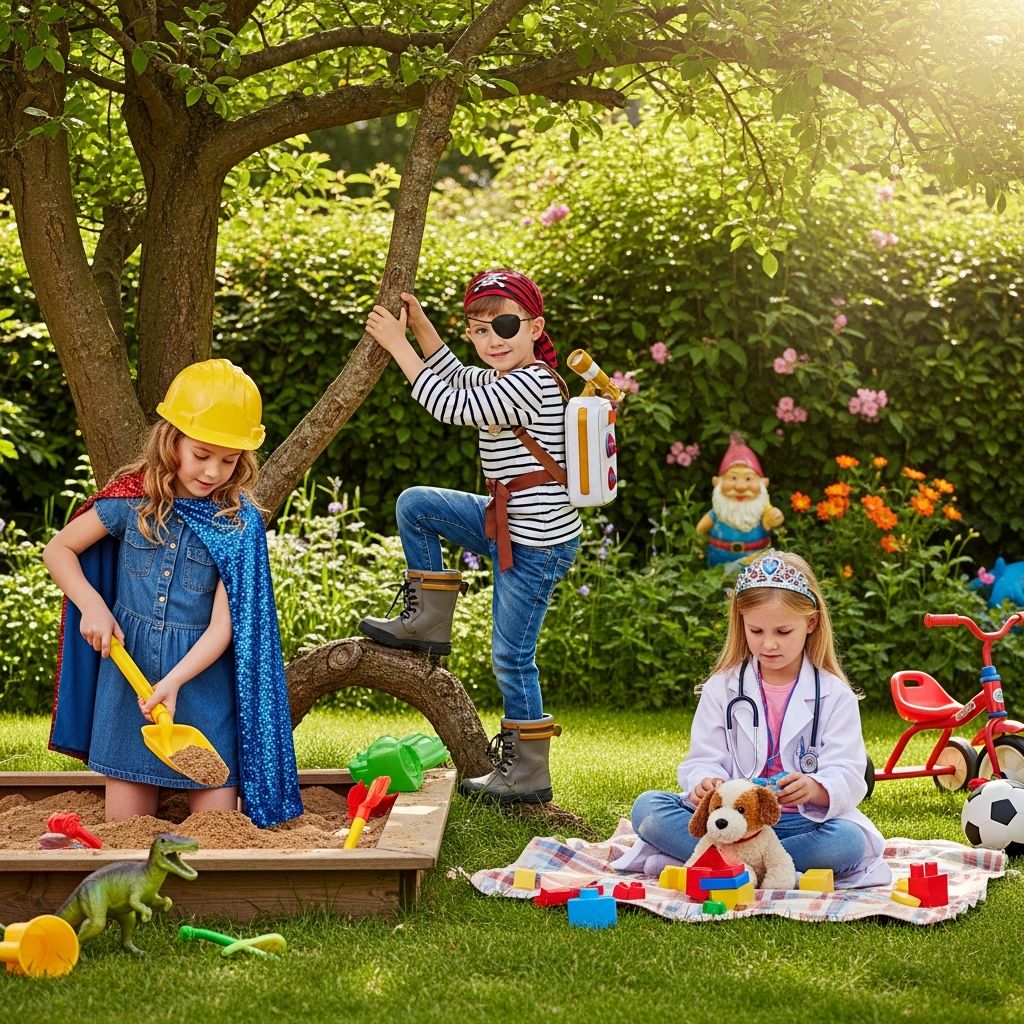
Costumes tied to professions or hobbies foster skill-building through pretend play. Equip your child with tools that inspire real-world exploration.
- Pet Vet Apron: Complete with toy stethoscope pockets, this apron fits over clothes for clinic role-play. Use it for actual pet care or backyard animal rescues.
- Chef Uniform: A mini apron and hat set turns snack time into gourmet adventures, encouraging interest in cooking.
- Explorer Vest: Loaded with pockets for treasures, perfect for nature walks or indoor scavenger hunts.
Such gear not only amuses but educates. Pediatric guidelines emphasize role-play’s role in emotional regulation and career curiosity from toddlerhood.
Seasonal Adaptations for All Weather
Year-round wear demands adaptability. Layerable pieces handle temperature shifts effortlessly.
In fall, capes layer over hoodies for crisp trick-or-treat nights, then shed for milder days. Winter calls for insulated wings or cloaks that double as scarves. Spring and summer favor lightweight fairy skirts or breathable animal hoods for park play. Select UV-protective fabrics for outdoor safety, as recommended by dermatology associations.
DIY Twists on Store-Bought Favorites
For budget-savvy creators, customize ready-mades or craft from scratch. Start with thrift-store finds: dye a plain cape purple for a sorcerer vibe, or sew felt wings onto a backpack.
- Gather soft fabrics from home scraps.
- Use no-sew methods like fabric glue for quick assembly.
- Incorporate LED lights for glow-in-the-dark effects, safe for repeated use.
DIY fosters family bonding and personalization, ensuring costumes match your child’s evolving interests.
Age-Appropriate Picks by Developmental Stage
Toddlers (1-3 Years)
Focus on soft, footless designs to avoid tripping. Plush animal hoods or blanket capes provide sensory comfort while sparking first imaginative leaps.
Preschoolers (4-6 Years)
Introduce interactive elements like velcro wings or aprons with play tools. These support growing motor skills and social pretend scenarios.
School-Age (7+ Years)
Opt for durable, adjustable pieces like multi-pocket vests or capes with ties. They accommodate growth spurts and complex storylines.
Shopping Smart: Tips for Long-Lasting Buys
Examine seams for reinforcement, avoiding flimsy plastics. Check size ranges for future fit. Brands emphasizing organic cotton prioritize skin safety and sustainability. Read reviews for wear-and-tear insights post-Halloween.
Bundle deals on accessory sets maximize value. Eco-certifications like GOTS ensure non-toxic dyes, vital for sensitive skin.
Frequently Asked Questions (FAQs)
What makes a costume suitable for daily wear?
Look for soft, washable fabrics, flexible designs, and no small parts. Prioritize items kids can don independently to encourage self-play.
Are these costumes safe for active kids?
Yes, when choosing flame-retardant materials and secure attachments. Always supervise during vigorous play.
How do I store them without damage?
Use breathable bins or hanging racks. Spot-clean stains promptly to maintain vibrancy.
Can older kids enjoy these too?
Absolutely—adapt with teen sizes or add personal flair like patches for a customized look.
Do they really save money long-term?
Parents confirm: a $30 cape worn 50+ times costs pennies per use, far below disposable alternatives.
Encouraging Endless Imagination
Versatile costumes unlock worlds of wonder, turning ordinary days into epic quests. By selecting pieces that blend Halloween magic with everyday practicality, you invest in your child’s joy, development, and your family’s peace of mind. Watch as a simple cape sparks stories of dragons and heroes, or an apron launches culinary dreams. These aren’t just outfits—they’re gateways to creativity that last all year.
References
- Child Development and Pretend Play — American Academy of Pediatrics. 2023-05-15. https://publications.aap.org/pediatrics/article/151/5/e2022059951/190000/Pretend-Play-and-Social-Emotional-Development
- Sustainable Children’s Clothing Guidelines — U.S. Environmental Protection Agency. 2024-02-10. https://www.epa.gov/smm/childrens-clothing-and-textiles
- Play and Learning in Early Childhood — National Association for the Education of Young Children. 2022-11-01. https://www.naeyc.org/resources/pubs/yc/nov2018/play-and-learning-early-childhood
- Flame Retardant Standards for Costumes — U.S. Consumer Product Safety Commission. 2025-01-20. https://www.cpsc.gov/s3fs-public/CostumeSafety.pdf
- Organic Textile Standards — Global Organic Textile Standard (GOTS). 2024-07-01. https://global-standard.org/