Venomous insects are a normal part of the outdoor world, but for children, a simple sting or bite can be painful, frightening, and occasionally dangerous. Understanding which insects to watch for, how to prevent contact, and what to do when a sting happens helps parents balance safety with the benefits of outdoor play.
What Makes an Insect Venomous?
Venomous insects are species that inject venom into the skin through a stinger, fangs, or specialized mouthparts. This venom is used for defense or to hunt prey, but in humans it can cause pain, swelling, and sometimes serious allergic reactions.
The severity of a child’s reaction depends on several factors, including the type of insect, the amount of venom, the sting location, and whether the child has an allergy or underlying medical condition such as asthma.
Common Venomous Insects Children May Encounter
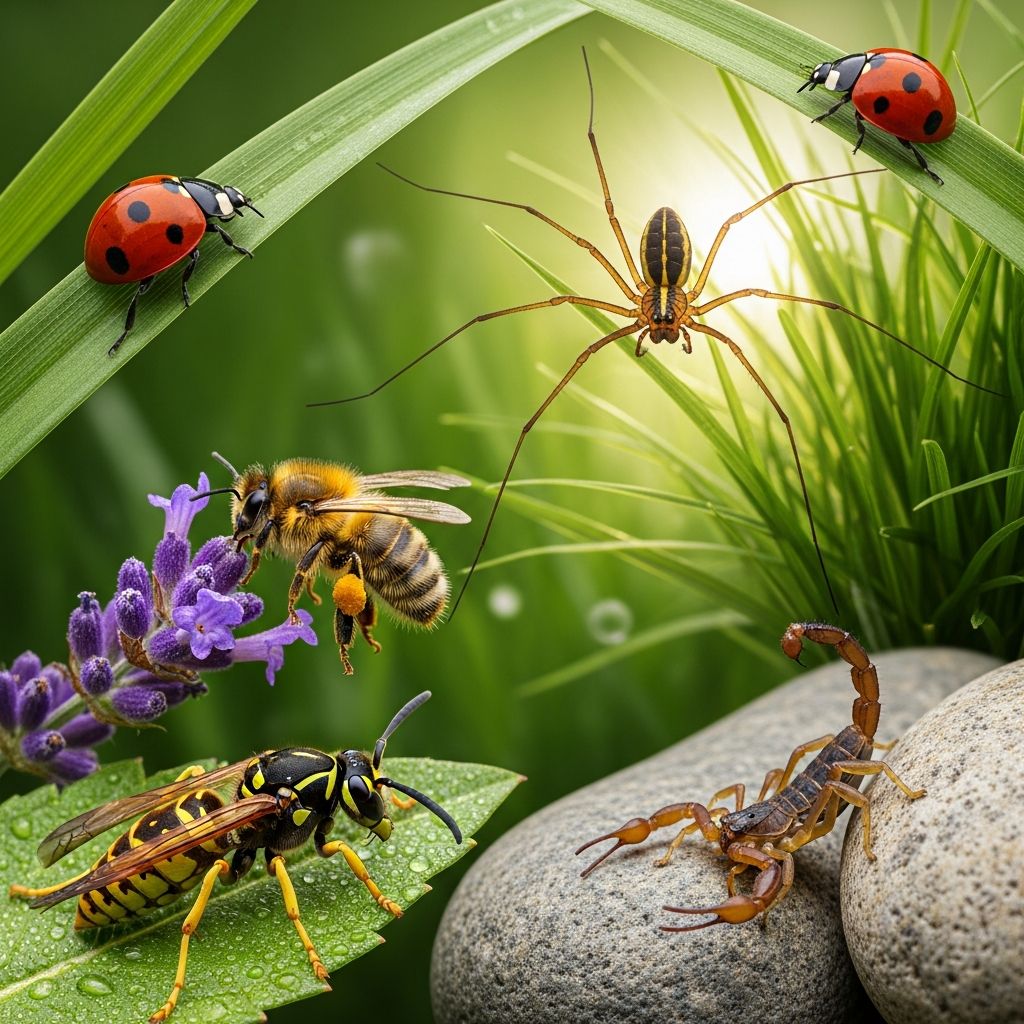
Different regions have their own high-risk insects, but several groups are widely recognized as important for parents to know. Not every encounter will lead to a sting, but these are the insects that most often cause trouble in children.
Stinging bees and wasps
- Honeybees: Usually sting when threatened or stepped on and leave a barbed stinger in the skin.
- Wasps and yellow jackets: Often more aggressive and can sting multiple times because their stingers do not remain in the skin.
- Hornets: Larger wasp relatives with powerful stings that can cause significant pain and swelling.
These insects are attracted to flowers, sweet drinks, food, and garbage, so outdoor meals and playgrounds are common sting locations.
Fire ants and other biting ants
- Fire ants: Deliver a painful sting that often causes burning and a raised bump, sometimes with a blister-like top.
- Other aggressive ants: May bite or sting in clusters, especially if a child disturbs a mound or nest.
Children are often stung on bare feet, legs, or hands while playing in grass, sand, or dirt, particularly if they step on or sit near an ant mound.
Venomous spiders (not insects but important)
Although spiders are not technically insects, some venomous species are commonly grouped into the same safety conversations because their bites can cause medically significant reactions.
- Widow-type spiders: Recognized in many regions by distinct color patterns and typically hiding in dark, undisturbed areas.
- Recluse-type spiders: Often pale to brown and known for causing localized tissue damage in some bites.
Most spider bites occur when a child reaches into dark crevices, under rocks, into storage boxes, or puts on clothing that has been stored without shaking it out.
Normal Reactions vs. Dangerous Ones
Most stings and bites cause mild, self-limited symptoms, but a small number can trigger severe or even life-threatening reactions. Recognizing the difference is one of the most important skills for parents.
Typical local reactions
A normal reaction is limited to the immediate area around the sting or bite and usually appears within minutes to an hour. These symptoms can be uncomfortable but are not usually dangerous.
- Pain or burning at the sting or bite site.
- Redness and warmth around the area.
- Mild to moderate swelling.
- Itching that may increase over the first day.
Sometimes the swelling around a sting, particularly from a bee or wasp, can extend a few inches beyond the site and still be considered a large local reaction rather than a true allergic emergency.
Signs of a serious allergic reaction
Some children develop a systemic reaction, meaning symptoms appear away from the sting or bite site and involve multiple body systems. This type of reaction usually starts quickly, often within minutes, and can be life-threatening without prompt treatment.
- Hives or widespread itching on skin far from the sting.
- Swelling of the lips, tongue, or eyelids.
- Trouble breathing, wheezing, or noisy breathing.
- Hoarse voice or a feeling of throat tightness.
- Dizziness, confusion, or fainting.
- Nausea, vomiting, diarrhea, or stomach cramps.
When these symptoms appear rapidly after an insect sting or bite, doctors may diagnose anaphylaxis, a severe allergic reaction that requires emergency care.
First Aid for Minor Stings and Bites
Most insect encounters at playgrounds, parks, or backyards can be managed at home with simple first-aid steps. Acting quickly helps reduce pain, swelling, and the risk of infection.
Step-by-step home care
- Move the child to safety: Calmly guide the child away from the area, especially if bees, wasps, or ants are swarming.
- Check for remaining insects or stingers: Brush away any visible insects on the skin or clothing. If a bee stinger is present, gently scrape it out with the edge of a card or fingernail instead of squeezing it.
- Clean the area: Wash the site with mild soap and water to reduce the risk of infection.
- Apply cold: Use a cold pack or cloth-wrapped ice for 10–15 minutes at a time to limit swelling and relieve pain.
- Ease itching and pain: Over-the-counter remedies such as topical soothing gels or age-appropriate pain relievers may be used under guidance from a healthcare professional.
Monitor the child for at least 30–60 minutes for any signs that symptoms are spreading or becoming more severe.
When to Seek Urgent or Emergency Help
Although many stings can be safely treated at home, certain warning signs mean a child needs medical attention right away. Having a simple checklist in mind helps parents make fast decisions under stress.
| Situation | What to Do |
|---|---|
| Mild pain, redness, and small local swelling only | Manage at home with cleaning, cold packs, and symptom relief. |
| Large local swelling that keeps expanding or lasts more than a couple of days | Call the child’s doctor for advice or an office visit. |
| Fever, spreading redness, or pus near the sting days later | Contact a healthcare professional to rule out infection. |
| Hives, facial swelling, trouble breathing, or vomiting shortly after a sting | Call emergency services immediately and use prescribed emergency medication if available. |
| Multiple stings (for example, a swarm attack) | Seek urgent medical evaluation, even if symptoms initially seem mild. |
Children with Known Insect Venom Allergy
Some children have already been diagnosed with an allergy to stinging insect venom. These families need a clear action plan so that caregivers, relatives, teachers, and coaches know exactly what to do when a sting occurs.
- Work with an allergist to confirm the diagnosis and discuss treatment options such as venom immunotherapy.
- Ensure the child has prescribed emergency medication, and check expiration dates regularly.
- Provide schools, childcare centers, and activity leaders with written instructions and any necessary medications.
Age-appropriate education for the child is also important, helping them recognize early symptoms and alert an adult quickly.
Preventing Stings and Bites Around Children
Prevention focuses on reducing contact with venomous insects and making children less attractive targets. Small habit changes can significantly lower the likelihood of a sting.
Clothing and personal habits
- Have children wear closed-toe shoes outdoors instead of going barefoot or in sandals on grass and dirt.
- Use light-colored clothing, which makes it easier to spot insects and may reduce attraction for some species.
- Avoid strong perfumes, scented lotions, and heavily scented hair products when children will be outside.
- Teach children to stay calm and walk away slowly if a bee or wasp is buzzing nearby rather than swatting at it.
Food, drinks, and trash
- Keep food and sweet drinks covered during picnics, sporting events, and outdoor parties.
- Use cups with lids or straws rather than open cans or bottles, which may hide insects inside.
- Place garbage cans away from play areas and keep lids securely closed.
These steps help keep stinging insects from gathering where children eat and play, which is a common source of surprise stings.
Yards, homes, and play spaces
- Regularly inspect the yard for nests, mounds, or webs, including under eaves, decks, and play equipment.
- Have nests and large ant mounds removed by trained professionals, especially if they are close to children’s play areas.
- Shake out shoes, clothes, and towels that have been stored in garages, sheds, or outdoors before a child puts them on.
Parents should also teach children not to disturb insect nests, pick up unknown insects, or reach into dark holes or crevices without checking first.
Helping Children Cope with Fear After a Sting
Even when a reaction is mild, a painful sting can leave a child anxious about going outside or being around insects. Addressing emotional responses is an important part of care.
- Reassure the child that most insects do not want to sting and that the family knows how to keep them safe.
- Use age-appropriate language to explain what happened and what steps you took to help.
- Gradually reintroduce outdoor play in safe, supervised environments so the child rebuilds confidence.
If fear becomes intense or persistent, discussing it with a pediatrician or counselor may help.
Key Safety Tips at a Glance
- Most insect stings cause only local discomfort, but parents should learn the warning signs of severe reactions.
- Quick first aid—removing stingers, washing the area, and applying cold—can significantly lessen pain and swelling.
- Children with known venom allergies need a personalized emergency plan and ready access to prescribed treatments.
- Preventive steps in clothing, food management, and yard maintenance greatly reduce the risk of stings.
Frequently Asked Questions
How can I tell if my child is allergic to insect venom?
A single sting that causes only local pain, redness, and swelling does not prove an allergy. Suspected venom allergy is more likely when a child develops symptoms away from the sting site, such as widespread hives, trouble breathing, or facial swelling soon after being stung. If this occurs, the child should be evaluated by a healthcare professional, who may refer you to an allergy specialist for testing and guidance.
Are large local reactions always a sign of a serious allergy?
Not necessarily. Some children develop very large local reactions, with redness and swelling that extend several inches from the sting and may last a couple of days. While these reactions are uncomfortable, they usually do not predict a life-threatening allergy, though a doctor may still recommend follow-up and prevention strategies.
What should I keep in a basic insect-sting kit for my child?
A simple kit might include tweezers or a card for removing stingers, alcohol wipes or soap for cleaning, small cold packs, and any age-appropriate medications recommended by your child’s healthcare provider. Families of children with diagnosed venom allergies should also carry prescribed emergency medications and written instructions.
Is it safe for a child with insect venom allergy to play sports or attend camp?
With planning, many children with venom allergies can safely participate in outdoor activities. Coordinating with coaches, camp staff, and healthcare providers to ensure that emergency medications are on hand, staff are trained in their use, and avoidance strategies are in place allows the child to stay active with appropriate safeguards.
Can children outgrow insect venom allergies?
Allergic responses can change over time, and some children’s sensitivity may lessen as they get older. However, families should never assume that an allergy has resolved without professional evaluation. Allergists can guide decisions about retesting, long-term management, and whether treatments such as venom immunotherapy are appropriate.
Should I keep my child indoors if venomous insects are common where we live?
In most cases, keeping children indoors is not necessary and may limit physical activity and outdoor learning. Instead, focus on teaching respectful behavior around insects, using appropriate protective clothing and repellents, and maintaining safer play environments. With knowledge and preparation, children can enjoy the outdoors while staying protected.