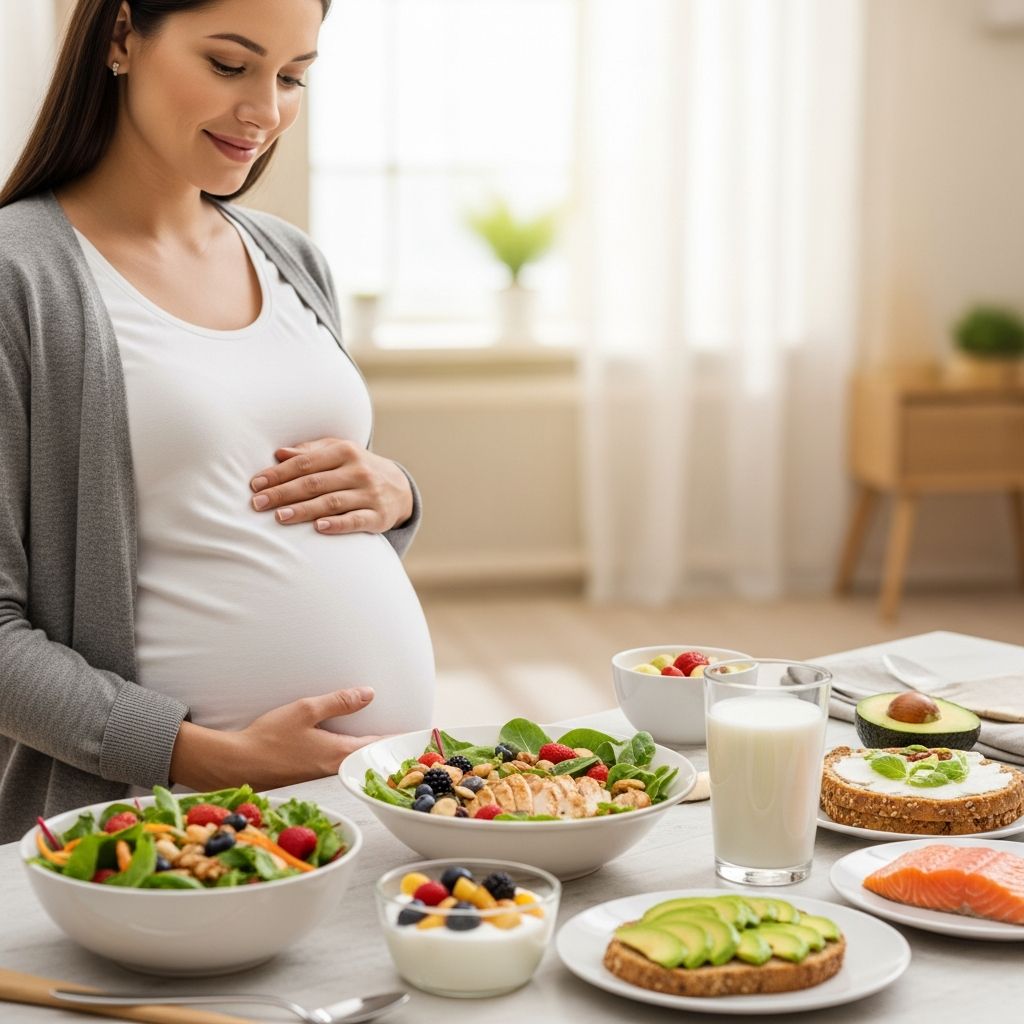
Reassessing Dietary Choices During Pregnancy
Pregnancy represents one of life’s most transformative periods, bringing with it profound physical and emotional changes. Among these changes, many expectant mothers discover that their dietary preferences and eating patterns shift significantly. What once felt like a firm commitment—whether to plant-based eating, specific food preferences, or nutritional philosophies—may suddenly feel negotiable or uncertain when faced with the responsibility of nourishing a developing human being inside your body.
This phenomenon is more common than many pregnant individuals realize. Women who have maintained consistent dietary practices for years sometimes find themselves reconsidering their choices during pregnancy. These shifts don’t represent failure or weakness; rather, they reflect the body’s changing demands and a natural instinct to prioritize fetal development and maternal wellness during this critical window.
The Complexity of Plant-Based Pregnancy
Plant-based diets offer numerous health advantages for the general population. Research consistently demonstrates that individuals following vegetarian or vegan eating patterns experience lower rates of cardiovascular disease, obesity, hypertension, and type 2 diabetes compared to their omnivorous counterparts. The emphasis on whole foods, abundant produce, and reduced saturated fat intake creates a foundation for preventive health.
However, pregnancy introduces a new layer of complexity to plant-based eating. The developing fetus requires sustained access to specific nutrients that support organ formation, bone development, neurological growth, and cellular expansion. While a well-designed plant-based diet can theoretically provide these nutrients, the practical reality proves more challenging for many expectant mothers.
Research has identified specific nutritional gaps common in plant-based diets, particularly regarding protein, vitamin B12, iron, calcium, vitamin D, zinc, iodine, and omega-3 fatty acids. During pregnancy, the body’s requirements for many of these nutrients increase substantially, making their adequate intake even more critical. A pregnant individual eating a plant-based diet must engage in deliberate meal planning and often supplementation to close these nutritional gaps.
Understanding Pregnancy Cravings as Nutritional Signals
Pregnancy cravings deserve serious attention rather than dismissal as mere whimsy. When an expectant mother who has been vegan for years suddenly experiences intense cravings for animal products, this often signals nutritional needs her body is attempting to meet. Cravings for meat, dairy, or eggs frequently indicate deficiencies in iron, vitamin B12, protein, or other nutrients concentrated in animal-derived foods.
The human body possesses sophisticated mechanisms for signaling nutritional deficiency. When pregnant individuals experience cravings outside their established dietary framework, these cravings warrant investigation rather than resistance. Some women find that honoring these cravings—even temporarily—alleviates fatigue, supports stable energy levels, and improves overall well-being during pregnancy.
This doesn’t necessarily mean permanently abandoning a plant-based identity. Instead, it reflects a pragmatic approach to pregnancy nutrition: prioritizing fetal development and maternal health while remaining flexible about the specific dietary path used to achieve these goals.
Documented Challenges with Strict Plant-Based Pregnancy Diets
Scientific research has identified measurable differences in pregnancy outcomes between women following strict vegan diets and those consuming more varied diets. A notable study of over 66,000 Danish women found that those adhering exclusively to vegan diets delivered babies weighing approximately 240 grams less on average—a difference equivalent to about one week of typical fetal weight gain during the third trimester.
The same research documented elevated preeclampsia risk among vegan participants, though researchers noted this finding may reflect the small sample size of vegan subjects in the study. Additionally, plant-based pregnant individuals frequently demonstrate lower protein intake compared to recommended levels, with research showing that approximately half of vegan mothers in studies consumed protein below current recommendations.
These findings don’t indicate that plant-based pregnancy is inherently dangerous or impossible. Rather, they highlight that maintaining optimal nutrition while pregnant and plant-based requires exceptional diligence, comprehensive supplementation, and careful monitoring by knowledgeable healthcare providers.
The Role of Supplementation and Nutrient Optimization
Successfully sustaining a plant-based diet during pregnancy relies heavily on supplementation and strategic food selection. Iron supplementation proves particularly important, as the body absorbs plant-based iron less efficiently than iron from animal sources. Pairing plant-based iron sources with foods rich in vitamin C enhances absorption rates, but many pregnant individuals find supplemental iron necessary to reach adequate levels.
Vitamin B12 requires supplementation for all vegans, regardless of pregnancy status, as this nutrient occurs naturally only in animal products and fortified foods. Pregnant individuals need particularly reliable B12 intake to prevent both maternal deficiency and potential fetal neurological complications.
Additional supplements commonly recommended for plant-based pregnant individuals include vitamin D, calcium (especially for those avoiding fortified plant milks), zinc, iodine, and algae-based omega-3 fatty acids. This supplementation regimen represents a significant commitment to maintaining dietary integrity while meeting fetal nutritional demands.
Potential Benefits of Plant-Based Pregnancy Nutrition
Despite the challenges, well-executed plant-based diets during pregnancy do offer measurable benefits. The high fiber content, abundance of antioxidants, and reduced saturated fat typical of plant-based eating correlate with reduced rates of certain pregnancy complications. Women following plant-based diets show lower incidence of gestational diabetes, particularly when their diets emphasize whole grains, legumes, and vegetables while minimizing processed foods.
The protective effects against preeclampsia—high blood pressure during pregnancy—represent another significant advantage of plant-based eating when done well. A review of health-conscious vegan mothers who received excellent prenatal care and proper supplementation showed remarkably low preeclampsia rates, suggesting that diet quality and medical support substantially influence outcomes.
Additionally, research indicates that maternal plant-based diet consumption may reduce offspring risk for certain childhood conditions including asthma, eczema, diabetes, and some malignancies. These long-term protective effects underscore the potential value of plant-based pregnancy nutrition.
Personal Decision-Making Around Dietary Flexibility
The decision to modify dietary practices during pregnancy represents a deeply personal choice, influenced by individual values, health status, practical circumstances, and professional medical guidance. Some expectant mothers find that maintaining strict plant-based diets remains both feasible and aligned with their values. Others discover that temporary flexibility during pregnancy allows them to return to plant-based eating postpartum.
Neither choice warrants judgment. A woman who remains vegan throughout pregnancy while engaging in meticulous planning, supplementation, and medical monitoring is making a valid choice. Equally valid is the choice to incorporate animal products during pregnancy to simplify nutrition management and reduce anxiety about meeting fetal needs.
What matters most is that the approach chosen—whatever form it takes—genuinely supports both maternal wellbeing and fetal development. An expectant mother who resents her dietary restrictions and experiences constant anxiety about nutritional adequacy may not optimize her health or that of her developing baby. Conversely, thoughtful flexibility that reduces stress while ensuring nutrient sufficiency supports positive pregnancy outcomes.
Navigating Healthcare Provider Conversations
Open communication with obstetricians and prenatal healthcare providers proves essential when following or considering plant-based eating during pregnancy. Many conventional medical providers possess limited training in plant-based nutrition and may default to recommending omnivorous diets. Others demonstrate genuine expertise in supporting plant-based pregnant individuals.
Seeking providers familiar with plant-based pregnancy nutrition—whether registered dietitians specializing in prenatal care or physicians with evidence-based knowledge of this area—significantly improves outcomes. These professionals can assess individual risk factors, recommend targeted supplementation, monitor relevant blood markers through testing, and provide guidance specific to each person’s circumstances.
Blood work screening becomes particularly valuable for plant-based pregnant individuals. Regular monitoring of iron levels, vitamin B12, vitamin D, and other key nutrients allows early detection of deficiencies before they impact fetal development, enabling timely intervention through increased supplementation or dietary modifications.
The Postpartum Transition
Many women who modify their diets during pregnancy find the postpartum period presents an opportunity to reassess their eating patterns. Some return enthusiastically to strict plant-based eating, discovering that their pregnancy-era dietary flexibility was temporary and situation-specific. Others maintain modifications, finding that they’ve developed different preferences or priorities regarding food.
If returning to plant-based eating postpartum, breastfeeding individuals need to ensure continued adequate nutrition, as nursing demands significant maternal nutritional resources. The postpartum period offers a natural moment to evaluate how plant-based eating can be structured to support both personal health and the demands of early parenthood.
Key Nutritional Requirements During Pregnancy
Understanding specific nutrient needs helps contextualize dietary decisions during pregnancy. The following table outlines critical nutrients and their importance during gestation:
| Nutrient | Function During Pregnancy | Plant-Based Sources | Supplementation Often Needed? |
|---|---|---|---|
| Protein | Supports fetal tissue development and maternal blood volume expansion | Legumes, tofu, tempeh, nuts, seeds, whole grains | Strategic food combining recommended |
| Vitamin B12 | Essential for fetal neurological development and DNA synthesis | Fortified plant milks, nutritional yeast, supplements | Yes, supplementation essential |
| Iron | Supports increased maternal blood volume and fetal hemoglobin | Leafy greens, legumes, fortified cereals, seeds | Often beneficial; absorption enhanced with vitamin C |
| Calcium | Builds fetal skeletal structure; maintains maternal bone health | Fortified plant milks, leafy greens, tahini, tofu | May be needed if inadequate food sources |
| Omega-3 Fatty Acids | Supports fetal brain and eye development | Flaxseeds, chia seeds, walnuts, algae supplements | Algae-based DHA supplement often recommended |
Making an Informed Decision: Questions to Consider
When deciding whether to maintain or modify plant-based eating during pregnancy, consider the following:
- How consistently have you been able to meet nutrient requirements on a plant-based diet prior to pregnancy?
- Are you experiencing specific cravings that might indicate nutritional needs?
- Do you have access to knowledgeable prenatal healthcare providers experienced with plant-based pregnancy?
- Are you willing to engage in comprehensive supplementation and careful meal planning?
- How central is plant-based eating to your identity and values, and how might temporary modifications affect your wellbeing?
- What are your energy levels, general health status, and any individual risk factors for pregnancy complications?
- What support systems do you have for nutritional guidance and prenatal care?
Frequently Asked Questions
Is it safe to remain vegan throughout pregnancy?
Yes, when done carefully with proper supplementation, healthcare oversight, and nutrient-dense food selection. However, it requires significant planning and commitment to meet all fetal nutritional needs.
What should I do if I’m craving meat during pregnancy but want to stay vegan?
Discuss these cravings with your healthcare provider, as they often indicate nutritional deficiencies. Consider targeted supplementation, increased protein intake from plant sources, and iron-rich foods with vitamin C. Some individuals find that occasional inclusion of animal products temporarily satisfies cravings and nutritional needs.
Which supplements are absolutely essential for plant-based pregnancy?
Vitamin B12 supplementation is non-negotiable for all vegans. Iron supplementation is typically recommended. Additionally, vitamin D, omega-3 (algae-based DHA), and potentially calcium and iodine should be discussed with your healthcare provider based on individual assessment.
Can I return to a strictly plant-based diet after pregnancy?
Many women successfully return to plant-based eating postpartum. The postpartum period offers an opportunity to reassess your dietary approach and establish a sustainable long-term pattern that works for your circumstances.
Will modifying my diet during pregnancy mean I’m “giving up” my values?
Dietary flexibility during pregnancy reflects pragmatism, not abandonment of values. Prioritizing fetal health and maternal wellbeing during this critical period can align with deep values about nurturing and protection. Many individuals maintain their broader ethical commitments while making temporary dietary adjustments during pregnancy.
How do I find healthcare providers knowledgeable about plant-based pregnancy?
Seek registered dietitian nutritionists specializing in prenatal and plant-based nutrition, or ask your obstetrician for referrals to colleagues with evidence-based knowledge of plant-based pregnancy. Organizations focused on plant-based nutrition may also provide provider referrals.
References
- Is It Safe to Eat a Vegan Diet While Pregnant? — WebMD. Accessed 2024. https://www.webmd.com/baby/is-it-safe-to-eat-a-vegan-diet-while-pregnant
- Vegan Diet in Pregnancy Linked to Lower Birth Weight and Higher Preeclampsia Risk — March of Dimes. 2024. https://www.marchofdimes.org/our-work/research/blog/vegan-diet-during-pregnancy-linked-lower-birth-weight-baby-higher-preeclampsia-risk-mom
- Is It Safe to Eat Plant-Based While Pregnant? — University of Michigan School of Public Health. 2022. https://sph.umich.edu/pursuit/2022posts/safe-to-eat-plant-based-while-pregnant.html
- The Effects of Vegetarian and Vegan Diet during Pregnancy and Lactation — National Center for Biotechnology Information (PMC). https://pmc.ncbi.nlm.nih.gov/articles/PMC6470702/
- Vegan Pregnancy Diet — Genesis OBGYN Phoenix AZ. 2024. https://genesisobgyn.net/vegan-pregnancy-diet/
- Is It Safe To Be a Vegan While Pregnant? — Veganuary USA. https://veganuary.com/en-us/safe-vegan-pregnancies/