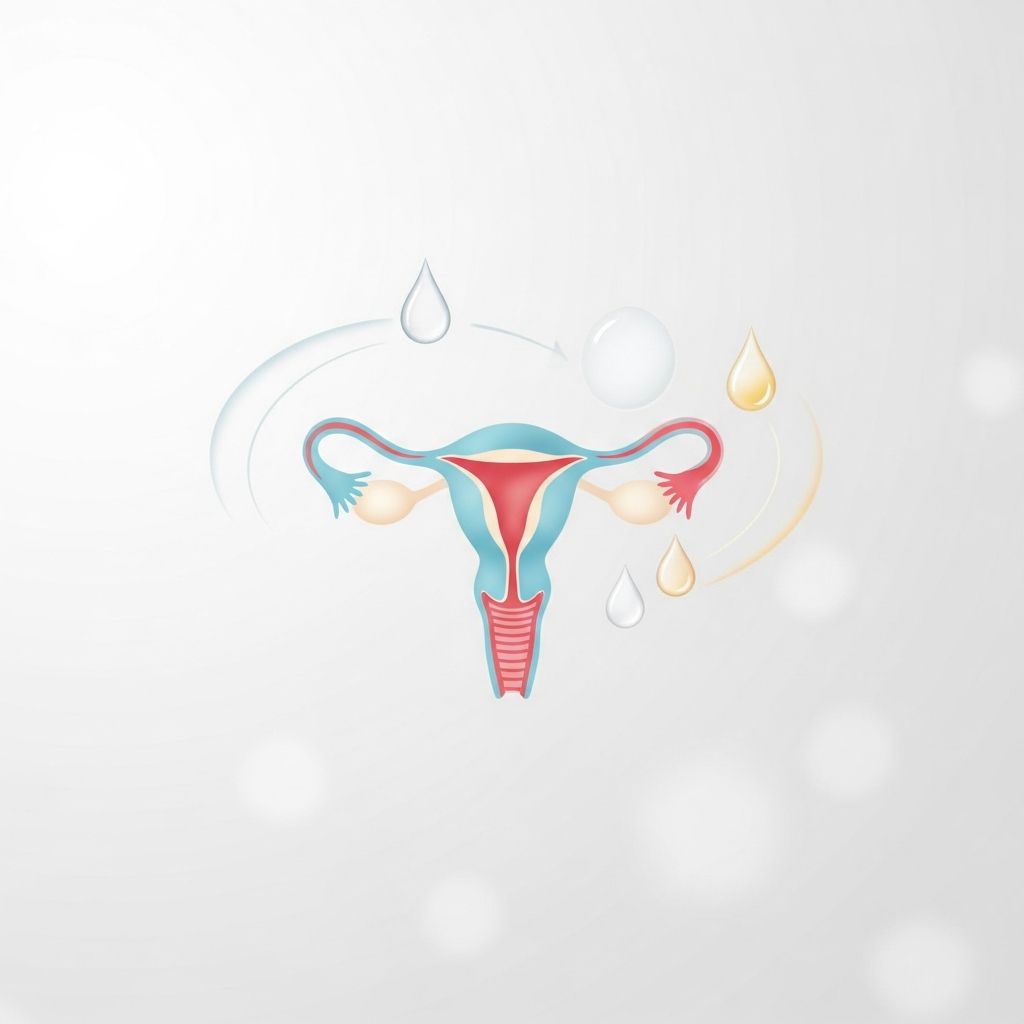
Vaginal discharge is a normal part of puberty and growing up, but it can also be confusing, embarrassing, and even a little scary when it suddenly looks, smells, or feels different. This guide breaks things down in simple language so you can understand what is normal, what might be a sign of a problem, and when to ask a health professional for help.
What Is Vaginal Discharge?
Vaginal discharge is fluid made by glands in the vagina and cervix that helps keep the vagina clean and healthy. It carries away old cells and keeps the area moist, similar to how tears protect the eyes or saliva keeps the mouth from drying out.
Discharge usually appears around the time puberty starts and can change in amount, color, and thickness through the month. These changes are often related to hormones and the menstrual cycle.
Normal Discharge: How It Usually Looks and Feels
Normal vaginal discharge can vary from person to person, and it can even look different at different times for the same person. In most cases, normal discharge:
- Is clear, cloudy, or white.
- Has little or no odor.
- Does not cause itching, burning, or pain.
- May increase in amount around ovulation (about halfway between periods) or before your period.
Many teens notice a small amount of discharge in their underwear most days. This is usually a sign that the vagina is doing its job, not that something is wrong.
Normal vs. Abnormal: Quick Comparison
| Feature | More Likely Normal | Possible Problem |
|---|---|---|
| Color | Clear, whitish, or slightly cloudy | Yellow, green, gray, or bloody (not from a period) |
| Smell | Mild or no noticeable odor | Strong, fishy, musty, or foul odor |
| Texture | Thin, stretchy, or slightly thick | Very thick and clumpy, or very frothy and bubbly |
| Symptoms | No itching, burning, or pain | Itching, burning, redness, swelling, or pain |
| Other signs | Comes and goes with your cycle | Comes with pelvic pain, pain during sex, or pain when peeing |
Common Causes of Abnormal Discharge
Sometimes discharge changes because of an infection or irritation. These problems are very common and can usually be treated, but they should not be ignored. Only a health professional can make a diagnosis, but it helps to know the possibilities.
Yeast Infections (Candida)
A yeast infection happens when a kind of fungus that normally lives in the vagina grows too much. It is not usually sexually transmitted and can happen even if you have never had sex.
Typical clues of a yeast infection include:
- Thick, white discharge that may look similar to soft cheese.
- Intense itching around the vulva (the outer genital area).
- Redness, swelling, or soreness.
- Burning or discomfort when peeing or during sex.
Bacterial Vaginosis (BV)
Bacterial vaginosis happens when the usual balance of bacteria in the vagina changes and certain bacteria grow more than others. It is common in people who are sexually active, but it can also occur in those who have never had sex.
Possible signs of BV include:
- Thin, white or gray discharge.
- Strong or fishy odor, often more noticeable after sex or during a period.
- Mild irritation or no itching at all in some cases.
Sexually Transmitted Infections (STIs)
Some sexually transmitted infections can cause changes in discharge. If you have ever had any kind of sexual contact (including oral or anal sex, or genital-to-genital contact without penetration), it is important to think about STIs as a possible cause.
Certain STIs that may change discharge include:
- Chlamydia and gonorrhea – can cause increased discharge, pelvic pain, pain when peeing, or bleeding between periods, but sometimes have no symptoms.
- Trichomoniasis – can cause frothy, yellow-green discharge with a strong odor, itching, and discomfort.
- Viral infections – such as genital herpes or certain types of HPV, which may cause sores, warts, or irritation along with discharge changes.
Some people with STIs feel completely fine. That is why regular testing is important if you are sexually active, even if you feel healthy.
Noninfectious Irritation
Not all abnormal discharge is caused by germs. The vagina and vulva can also be irritated by everyday products and habits. This irritation can lead to burning, redness, and unusual discharge without an actual infection.
Potential irritants include:
- Scented soaps, bubble baths, or body washes.
- Perfumed pads, panty liners, or tampons.
- Harsh laundry detergents or fabric softeners.
- Tight clothing that traps heat and moisture, like non-breathable leggings or underwear.
- Vaginal douches or “cleansing” products meant to be used inside the vagina.
Warning Signs: When Discharge Needs Medical Attention
Even though many discharge changes are treatable, some symptoms mean you should reach out to a health professional as soon as you can. If possible, try not to feel embarrassed—providers see these problems all the time.
Contact a doctor, nurse, or clinic if you notice:
- Yellow, green, gray, or bloody discharge that is not from a period.
- Strong, fishy, or foul odor that does not go away.
- Severe itching, burning, or swelling around the vulva or vagina.
- Pain in the lower belly or pelvis.
- Pain or burning when you pee.
- Pain during sex or bleeding after sex.
- Blisters, sores, or warts in the genital area.
- A new discharge problem after unprotected sex or a new partner.
How Doctors Figure Out What’s Going On
If you see a health professional for discharge, they will usually start by asking questions about your symptoms, your period, and whether you are sexually active. Honesty helps them give you the best care; their job is to help, not to judge.
Depending on your situation, they may:
- Do a gentle exam of the outside of the vulva and sometimes the inside of the vagina.
- Take a small sample of discharge with a cotton swab for testing.
- Recommend urine or blood tests if they are checking for STIs.
Treatment usually depends on the cause and may include antifungal medicine for yeast, antibiotics for BV or bacterial STIs, or antiviral medicines for some viral infections. It is very important to take all medicine exactly as prescribed, even if you start to feel better earlier.
Everyday Habits That Support Vaginal Health
Some simple daily choices can make a big difference in keeping the vagina comfortable and reducing the chance of irritation or infection. These tips are for general comfort and do not replace medical care if you already have symptoms.
- Choose breathable underwear: Cotton underwear lets air flow and helps the area stay dry. Try to avoid underwear made of fabrics that trap sweat and moisture for long periods.
- Avoid harsh soaps: Use mild, unscented soap on the outside only. The inside of the vagina cleans itself and does not need soap or special washes.
- Skip douching: Douching (rinsing inside the vagina) can upset the natural balance of bacteria and increase the risk of infections.
- Change out of wet clothes: After swimming, sports, or a sweaty workout, change into dry underwear and clothes as soon as you can.
- Use pads and tampons wisely: Change tampons every few hours and do not leave one in longer than recommended on the package. Remember to remove the last tampon at the end of your period.
If You Are Sexually Active
If you have any kind of sexual contact, it is important to think about both pregnancy prevention and protection from infections. Discharge changes can sometimes be the first sign that something is wrong—but not always.
Safer sex steps include:
- Using condoms or other barrier methods every time you have sex.
- Getting regular STI testing based on your doctor’s advice.
- Talking honestly with partners about sexual health and testing.
- Avoiding sex if you or your partner have signs of an infection, such as sores or unusual discharge.
Emotional Side: Feeling Embarrassed or Worried
Vaginal discharge is a topic many people are shy to talk about, even with close friends. It is easy to feel embarrassed, dirty, or worried that something is wrong with you. In reality, discharge is a normal body function, and problems with it are common and treatable.
It can help to:
- Remind yourself that everyone with a vagina has discharge; it is not a sign of being “gross.”
- Talk with a trusted adult, such as a parent, school nurse, or another caregiver, if you feel safe doing so.
- Write down your symptoms and questions before a medical visit so you feel more prepared.
Frequently Asked Questions
Is it normal to have discharge every day?
Many teens have a small amount of discharge most days, and this can be completely normal. What matters more is whether the discharge looks and smells usual for you and whether it causes any discomfort.
Why does my discharge change during the month?
Hormones that control your menstrual cycle also influence your discharge. Around ovulation, discharge can become clearer and stretchier, while before your period it may become thicker or heavier. These changes are usually a normal part of the cycle.
Can I get a yeast infection even if I have never had sex?
Yes. Yeast infections are often related to changes in hormones, moisture, antibiotics, or irritation and do not require sexual activity to develop. Being sexually active is just one of many factors that can affect the vaginal environment.
Should I use feminine sprays or washes to smell “fresh”?
Using scented sprays, wipes, and douches inside or near the vagina can actually cause irritation and make problems worse. A mild, unscented soap on the external area and regular bathing are usually enough for normal hygiene.
What if I am too embarrassed to talk to my parents?
If you do not feel comfortable talking with a parent or caregiver, consider speaking with a school nurse, counselor, or a teen health clinic. Many places allow teens to ask private questions and get care without a parent in the room, depending on local laws.
Can I treat discharge problems with home remedies or over-the-counter products?
Some over-the-counter products are meant for yeast infections, but it is easy to guess wrong about the cause. Using the wrong treatment can delay proper care and sometimes make symptoms worse. It is safer to check with a health professional before treating yourself, especially if this is your first time having symptoms.
What should I track to help my doctor?
Keeping a simple log can help your provider understand what is going on. You can note the color, smell, and texture of the discharge, any related symptoms (like itching or pain), where you are in your cycle, and any new products, medicines, or sexual activity.
Key Takeaways
- Some discharge is a normal and healthy part of puberty and the menstrual cycle.
- Big changes in color, smell, or texture, or symptoms like itching, burning, pain, or sores, may signal an infection or irritation.
- Most discharge problems can be treated, but a health professional needs to figure out the cause.
- Good hygiene, breathable underwear, and avoiding harsh products can support vaginal health.
- There is no shame in asking for help—your health and comfort matter.