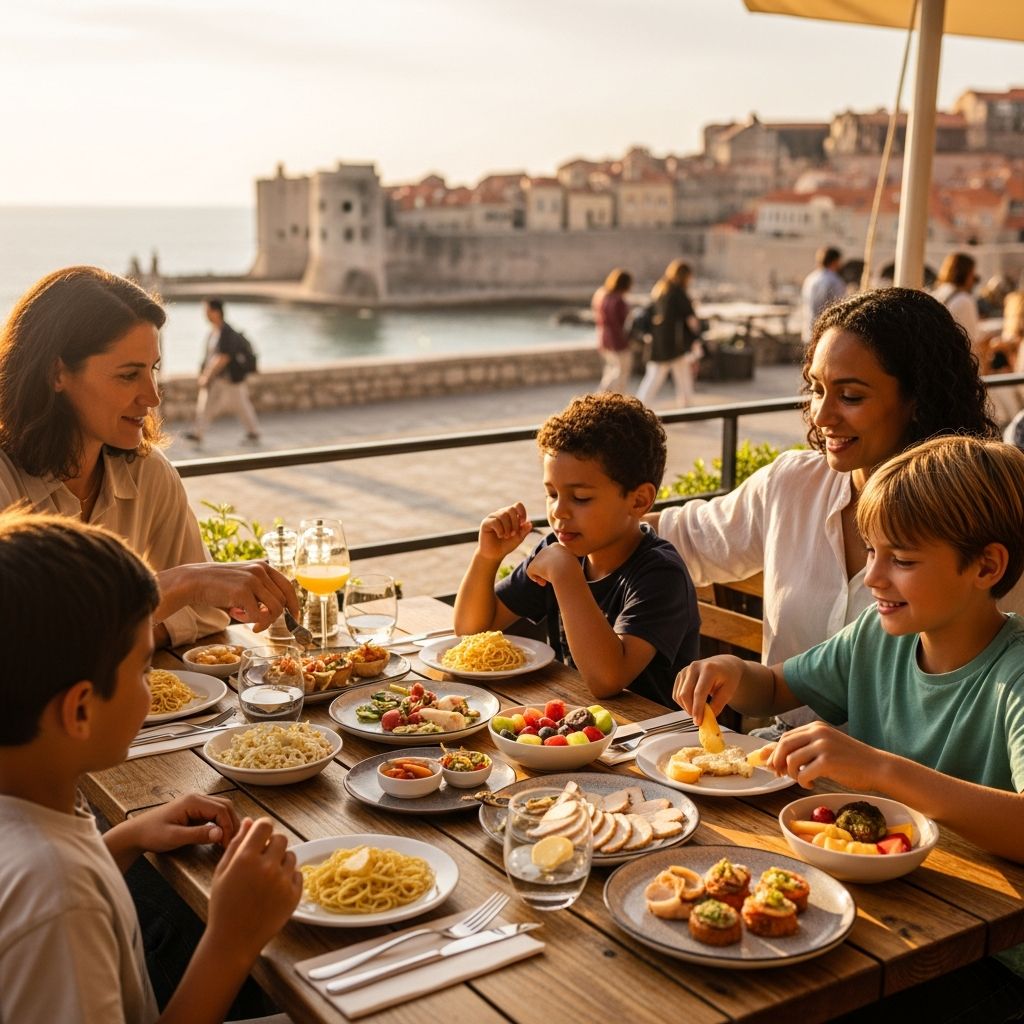
Navigating Restaurant Meals With Selective Eaters During Vacation
Family vacations represent opportunities for bonding and creating lasting memories, yet the dining experience can become a significant source of stress when traveling with children who have restrictive eating preferences. Many parents find themselves navigating limited menu options, managing behavioral challenges, and worrying whether their child will actually consume a satisfying meal. The good news is that with thoughtful preparation and strategic approaches, dining out with selective eaters can transform from a dreaded obligation into an enjoyable part of the vacation experience.
The Importance of Pre-Trip Research and Planning
The foundation for successful restaurant experiences begins long before arriving at your vacation destination. Investing time in researching dining establishments accessible from your accommodations significantly reduces stress and increases the likelihood of positive meal outcomes. Effective planning involves examining multiple restaurants in your destination area and evaluating their menus in advance, ensuring at least two to three viable options exist for your child’s preferences.
Begin by identifying restaurants that either feature comprehensive children’s menus or demonstrate flexibility with customization requests. Many establishments, even upscale dining venues, welcome requests for modifications that accommodate younger diners. Look beyond establishments specifically marketed as family restaurants; many fine dining establishments prove surprisingly accommodating. Visit restaurant websites and review their online menus thoroughly, noting which dishes could be adapted or simplified for your child’s palate.
Preparing Your Child Before Departure
Children often respond positively when they understand what to expect. Begin introducing your child to the cuisine typical of your destination several weeks before traveling. If visiting an area known for specific culinary traditions, prepare familiar meals inspired by that region’s food culture. This gradual exposure normalizes different flavors and textures, potentially reducing resistance when dining out during your trip.
Discussing upcoming restaurant visits with your child allows them to mentally prepare and feel involved in the experience. Children who participate in planning often demonstrate increased willingness to engage with food options because they feel ownership of the decision-making process. Share photos of potential restaurants and their menus with your child, discussing options and allowing them input into which establishments appeal to them.
Empowering Children Through Menu Selection
Granting children decision-making authority regarding restaurant choices yields surprising benefits. Rather than parents unilaterally selecting dining establishments, present pre-vetted options to your child and allow them to choose which restaurant to visit. This simple shift transfers control to the child, transforming the dining experience from something imposed upon them to something they’ve actively selected.
Once seated at a restaurant, resist the impulse to guide your child’s menu decisions. Instead of suggesting specific dishes or making recommendations, encourage your child to independently review the menu and communicate their choice. This autonomy often translates to greater willingness to consume the selected meal, simply because the decision originated with the child rather than a parent directive.
Strategic Menu Navigation and Ordering Techniques
Modern restaurants increasingly accommodate creative ordering requests. When your child cannot find a suitable prepared dish on the menu, don’t hesitate to inquire about customization options. Servers and chefs frequently accommodate requests for simplified versions of menu items—such as grilled cheese sandwiches, plain pasta with butter, or other basic preparations.
Utilize the flexibility of à la carte ordering when available. Rather than purchasing complete entrées, consider ordering individual side dishes that appeal to your child. Many establishments allow substitutions from their side menu, enabling your child to construct a meal combining only the components they’ll actually eat. While this approach may increase the overall bill, it eliminates the frustration of wasted food and provides your child with a satisfying meal.
Family-style dining presents particular advantages for selective eaters. In restaurants offering communal plates—such as Asian establishments with lazy susans or tapas-style restaurants—children exercise control over portion sizes and food selection. This format reduces the psychological pressure some selective eaters experience when confronted with a full plate of unfamiliar foods, allowing them to sample small quantities of various dishes.
Establishing Consistent Meal Timing
Maintaining regular meal schedules throughout your vacation significantly impacts your child’s appetite and willingness to try new foods. Children who arrive at restaurants excessively hungry often display greater behavioral flexibility and reduced pickiness. Aim to schedule breakfast, lunch, and dinner at consistent times each day, mirroring your home routine as closely as possible.
Strategic snacking control becomes crucial when maintaining this schedule. Excessive snacking throughout the day diminishes appetite at mealtime, reducing incentive to consume restaurant food. By limiting between-meal eating and maintaining consistent mealtimes, you ensure your child arrives at restaurants genuinely hungry, naturally increasing their willingness to eat what’s available.
Making Dining Into an Engaging Experience
Transforming restaurant meals from obligatory events into entertaining activities shifts children’s attitudes toward the experience. One effective approach involves creating a vacation food journal where your child documents and rates each restaurant visited. Establish criteria for evaluation—such as presentation quality, flavor appeal, and portion size—and have your child assign ratings or scores to each meal. This gamification approach often encourages children to try new items simply to complete their documentation.
The novelty factor provides another powerful tool. Occasionally break conventional dining patterns by having breakfast for dinner, enjoying meals in unusual locations such as hotel rooms or outdoor spaces, or exploring restaurants with distinctive themes. This unpredictability captures children’s attention and interest, potentially reducing focus on pickiness while increasing engagement with the food experience.
Maximizing Breakfast as a Strategic Opportunity
Breakfast typically represents the meal over which parents exercise maximum control. Hotel breakfast buffets, room service options, and casual breakfast establishments generally offer familiar foods that appeal to selective eaters. Capitalize on this advantage by ensuring your child consumes a substantial, satisfying breakfast containing adequate protein, healthy fats, and carbohydrates. A well-nourished child at breakfast often demonstrates improved flexibility and reduced pickiness during subsequent meals.
If your hotel’s breakfast offerings don’t align with your child’s preferences, consider bringing portable breakfast items from home. Non-perishable options such as granola bars, dried fruit, or other shelf-stable foods provide backup nutrition when restaurant breakfast selections prove unsatisfactory.
The Power of Modeling and Taste-Testing
Children frequently develop food preferences through observation of parental eating patterns. When you enthusiastically consume unfamiliar dishes and express genuine enjoyment, your child naturally becomes curious. Offer small tastes of your meal to your child, allowing them to sample without committing to ordering an entire portion. This low-pressure approach often succeeds where direct encouragement fails.
Additionally, when your child hesitates about consuming an ordered dish, demonstrate your own enthusiasm for the food. Ask for a taste of their selection and express genuine appreciation for the flavors and preparation. Your positive modeling frequently overcomes initial resistance, encouraging your child to reconsider their skepticism.
The Five-Bite Rule and Gradual Exposure
Research suggests children require multiple exposures to new foods—sometimes fifteen or more—before developing a preference. Implement a structured approach by establishing a rule that your child must consume at least five full bites of any ordered dish before declaring dislike. Explain that foods deserve fair evaluation and that snap judgments based on limited sampling don’t provide adequate assessment.
This technique serves dual purposes: it prevents premature rejection of dishes that might actually appeal to your child upon genuine tasting, and it gradually exposes children to diverse flavors, supporting development of expanded food preferences. Frame the rule positively as a way to be fair to the chef and the restaurant’s effort in preparing the meal.
Leveraging Condiments and Flavor Enhancers
Condiments represent underutilized tools for encouraging selective eaters to try new foods. Ketchup, in particular, appeals broadly to children and can make otherwise unappealing foods more palatable. Don’t hesitate to request condiments even at establishments where they seem unconventional—most restaurants will accommodate such requests without resistance.
Allowing children to control condiment application provides autonomy and often increases willingness to taste foods they might otherwise refuse. Whether it’s adding ranch dressing, barbecue sauce, or other flavor additions, giving children this control frequently results in increased food consumption.
Alternative Dining Timing Strategies
Consider exploring non-traditional dining times that offer practical advantages for families with selective eaters. Happy hour periods, typically occurring in late afternoon, present several benefits: earlier timing prevents hunger-related irritability, reduced pricing makes experimental ordering less financially consequential, and fewer patrons mean less social pressure on both child and parents.
Lunch often presents an intermediate option between breakfast and dinner, with many restaurants offering smaller portions or lighter fare that may appeal to children with restricted palates. Exploring diverse meal times throughout your vacation prevents dining monotony while strategically matching meals to your child’s appetite patterns.
Managing Expectations and Maintaining Flexibility
Despite thorough planning, some meals won’t proceed as anticipated. Children have variable days, and restaurants occasionally fail to deliver expected quality. Rather than treating these moments as failures, view them as opportunities for teaching resilience and adaptability. Always maintain backup meal options—portable snacks, nearby quick-service establishments, or hotel room amenities—ensuring your child won’t go hungry if a planned restaurant experience disappoints.
Communicate with your child before difficult meals that they might experience new foods, but that you’ll support them throughout the experience. Set realistic expectations rather than promising that every meal will be perfect, acknowledging that vacation dining sometimes involves trying unfamiliar offerings.
Frequently Asked Questions
Q: What should I do if my child refuses to eat anything available at a restaurant?
A: Request off-menu items from the kitchen—most chefs will prepare basic options like plain pasta, grilled cheese, or simple proteins. If the restaurant cannot accommodate, order something your child will eat, or return to your accommodation and provide a meal from backup options you’ve prepared.
Q: How can I prevent my child from filling up on snacks before mealtime?
A: Maintain a structured schedule with consistent meal times and strictly limit between-meal snacking. Communicate clear expectations to your child about snack timing and quantities, helping them understand that snacking reduces appetite at mealtimes.
Q: Is it acceptable to let my child order only side dishes as a complete meal?
A: Yes, many selective eaters thrive when ordering à la carte sides that appeal to them. While this may cost more, it ensures your child receives adequate nutrition and avoids wasting uneaten full entrées. Combine complementary sides to create a balanced meal.
Q: How do I encourage my child to try new foods without creating stress?
A: Avoid pressure or punishment around food. Instead, model enthusiasm for new foods, offer small taste opportunities without obligation, and use positive reinforcement when your child experiments with unfamiliar items. Make trying new foods feel like an adventure rather than an obligation.
Q: What’s the best approach when other family members criticize my child’s eating during vacation meals?
A: Establish boundaries by politely redirecting conversations that shame or pressure your child about food choices. Privately communicate with family members that negative commentary is counterproductive and request support in maintaining a positive, pressure-free dining environment.
Q: Should I introduce my child to local cuisine before vacation?
A: Yes, preparing your child by serving regional dishes several weeks before travel helps normalize different flavors and textures. This exposure often reduces resistance and increases openness to trying authentic local foods during your vacation.
References
- Tips For Traveling With Picky Eaters — CBS New York. 2024. https://www.cbsnews.com/newyork/news/tips-for-traveling-with-picky-eaters/
- 21 Tested Ways to Help Picky Kids Eat on Vacation — Wanderlust and Wet Wipes. 2024. https://www.wanderlustandwetwipes.com/tips/15-helpful-tips-for-travelling-with-picky-eaters/
- 11 Tips for Vacationing with Picky Eaters: A Guide for Parents — Autism Dietitian. 2024. https://www.autismdietitian.com/blog/11-tips-for-vacationing-with-picky-eaters
- How to Make Your Picky Kids Eat on Vacation — To and Fro Family. 2024. https://toandfrofam.com/make-kids-eat-vacation/
- The 7 Best Tips for Traveling Stress-Free With Your Picky Eater — Nutrition in Bloom. 2024. https://nutritioninbloom.com/blog/traveling-with-your-picky-eater