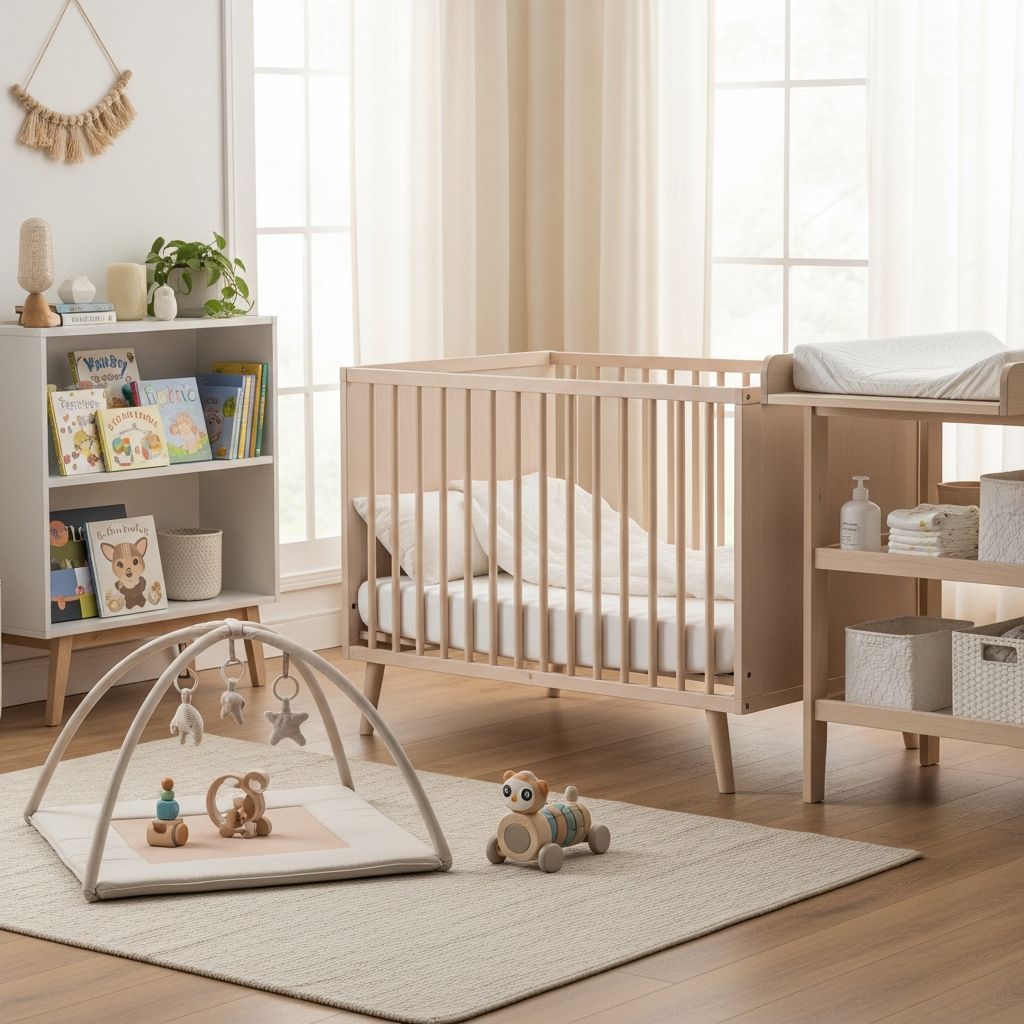
Modern parents are overwhelmed with gadgets that promise quieter nights, cleaner diapers, and perfectly stimulated babies. Yet many of these products end up shoved in a closet, barely used, and eventually resold for a fraction of the price. This guide cuts through the noise and focuses on what you can confidently skip, and what actually deserves space in your home.
Why So Much Baby Gear Feels Useless
Baby products are marketed to anxious new parents, playing on fears of doing things “wrong” or not providing enough. The result is a house full of specialized items for problems that could be solved with basics you already own. Instead of starting with a long shopping list, it helps to ask one question: “What real problem does this fix, and do I already have a simple solution?”
Babies also grow at astonishing speed, so anything that works for only a few weeks is immediately at risk of joining the pile of regret purchases. Gear that is hard to clean, difficult to store, or too complicated to assemble quickly loses its charm once real-life exhaustion sets in.
Overhyped Comfort Gadgets You Can Live Without
Many comfort-focused products sound soothing in theory but make very little difference in reality. Often, the most effective solutions are the simplest and least expensive.
- Wipe warmers: They take up outlet space, dry out wipes, and become one more thing to clean. Most babies tolerate room-temperature wipes just fine once you’re efficient with changes.
- Dedicated diaper cream spatulas: Hands already get messy during changes, and a quick wash works better than juggling a plastic tool in the middle of a blowout.
- Fancy baby robes and slippers: They look adorable in photos but are impractical, rarely worn, and get in the way of safe sleep and easy diaper access.
Instead of buying niche comfort gadgets, prioritize soft clothing that’s easy to get on and off, and a simple, well-organized changing area that you can use in the middle of the night without thinking.
“Single-Purpose” Items That Duplicate What You Already Own
Another category of commonly useless baby gear is the single-purpose product that replicates something you can do with regular household items. These items usually look appealing because they’re labeled “for baby,” but functionally they add very little.
- Pacifier wipes and snot wipes: Regular tissues, a clean washcloth, or plain water handle the same job without a specialty label or extra cost.
- Bath thermometers shaped like toys: Your elbow or wrist is more than enough to gauge safe water temperature, and you avoid yet another gadget that can break or mold.
- Special baby laundry detergent: Unless your baby has specific skin sensitivities, a mild, fragrance-free family detergent generally works fine for everyone in the household.
Before adding any single-use item to your cart, ask whether an existing towel, bowl, detergent, or cloth already does the job. Most of the time, the answer is yes.
Newborn Clothing and Bedding You Don’t Need
Clothing is where many parents unintentionally overspend, especially when friends and relatives love giving tiny outfits as gifts. The reality is that babies care more about comfort and easy diaper changes than picture-perfect style.
- Excessive newborn-sized outfits: Babies either outgrow newborn sizes within weeks or skip them entirely. A small rotation of soft onesies and footed pajamas in a couple of sizes is usually plenty.
- Elaborate crib bedding sets: Bumpers, quilts, and extra pillows are not only unnecessary, but many go against current safe sleep recommendations. A tight-fitting sheet on a firm mattress is the main requirement.
- Fussy clothing with lots of buttons and stiff fabrics: During late-night changes, snaps that run down the back or decorative buttons just slow you down and frustrate everyone.
Focus on soft, breathable fabrics, minimal seams, and fast closures. Your future, sleep-deprived self will be grateful for every extra zipper and every missing layer of ruffles.
Feeding Tools That Often Collect Dust
Feeding is another area where marketing convinces parents that each stage of a baby’s eating journey needs its own device. In practice, many of these gadgets are bulky, tedious to clean, and quickly replaced by simpler routines.
- Specialized baby food makers: If you decide to offer purees, a regular blender, food processor, or fork usually works as well as a dedicated baby machine.
- Multiple bottle sterilizers and warmers: Unless you are dealing with medical concerns or specific instructions, thorough washing and occasionally boiling parts is often enough. Many babies drink milk at room temperature without issue.
- Huge sets of matching bottles before birth: Babies can be surprisingly picky about bottle shapes and nipples. Buying one or two of a couple of styles first prevents ending up with a cabinet full of rejects.
A minimalist approach to feeding gear not only saves counter space but also reduces how much time you spend washing, assembling, and troubleshooting equipment instead of simply feeding your baby.
Nursery Furniture and Big Items That Seem Essential (But Aren’t)
Large purchases feel weighty and permanent, which makes it especially frustrating when they go unused. Some big-ticket items are genuinely helpful, but others never quite fit real life once the baby arrives.
| Item You May Not Need | Why It Often Goes Unused | More Practical Alternative |
|---|---|---|
| Formal changing table | Takes up space and becomes a regular dresser once your baby starts rolling and moving | Changing pad on a sturdy dresser or on the floor with a portable caddy |
| Bulky travel system strollers | Heavy, awkward in small cars and tight spaces, and not always needed for quick outings | Lightweight frame that fits the infant car seat, then a compact stroller for older stages |
| Dedicated diaper disposal systems | Require specific refills, can stink when opened, and are just another container to clean | Regular trash can with a tight lid and frequent emptying |
| Extra baby loungers and seats | Used briefly before babies prefer floor time and movement; hard to store and clean | A firm play mat or blanket on the floor plus one simple, easy-to-clean seat |
Before investing in major furniture, picture how you move through your home on a typical day. Items that require rearranging your entire space or that can only be used in one room are more likely to feel like clutter than helpful gear.
Entertainment and Toys That Don’t Add Much Value
Babies are fascinated by everyday sights and sounds: ceiling fans, faces, light and shadow, crinkly packaging, and your voice. High-tech toys and elaborate activity centers can’t always compete with simple play and human interaction.
- Overly complicated activity centers: These can be large, expensive, and overstimulating, offering just a short window of use before your baby wants to move freely.
- Subscription toy boxes for newborns: While fun in theory, many items duplicate what you already have or are outgrown before you’ve used them enough to justify the cost.
- Mountains of stuffed animals: A few favorites are plenty. Too many become dust collectors and make tidying the nursery an endless chore.
Rotating a small collection of simple toys, books, and textures typically keeps babies engaged. The real magic is in your presence—talking, singing, and responding—rather than the device itself.
How to Build a Lean, Practical Baby Registry
A thoughtful registry is less about copying a checklist and more about aligning purchases with your lifestyle, budget, and home. The goal is not to own every baby product available but to gather just enough tools to make daily routines smoother.
- Start with core categories: safe sleep space, a way to feed, a way to clean up, a way to transport your baby, and a safe place for floor play.
- Delay optional gadgets until you know your baby’s preferences; buying later is better than storing unused gear for months.
- Consider borrowing or buying secondhand for short-lived items, like infant swings or specialized pillows, in case your baby dislikes them.
Keeping the registry lean also makes it easier for friends and family to choose truly helpful gifts rather than guessing at random gadgets you may never open.
Signs a Baby Product Might Be a Waste
Even without reading reviews, there are common red flags that suggest a baby product is more about marketing than genuine usefulness. Learning to spot these patterns helps you make confident decisions in the store or online.
- It fixes a problem you didn’t know you had: If you’ve never struggled with the issue in daily life, the solution is probably optional.
- It only works for a very brief age range: Items usable for just a few weeks or months need to be either truly transformative or easily borrowed.
- It has complicated cleaning instructions: Anything that can’t be quickly wiped, tossed in the wash, or disassembled easily is at risk of becoming a dusty eyesore.
- It requires proprietary refills or accessories: Extra costs and frequent reorders make the long-term value much lower than the price tag suggests.
When in doubt, imagine using the product at 3 a.m. after a rough night. If it sounds exhausting or unrealistic in that scenario, it likely belongs back on the shelf.
What Actually Matters More Than Gear
While it is easy to fixate on finding the perfect product, babies primarily need responsive care, safe sleep, and a reasonably calm environment. Most of that comes from your routines and support system, not from special equipment.
- Clear, simple spaces: Fewer items mean less to trip over, less to clean, and an easier time finding what you really need in a hurry.
- Flexible systems: Portable baskets for diapers, a go-to meal plan for busy nights, and a reliable way to ask for help are more valuable than any trendy gadget.
- Your own comfort: A supportive chair, a water bottle within reach, and clothes that make feeding and skin-to-skin contact easy will serve you better than half the items on a typical registry list.
Remember that generations of parents raised healthy, loved children with far fewer tools. Thoughtfully chosen basics combined with your attention and care are more than enough.
FAQs About Useless Baby Products
Do I need to buy everything before the baby arrives?
No. It is completely reasonable—and often wise—to start with essentials and add items later as real needs appear. Online shopping and quick shipping make it easy to fill gaps without overbuying upfront.
What if a product other parents hated works for my baby?
Every baby and household is different, so a product that is useless for one family can be a lifesaver for another. The point is not to follow strict rules but to approach purchases thoughtfully and be willing to adjust if something doesn’t fit your reality.
Is it wrong to put “nice-to-have” items on my registry?
Not at all. Just try to separate must-haves from luxuries in your own mind so you don’t feel disappointed if the extras never get used. Prioritizing versatile, long-lasting items ensures that even luxury gifts bring real value to your day-to-day routines.
How can I politely avoid receiving unnecessary baby items as gifts?
Offering a thoughtfully curated registry is the simplest way to guide friends and family toward what you truly need. You can also gently mention that you are trying to keep the home uncluttered and appreciate contributions toward a few key items or experiences instead of lots of gadgets.
What should I do with baby products I never used?
Unused items can often be sold, donated, or passed along to other parents who may find them helpful. If a particular category repeatedly ends up untouched, it is a good signal to question similar purchases in the future.
Choosing baby gear does not have to be overwhelming or expensive. By focusing on real-life needs instead of marketing promises, you can create a simpler, calmer environment that supports both you and your baby without overflowing closets and regret purchases.