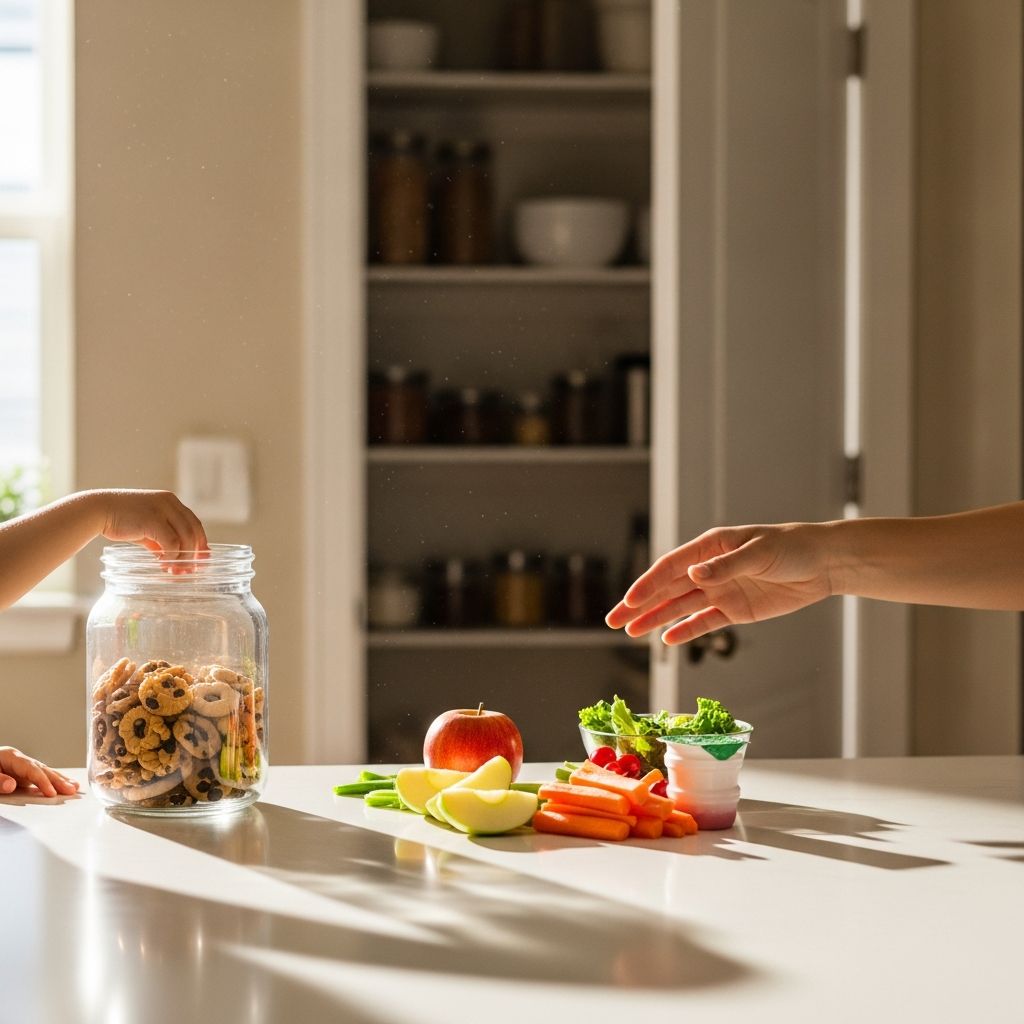
Disparities in how parents approach discipline and guidance can inadvertently create openings for children to manipulate family dynamics. This phenomenon often arises in households where one parent favors strict rules while the other leans toward leniency, leading to confusion and behavioral challenges for kids.
Understanding the Roots of Parental Inconsistency
Parental approaches to child-rearing stem from a variety of influences, including personal upbringing, cultural backgrounds, and individual temperaments. When partners bring divergent philosophies into the family unit, it sets the stage for mixed signals. For instance, research identifies four primary parenting styles—authoritative, authoritarian, permissive, and uninvolved—each carrying distinct effects on child outcomes.
Authoritative parenting combines clear expectations with emotional support, fostering self-regulated children who excel socially and academically. In contrast, authoritarian styles emphasize obedience through high demands and low warmth, potentially yielding compliant but anxious kids with low self-esteem. Permissive parents offer warmth without structure, which may result in impulsive behaviors and poor self-control, while uninvolved approaches correlate with severe developmental delays.
How Children Detect and Leverage Gaps
Children are astute observers of adult interactions, quickly identifying inconsistencies to their advantage. A child denied dessert by one parent might seek approval from the other, testing boundaries until finding the path of least resistance. This ‘divide and conquer’ tactic undermines authority and erodes trust between parents.
- Younger children use tears or pleas to evoke sympathy from the lenient parent.
- School-age kids employ negotiation or selective storytelling to pit parents against each other.
- Teens exploit differences through rebellion, seeking permission for privileges from the more indulgent guardian.
Such behaviors not only disrupt household harmony but also hinder the development of internal discipline, as children learn external manipulation over self-regulation.
Consequences for Child Growth and Family Health
Mismatched parenting contributes to emotional dysregulation and behavioral issues. Studies show children in inconsistent environments struggle with self-esteem, exhibit higher aggression, and face academic setbacks. Hostile or erratic discipline doubles mental health risks, including anxiety and depression.
| Parenting Style Mismatch | Child Impact | Long-term Effects |
|---|---|---|
| Strict vs. Lenient | Confusion over rules, manipulation | Poor self-control, entitlement |
| Authoritative vs. Authoritarian | Resentment toward stricter parent | Low self-esteem, rebellion |
| Permissive vs. Uninvolved | Lack of boundaries, neglect | Impulsivity, social isolation |
Family-wide, these dynamics breed resentment, arguments between parents, and weakened co-parenting bonds, amplifying stress.
Aligning Approaches for Unified Front
Establishing consistency requires intentional communication. Parents should hold regular discussions outside children’s earshot to agree on core rules, consequences, and privileges. Present a united stance publicly, deferring disagreements to private resolution.
- Define 5-7 non-negotiable family rules covering bedtime, screen time, chores, and homework.
- Outline age-appropriate consequences, focusing on natural results rather than punishment.
- Schedule weekly family meetings to review behaviors and adjust as needed.
Embrace authoritative principles: set firm limits with empathy. Explain rationales behind decisions to build understanding, e.g., “We limit screen time to ensure you get enough rest for school.”
Practical Tools to Counter Manipulation
When a child attempts to exploit differences, respond calmly and redirect. If one parent denies a request, the other reinforces it without exception. Use phrases like, “We both agree on this rule,” to affirm unity.
Implement a ‘parental pause’ technique: when faced with a plea, take time to consult the co-parent before deciding. This prevents snap approvals and models thoughtful decision-making.
Daily Strategies
- Share a family calendar for schedules and permissions.
- Use apps for co-parenting communication to track agreements.
- Reward compliance with collective family activities.
- Model respect by supporting each other’s decisions.
Navigating Blended Families and Unique Challenges
In blended families, stepparents face amplified scrutiny. Children may ally with biological parents against ‘outsiders.’ Success lies in gradual integration: stepparents support without overriding the primary disciplinarian initially.
Cultural or generational gaps add layers. Grandparents’ involvement might introduce outdated methods, prompting grandchildren to seek their favor. Address by educating extended family on current agreements while honoring their role.
Boosting Parental Self-Awareness
Reflect on personal styles via journaling or assessments. Recognize triggers: does stress lead to leniency? Training in positive discipline enhances skills.
Seek professional input if patterns persist. Family therapy clarifies roles and rebuilds alignment, proven effective for reducing child behavioral issues.
Frequently Asked Questions (FAQs)
What if my partner refuses to align on rules?
Start small with high-impact areas like bedtime. Demonstrate benefits through observed improvements in child behavior, gradually building buy-in.
How does inconsistency affect teen independence?
Teens in mismatched homes often lack decision-making skills, leading to risky choices. Consistency fosters responsible autonomy.
Can single parents face similar issues?
Yes, with extended family or caregivers. Clear communication prevents external manipulation.
Is authoritative parenting suitable for all kids?
It adapts best across temperaments, promoting secure attachments and resilience per longitudinal studies.
Building Lasting Family Resilience
Unified parenting transforms potential conflict into strength. Children thrive with predictable, supportive environments, developing into confident adults. Prioritize partnership: regular check-ins sustain alignment amid life’s changes.
Track progress through behavior journals. Celebrate milestones, reinforcing positive shifts. Over time, reduced manipulation yields deeper family trust and joy.
References
- Parenting Styles and Their Influence on Child Development — Premier Science. 2025. https://premierscience.com/pjss-25-752/
- Parenting Styles and Their Impact on Child Development — La Trauma Therapists. 2024-10-15. https://www.latraumatherapists.com/blog/parenting-styles-and-their-impact-on-child-development
- Parenting style can significantly influence a child’s mental health — ABC News. 2023-06-12. https://abcnews.go.com/GMA/Family/parenting-style-significantly-influence-childs-mental-health-new/story?id=98266998
- The effects of parenting styles on children’s cognitive and … — Paediatric Nursing. 2023. https://www.paediatricnursing.net/article/view/163/6-1-17
- 4 parenting styles and why it matters when raising children — Rogers Behavioral Health. 2024. https://rogersbh.org/blog/4-parenting-styles-and-why-it-matters-when-raising-children/
- Types of Parenting Styles and Effects on Children — NCBI StatPearls. 2023-07-03. https://www.ncbi.nlm.nih.gov/books/NBK568743/
- The Psychology Behind Different Types of Parenting Styles — Jessup University. 2024. https://jessup.edu/blog/academic-success/the-psychology-behind-different-types-of-parenting-styles/