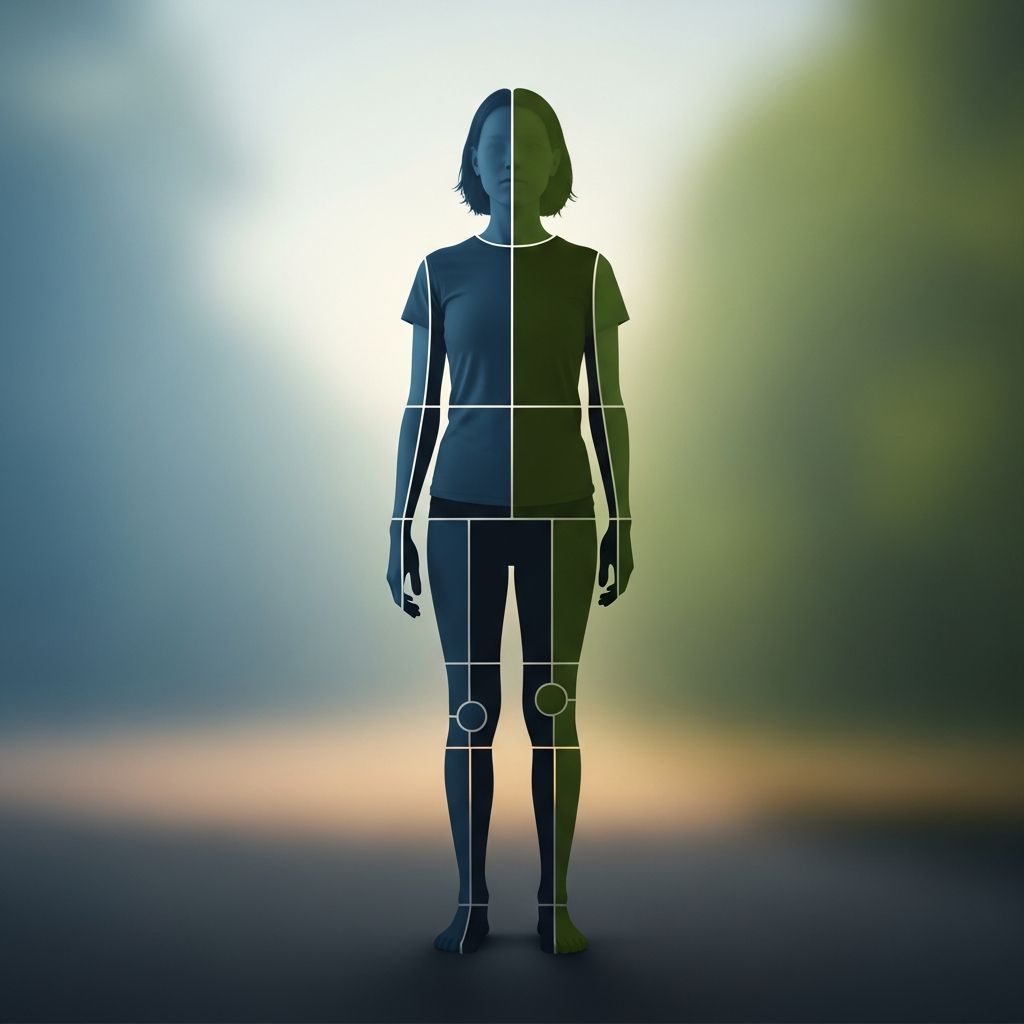
During the teen years, bodies grow fast, but not always in a perfectly balanced way. One side can look or feel different from the other, which can be confusing, annoying, or even scary. This guide explains why uneven growth happens, which changes are usually normal, when to talk to a doctor, and how to stay confident while your body catches up with itself.
What Does “Uneven Growth” Mean?
Uneven growth is when one side or one part of your body develops differently or at a different speed than another. That might mean one arm or leg looks a little longer, one breast is bigger, or your shoulders or hips don’t line up perfectly when you stand straight.
This doesn’t always mean something is medically wrong. In many cases, it simply reflects how your body is growing and will balance out over time.
Common Places Teens Notice Uneven Growth
Uneven growth can show up in lots of different ways. Some changes are super noticeable; others only you will see in the mirror.
- Breasts or chest: One breast may be larger, a different shape, or sit higher than the other.
- Arms and legs: One limb can look slightly longer or more muscular, especially if you use it more in sports or daily activities.
- Shoulders and hips: One side may appear higher or more slanted.
- Feet and hands: One foot or hand might be a different size, sometimes by half a shoe size or more.
- Face: Eyes, eyebrows, cheeks, or jawline can seem uneven or not perfectly symmetrical.
Why Bodies Don’t Grow Like Perfect Mirrors
Human bodies are naturally a bit asymmetrical. If you looked closely at almost anyone’s face or body, you’d find small differences from one side to the other. During puberty, these differences can feel bigger and more sudden because growth is happening so quickly.
Several factors affect how evenly you grow:
- Genetics: Your body shape and growth pattern are strongly influenced by your family’s traits.
- Hormones: Puberty hormones don’t always trigger growth in a perfectly synchronized way on both sides.
- Growth plates: Bones grow from areas called growth plates. These plates may not be equally active on both sides at every moment.
- Activity level: Favoring one arm or leg in sports, instruments, or daily tasks can build more muscle or coordination on one side.
- Posture habits: Slouching to one side, always carrying a backpack on the same shoulder, or crossing the same leg can create minor imbalances.
How Puberty Changes Can Look Uneven
Puberty doesn’t start on the same day for everyone—and it doesn’t move in a neat straight line once it begins. Many teens notice that certain body parts seem to race ahead while others take their time.
- Height spurts: You may suddenly shoot up in height, and for a while your arms and legs can feel too long for your body.
- Muscle growth: Working out or playing sports often strengthens your dominant side first.
- Breast development: One breast can start growing months before the other or stay larger for years.
- Hip and waist shape: As fat and muscle redistribute, your waist and hips may look different from one side to the other.
Normal Unevenness vs. Possible Problem Signs
Most uneven growth is harmless. Still, it’s important to know what’s typical and what might be worth checking out with a health professional.
| Usually Normal | Worth Getting Checked |
|---|---|
| One breast slightly bigger or differently shaped, without pain or hard lumps. | Breast or chest area with a new hard lump, major swelling, or pain that doesn’t go away. |
| Shoulders or hips that look a little uneven but don’t hurt and don’t affect movement. | Noticeable curve when you bend forward, or ribs sticking out more on one side. |
| One foot a bit larger than the other, easily managed with regular shoes. | Big difference in leg length that causes limping, tripping, or ongoing discomfort. |
| Minor facial asymmetry that you mainly notice in photos. | Sudden facial drooping, weakness, or changes on one side of the face. |
| Muscles more built up on the side you use most. | Persistent pain, numbness, or loss of strength on one side of the body. |
When Uneven Growth Might Be Linked to a Condition
Uneven growth can sometimes signal an underlying medical issue. That does not mean something is seriously wrong, but it does mean a checkup is a smart move.
Some examples of conditions that can involve uneven growth include:
- Spinal curvature: A sideways curve in the spine can make one shoulder, hip, or side of the ribcage appear higher.
- Leg length differences: If one leg is significantly longer, it can affect walking, balance, and joint comfort.
- Growth plate injuries: Past injuries near joints (like the knee or ankle) can affect how a bone grows on one side.
- Hormone-related growth issues: Conditions affecting growth hormones or thyroid hormones can change overall growth and proportions.
- Genetic conditions: Some inherited conditions affect bone or tissue growth more on one side or in certain body areas.
Signs You Should Talk to a Doctor
It’s always okay to ask a health professional questions about your body. In fact, even if it turns out everything is normal, getting reassurance can reduce stress.
Consider making an appointment if you notice:
- Uneven growth that seems to change rapidly over a short time.
- Pain, stiffness, or soreness linked to the uneven area.
- Trouble walking, running, breathing, or doing regular activities.
- Visible curves in your back or ribs, especially when bending forward.
- One limb clearly shorter or longer enough to cause limping or tripping.
- Any new lump, swelling, or skin change that doesn’t improve.
If you feel nervous bringing this up, you can start with a simple sentence like, “I’ve noticed my body looks uneven, and I want to know if it’s okay.” Health professionals hear questions like this all the time.
What to Expect at a Checkup
If you see a doctor or nurse about uneven growth, the visit will usually be straightforward. They will ask about your medical history, family growth patterns, and when you first noticed the change.
They may then:
- Measure your height, weight, and sometimes arm and leg lengths.
- Check your posture and alignment from the front, back, and side.
- Ask you to bend, walk, or move in different ways to see how your body functions.
- Order tests such as X-rays or blood work if they suspect a growth or hormone issue.
- Refer you to a specialist (like an orthopedic doctor or endocrinologist) if needed.
Most of the time, the outcome is simply: “This is part of how your body is growing, and it’s likely to improve as you finish puberty.” But if there is a problem, catching it earlier usually means more options for treatment.
How Uneven Growth Can Affect Emotions
Even when uneven growth is medically normal, it can be emotionally hard. You might compare yourself with friends or with images online and feel like you are the only one who looks “off.”
Common feelings include:
- Embarrassment about changing in locker rooms or wearing certain clothes.
- Worry that others are staring or judging your body.
- Frustration that your body doesn’t match your idea of “balanced.”
- Relief mixed with confusion after hearing that it’s “normal but noticeable.”
These feelings are valid, but they can soften over time as you understand your body better and see that nearly everyone has some kind of asymmetry.
Practical Ways to Cope Day to Day
There are many small, practical steps that can help you feel more comfortable while your body continues to grow.
- Choose supportive clothing: Sports bras, camisoles, or padded bras can help if breast size differences bother you.
- Use inserts or lifts: Shoe inserts can sometimes help with minor leg length differences or comfort.
- Experiment with style: Patterns, layers, and different cuts of clothing can highlight what you like and downplay what you don’t.
- Strengthen both sides: Workouts that train both sides of the body evenly can support posture and confidence.
- Limit constant mirror-checking: Checking repeatedly often makes worry worse instead of better.
Building Body Confidence While You Grow
Confidence does not require a perfectly symmetrical body. In fact, many people’s favorite features—like a slightly uneven smile or different-sized dimples—come from asymmetry.
Try these strategies to build a healthier relationship with your body:
- Shift the focus to function: Notice what your body helps you do—laugh, play, create, think—instead of only how it looks.
- Curate your social media: Follow accounts that celebrate different body types and real-life diversity.
- Use kind self-talk: Replace phrases like “My body is messed up” with “My body is still growing and doesn’t have to be perfect.”
- Talk to trusted people: Friends, family, or counselors can give perspective and support.
- Practice gratitude: List a few things you appreciate about your body, appearance-related or not.
Healthy Habits That Support Balanced Growth
You can’t control your genetics or exactly how fast each part of your body grows. But you can support your overall growth and health with daily habits.
- Eat enough and eat well: Include a mix of fruits, vegetables, proteins, whole grains, and healthy fats.
- Prioritize sleep: Deep sleep is when much of your growth and repair happens.
- Stay active: Regular movement supports bones, muscles, and coordination.
- Protect your bones: Wear safety gear in sports and activities to reduce the risk of growth plate injuries.
- Avoid smoking, vaping, and drugs: These can affect growth, bone health, and overall development.
Talking to Parents, Caregivers, or Trusted Adults
Starting a conversation about your body can feel awkward, but it usually goes better than expected. Adults who care about you want to help you stay healthy and feel okay in your skin.
Some ways to open the conversation:
- “I’ve noticed my body is uneven in this area, and I’m not sure if that’s normal.”
- “Could we schedule a checkup so I can ask a doctor about some growth changes?”
- “I know bodies change during puberty, but this one difference is really on my mind.”
If you don’t feel comfortable talking to a parent or caregiver, consider reaching out to a school nurse, counselor, coach, or another trusted adult.
Frequently Asked Questions About Uneven Growth
Will my body even out by the time I’m an adult?
In many cases, yes. As puberty continues and eventually ends, lots of temporary differences become less noticeable. Some small asymmetries will remain—because no human is perfectly symmetrical—but these are usually minor and not a health problem.
Is it normal for one breast to always be a little bigger?
Yes. Many adults have one breast that is slightly larger, hangs lower, or is shaped differently. As long as there are no worrying symptoms, such as a new, hard lump, unexplained pain, or skin changes, a small size difference is considered normal.
Can exercise fix uneven growth?
Exercise can help build strength, improve posture, and balance out muscle use between your left and right sides. It cannot change how your bones grew in the past, but it can make your body work and feel better overall.
Could uneven shoulders or hips mean something serious?
Uneven shoulders or hips do not always mean something serious, but they can sometimes be a sign that your spine has a curve or that your legs are different lengths. If you or someone else notices a noticeable tilt, back pain, or one side of your ribs sticking out more, getting a professional evaluation is a good idea.
Is it okay to use pads or inserts to make things look more even?
Yes. Using bra pads, clothing layers, or shoe inserts to feel more comfortable and confident is completely fine. Just be sure that whatever you use fits well and does not cause pain or make it harder to move normally.
What if I feel really upset about how my body looks?
Feeling upset or anxious about your body is more common than people admit. If these feelings are strong, constant, or affecting your daily life, talking with a trusted adult, counselor, or therapist can help. You deserve support in learning to feel safer and more at home in your changing body.
Key Takeaways
- Uneven growth is extremely common during the teen years and often improves as puberty continues.
- Small differences between body sides are normal and part of human variation.
- Sudden changes, pain, or problems with movement are signals to get checked by a health professional.
- You can support healthy growth with good sleep, nutrition, activity, and injury prevention.
- Your value is not measured by how symmetrical your body looks; confidence can grow even while your body is still catching up.