What Parents Need to Know About Undescended Testicles
During fetal development, a boy’s testicles form in the abdomen before descending into the scrotum before birth or shortly after. When one or both testicles fail to complete this natural descent, the condition is known as cryptorchidism or undescended testicles. This represents the most frequently occurring genital abnormality in male infants, affecting approximately 3-4% of full-term babies and significantly higher percentages among premature infants. Understanding this condition helps parents recognize potential concerns and seek appropriate medical guidance.
The Normal Development Process
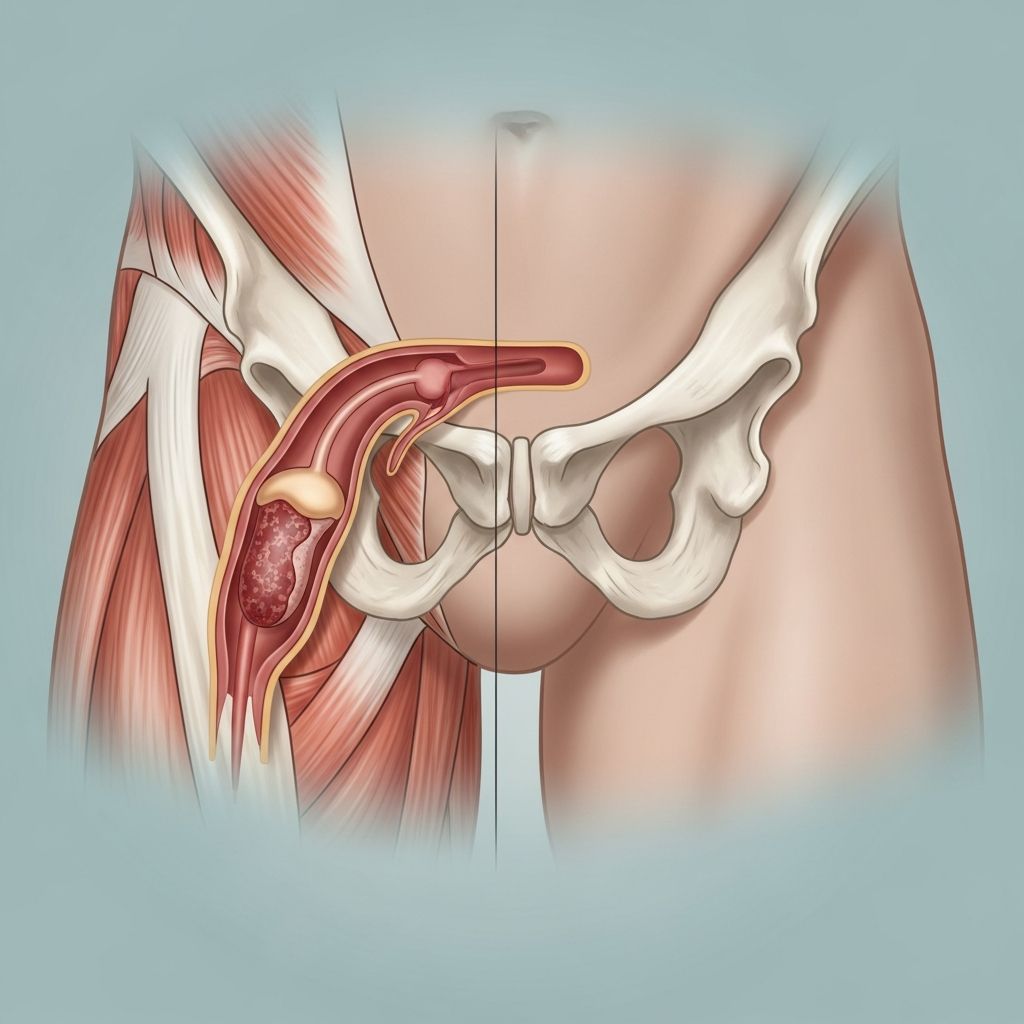
To understand cryptorchidism, it helps to know how testicles normally develop. During pregnancy, testicles begin forming near the kidneys in the upper abdomen. The descent occurs in two distinct phases during fetal development. The first phase, occurring between weeks 8 and 15 of gestation, involves testicles moving from the abdominal cavity to the inguinal ring through a process guided by specific hormones and ligament changes. The second phase, taking place between weeks 25 and 35 of gestation, involves the testicles passing through the inguinal canal and into the scrotum, typically completing by week 35.
This developmental journey relies on precise hormonal signaling, particularly testosterone and insulin-like peptide 3 produced by Leydig cells. When this process is interrupted or delayed, testicles may remain in the abdomen, inguinal canal, or other locations outside the scrotum.
Different Types of Undescended Testicles
Not all undescended testicles are identical, and understanding the distinction matters for treatment planning. Medical professionals categorize these conditions based on testicle location and characteristics:
Retractile Testicles
These testicles can be found in the upper scrotum or lower inguinal canal and can be manually positioned within the scrotum with gentle tension. They may intermittently move between the scrotum and groin region. This variation accounts for many cases initially thought to represent undescended testicles.
Palpable Undescended Testicles
In approximately 80% of cryptorchidism cases, healthcare providers can feel the undescended testicle during physical examination. These testicles remain above the midpoint of the scrotum and can be moved into the upper scrotum but immediately retract when released. They represent testicles that have not completed their descent but remain accessible for evaluation.
Acquired Undescended Testicles
Sometimes called ascended testicles, these were previously in normal position but have since retracted upward. This acquired condition may develop after initial normal descent, requiring different management considerations than congenital cases.
Ectopic Testicles
These testicles deviate from the normal descent pathway and may be found in unusual locations such as the superficial inguinal pouch, prepubic region, femoral canal, or perianal area. This misdirection requires specialized diagnostic and treatment approaches.
Intra-abdominal Testicles
When testicles remain within the abdominal cavity along the descent pathway, they become intra-abdominal testicles. These require imaging studies for accurate localization and carry specific health risks that necessitate prompt intervention.
Absent Testicles
In some cases, one or both testicles may be completely absent, a condition sometimes detected during evaluation for presumed cryptorchidism. This requires hormonal assessment to determine whether testicles failed to develop or were lost during gestation.
Risk Factors and Causation
While the exact cause of cryptorchidism remains unclear, researchers have identified numerous factors that increase risk. Premature birth stands as one of the most significant risk factors, with approximately 30% of premature infants presenting with undescended testicles. Low birth weight below 2,500 grams, intrauterine growth restriction, and perinatal complications substantially increase likelihood.
Genetic factors play an important role, as a family history of cryptorchidism, sex hormone disorders, or penile abnormalities increases susceptibility. Maternal health during pregnancy influences testicular development, with conditions such as diabetes, maternal obesity, and advanced maternal age creating elevated risk. Maternal lifestyle factors matter too—alcohol consumption and smoking during pregnancy have been associated with increased cryptorchidism rates. Placental insufficiency and cesarean delivery have also been noted as risk factors.
Certain newborn conditions including cerebral palsy may be associated with undescended testicles. Additionally, specific medications taken during pregnancy, whether related to hormonal treatment or other purposes, may influence testicular descent.
Recognizing the Symptoms
The primary and often only symptom of cryptorchidism is the observable absence or incorrect positioning of one or both testicles in the scrotum. Unlike many pediatric conditions, undescended testicles typically cause no pain, discomfort, or difficulty with urination. The condition affects no apparent functions during childhood, which sometimes leads parents to delay seeking evaluation.
Physical examination by a healthcare provider remains the primary method for detecting this condition. During routine well-child visits, pediatricians routinely assess testicular position as part of standard physical examination. Parents who notice that their child appears to have a testicle missing from one or both sides of the scrotum should contact their healthcare provider for evaluation.
Diagnostic Approaches and Evaluation
Diagnosis of cryptorchidism begins with careful physical examination and clinical history. However, the distinction between retractile testicles and truly undescended testicles can be challenging, making serial examination important. Guidelines recommend careful observation because most testicles descend spontaneously within the first six months of life.
When physical examination cannot definitively locate a testicle, imaging studies may be helpful. Ultrasound can identify testicles in the inguinal canal but has limited effectiveness for intra-abdominal testicles. MRI and CT scans are used for intra-abdominal testicles but can be difficult to perform on small children and carry higher rates of false-negative results. Current guidelines recommend against routine imaging before consultation with a surgical specialist.
When bilateral undescended testicles are present in children under nine years old, hormonal evaluation becomes important. Testing may include an HCG stimulation test and testosterone measurement to determine whether testicles are absent or present but undescended. These results help guide subsequent treatment decisions.
Treatment Options and Timing
Treatment decisions depend on several factors including the child’s age, whether testicles are palpable or non-palpable, and the likelihood of spontaneous descent. Many experts recommend waiting until around six months of age before intervention, as spontaneous descent occurs in most cases by this time.
Surgical intervention, called orchiopexy, represents the definitive treatment when testicles do not descend spontaneously. This procedure anchors the testicle in the scrotum and becomes recommended if descent has not occurred by 6-12 months of age. Early surgical correction, ideally before age two, offers the best chance of preserving testicular function and reducing long-term complications.
Surgical risks, though generally low, include potential injury to the ilioinguinal nerve or vas deferens. Complications such as testicular atrophy, retraction, or torsion may occur after surgery, necessitating ongoing clinical monitoring.
Long-Term Health Implications
One of the primary concerns regarding undescended testicles involves fertility. Bilateral cryptorchidism significantly increases infertility risk, with affected men experiencing a sixfold increased risk of infertility compared to unaffected men. In contrast, unilateral cryptorchidism does not appear to substantially affect paternity rates.
Beyond fertility concerns, undescended testicles carry an elevated risk of testicular cancer, a risk that persists even after surgical correction. This increased cancer risk applies to both the undescended testicle and, to a lesser extent, the normally descended testicle. Annual clinical examinations and regular ultrasound evaluation to measure testicular volume become important for long-term monitoring.
Testicular atrophy represents another potential complication, where testicle tissue gradually deteriorates over time. For some cases, particularly non-palpable intra-abdominal testicles with poor prognosis, surgical removal (orchiectomy) may be recommended rather than attempted preservation.
When to Seek Medical Attention
Parents should arrange evaluation with their pediatrician if they notice their son seems to be missing a testicle in the scrotum, particularly after the newborn period. Routine well-child examinations provide opportunities for healthcare providers to assess testicular positioning. Any concerns about testicular location, size discrepancy between sides, or absence should prompt medical evaluation.
Adolescents and young men with a history of cryptorchidism should continue with regular medical monitoring and self-examination. Changes in testicular size, consistency, or the development of any lumps warrants prompt medical evaluation.
Frequently Asked Questions
Q: Will my son’s testicle descend on its own?
A: Yes, many testicles descend spontaneously, particularly within the first six months of life. However, if descent has not occurred by six to twelve months of age, surgical intervention becomes necessary.
Q: Does cryptorchidism affect normal urination or bowel function?
A: No, undescended testicles do not affect your child’s ability to urinate or defecate, and they typically cause no pain or discomfort.
Q: Is surgery always necessary for undescended testicles?
A: Not always. Observation is appropriate in the early months since many testicles descend spontaneously. However, if spontaneous descent does not occur by 6-12 months, surgery is typically recommended.
Q: What causes cryptorchidism?
A: The exact cause is unknown, but risk factors include premature birth, low birth weight, family history, maternal health conditions during pregnancy, and certain maternal lifestyle factors.
Q: Can undescended testicles affect fertility?
A: Bilateral cryptorchidism significantly increases infertility risk, while unilateral cases do not typically affect paternity rates. Early surgical correction optimizes fertility potential.
Q: Is there an increased cancer risk with cryptorchidism?
A: Yes, undescended testicles carry an elevated risk of testicular cancer that persists even after surgical correction, requiring ongoing monitoring.
Q: How often should my son be monitored after treatment?
A: Annual clinical examinations and regular ultrasound to measure testicular volume are recommended for long-term monitoring and to assess for complications.
Moving Forward with Confidence
Discovering that your child has an undescended testicle can raise many questions and concerns. However, this condition is manageable when identified and addressed appropriately. Understanding the normal developmental process, recognizing different presentations, and knowing when to seek medical attention empowers parents to support their child’s health. Modern surgical techniques offer excellent outcomes when intervention becomes necessary, particularly when addressed early. Working closely with your pediatrician and consulting with pediatric urology specialists when appropriate ensures your son receives optimal care and the best possible long-term outcomes for both testicular function and overall health.
References
- Cryptorchidism (Undescended Testicle) — American Academy of Family Physicians. 2023. https://www.aafp.org/pubs/afp/issues/2023/1000/cryptorchidism.html
- Cryptorchidism (Undescended Testicle) — Patient Care — Weill Cornell Medicine. https://weillcornell.org/services/urology/pediatric-urology/conditions-we-treat/cryptorchidism
- Undescended Testicle — Symptoms and Causes — Mayo Clinic. https://www.mayoclinic.org/diseases-conditions/undescended-testicle/symptoms-causes/syc-20351995
- Undescended Testicles (Cryptorchidism): Causes & Treatment — Cleveland Clinic. https://my.clevelandclinic.org/health/diseases/17594-undescended-testicles
- Undescended Testicle (Cryptorchidism) — Urology — UCLA Health. https://www.uclahealth.org/medical-services/urology/conditions-treated/pediatric-conditions/undescended-testicle